

Eli Lilly and Company has once again demonstrated its formidable market power, reporting first-quarter 2026 sales that significantly surpassed analyst expectations, driven by an insatiable appetite for its groundbreaking weight-loss and diabetes treatments. The pharmaceutical giant announced a staggering $19.8 billion in revenue for the quarter, marking a substantial 56% increase compared to the same period in 2025. This robust performance not only underscores Lilly’s continued trajectory of exponential growth, following a 45% surge in full-year 2025 sales, but has also prompted the company to revise its full-year 2026 revenue projections upward. The quarterly earnings beat was considerable, coming in $2.4 billion ahead of the Visible Alpha consensus, signaling a potent start to the new financial year.
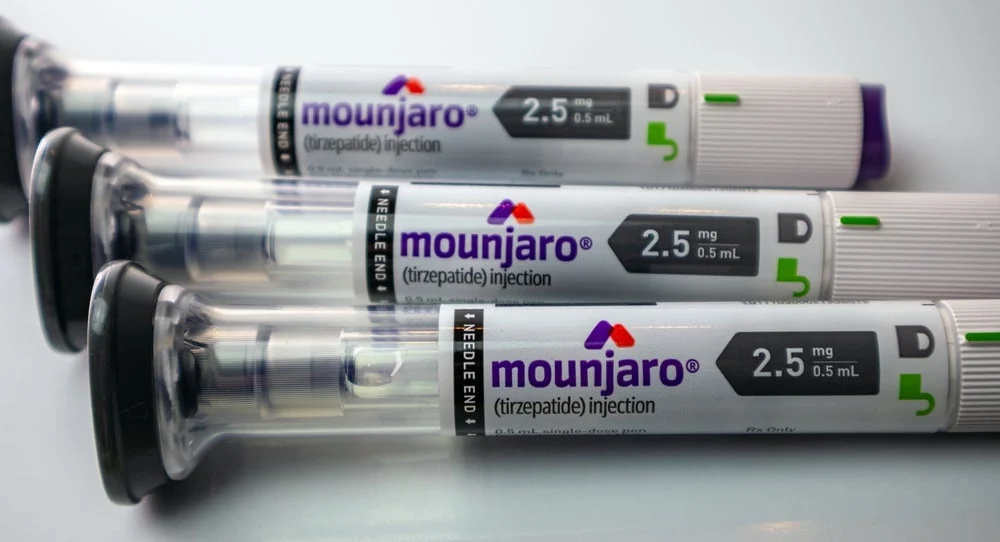
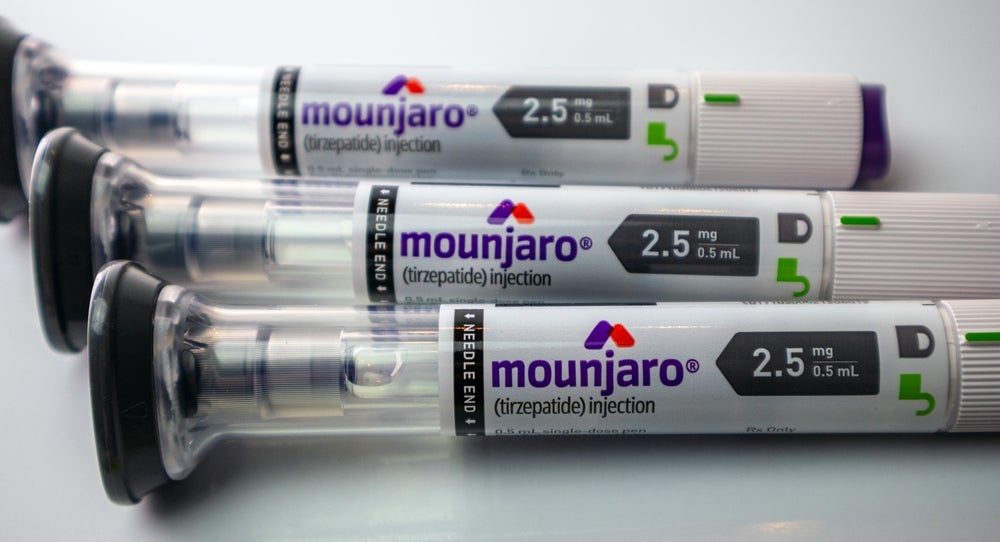
The primary engine behind this impressive financial uplift remains Lilly’s portfolio of glucagon-like peptide-1 receptor agonist (GLP-1RA) drugs. Mounjaro (tirzepatide), approved for type 2 diabetes, and its counterpart Zepbound (tirzepatide), indicated for obesity, continue to dominate the market. Mounjaro alone generated an astounding $8.7 billion in the first quarter, representing an extraordinary 125% year-over-year increase. Zepbound was not far behind, contributing $4.2 billion, a remarkable 80% jump from the first quarter of 2025. These figures highlight the transformative impact these medications are having on patient care and Lilly’s financial performance. The company’s success is occurring despite navigating the complexities of pricing reforms in the United States, demonstrating the sheer strength of demand for its cardiometabolic therapies.
A Look at the Numbers: Q1 2026 Performance Highlights
- Total Revenue: $19.8 billion (up 56% year-over-year)
- Mounjaro (tirzepatide for type 2 diabetes) Revenue: $8.7 billion (up 125% year-over-year)
- Zepbound (tirzepatide for obesity) Revenue: $4.2 billion (up 80% year-over-year)
- Quarterly Result vs. Consensus: $2.4 billion ahead of Visible Alpha consensus
Forecasting Future Growth: Revised 2026 Outlook
In light of this exceptional first-quarter performance, Eli Lilly has confidently raised its full-year 2026 revenue guidance. The company now anticipates achieving between $82 billion and $85 billion in revenue for the entire year, an increase of $2 billion from its previous projections. This upward revision reflects the sustained momentum in demand for its key products and the anticipated contributions from new therapeutic avenues. The pharmaceutical industry often uses such upward revisions as a strong indicator of market confidence and product strength, and Lilly’s substantial increase signals a very positive outlook for the remainder of the fiscal year.
The Dawn of Foundayo: An Oral Revolution in Weight Management
The first quarter of 2026 also marks a significant milestone for Eli Lilly with the commercial launch of its oral GLP-1RA for weight loss, Foundayo (orforglipron). This development positions Lilly to compete more directly in the burgeoning oral obesity market, a segment that has been a key focus for both the company and the broader pharmaceutical sector. While specific early sales figures for Foundayo were not detailed due to its nascent stage in the market, company executives expressed considerable optimism regarding its initial rollout.
During the first-quarter earnings call, Chief Financial Officer Lucas Montarce stated, "Early feedback from payers, physicians, and patients is encouraging. Foundayo was broadly available in pharmacies on April 9 and is available on more than 12 major telehealth platforms." This broad accessibility from the outset is a strategic move designed to capture market share rapidly.
Ilya Yuffa, President of Lilly USA, elaborated on the growth strategy for Foundayo, identifying three critical catalysts: "growing familiarity among healthcare providers with the clinical profile of Foundayo, building out access, and growing awareness of Foundayo with consumers. We are making progress on all three fronts." He further highlighted the traction with healthcare professionals, noting, "For healthcare professionals, we now have over 8,000 prescribers of Foundayo, a third of whom have not previously written an oral GLP-1." This indicates that Foundayo is not only attracting new patients but also expanding the prescriber base for GLP-1RAs.
Analysts are also observing Foundayo’s early performance with keen interest. A research note from Citi stated, "Leading indicators point to robust demand drivers yet to go online, adding to our confidence in its opportunity." This sentiment suggests that the market is anticipating further acceleration in Foundayo’s growth as awareness and adoption increase.
The Competitive Landscape: Foundayo vs. Oral Wegovy
Eli Lilly’s entry into the oral obesity market intensifies the competitive dynamic with Novo Nordisk, which secured FDA approval for its oral GLP-1RA, Wegovy (semaglutide), in December 2025. Novo Nordisk has leveraged its first-mover advantage effectively. Jefferies analysts have previously noted that Novo Nordisk’s oral pill has experienced "numerically higher" demand at launch compared to its injectable counterparts at their respective introduction points.
Foundayo brings its own set of advantages to the table. A key differentiator is its administration without meal restrictions, a significant convenience factor for patients. However, it is important to note that Foundayo currently lags in raw efficacy compared to oral Wegovy. Despite this, Citi analysts have previously suggested that Foundayo’s superior ease of use "more than offsets" the efficacy deficit. Their analysis points to Foundayo being poised to capture a substantial share of the rapidly expanding oral obesity market, underscoring the perceived value of its patient-friendly profile.
A Strategic Future: Mergers, Acquisitions, and Internal Development
Beyond its stellar product performance, Eli Lilly has also been making significant waves in the pharmaceutical industry through its aggressive merger and acquisition (M&A) strategy in 2026. The company has demonstrated a clear commitment to bolstering its internal pipeline and expanding its therapeutic reach through strategic acquisitions. Earlier in the week preceding the earnings report, Lilly announced its acquisition of blood cancer specialist Ajax Therapeutics for $2.3 billion. This marks the sixth M&A deal for Lilly in 2026 alone, with a total investment of approximately $21 billion in these transactions, excluding several substantial licensing agreements.
During the earnings call, CEO Dave Ricks reiterated the company’s proactive approach to business development. "We expect to remain active in business development to complement our internal portfolio," Ricks stated. This forward-looking statement signals that Lilly’s acquisitive nature is likely to continue, as it seeks to identify and integrate promising assets and technologies that align with its strategic objectives. The company’s dual strategy of robust internal R&D coupled with targeted M&A positions it for sustained growth and market leadership across a diverse range of therapeutic areas. This approach allows Lilly to not only capitalize on current market trends, such as the obesity epidemic, but also to build a resilient and diversified pipeline for the future, addressing unmet medical needs across various disease states. The substantial investment in M&A suggests a long-term vision to secure a leading position in key therapeutic areas and to continually innovate and expand its product offerings.













Leave a Reply