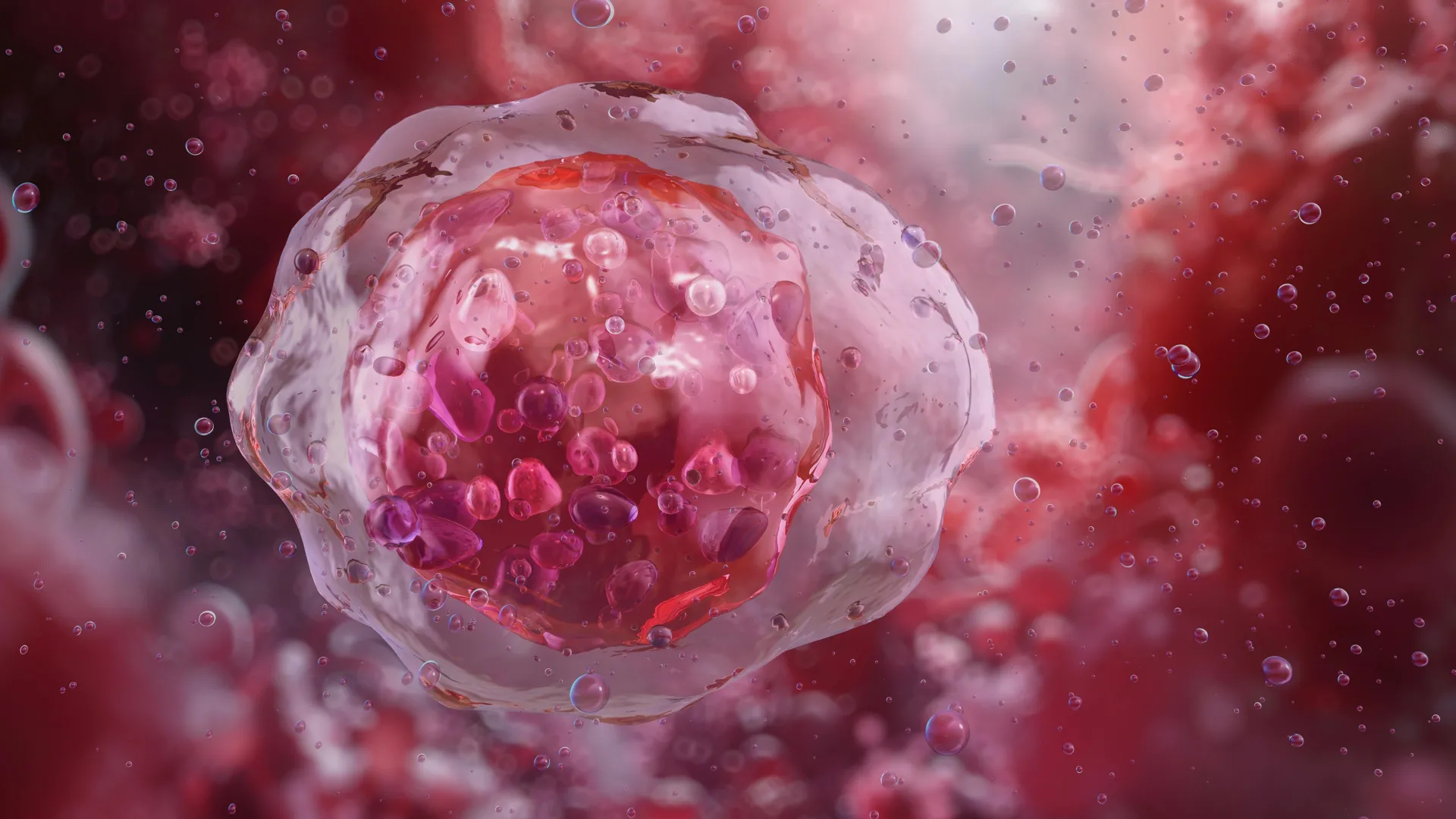
Deep within the skeletal architecture of the human body, bone marrow operates as the primary engine of human hematopoiesis. This spongy, vascularized tissue produces billions of blood cells every single day, sustaining life through the continuous generation of oxygen-delivering red blood cells, infection-fighting white blood cells, and platelet-producing megakaryocytes. Despite its profound physiological importance, this vital biological system remains exceptionally vulnerable. Cancer patients undergoing aggressive interventions such as chemotherapy and radiation therapy frequently experience severe bone marrow suppression, a debilitating condition known as myelosuppression. This treatment-induced damage depletes white blood cell counts, leaving vulnerable patients exposed to opportunistic infections, prolonged hospitalizations, and potentially fatal complications.
Addressing this clinical bottleneck, an interdisciplinary team of researchers hailing from the University of Pennsylvania School of Engineering and Applied Science, the Perelman School of Medicine, and the Children’s Hospital of Philadelphia has unveiled a groundbreaking bioengineered platform. This sophisticated device accurately emulates the native microenvironment of human bone marrow in vitro. Published in the peer-reviewed scientific journal Cell Stem Cell, the breakthrough overcomes decades of scientific frustration surrounding the limitations of traditional animal models, which notoriously fail to accurately replicate the complex cellular architecture and biochemical signaling networks unique to human hematopoiesis.
The Architecture of Innovation: Mimicking Embryonic Bone Marrow Development
At the core of this technological leap is a compact, clear polymer chip embedded with microfluidic channels and specialized chambers. Rather than merely attempting to corral mature cells into a static grid, the research team took inspiration from embryology. They focused on recreating the precise biochemical and mechanical cues that drive bone marrow development during human embryonic growth.
The device houses a specialized hydrogel populated with human hematopoietic stem and progenitor cells alongside stromal support cells, including endothelial and mesenchymal cells. When supplied with the proper physicochemical environment, these cellular ingredients undergo a process of self-organization. As the cells self-assemble, they construct functional, living human bone marrow tissue capable of generating viable blood cells. These newly minted cells are then actively released into culture media that flows continuously through engineered capillary blood vessels designed into the chip.
This dynamic fluidic architecture enables scientists to observe, in real time, how medical treatments impact bone marrow tissue. Researchers can simulate the cytotoxic effects of clinical radiotherapy and chemotherapy regimens, quantifying marrow toxicity with unprecedented precision. Furthermore, the platform’s versatility extends to multi-organ connectivity. By linking the bone marrow chip to other microfluidic organ models—such as a lung-on-a-chip infected with bacteria—investigators can study systemic physiological crosstalk. This capability allows science to model how bone marrow mobilizes and deploys immune defenses to protect distant organs from life-threatening infections.
From Extraterrestrial Ambitions to Earthbound Triumphs
The genesis of this scientific milestone traces back nearly a decade, born from an ambitious inquiry into the physiological toll of space exploration. Dr. Dan Huh, Professor in Bioengineering at Penn Engineering, and Dr. G. Scott Worthen, an attending physician at the Children’s Hospital of Philadelphia and Professor Emeritus in Pediatrics at PSOM, initially conceptualized the bone marrow model to address a pressing aerospace health concern.
Accumulating medical data from long-duration spaceflight missions indicated that astronauts face a significantly heightened risk of immune dysfunction and infection while operating in microgravity. Driven by a hypothesis that prolonged exposure to space environments impairs the human immune system, Huh and Worthen designed the platform with the explicit intent of sending it to the International Space Station. The objective was to conduct parallel, comparative experiments examining how true microgravity and cosmic radiation alter human hematopoiesis and immune response.
However, the path of translational research is rarely linear. The initiative encountered severe operational setbacks. During the initial planned payload delivery, the fluidic control hardware necessary to sustain the living tissue models experienced a catastrophic electrical short-circuit during rocket ascent, destroying the experimental apparatus before it could reach orbit. A subsequent launch window, scheduled years later, was entirely scrapped due to the onset of the global COVID-19 pandemic, which halted scheduled cargo missions and disrupted laboratory supply chains.
Despite these frustrating aerospace roadblocks, the technological framework developed for the space initiative yielded profound terrestrial utility. Rather than abandoning the platform, the research team pivoted to refine the device for clinical and pharmaceutical applications on Earth. The resulting microfluidic system has emerged as one of the most advanced bioengineered tissue models constructed to date, proving that technological resilience can transform a space-program setback into a foundational biomedical asset.
Unlocking Nature’s Recipe: Overcoming In Vitro Obstacles
Replicating human bone marrow outside the body has historically represented one of the most formidable challenges in tissue engineering. The tissue relies on a delicate triad of cellular components: hematopoietic stem cells (HSCs), which retain the capacity to differentiate into all downstream blood lineages; endothelial cells, which form the structural lining of blood vessels; and mesenchymal cells, which generate and maintain the extracellular matrix and connective framework.
Historically, attempts to combine these cellular ingredients in laboratory settings floundered. The anatomical seclusion of human bone marrow deep within skeletal cavities, combined with its intricate vascular and biochemical microenvironment, rendered traditional in vitro modeling approaches inadequate. Previous attempts yielded static cultures that rapidly lost their stemness or failed to generate functional blood cells over extended periods.
The paradigm shift occurred when the Penn-led team abandoned static co-culture methods in favor of embryologically inspired self-assembly. Andrei Georgescu, a former doctoral student in Huh’s laboratory and current CEO of Vivodyne—a biotechnology startup co-founded to commercialize the organ-on-a-chip technology—played a pivotal role in optimizing the culture parameters. According to Georgescu, the defining design principle relies on the innate biological propensity of progenitor cells to self-organize when provided with precise environmental cues. By reverse-engineering the biochemical signals present during embryonic bone development, the team unlocked the conditions necessary for the cells to autonomously assemble into a functional, vascularized hematopoietic niche.
Broad Implications: Drug Development, Cell Therapy, and Space Medicine
The validation of large-scale production and automated fabrication techniques for the bone marrow-on-a-chip opens expansive horizons across multiple scientific disciplines. In the pharmaceutical sector, the platform addresses a critical need for high-throughput, automated preclinical screening tools. Currently, evaluating the myelotoxic side effects of novel oncology compounds relies heavily on animal models or crude cell cultures that poorly predict human toxicity. The new chip enables automated, high-throughput safety profiling, potentially accelerating drug development timelines while reducing reliance on animal testing.
Furthermore, the research revealed an unexpected functional benefit: the marrow chip not only produces blood cells but also provides a nurturing microenvironment capable of sustaining hematopoietic stem and progenitor cells in a viable, undifferentiated state over extended periods. This capability touches upon the holy grail of cell therapy. Isolating functional hematopoietic stem cells from human donors typically requires invasive, costly surgical procedures, and these cells frequently lose their therapeutic potency when cultured outside the body. By providing an artificial niche that preserves stem cell viability, the technology could pave the way for novel biomanufacturing methods designed to maintain or expand harvested stem cells for clinical transplantation.
In the realm of space medicine, the foundational ambition of the project remains relevant. As commercial spaceflight expands and national space agencies plan long-duration crewed missions to the Moon and Mars, understanding how chronic radiation and microgravity compromise human immunity is more critical than ever. The bone-marrow-on-a-chip provides a viable, automated proxy that can be deployed in future space missions or simulated in terrestrial laboratories using radiation simulation facilities, safeguarding the health of astronauts venturing into deep space.
As research teams continue to refine interconnected organ systems, the successful bioengineering of functional bone marrow marks a definitive turning point. By bridging the gap between synthetic engineering and human physiology, this technology offers a powerful new lens through which modern medicine can probe, understand, and ultimately heal the vital systems that sustain human life.