

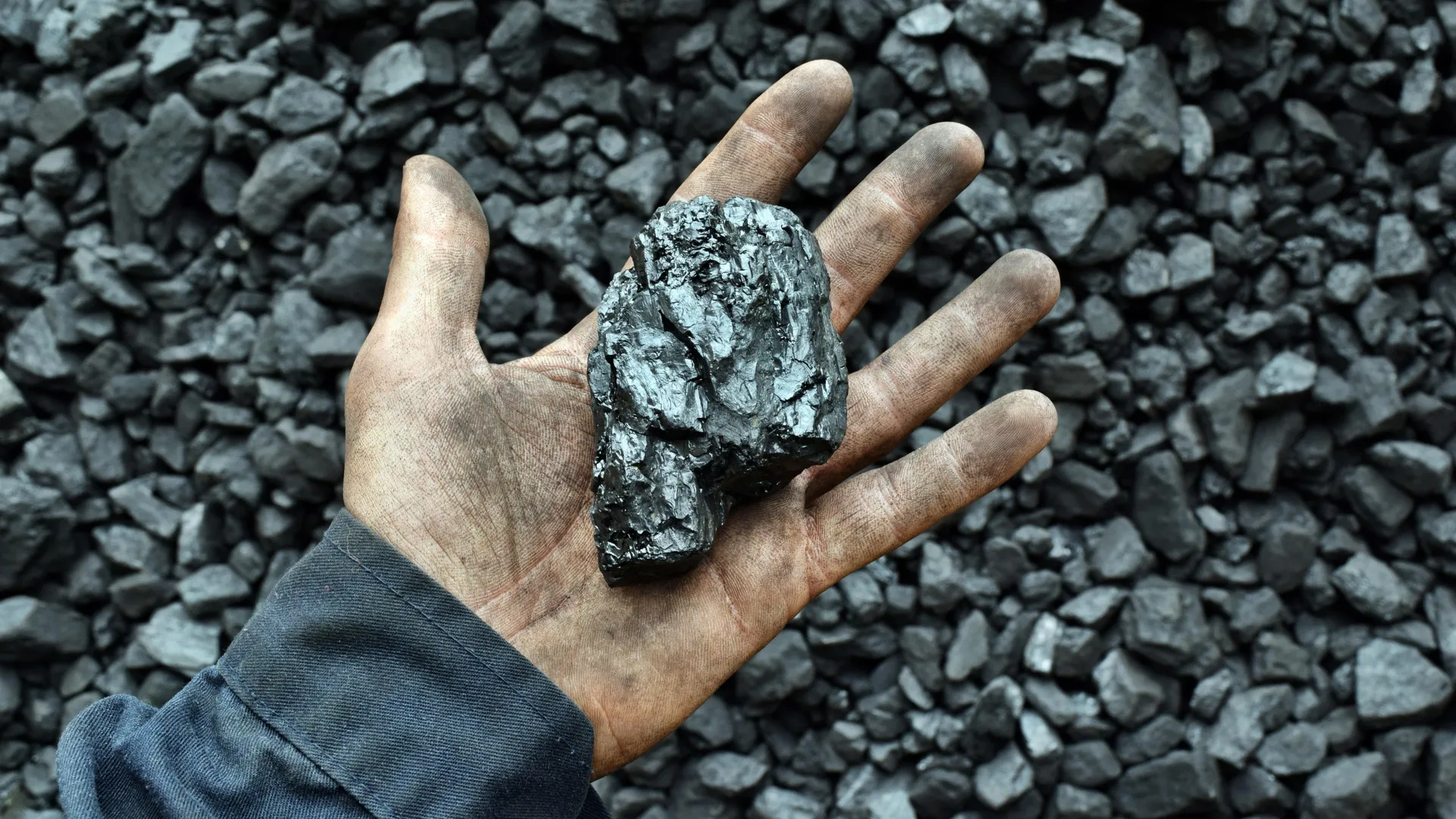
The village of Cumberland, situated in the heart of British Columbia’s Comox Valley, is currently navigating a profound transition from its historical roots as a coal-mining powerhouse to a prospective leader in renewable energy innovation. For nearly a century, the community’s identity and economy were inextricably linked to the extraction of fossil fuels. Today, however, local leaders and academic researchers are looking beneath the surface to repurpose the very infrastructure that once defined the industrial age. Through a strategic partnership with the University of Victoria-led Accelerating Community Energy Transformation (ACET) initiative, Cumberland is investigating the feasibility of a district energy system that harnesses the thermal properties of water trapped within its vast network of abandoned mine shafts.
The Industrial Legacy of the Comox Valley
To understand the significance of Cumberland’s current energy ambitions, one must first look at the scale of the industry that built the town. Coal mining operations in the region began in earnest in 1888, spearheaded largely by the Union Colliery Company. Over the subsequent eight decades, the Comox Valley became one of the most productive coal-mining regions in Western Canada. Historical records from the British Columbia Ministry of Energy and Mines indicate that approximately 16 million tonnes of coal were extracted from the area before the final mine ceased operations in the late 1960s.
During its peak, Cumberland’s coal was a global commodity. Transported via rail to the shipping wharves at Union Bay, the high-grade bituminous coal fueled the steamships of the Royal Navy, powered the burgeoning industrial sectors of Japan, and heated homes across the Pacific Northwest. However, this economic prosperity came with a high human and environmental price. The mines were the site of numerous disasters and chronic respiratory illnesses among workers, and the carbon legacy of the extracted fuel continues to impact the global climate. When the industry collapsed due to the rise of oil and natural gas, Cumberland was left with a stagnant economy and a landscape riddled with "relics of extraction"—a term often used by local geologists to describe the hundreds of kilometers of flooded tunnels that sit silently beneath the village streets.
The Science of Mine Water Geothermal Energy
The proposed Cumberland District Energy project does not rely on traditional "high-enthalpy" geothermal energy, which requires drilling deep into the earth’s crust to reach volcanic heat. Instead, it utilizes "low-enthalpy" geothermal technology, which focuses on the stable temperatures found in flooded underground mines.
According to technical briefs from the ACET initiative, water trapped in deep mine workings maintains a relatively constant temperature year-round, typically ranging between 10 and 15 degrees Celsius in the Pacific Northwest. This temperature is significantly warmer than the ambient air in the winter and cooler than the air in the summer. By utilizing industrial-scale heat pumps, the village can extract thermal energy from this water to provide heating for buildings during the colder months. Conversely, the system can be reversed in the summer, using the cool mine water as a heat sink to provide energy-efficient air conditioning.
Zachary Gould, the project lead for ACET, emphasizes that this approach acts as a massive ground-source heat exchanger. Because the mine tunnels are flooded, they contain billions of liters of water that possess high thermal mass, providing a far more consistent and accessible energy source than standard air-source heat pumps. The efficiency of such systems is often measured by a Coefficient of Performance (COP); mine water systems frequently achieve a COP of 3.0 or higher, meaning for every unit of electricity used to run the pumps, three units of thermal energy are delivered to the consumer.
Mapping the Underground Frontier
The transition from a theoretical concept to a functional utility requires precise geological and engineering data. Cumberland geologist Cory MacNeill and other experts have spent years analyzing historical mine maps—some dating back to the 19th century—to determine the exact volume and flow of the water within the tunnels. These mapping efforts have revealed that the tunnels extend beneath a significant portion of the town’s residential and commercial core, providing a ready-made distribution network for thermal energy.
The research has identified several key "portals" or entry points where the water is most accessible. These locations are being prioritized for the initial pilot phases of the project. Initial feasibility studies suggest that the thermal capacity of the flooded mines could potentially support the heating and cooling needs of several large-scale municipal and commercial developments, reducing the community’s reliance on the provincial electrical grid and fossil fuel-based heating.
Strategic Implementation and Civic Redevelopment
Mayor Vickey Brown has emerged as a primary advocate for the project, viewing it as a critical component of Cumberland’s long-term sustainability strategy. The village is currently planning a major redevelopment of its civic lands, a two-block area that includes the municipal office, council chambers, public works facilities, and a popular recreation center. This site sits directly above former mine workings, making it an ideal candidate for a geothermal pilot project.
"We are looking at how we can reduce the costs of critical infrastructure while providing essential amenities for our residents," says Gould. By integrating the district energy system into the civic redevelopment, Cumberland aims to lower long-term operational costs for taxpayers and provide a proof-of-concept that can be scaled to other parts of the village.
Beyond municipal buildings, the project holds significant promise for the industrial zone located near Comox Lake. This area has been identified as a potential hub for businesses that require intensive temperature control, such as commercial greenhouses, food processing plants, and data centers. By offering low-cost, low-carbon heating and cooling, Cumberland could attract new industries, diversifying an economy that is currently heavily dependent on tourism and outdoor recreation.
Comparative Success in Other Mining Communities
Cumberland is not the first community to recognize the value of its flooded mines. The village’s plan draws inspiration from successful implementations in both Canada and Europe.
In Springhill, Nova Scotia, a former coal-mining town has been using mine water to heat and cool industrial buildings since the late 1980s. The Springhill project is widely cited as a global success story, demonstrating that mine water geothermal systems can operate reliably for decades with minimal maintenance. Similarly, in Nanaimo, British Columbia, Vancouver Island University utilizes water from the abandoned Wakesiah Mine to heat its campus buildings, resulting in a significant reduction in greenhouse gas emissions.
The European Union has also invested heavily in "Minewater 2.0" projects in regions like Heerlen, the Netherlands. These international examples provide a roadmap for Cumberland, offering data on system longevity, water chemistry management, and the economic benefits of transitioning from extractive to regenerative energy.
Economic and Environmental Implications
The environmental benefits of the Cumberland District Energy project are clear: it offers a path toward decarbonizing the building sector, which is one of the largest sources of emissions in British Columbia. However, the economic implications are equally compelling. As carbon taxes continue to rise and the cost of traditional energy remains volatile, a community-owned geothermal utility could provide price stability for residents and businesses.
Furthermore, the project addresses the "energy poverty" often found in aging rural communities. By integrating the system into proposed affordable housing developments, the village can ensure that low-income residents have access to efficient heating and cooling, which is increasingly vital as the region faces more frequent and intense summer heatwaves.
Community Reception and the Path Forward
The shift in community sentiment regarding Cumberland’s mining legacy is palpable. While a 2011 proposal for a new coal mine near Union Bay met with fierce local opposition due to environmental concerns, the geothermal project has been met with widespread curiosity and support.
Historian Dawn Copeman notes that this project allows the community to honor its past without being tethered to it. "It’s a way to use the ruins of extraction as a foundation for something positive," she observes. This sentiment is echoed by local residents who see the project as a way to maintain the village’s unique historical character while embracing modern environmental standards.
The next steps for the project involve detailed engineering assessments and the development of a robust business case, supported by the academic expertise of the ACET initiative. As a small municipality with a population of approximately 4,800, Cumberland lacks the internal resources to fund such a massive undertaking alone. The partnership with the University of Victoria and potential grants from provincial and federal "Green Infrastructure" funds will be essential for moving from the feasibility stage to construction.
Conclusion: A Model for Resilient Communities
Cumberland’s journey from a coal-dependent town to a potential geothermal innovator serves as a powerful case study for rural communities across North America. It demonstrates that the infrastructure of the past, even when associated with environmental degradation, can be reimagined to serve the needs of the future.
By leveraging the "waste" of the coal era, Cumberland is not just seeking to lower its carbon footprint; it is seeking to build a more resilient and self-sufficient economy. As Mayor Brown suggests, the project represents a shift in how humans interact with natural and industrial systems. Rather than simply extracting resources until they are depleted, Cumberland is learning to work with the legacy of its landscape to provide a sustainable foundation for generations to come. The success of the Cumberland District Energy project could provide a blueprint for hundreds of other former mining towns, proving that there is indeed life—and energy—after coal.




















Leave a Reply