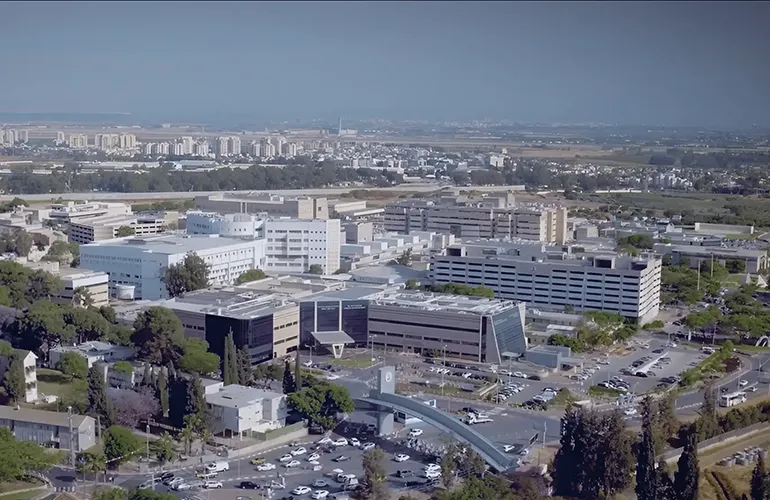
FUJIFILM Biotechnologies, a prominent contract development and manufacturing organization (CDMO), is currently experiencing an unprecedented period of expansion, marked by a formidable $7 billion investment in new facilities and upgrades across its United States and European operations. This aggressive growth strategy is underpinned by a forward-thinking approach to operational efficiency, technological integration, and a distinct corporate culture championed by its Chief Operating Officer, Maja Herold Pedersen. Her transition from Chief Quality Officer to Chief Technology Officer and now COO underscores a strategic pivot towards embedding quality principles deeply within operational excellence, particularly in the burgeoning field of artificial intelligence.
A Global Expansion Underway: Bolstering Biologics Capacity
The centerpiece of FUJIFILM Biotechnologies’ ambitious expansion is the state-of-the-art $3.2 billion facility in Holly Springs, North Carolina. The first phase of this colossal site became operational in September 2025, significantly boosting the company’s capacity for large-scale cell culture manufacturing. A second phase is already slated for completion around 2028, further solidifying the facility’s role as a critical hub in the global biologics supply chain. The choice of North Carolina is strategic, as the region, often referred to as "BioPharm Crescent," has emerged as a leading biomanufacturing cluster, offering a skilled workforce, robust infrastructure, and a supportive ecosystem for pharmaceutical innovation. This investment reflects the escalating demand for advanced biopharmaceutical manufacturing capabilities, particularly for complex biologics which represent a growing share of new drug approvals.
Beyond the United States, FUJIFILM Biotechnologies is simultaneously strengthening its European footprint. In Denmark, the company is expanding its Hillerød campus, adding eight new 20,000-liter bioreactors and two additional downstream processing streams. This expansion addresses the growing European market for biologics manufacturing and enhances FUJIFILM Biotechnologies’ ability to serve a diverse client base across the continent. Early 2026 also saw the opening of the United Kingdom’s largest single-use CDMO facility at Teesside. Single-use technology is a critical innovation in biomanufacturing, offering advantages in flexibility, reduced cross-contamination risks, and faster turnaround times for different products, which is particularly valuable for accelerating drug development and manufacturing timelines.
Complementing these large-scale biologics facilities, the sister subsidiary FUJIFILM Cellular Dynamics is also making significant strides in advanced therapies. In May 2026, it unveiled a new induced pluripotent stem cell (iPSC) manufacturing headquarters in Madison, Wisconsin. This $200 million investment is projected to roughly quadruple the company’s cell-production capacity. iPSCs are foundational to the rapidly evolving fields of cell and gene therapy, offering unparalleled potential for regenerative medicine, disease modeling, and drug discovery. This expansion positions FUJIFILM Cellular Dynamics at the forefront of this cutting-edge therapeutic area, addressing the increasing need for scalable and high-quality cell manufacturing for clinical and commercial applications. The combined investments across these sites underscore FUJIFILM’s commitment to becoming a comprehensive global leader in biopharmaceutical manufacturing, covering a wide spectrum from traditional biologics to advanced cellular therapies.
The kojoX Framework: Unifying a Global Network
Central to connecting and optimizing this expansive network of facilities is FUJIFILM’s modular bioproduction model, known as kojoX. The name itself is a blend of the Japanese word "kojo," meaning both "improvement" and "factory," combined with "X" to signify exponential scale. kojoX represents a sophisticated strategy for standardization across the company’s global sites. This framework ensures consistent equipment, processes, and quality systems, allowing a validated drug substance process developed at one site to be seamlessly transferred to an equivalent manufacturing line anywhere else in the network.
The implications of kojoX are profound for efficiency and speed in biopharmaceutical development. By standardizing operations, FUJIFILM Biotechnologies can significantly compress technology transfer timelines, a process that traditionally can be lengthy and complex. Furthermore, this standardization facilitates more streamlined regulatory submissions, as authorities are more likely to approve processes that demonstrate consistent control and predictability across multiple sites. In an industry where speed to market can be a critical competitive advantage and directly impact patient access to life-saving medicines, kojoX serves as a strategic enabler, enhancing operational agility and reducing the inherent risks associated with multi-site manufacturing. It fosters a ‘plug-and-play’ environment for biomanufacturing, which is particularly attractive to clients looking for reliable, repeatable, and scalable production solutions.
From Quality Assurance to Operational Leadership: Maja Herold Pedersen’s Vision
At the helm of this transformational period is Maja Herold Pedersen, whose unique career trajectory offers a distinct perspective on managing growth and innovation in a highly regulated industry. Pedersen transitioned into the Chief Operating Officer role in September 2025, following impactful tenures as Chief Technology Officer and, prior to that, Chief Quality Officer. This progression from quality to technology to operations is unconventional yet strategically insightful, demonstrating a deep understanding of the intricate balance between regulatory compliance, technological advancement, and efficient execution.
Pedersen’s appointment as COO by CEO Lars Petersen, who knew her leadership style, speaks volumes about the company’s emphasis on a holistic, patient-centric approach. "Lars Petersen, our CEO, knew me from before and knows how I lead. He knows that I push the boundaries," Pedersen stated in a recent interview. Her philosophy extends beyond the confines of any single department: "I’ve never been a quality-function-only leader. I’ve always looked at the whole picture of how we get medicine to patients. It doesn’t matter whether I’m wearing a quality hat or some other hat, we need to make this work for patients in the end." This perspective is crucial in the CDMO sector, where the ultimate goal is not just manufacturing, but enabling client partners to deliver safe and effective therapies to patients efficiently. Her background as Chief Quality Officer provides an invaluable foundation, ensuring that innovation and speed never compromise the rigorous standards required for pharmaceutical products. This integrated viewpoint, rooted in quality but applied across operations, positions FUJIFILM Biotechnologies to navigate complex challenges, particularly the integration of advanced technologies like AI, with a steadfast commitment to patient safety and product integrity.
Pedersen’s initial foray into quality and regulatory roles was serendipitous yet profoundly impactful. Upon completing her master’s degree, she faced a choice between a PhD in research or a role at Unomedical involving international travel to train a manufacturing facility in using TrackWise. "It was a difficult choice, because I loved the science, but the thought of traveling, getting out, meeting people and forming relationships was also really attractive," she recalled. Choosing the latter, she quickly found fulfillment: "That was my entrance into quality and regulatory, not knowing what it even was, what GMP even was. But I soon came to enjoy it so much, because it just makes perfect sense to me to work that way. The difference we make in this industry to people becomes extremely evident." Her early involvement in patient advocacy groups through her regulatory work further cemented her patient-first philosophy, providing a tangible connection to the impact of pharmaceutical quality on individuals’ lives. This direct exposure to patient needs has evidently shaped her approach to leadership, driving her to continually seek ways to expedite the delivery of medicines without compromising essential standards.
Navigating the AI Frontier in Biopharma
One of Pedersen’s most significant mandates as COO is to lead FUJIFILM Biotechnologies’ charge into the realm of artificial intelligence, moving beyond isolated pilot projects to full-scale production across its global network. The challenge is substantial, given the highly regulated nature of the pharmaceutical industry, where every process must be meticulously validated and verified to ensure consistent product quality and patient safety.
The Challenge of Regulation and the Need for Speed
Pedersen acknowledges the inherent tension between rapid AI adoption and regulatory requirements. "Everyone we talk to right now has an eagerness about how we make use of it, how we really apply it where it makes extra sense in our industry," she notes. "And there’s a significant barrier, of course, because we’re such a regulated industry, rightfully so, and we need to be able to demonstrate that we make the same medicine every time." The conventional wisdom in pharma often dictates caution, leading to delays in adopting new technologies. However, Pedersen argues against this inertia, stating, "In this industry, we have a tendency to think we can’t really do it, because we can’t validate it and we can’t verify it. There’s some truth to that. It’s not old enough yet. However, that shouldn’t hold us back. On the contrary, it should make us move faster, and we can apply a human check before we let something go. Let’s make use of it up to the point where a human brain really needs to go in and make the assessment." This pragmatic approach emphasizes augmenting human capabilities with AI, rather than fully replacing them, ensuring a safety net within the regulated environment.
Proactive AI Adoption: GenkiBot
Recognizing the inevitability of AI adoption and the risks associated with employees using external, unsecured tools, Pedersen proactively initiated the development of an in-house AI solution. "At the time, when I was really hammering on this, we didn’t have a ChatGPT under our roof. And I knew that if we didn’t build it, people would start using the other one anyway," she explains. This led to the creation of "Genki," or "GenkiBot," a proprietary ChatGPT-like system operating under the company’s robust security umbrella. The name "Genki," a Japanese word associated with enthusiasm and positivity, reflects the company’s optimistic outlook on AI’s potential. By providing a secure, internal platform, FUJIFILM Biotechnologies ensures data integrity and confidentiality, addressing a primary concern in the pharmaceutical industry.
Practical Applications: Streamlining Deviation Management
One of the most immediate and impactful applications of GenkiBot has been in streamlining deviation management, a notoriously time-consuming and labor-intensive process in manufacturing. The AI-powered tool now assists in writing deviations, coaches Subject Matter Experts (SMEs) on adherence to norms, and helps identify root causes by analyzing data beyond conventional explanations. For instance, instead of repeatedly attributing deviations to "human error," the AI can sift through process data, sensor readings, and historical records to pinpoint underlying systemic issues, equipment malfunctions, or environmental factors. This not only accelerates the resolution of issues but also drives continuous process improvement. While the current adoption rate among users doing deviations is around 50%, Pedersen’s ambition is to achieve 100%, emphasizing that AI adoption is not optional but a necessary adaptation for the future.
The "Set It Free" Philosophy for Scaling AI
Pedersen’s approach to scaling AI agents within a regulated space is notably unconventional and indicative of her "boundary-pushing" philosophy. Instead of strictly boxing in AI tools, she advocates for a strategy of "setting them free" to foster rapid innovation. "I’m a big believer that scaling only follows the actual speed if we set it free," she asserts. This means empowering every individual with the ability to "code" or develop AI agents, much like the widespread use of macros in Excel in earlier eras.
This democratization of AI development creates a broad "funnel" of potential agents. While not all will be suitable for critical GMP (Good Manufacturing Practice) decisions, the increased volume of experimentation and development ultimately leads to a higher quality selection of agents that can then be rigorously verified and integrated into controlled environments. "The bigger the funnel we have of agents being coded, the better the quality of the selected variety of agents we’ll have at the end, which we can then take into a more controlled environment," Pedersen explains. This playful yet strategic approach, while perhaps contradictory to traditional pharma caution, aims to accelerate the discovery of truly transformative AI applications within the company.
Future AI Horizons: Transforming Tech Transfers
Looking ahead, FUJIFILM Biotechnologies is eyeing the application of AI to complex processes like technology transfers. When a new product needs to be brought into a facility, it involves transferring vast amounts of data, organizing it into specific sequences, generating numerous documents, and getting the process up and running efficiently. Pedersen envisions AI agents that can "grab it, take it, organize it and put it into use," automating much of this tedious manual work. This would drastically reduce the time and resources currently expended on tech transfers, further accelerating drug development and manufacturing timelines, aligning perfectly with the kojoX model’s objectives.
Empowering the Workforce: The 9 People Fundamentals
The aggressive pursuit of technological innovation and operational efficiency at FUJIFILM Biotechnologies is inextricably linked to its unique organizational culture, encapsulated in the "9 People Fundamentals." This framework is built on the belief that empowering individuals to make decisions at their optimal level unleashes immense energy and potential.
Pedersen articulates this philosophy by likening the organization to a biological organism: "If we look at it a bit like a body, like an organism, we have our brain, and then we have numerous cells out in the body, and they actually work very well individually." While a central "brain structure" ensures overall alignment, the core idea is to move away from excessive hierarchy and bureaucratic processes that stifle individual initiative. "The immediacy of what each individual can do when they’re set free, that’s what we need in the future. Biopharma is becoming so complex that we can no longer wait for these tedious decision paths. We really need to be able to move fast, but still within a good structure," she emphasizes.
The 9 People Fundamentals encompass principles like leading people, managing processes, being your full self, empowerment, and accountability. These elements are designed to foster an environment where employees feel they possess the knowledge and authority to make critical decisions. This empowerment, however, comes with a corresponding increase in accountability. "Empowerment is amazing, right? It gives you this wide variety of ways you can move, but it also holds you very accountable for what you’re doing and the moves you make," Pedersen notes.
To cultivate this mindset, the company is rolling out a "Leaders for Life" cohort for all its leaders. This program delves into self-awareness, reaction patterns, and their impact on the surrounding environment. This investment in leadership development is crucial for ensuring that the freedom granted by empowerment is exercised responsibly and effectively. "Being empowered doesn’t come for free, quite the opposite. But it’s an amazing place to be, and we’re getting good feedback on it, so I’m not alone in thinking that," Pedersen concludes, highlighting the positive reception to this challenging yet rewarding cultural shift. This culture of empowered accountability is fundamental to enabling the rapid, agile adoption of AI and other innovations that Pedersen champions.
Implications and Outlook
FUJIFILM Biotechnologies’ multi-billion-dollar expansion, coupled with its innovative kojoX framework, proactive AI strategy, and unique "9 People Fundamentals" culture, positions it as a significant force in the global CDMO landscape. The strategic investments in large-scale biologics, single-use technologies, and advanced iPSC manufacturing capabilities directly address the escalating demands of the biopharmaceutical industry for increased capacity, efficiency, and speed.
Maja Herold Pedersen’s leadership exemplifies a modern approach to managing complex biomanufacturing operations. Her journey from quality to operations, combined with her drive to "push boundaries" and embrace AI, signals a broader industry trend towards integrating quality by design with operational agility and technological innovation. The company’s internal GenkiBot and its "set it free" approach to AI development offer a compelling model for how regulated industries can safely and effectively harness emerging technologies, transforming challenging processes like deviation management and tech transfers.
The emphasis on empowering individuals through the "9 People Fundamentals" is not merely a cultural initiative but a strategic imperative. In a rapidly evolving industry, decentralized decision-making and high accountability are essential for responsiveness and innovation. By fostering such an environment, FUJIFILM Biotechnologies aims to attract and retain top talent, ensuring that its workforce is as agile and forward-thinking as its technology.
Ultimately, FUJIFILM Biotechnologies’ comprehensive strategy points towards a future where biopharmaceutical manufacturing is faster, more efficient, more reliable, and ultimately, more accessible to patients globally. By integrating massive capacity expansion with advanced technology adoption and a progressive corporate culture, the company is not just responding to industry needs but actively shaping the future of biologics and advanced therapy manufacturing.