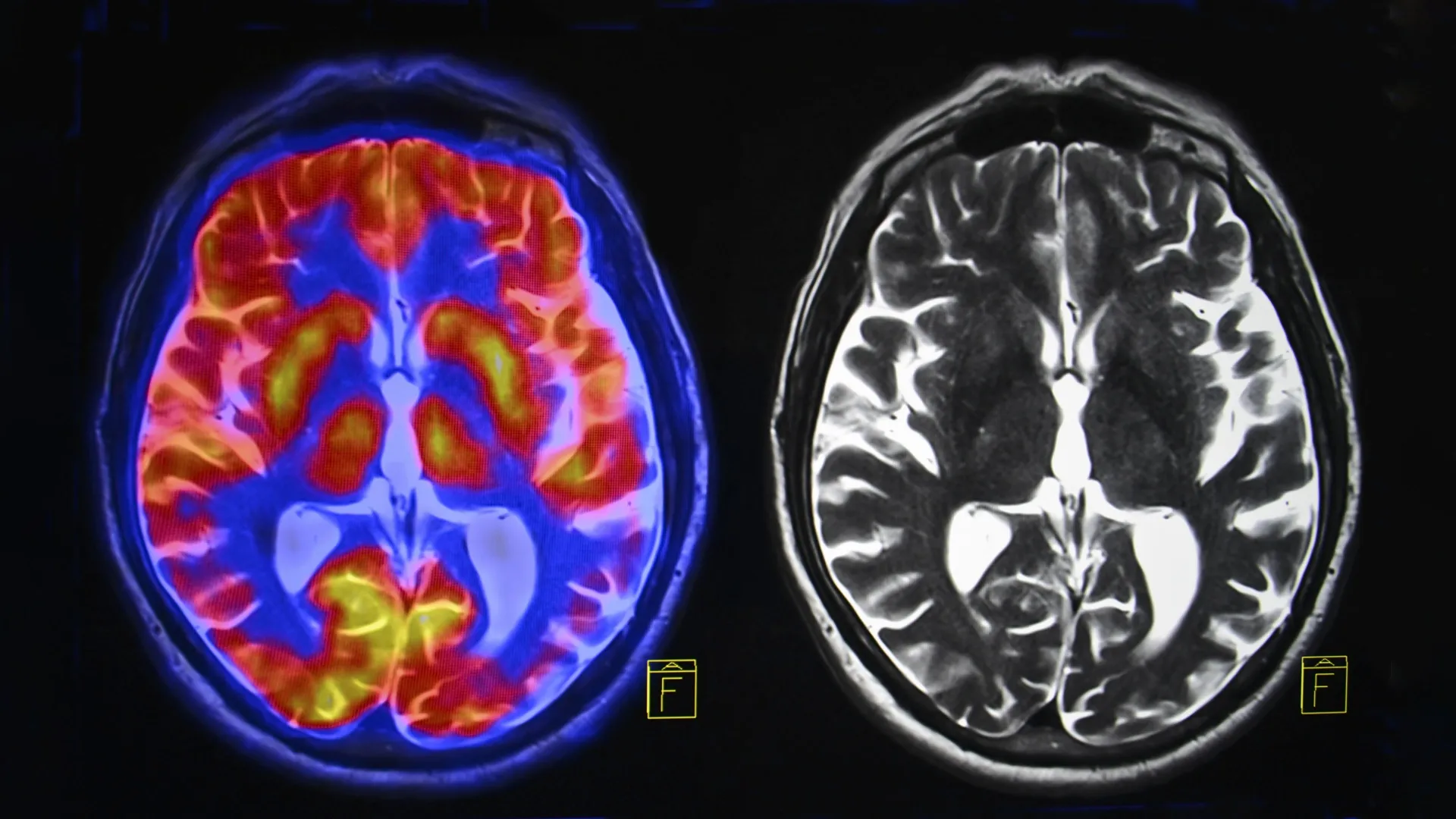
A landmark study published in the journal Nature Neuroscience has unveiled a fundamental shift in the scientific understanding of Autism Spectrum Disorder (ASD), suggesting that the condition is not a single entity but a collection of distinct biological subtypes. Conducted by an international consortium of researchers, the study utilized advanced functional magnetic resonance imaging (fMRI) and genetic modeling to identify at least two clear biological "signatures" of autism. These subtypes are defined by diametrically opposed patterns of neural communication: one characterized by excessive connectivity (hyperconnectivity) and the other by significantly reduced connectivity (hypoconnectivity).
The implications of this discovery are profound, potentially ending decades of clinical uncertainty regarding the vast variability in autism symptoms and responses to treatment. By linking these brain patterns to specific molecular pathways—namely synaptic function and immune system activity—the research provides a roadmap for the development of precision medicine tailored to the individual biological profile of each patient.
The Bifurcation of the Spectrum: Understanding Hyper- and Hypoconnectivity
For years, clinicians have struggled with the "spectrum" nature of autism, where two individuals with the same diagnosis might exhibit entirely different behavioral and cognitive profiles. The research, co-led by the Istituto Italiano di Tecnologia (IIT) in Rovereto, Italy, and the Child Mind Institute in New York, sought to determine if this behavioral diversity was rooted in underlying neurobiology.
The study’s analysis of brain scans from nearly 1,000 individuals with autism revealed a stark split. Approximately 25% of the total study population could be categorized into one of two specific connectivity groups.
The first group exhibited hypoconnectivity, a state where different regions of the brain communicate less frequently or less efficiently than in neurotypical individuals. This pattern was strongly associated with genes responsible for synaptic development and maintenance. Synapses are the essential junctions through which neurons exchange signals; disruptions in these pathways can hinder the brain’s ability to process and integrate information.
The second group exhibited hyperconnectivity, where brain regions showed an unusually high level of synchronized activity. This subtype was linked to immune-related biological systems. This finding aligns with emerging theories in neurobiology that suggest neuro-inflammation and immune system dysregulation may play a critical role in the development of certain forms of autism.
Bridging the Gap: The Mouse-to-Human Translation
One of the most innovative aspects of this research was its "Rosetta Stone" methodology, which bridged the gap between animal models and human clinical data. The study was coordinated by Alessandro Gozzi, PhD, director of the Center for Neuroscience and Cognitive Systems (CNCS) at IIT, and Adriana Di Martino, MD, founding director of the Autism Center at the Child Mind Institute.
The team began by examining 20 different mouse models, each engineered to represent a specific genetic risk factor associated with autism. By performing fMRI scans on these mice, the researchers were able to map how specific genetic mutations translated into macro-scale brain connectivity patterns. This allowed them to establish a biological "baseline" for what synaptic-driven or immune-driven autism looks like in the brain.
"The mouse models gave us a biological ‘Rosetta Stone,’" explained Dr. Di Martino. "We could see which biological pathways drive which connectivity signatures, then search for those same patterns in humans."
Once these signatures were identified in the animal models, the researchers turned to the Autism Brain Imaging Data Exchange (ABIDE), a massive global repository of neuroimaging data. They analyzed scans from 940 children and young adults with autism and compared them against a control group of over 1,000 neurotypical individuals. The results were striking: the same hyper- and hypoconnectivity patterns observed in the mice were clearly present in the human subjects.
Decoding the Synaptic and Immune Pathways
The research team went beyond simple imaging by performing enrichment analyses of gene expression. This process confirmed that the regions of the brain showing hypoconnectivity were the same regions where synaptic genes are most active. Conversely, the hyperconnected regions showed a high concentration of genes associated with the immune system.
This molecular-to-neural mapping is a critical step in understanding the "why" behind autism. In the case of the immune-linked subtype, the hyperconnectivity might suggest a brain that is in a state of constant over-stimulation or heightened sensitivity, which could correlate with sensory processing issues often reported by individuals on the spectrum. In the synaptic-linked subtype, the reduced communication between regions might explain challenges related to complex social interactions or language processing, which require high levels of neural integration across distant brain areas.
Data Consistency and the Role of ABIDE
A recurring challenge in neuroscience is the "reproducibility crisis," where findings from one small study fail to hold up when applied to a larger or different population. To combat this, the research team ensured their findings were validated across multiple independent datasets within the ABIDE framework.
The ABIDE initiative, co-founded by Dr. Di Martino, pools data from dozens of research centers worldwide. By finding the same two subtypes across these diverse datasets, the researchers demonstrated that these biological markers are robust and not the result of localized data anomalies.
"Finding the same subtypes reproducible across dozens of independent research sites was critical validation," noted Dr. Gozzi. This level of consistency suggests that these connectivity patterns are fundamental biological features of autism rather than incidental findings.
Clinical Significance and Severity Metrics
While the primary focus of the study was biological, the researchers also looked at how these subtypes correlated with clinical assessments. Interestingly, the two groups showed modest but measurable differences in how their autism manifested behaviorally.
Individuals in the hyperconnectivity (immune-related) group tended to score higher on standard measures of autism severity. This suggests that the biological "intensity" of hyperconnectivity may manifest as more pronounced behavioral symptoms. However, the researchers emphasized that current behavioral assessments—the gold standard for diagnosis for the last several decades—are not sensitive enough to distinguish between these biological subtypes on their own.
"Brain-based biological markers reveal distinctions that current behavioral assessments don’t fully capture," said Dr. Di Martino. This highlights a critical gap in current diagnostic practices: two children might receive the same "Level 2 Autism" diagnosis based on their behavior, yet one might require treatments targeting synaptic health while the other might benefit from strategies addressing immune system regulation.
Timeline of the Research and Collaborative Efforts
The discovery is the culmination of years of international cooperation. The timeline of the project reflects the growing complexity of modern neuroscience:
- Initial Phase (Pre-2018): Development and refinement of the 20 mouse models at the Italian Institute of Technology, focusing on high-resolution fMRI mapping of the mouse "connectome."
- Data Integration (2018–2020): Large-scale aggregation of human neuroimaging data through the ABIDE initiative and the Child Mind Institute’s clinical programs.
- Comparative Analysis (2020–2022): The critical period where mouse signatures were cross-referenced with human data. This phase involved complex computational modeling to ensure the "translation" between species was accurate.
- Validation and Gene Mapping (2022–2023): The final stage of the study involved secondary gene expression analysis to confirm the synaptic and immune links.
- Publication (2024): The findings are released in Nature Neuroscience, providing the scientific community with a new framework for ASD classification.
The Path Toward Precision Psychiatry
The identification of these two subtypes—representing roughly a quarter of the individuals in the study—is viewed as a "first step" toward a precision medicine model for autism. In other fields of medicine, such as oncology, treatments are frequently chosen based on the genetic or molecular subtype of a tumor. This study suggests that a similar approach could eventually be applied to neurodevelopmental conditions.
If a clinician can identify whether a child’s autism is driven by synaptic pathways or immune-related mechanisms through a non-invasive fMRI scan, the potential for targeted intervention increases dramatically. For example, the hyperconnectivity group might be candidates for anti-inflammatory protocols or immune-modulating therapies, while the hypoconnectivity group might respond better to neuro-rehabilitation focused on strengthening neural bridges.
However, the researchers are careful to manage expectations. They noted that these two patterns likely only scratch the surface of autism’s biological diversity. The remaining 75% of the study participants did not fall neatly into these two categories, suggesting that there are likely many more subtypes waiting to be discovered as datasets grow and analytical tools become more sophisticated.
Broad Implications and Future Directions
The study was made possible through significant funding and support from several major organizations, including the Simons Foundation Autism Research Initiative (SFARI), the European Research Council (through the #DISCONN and #BRAINAMICS projects), the Brain and Behavior Foundation, Fondazione Telethon, and the U.S. National Institute of Mental Health.
This level of institutional support underscores the perceived importance of moving the needle on autism research. For decades, the "spectrum" has been a catch-all term that, while useful for inclusivity, has sometimes hindered the development of effective medical treatments because it treated a diverse group of biological conditions as a single disorder.
Looking ahead, the research team plans to expand their investigation to identify further subtypes. They also aim to study how these connectivity patterns change over time, from early childhood into adulthood, to see if the biological signatures remain stable or evolve with age.
As the scientific community digests these findings, the focus will likely shift toward clinical trials. The goal is to move from "identifying" these subtypes to "treating" them. While a "cure" for autism remains a controversial and complex topic within the neurodiversity community, the ability to provide more effective, personalized support for those who seek it represents a significant leap forward in the field of neuroscience.
The work of Gozzi, Di Martino, and their colleagues marks the beginning of an era where the "black box" of the autistic brain is finally being opened, revealing a complex, structured, and ultimately understandable biological landscape. By grounding behavioral observations in hard molecular and neurological data, this research provides hope for a future where every individual on the spectrum can receive care as unique as their own neural architecture.