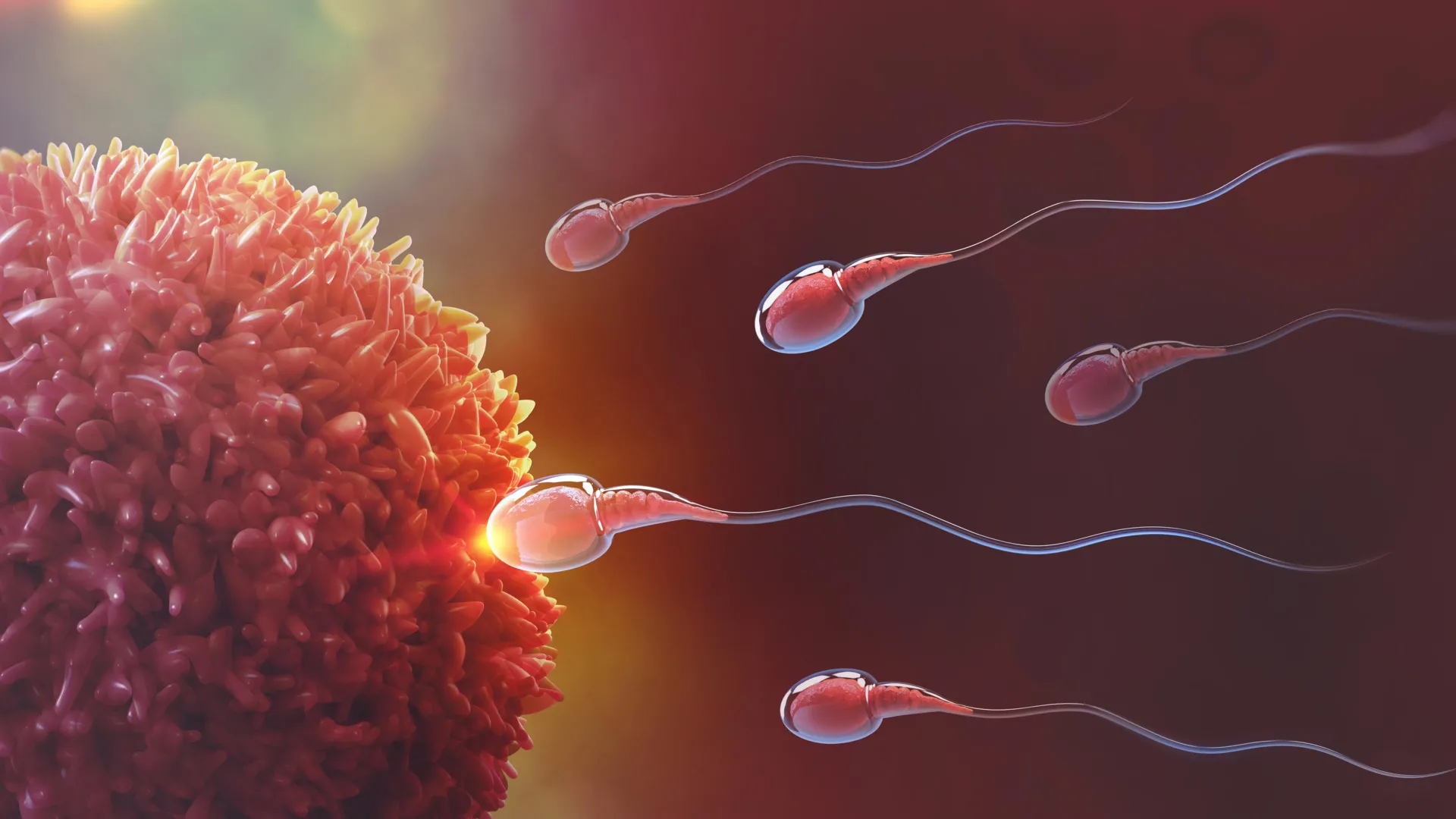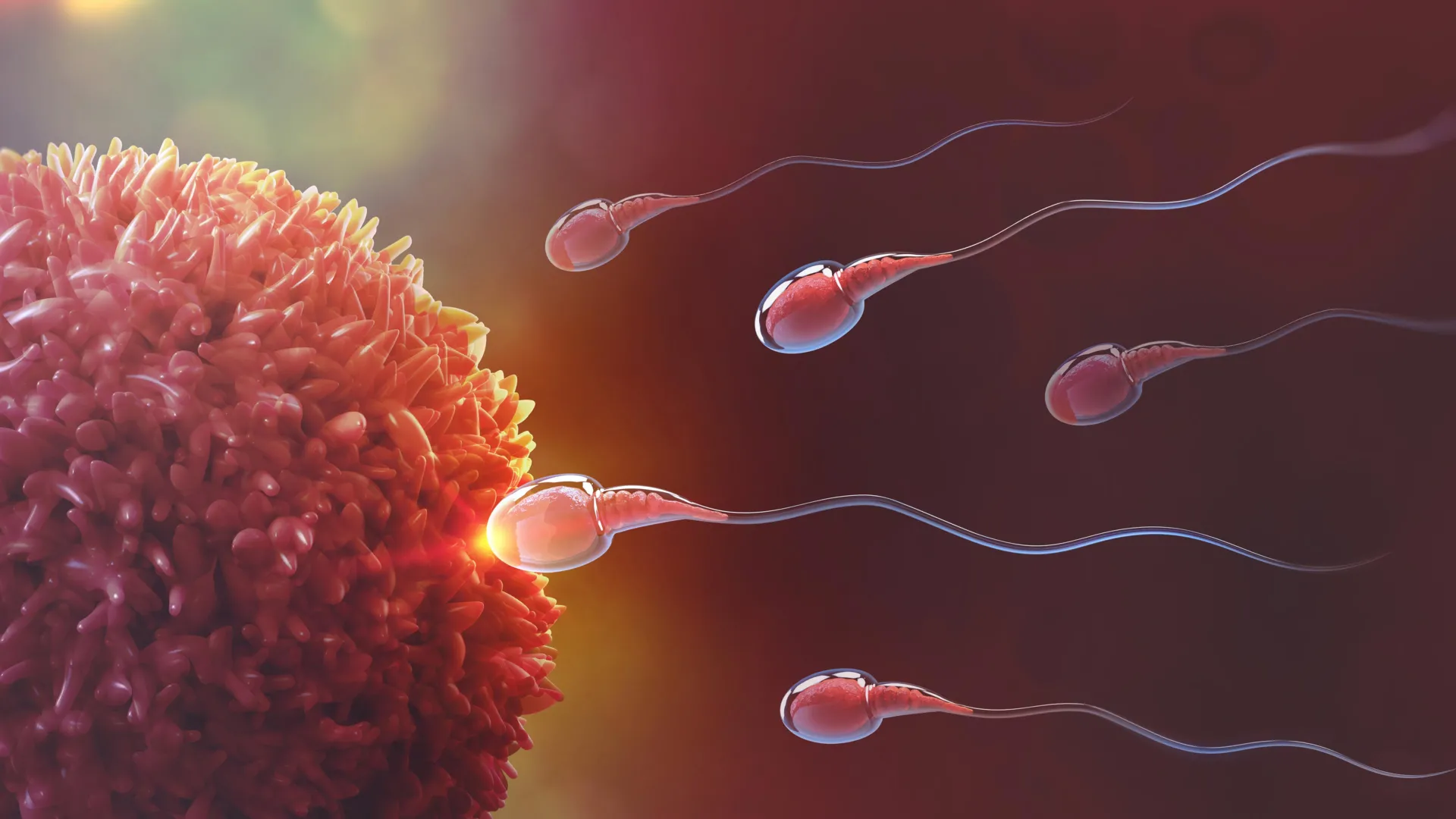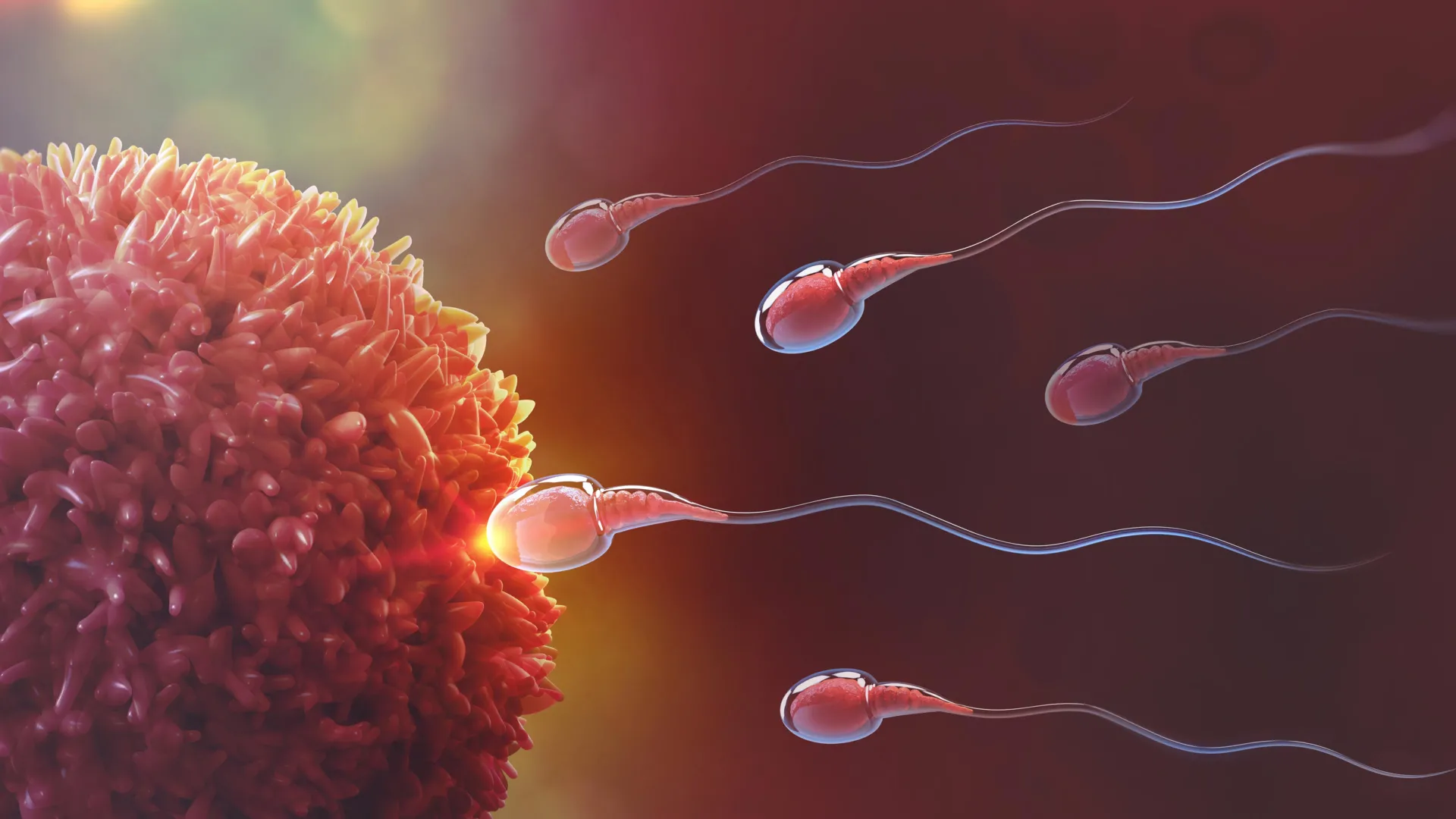
A team of scientists at Michigan State University has successfully identified a critical molecular "switch" that regulates the surge of energy sperm require to achieve fertilization. This discovery, published in the Proceedings of the National Academy of Sciences (PNAS), offers a granular look at the metabolic reprogramming that occurs within sperm cells as they transition from a dormant state to an active, high-energy state. By mapping the precise biochemical pathways that govern this transformation, the research provides a potential blueprint for revolutionary advancements in both the treatment of male-factor infertility and the development of the world’s first effective, nonhormonal male contraceptive.
The Biological Mechanics of Fertilization
Sperm metabolism is a highly specialized process, distinct from the metabolic functions of other somatic cells. While most cells manage energy to maintain homeostasis and perform various ongoing functions, a sperm cell exists for a singular, terminal objective: navigating the female reproductive tract to fertilize an oocyte. For the majority of their existence, mammalian sperm are kept in a low-energy, quiescent state within the male reproductive system. This preservation phase ensures that the cells do not exhaust their limited fuel reserves prematurely.
However, upon ejaculation and entry into the female reproductive tract, sperm undergo a dramatic physiological transformation known as capacitation. During this phase, the cells must rapidly increase their energy output to power "hyperactivation"—a state characterized by more forceful, asymmetrical tail whipping that allows the sperm to penetrate the protective layers of the egg. This surge also facilitates the remodeling of the sperm’s outer membrane, preparing it for the eventual fusion with the egg.
"Sperm metabolism is special since it’s only focused on generating more energy to achieve a single goal: fertilization," explained Melanie Balbach, an assistant professor in the Department of Biochemistry and Molecular Biology at Michigan State University and the study’s senior author. Balbach, who joined the MSU faculty in 2023, has dedicated her career to understanding the bioenergetics of reproduction, viewing sperm as an ideal model for studying how cells undergo rapid metabolic reprogramming.
Mapping the Metabolic Path: The "Pink Car" Methodology
To understand how sperm suddenly "turn on" their energy production, the research team—which included collaborators from the Memorial Sloan Kettering Cancer Center and the Van Andel Institute—developed a sophisticated method to track glucose processing. Glucose, a primary sugar found in the reproductive tract, serves as the essential fuel for this journey.
The researchers employed advanced metabolomics and mass spectrometry techniques at MSU’s specialized facilities to visualize the chemical trajectory of glucose as it entered the sperm cell and moved through various enzymatic reactions. To explain the complexity of this tracking, Balbach utilized a vivid analogy.
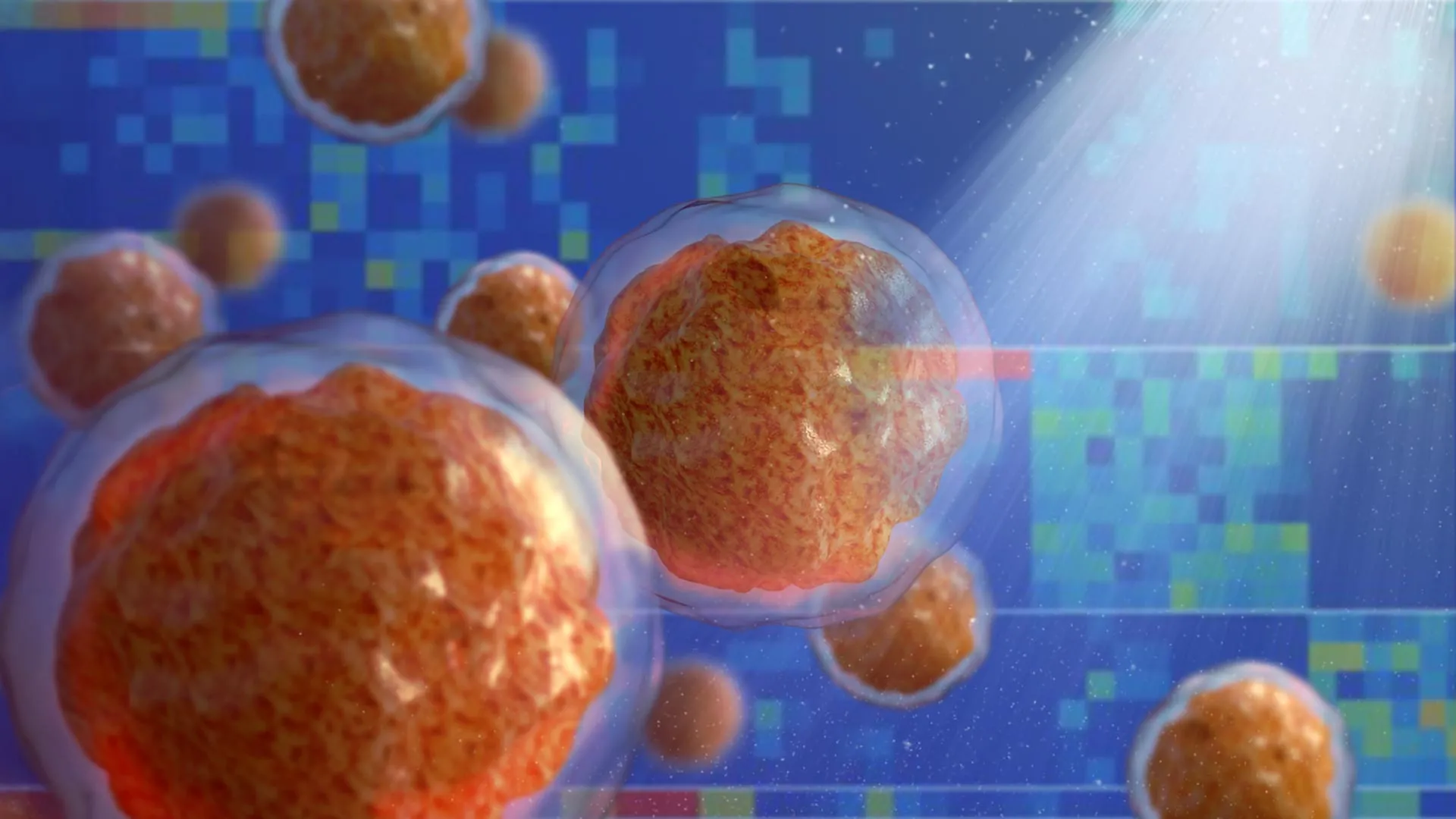
"You can think of this approach like painting the roof of a car bright pink and then following that car through traffic using a drone," Balbach said. "In activated sperm, we saw this painted car moving much faster through traffic while preferring a distinct route, and could even see what intersections the car tended to get stuck at."
By observing these "traffic patterns," the team identified that activated sperm do not merely do more of what they were already doing; they fundamentally shift their metabolic route. The researchers discovered that an enzyme called aldolase serves as a primary regulator in this process. Aldolase is a key player in glycolysis, the metabolic pathway that breaks down glucose to produce ATP (adenosine triphosphate), the universal energy currency of the cell.
The Role of Aldolase and Internal Energy Reserves
The study revealed that aldolase acts as a gatekeeper, controlling the speed and efficiency of glucose conversion into energy. When sperm are activated, aldolase activity increases, effectively opening the floodgates for energy production. Furthermore, the researchers found that sperm are not entirely dependent on external fuel sources. They carry internal energy reserves that act as a "starter motor," providing the initial burst of energy required to begin the transition before the cell fully ramps up its intake of glucose and fructose from its surroundings.
This discovery of internal reserves and specific enzymatic regulators like aldolase provides a new level of detail regarding sperm survival. It explains how sperm can maintain high levels of motility even when moving through environments where nutrient concentrations may fluctuate. For the scientific community, this identifies specific "intersections" in the metabolic pathway that can be targeted for medical intervention.
A Chronology of Discovery: From Weill Cornell to MSU
The identification of the aldolase switch is the latest milestone in a research trajectory that began during Balbach’s tenure at Weill Cornell Medicine. Previously, Balbach and her colleagues demonstrated that an enzyme called soluble adenylyl cyclase (sAC) was essential for sperm motility. They found that a single dose of an sAC inhibitor could render male mice temporarily infertile by "turning off" the sperm’s ability to swim, with the effects wearing off within hours.
This earlier work proved that targeting sperm function—rather than sperm production—was a viable strategy for contraception. Upon moving to Michigan State University in 2023, Balbach expanded this scope to look deeper into the metabolic machinery that sAC and other regulators control. The current study on glucose metabolism and aldolase provides a more comprehensive understanding of the "engine" that these previous inhibitors were effectively stalling.
Addressing the Global Crisis of Infertility
The implications of this research extend significantly into the field of reproductive medicine. Currently, infertility affects approximately one in six people globally, according to the World Health Organization. In roughly half of these cases, male-factor infertility is a primary or contributing cause.
Many current diagnostic tools for male fertility are limited to basic sperm counts and motility observations under a microscope. However, these metrics do not always explain why fertilization fails. By understanding the metabolic "switch" required for hyperactivation, clinicians may eventually be able to diagnose "metabolic infertility"—cases where sperm appear normal and mobile but lack the energetic capacity to complete the final stages of fertilization.
"Better understanding the metabolism of glucose during sperm activation was an important first step, and now we’re aiming to understand how our findings translate to other species, like human sperm," Balbach noted. This could lead to improved media for in vitro fertilization (IVF), ensuring that sperm used in assisted reproduction are optimally "fueled" for success.
The Quest for Nonhormonal Male Contraception
Perhaps the most socially significant application of this research is the development of a male contraceptive. For decades, the burden of pregnancy prevention has fallen disproportionately on women, largely through hormonal methods such as the birth control pill, injections, or implants. While effective, these methods can cause a wide array of side effects, including mood changes, weight gain, and increased risks of blood clots.
Existing male options are limited to condoms, which have a high "typical use" failure rate, or vasectomies, which are intended to be permanent and require surgery. Efforts to create a "male pill" have historically focused on suppressing testosterone to stop sperm production. However, this approach takes months to become effective, months to reverse, and often interferes with male libido and other hormonal functions.
The MSU research suggests a "precision strike" approach. By targeting the aldolase enzyme or other metabolic regulators identified in the study, scientists could develop a nonhormonal pill that is taken "on demand." This medication would not stop sperm production but would instead prevent the sperm from "switching on" their high-energy state. The result would be a temporary window of infertility where sperm are present but incapable of reaching or penetrating an egg.
"Right now, about 50% of all pregnancies are unplanned, and this would give men additional options and agency in their fertility," Balbach said. "Likewise, it creates freedom for those using female birth control, which is hormone-based and highly prone to side effects."
Broader Implications and Future Research
The study, supported by the National Institute of Child Health and Human Development, marks a shift in how reproductive biology is studied. By focusing on metabolomics—the study of small molecules and their roles in biological systems—the MSU team is bridging the gap between basic biochemistry and clinical application.
The next phase of research will involve testing these metabolic inhibitors in human sperm samples to confirm that the aldolase switch functions identically across species. If confirmed, the path toward clinical trials for a nonhormonal male contraceptive could accelerate.
Furthermore, this research contributes to the broader understanding of cellular "metabolic reprogramming," a phenomenon seen not just in sperm, but in cancer cells and immune cells as they adapt to new environments. The techniques developed at MSU to track the "pink car" through cellular traffic may eventually find applications in oncology and immunology, where understanding how a cell suddenly shifts its energy consumption is vital for developing new therapies.
As the scientific community continues to digest these findings, the work of Balbach and her team stands as a testament to the power of fundamental biochemical research to solve complex global health challenges. Whether through helping a couple conceive or providing a man with a safe, temporary way to prevent pregnancy, the discovery of the sperm’s energy switch represents a major leap forward in reproductive autonomy.