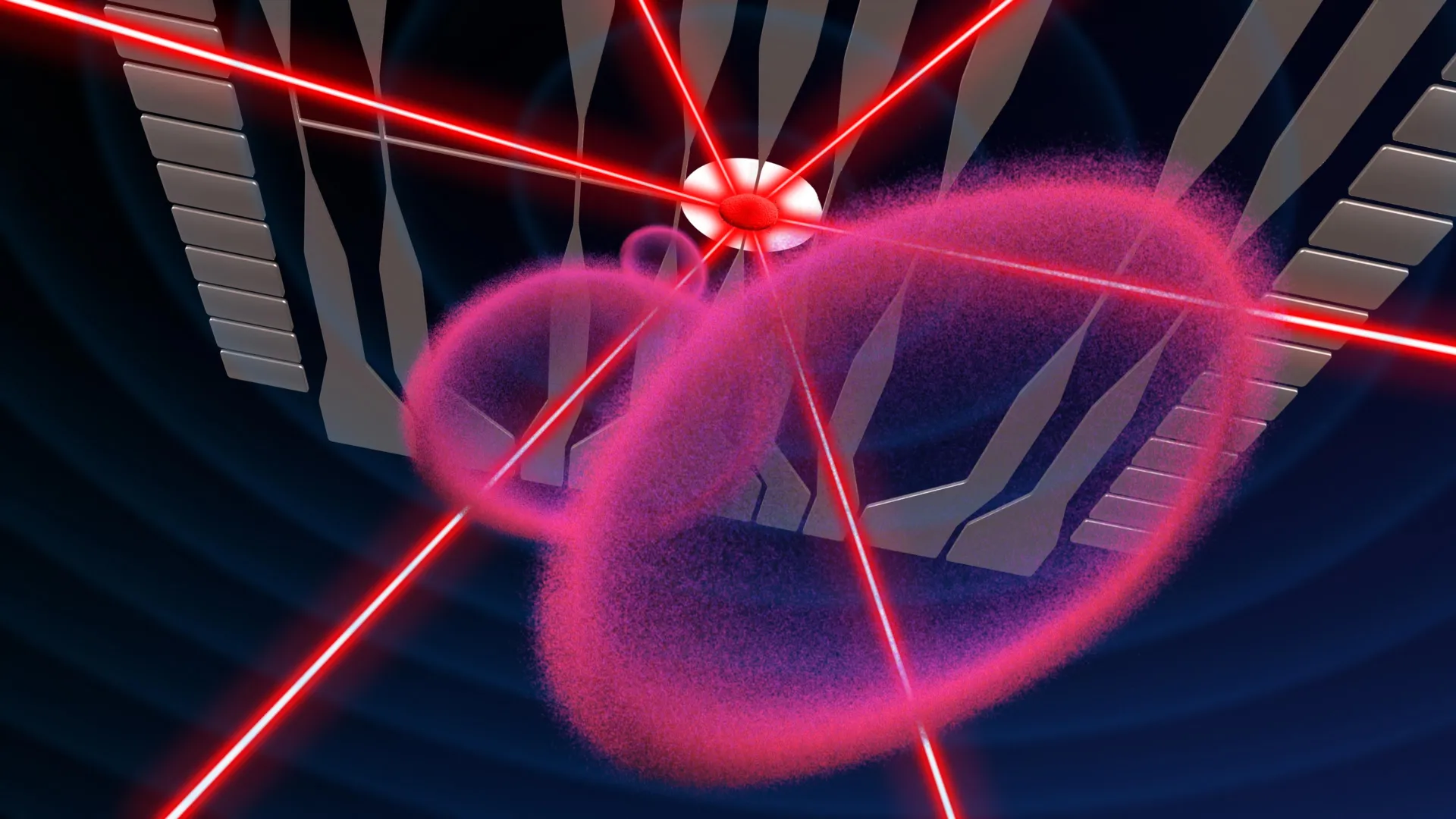
The International Space Station has reached a new milestone in the field of quantum physics as NASA’s Cold Atom Lab resumes full operations following a significant hardware upgrade. This facility, a compact yet sophisticated laboratory roughly the size of a small refrigerator, is currently the coldest known spot in the universe, enabling scientists to probe the fundamental building blocks of reality in ways that are physically impossible on Earth’s surface. By leveraging the unique microgravity environment of low Earth orbit, the Cold Atom Lab (CAL) is facilitating a "Quantum 2.0" revolution, moving beyond theoretical observation into the direct manipulation of macroscopic quantum states.
Quantum science explores the counterintuitive behavior of matter and energy at the atomic and subatomic levels. In our macroscopic daily lives, objects follow the predictable laws of Newtonian physics; however, at the scale of atoms and electrons, the universe operates under a different set of rules. Particles can exist in multiple places simultaneously (superposition), pass through solid barriers (tunneling), and exhibit wavelike characteristics. The Cold Atom Lab was designed specifically to exploit these phenomena by cooling atoms to temperatures just a fraction of a degree above absolute zero—the theoretical point where all molecular motion ceases.
The Scientific Foundation: Reaching Absolute Zero
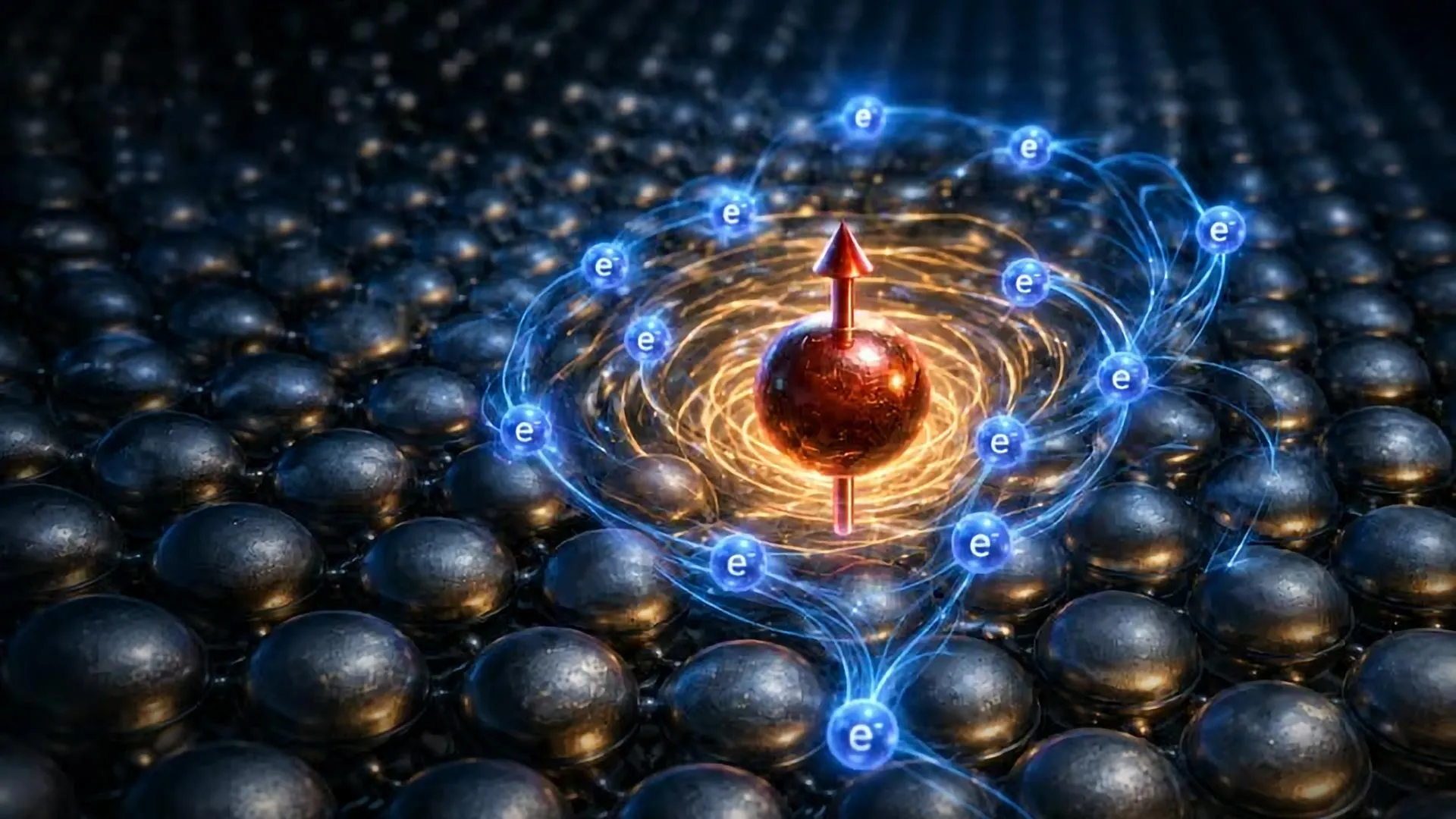
To understand the significance of the Cold Atom Lab, one must consider the extreme thermal environment it creates. The facility cools clouds of atoms, typically rubidium and potassium, to temperatures below minus 459 degrees Fahrenheit (minus 273 degrees Celsius). At these staggering depths of cold, the atoms slow down to a near-standstill, allowing them to coalesce into a single, unified quantum entity known as a Bose-Einstein Condensate (BEC).
First predicted by Satyendra Nath Bose and Albert Einstein in the 1920s and realized in a terrestrial lab in 1995, the BEC is often referred to as the "fifth state of matter." Unlike solids, liquids, gases, or plasmas, a BEC consists of thousands of atoms that begin to act as a single "super-atom" or matter wave. While these states are fragile and difficult to maintain on Earth due to the persistent pull of gravity, the microgravity of the International Space Station (ISS) allows these matter waves to expand and persist for several seconds. This extended observation window is critical for researchers attempting to measure the subtle forces of gravity and magnetism that govern the cosmos.
A Chronology of Innovation: The Cold Atom Lab Timeline
The journey of the Cold Atom Lab began long before its arrival on the orbital outpost. The project was conceived as a way to bypass the "gravity wall" that limits terrestrial quantum experiments. On Earth, once the magnetic traps holding a BEC are turned off, the atoms fall instantly due to gravity, ending the experiment in milliseconds. In space, they float, allowing for much longer periods of study.
- May 2018: The Cold Atom Lab was launched to the ISS aboard a Northrop Grumman Cygnus spacecraft (CRS-9). It was successfully installed in the Destiny Laboratory Module.
- January 2020: The first major hardware upgrade was performed. Astronauts replaced the science module to introduce an atom interferometer, a tool used to measure gravity with extreme precision.
- 2021–2022: The facility underwent series of remote software and minor hardware adjustments to expand the variety of atomic species that could be studied simultaneously.
- April 11, 2024: A highly anticipated "Science Module 3B" arrived at the ISS via a SpaceX Commercial Resupply Services mission. This module represents the most significant leap in the lab’s capabilities since its inception.
- Late 2024: Following a period of installation and calibration by the station crew and remote teams at NASA’s Jet Propulsion Laboratory (JPL), the lab officially returned to full operational status with enhanced diagnostic tools.
Technical Enrichment: The Mechanics of the 2024 Upgrade
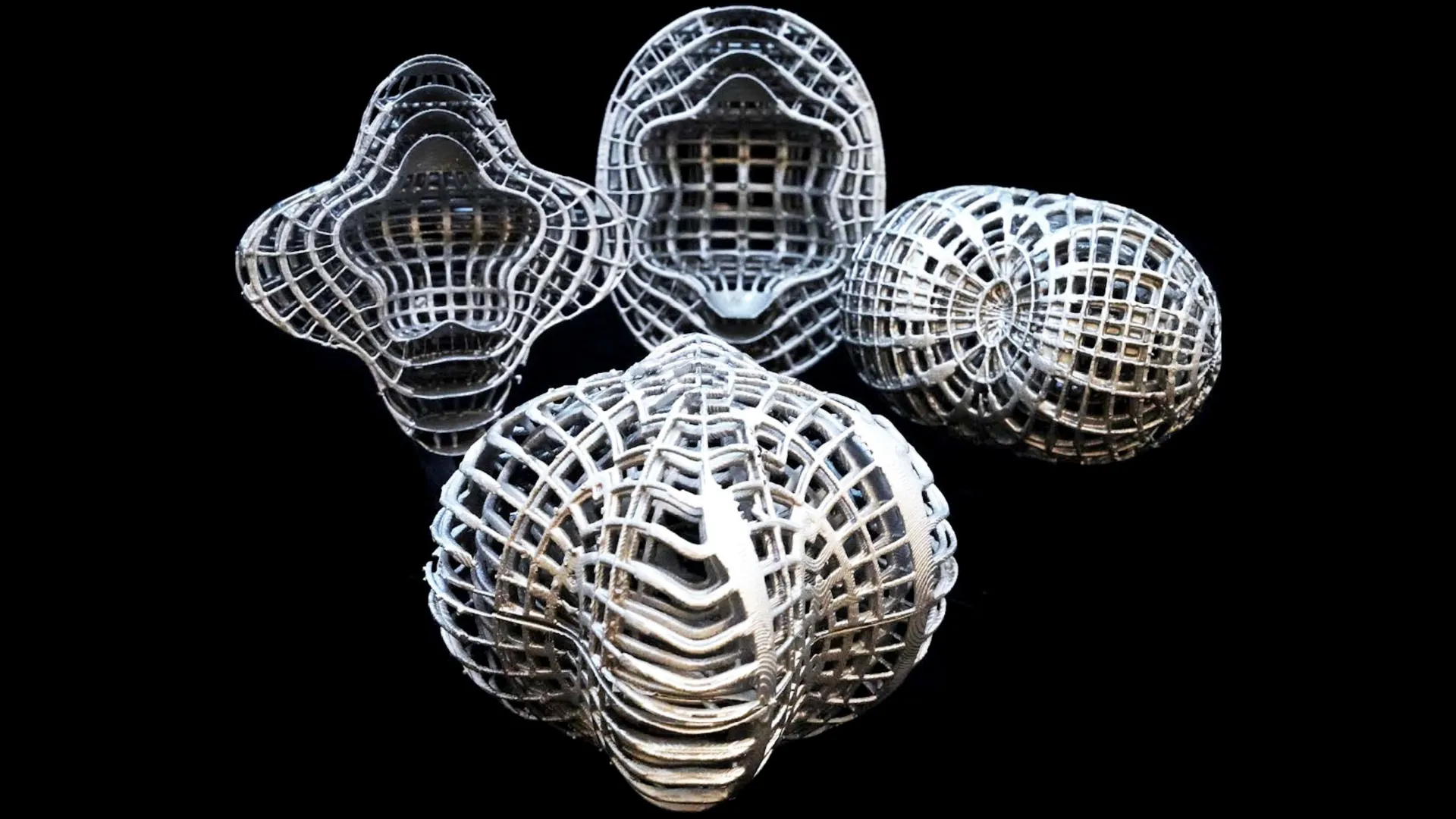
The recent upgrade is not merely a replacement of old parts but a fundamental expansion of the lab’s experimental "toolbox." At the heart of the new science module is a redesigned magnetic trap. In previous iterations, the magnetic fields used to confine the atoms were relatively static in their configuration. The new trap allows researchers to "sculpt" the quantum gas clouds into different shapes, such as shells or rings.
The ability to create a "hollow" Bose-Einstein Condensate is of particular interest to the scientific community. On Earth, gravity makes it impossible to maintain a hollow shell of atoms because the "bottom" of the shell would collapse inward. In the microgravity environment of the ISS, scientists can now study how these shells behave, providing insights into the topology of quantum fluids and potentially mimicking the conditions found in the interiors of neutron stars.
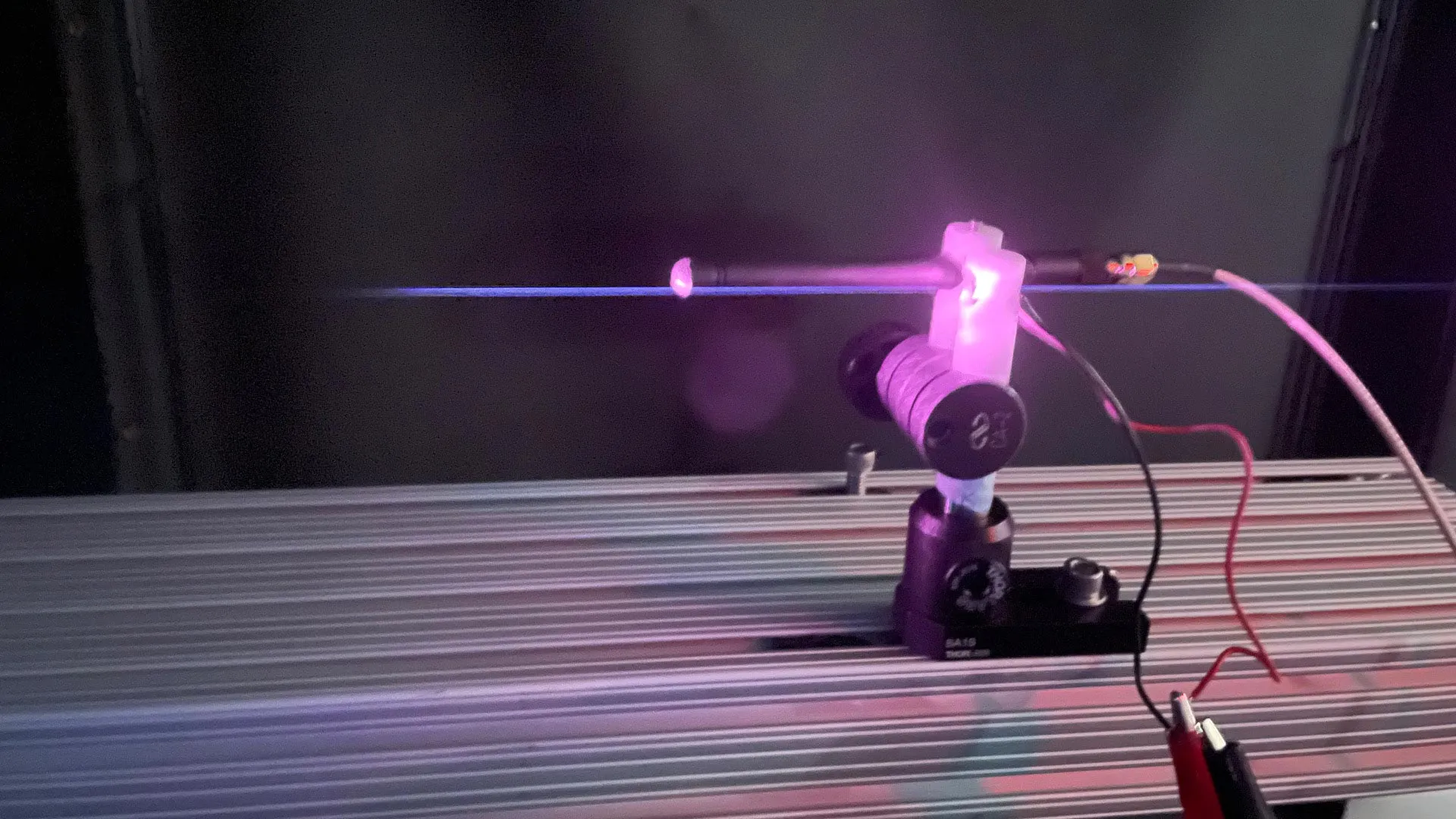
Furthermore, the upgrade included redesigned metal atom sources. During an experiment, strips of rubidium or potassium are heated to approximately 750°F (400°C) to create a vapor. This gas is then subjected to a multi-stage cooling process. First, "laser cooling" uses photons to bombard the atoms from all sides, slowing them down through radiation pressure. Then, magnetic evaporation is used to "skim off" the most energetic atoms, leaving only the coldest ones behind. The new sources provide a more consistent and higher-density flow of atoms, increasing the "signal-to-noise" ratio of the data collected.
International Collaboration and Research Objectives
The Cold Atom Lab currently serves as a multi-user facility for five primary international research teams. These teams, comprising physicists from the United States, Germany, Canada, and other nations, are investigating various facets of the quantum world:
- Fundamental Physics: Testing the equivalence principle, a cornerstone of Einstein’s General Relativity, by observing how different types of atoms fall in a gravitational field.
- Quantum Chemistry: Observing how atoms interact and form molecules at ultra-low temperatures where quantum effects dominate over thermal energy.
- Wave Interference: Utilizing matter-wave interferometry to detect tiny changes in acceleration and rotation, which could lead to ultra-precise sensors.
- Dark Energy and Dark Matter: Some theories suggest that dark energy—the mysterious force accelerating the expansion of the universe—could be detected through its interactions with atoms at the quantum level.
- Macroscopic Quantum Phenomena: Studying how quantum laws scale up to larger systems, bridging the gap between the subatomic world and our everyday reality.
Jason Williams, the project scientist for the Cold Atom Lab at JPL, emphasized the versatility of the new hardware. "The wavelike nature of matter dominates at these temperatures," Williams stated. "The lab has lots of tools—especially with this latest upgrade—to let us probe the nature of the universe in ways that were previously science fiction."
Implications for Future Technology: Quantum 2.0
The research conducted within the Cold Atom Lab is not merely academic; it has profound implications for the future of technology on Earth and in deep space exploration. Ethan Elliott, the deputy project scientist for the lab, describes this era as "Quantum 2.0." While the first quantum revolution gave us the transistor, the laser, and MRI machines, the second revolution focuses on the direct manipulation of individual quantum states.
One of the most promising applications is in the field of "Quantum Sensing." Traditional GPS relies on signals from satellites, which can be jammed or lost in deep space. A quantum sensor based on atom interferometry could allow a spacecraft to calculate its position with extreme accuracy based solely on its own internal measurements of gravity and motion. This would be essential for future crewed missions to Mars or the outer planets.
Additionally, the technology matured in the Cold Atom Lab is being used to develop more precise clocks. Atomic clocks are already the gold standard for timekeeping, but quantum-enhanced clocks could be orders of magnitude more accurate, enabling better synchronization for global telecommunications and financial networks.
Official Responses and Strategic Importance
The successful reactivation of the lab has been met with praise from NASA leadership. Kamal Oudrhiri, the project manager for Cold Atom Lab at JPL, noted that the upgrade demonstrates NASA’s commitment to maintaining United States leadership in space-based quantum technologies. "This new upgrade pushes the boundary of the quantum world even further," Oudrhiri said. He highlighted that the hardware serves as a "pathfinder" for future missions that will utilize quantum instruments for Earth science, such as mapping changes in the Earth’s ice sheets or groundwater by measuring tiny variations in the planet’s gravity field.
The project is managed by Caltech and sponsored by NASA’s Biological and Physical Sciences (BPS) division. By funding the Cold Atom Lab, BPS aims to utilize the extreme environment of space to solve terrestrial problems. The knowledge gained from these experiments is expected to contribute to the development of new materials, more efficient energy systems, and a deeper understanding of the laws that govern our existence.
Conclusion: The Coldest Frontier
As the Cold Atom Lab begins its next chapter of discovery, it stands as a testament to human ingenuity and the collaborative spirit of international science. By shrinking a room-sized physics laboratory into a compact, space-hardened module, NASA has opened a window into a realm where matter behaves more like light and where the rules of the everyday world no longer apply.
The data flowing back to Earth from the International Space Station over the coming months will likely challenge existing models of physics and provide the groundwork for technologies that will define the 21st century. In the silence and microgravity of orbit, the coldest spot in the universe is providing the hottest leads in our quest to understand the fundamental nature of reality.