


The biological mechanisms governing human reproduction rely on a sophisticated architecture of molecular checks and balances, ensuring that every stage of cellular development proceeds with precision. A multi-institutional research team in Japan, spearheaded by experts at Osaka University, has recently identified a previously unknown protein interaction that serves as a cornerstone for the healthy development of sperm cells. Published in the Proceedings of the National Academy of Sciences (PNAS), the study provides a detailed molecular map of how two specific proteins, TEX38 and ZDHHC19, collaborate to facilitate the complex structural transformations required for male fertility. This discovery not only sheds light on the fundamental biology of spermatogenesis but also opens new avenues for the diagnosis of idiopathic male infertility and the development of non-hormonal male contraceptives.
The Molecular Complexity of Spermiogenesis
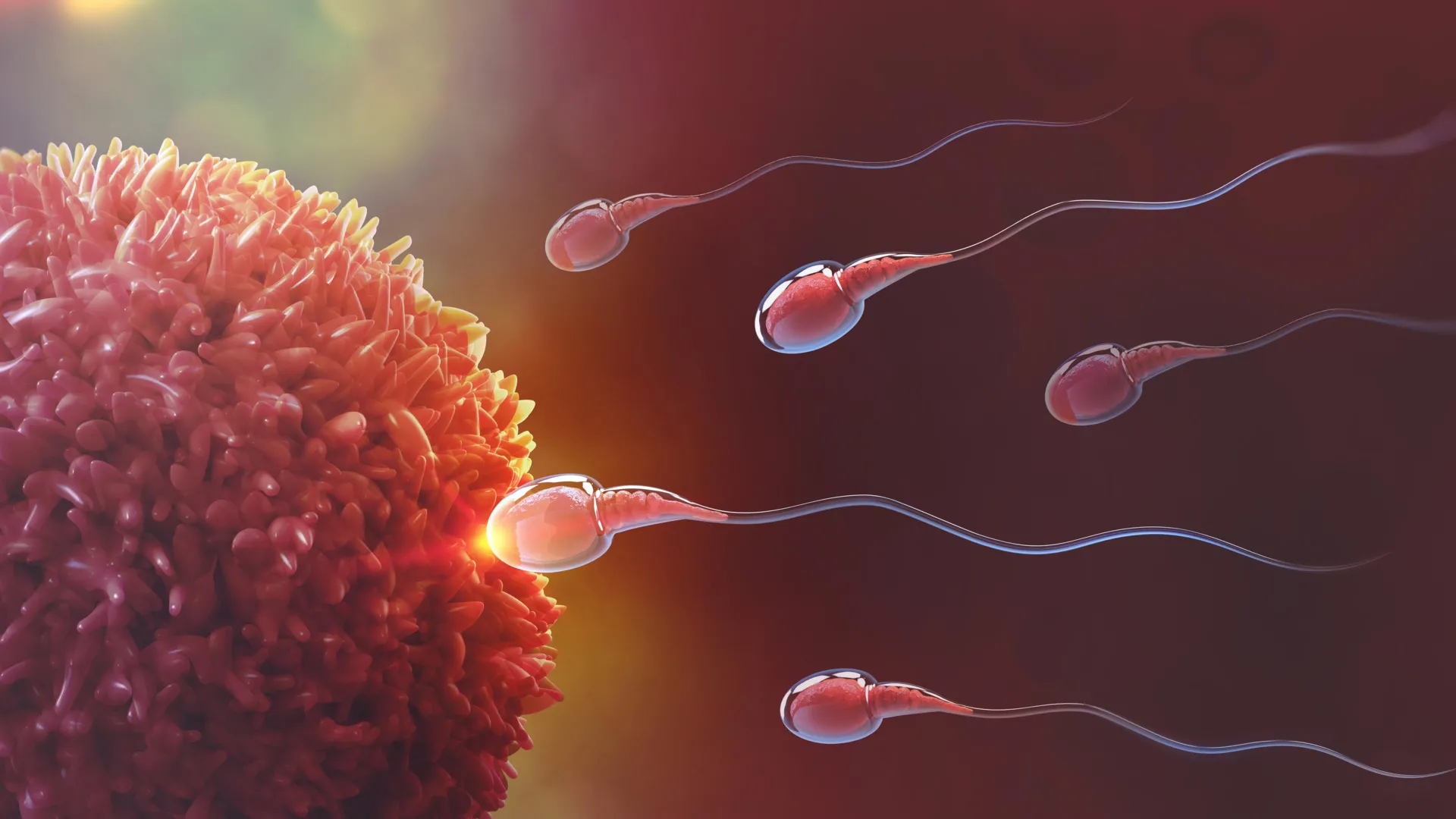
To understand the significance of the Osaka University discovery, one must first consider the sheer complexity of sperm formation, a process known as spermiogenesis. Unlike standard cell division, spermiogenesis is a dramatic metamorphosis where a relatively simple, round spermatid is reshaped into a highly specialized, motile cell designed for a single purpose: delivering genetic material to an egg.
During this phase, the cell undergoes radical remodeling. The nucleus condenses to a fraction of its original size, the DNA is tightly packed using protamines rather than histones, and a long, propulsive tail is generated. Simultaneously, the head of the sperm must be sculpted into a streamlined shape, and excess cytoplasm—the fluid and organelles not required for the journey—must be systematically removed. Any error in this delicate choreography can result in morphological defects, such as "bent-head" or "round-head" sperm (globozoospermia), which are typically incapable of successful fertilization.
Lead author Yuki Kaneda emphasizes that while science has identified several genes essential for this process, the underlying molecular triggers have remained elusive. The research team sought to bridge this gap by focusing on "testis-expressed" proteins, which are often unique to the male reproductive system and serve as the primary regulators of fertility.
Identifying the TEX38 and ZDHHC19 Complex
The research began with an investigation into TEX38, a protein primarily localized in the testes. To determine its function, the team utilized mouse models, a standard proxy for human reproductive biology due to the high degree of genetic conservation between the two species. By disrupting the expression of the TEX38 gene, the researchers observed a consistent and striking phenotype: the resulting sperm cells were malformed, with heads that were bent backward and an inability to shed excess cytoplasm. This structural failure rendered the mice entirely infertile.
The study then shifted toward identifying how TEX38 exerts its influence. Through advanced biochemical screening, the team discovered that TEX38 does not act in isolation. Instead, it forms a stable complex with ZDHHC19, an enzyme belonging to the zinc-finger DHHC domain-containing family. The relationship between these two proteins is symbiotic; the researchers found that if either protein was absent, the other was expressed at significantly lower levels, suggesting they stabilize one another within the developing cell.
"The results were striking," noted Masahito Ikawa, the study’s senior author. "We found that deleting either protein resulted in the same sperm deformity. This indicated that the TEX38-ZDHHC19 complex is the functional unit responsible for directing the later stages of sperm head formation."
The Role of S-Palmitoylation in Reproductive Health
The most significant technical revelation of the study involves the enzymatic activity of ZDHHC19. This protein functions as a palmitoyltransferase, an enzyme that facilitates S-palmitoylation—a process where lipids (specifically palmitic acid) are chemically attached to other proteins. This lipid modification acts as a "molecular switch" or "anchor," altering a protein’s stability, its ability to associate with cell membranes, or its interaction with other molecules.
The Osaka University team discovered that the TEX38-ZDHHC19 complex specifically targets another protein known as ARRDC5. Previous research had already established ARRDC5 as a critical factor in sperm development, but the mechanism of its activation was unknown. The new data confirms that ZDHHC19 carries out the S-palmitoylation of ARRDC5. When this lipid modification is prevented—either by deleting TEX38 or ZDHHC19—ARRDC5 cannot function correctly. Consequently, the sperm cells fail to remodel their heads and retain an excess of cytoplasm, leading to the "bent-head" morphology and subsequent infertility.
Chronology of the Research and Experimental Milestones
The path to this discovery followed a rigorous scientific timeline, beginning with large-scale genomic screening and ending with functional validation.
- Initial Screening: The team identified TEX38 as a candidate gene due to its high expression levels specifically within the seminiferous tubules of the testes.
- Gene Knockout Phase: Using CRISPR/Cas9 technology, the researchers created a line of "knockout" mice lacking the TEX38 gene. Observations over several months confirmed that while these mice were otherwise healthy, they were completely sterile.
- Phenotypic Analysis: Microscopic analysis revealed the "bent-head" deformity. Further imaging showed that the cytoplasmic droplet, which usually migrates and is discarded, remained stuck at the neck of the sperm.
- Interaction Mapping: Using mass spectrometry and yeast two-hybrid screening, the researchers identified ZDHHC19 as the primary binding partner for TEX38.
- Pathway Validation: The team then created ZDHHC19 knockout mice and found an identical phenotype to the TEX38 knockouts, confirming that the two proteins work in the same pathway.
- Mechanism Discovery: Finally, the team demonstrated that the absence of the TEX38-ZDHHC19 complex led to a failure in the S-palmitoylation of ARRDC5, completing the molecular puzzle.
Supporting Data and Global Context of Male Infertility
The implications of this study are underscored by the rising global concern over declining fertility rates. According to the World Health Organization (WHO), infertility affects approximately one in six people globally. While historical focus has often been placed on female reproductive health, modern clinical data suggests that male factors contribute to at least 50% of all infertility cases.
A significant portion of male infertility is classified as "idiopathic," meaning the root cause remains unknown despite standard semen analysis. The discovery of the TEX38-ZDHHC19-ARRDC5 pathway provides a specific molecular target for clinicians. Patients who present with normal sperm counts but abnormal morphology (teratozoospermia) may harbor mutations in the genes encoding these proteins.
Furthermore, the data regarding the "bent-head" phenotype is particularly relevant. In clinical settings, sperm morphology is a primary predictor of the success of Assisted Reproductive Technologies (ART), such as In Vitro Fertilization (IVF) and Intracytoplasmic Sperm Injection (ICSI). Understanding the proteins that govern this shape allows for better diagnostic screening and potentially more successful interventions.
Potential for Non-Hormonal Male Contraception
One of the most provocative implications of the Osaka University study is the potential development of a "male pill." For decades, male contraceptive research has lagged behind female options, largely because hormonal approaches for men—such as those involving testosterone suppression—often carry significant side effects, including mood swings, weight gain, and permanent impacts on libido.
The TEX38-ZDHHC19 interaction offers a non-hormonal alternative. Because these proteins are predominantly active in the testes during a specific window of sperm development, a drug designed to temporarily inhibit the enzymatic activity of ZDHHC19 or disrupt its binding to TEX38 could theoretically induce temporary infertility.
Such a contraceptive would work by ensuring that any sperm produced are structurally incapable of fertilization. Because it targets a protein modification process (S-palmitoylation) specific to the late stages of spermiogenesis, it would likely be reversible and have a lower risk of systemic side effects compared to hormonal treatments.
Expert Analysis and Future Implications
The scientific community has reacted with cautious optimism to the findings. Independent reproductive biologists suggest that while the mouse data is definitive, the next step involves confirming the exact same mechanism in human clinical samples. Given the high conservation of the ZDHHC enzyme family across mammals, researchers believe the human TEX38-ZDHHC19 complex functions identically.
From a biochemical perspective, the study highlights the growing importance of "post-translational modifications" (like S-palmitoylation) in reproductive health. It suggests that fertility is not just about having the right genes, but about those genes being "switched on" and modified by enzymes at exactly the right time.
"Our findings show that TEX38 and ZDHHC19 form a complex in developing sperm that regulates the S-palmitoylation of proteins essential for generating functional sperm with the correct morphology," Kaneda concluded. "This provides a new lens through which we can view both the causes of infertility and the potential for fertility control."
Moving forward, the Osaka University team plans to investigate other targets of the ZDHHC19 enzyme. It is possible that this complex regulates a suite of proteins, not just ARRDC5, making it a master regulator of the sperm’s structural integrity. As researchers continue to untangle the web of interactions within the testes, the prospect of personalized reproductive medicine—where a man’s specific molecular profile determines his treatment or contraceptive options—moves closer to reality.
The study serves as a testament to the power of basic molecular research in solving complex clinical problems. By identifying the "glue" (TEX38) and the "engine" (ZDHHC19) that drive sperm head formation, the team has provided a fundamental contribution to the field of endocrinology and reproductive biology, marking a significant step forward in our understanding of the human body’s most essential function.










Leave a Reply