For millions worldwide, the diagnosis of actinic keratoses (AK) initiates a challenging journey to prevent the progression to skin cancer. These rough, scaly patches, direct consequences of cumulative ultraviolet (UV) exposure, have historically been treated with methods that, while effective, often inflict considerable discomfort, leaving patients to endure weeks of severe redness, peeling, and pain. However, a significant paradigm shift may be on the horizon, as Rubedo Life Sciences, an AI- and longevity-focused biotechnology startup, has announced compelling preliminary results for its investigational drug candidate, RLS-1496, in a Phase 1b/2a study for actinic keratosis. The drug demonstrated a notable reduction in AK lesions with a remarkably benign side-effect profile, eschewing the intense skin irritation characteristic of existing treatments.
The Unmet Need: The Burden of Actinic Keratosis and Current Treatments
Actinic keratoses represent one of the most common dermatological conditions globally, affecting over 58 million Americans annually, with prevalence rates rising significantly with age and sun exposure. Often referred to as "sun spots," these lesions are considered precancerous, carrying a risk of transforming into invasive squamous cell carcinoma (SCC), the second most common type of skin cancer. Given this malignant potential, early detection and effective treatment are paramount.
Actinic Keratosis: A Precursor to Skin Cancer
The development of AKs is a direct result of DNA damage induced by chronic exposure to UV radiation, leading to abnormal keratinocyte proliferation. While not all AKs progress to SCC, a substantial percentage do, and it is impossible to predict which specific lesions will transform. This inherent uncertainty underscores the critical need for reliable and tolerable treatment options to manage the "field cancerization" often seen in sun-damaged skin – areas where multiple lesions may exist or new ones may arise. The economic burden of AK management is also substantial, accounting for billions in healthcare costs annually, primarily due to the chronic nature of the condition and the need for repeated interventions.
The Harsh Reality of Standard Treatments
Current standard-of-care therapies for AKs include localized destructive methods like cryosurgery (freezing with liquid nitrogen) and photodynamic therapy (PDT), as well as topical field-directed treatments such as 5-fluorouracil (5-FU) and imiquimod. While these interventions can be highly effective in clearing lesions, they are notorious for their associated local skin reactions.
Cryosurgery, a widely used method, can lead to blistering, crusting, and temporary or permanent pigment changes. Photodynamic therapy, involving the application of a photosensitizing agent followed by light exposure, is known for inducing significant pain during treatment and subsequent erythema, edema, and crusting that can last for days to weeks.
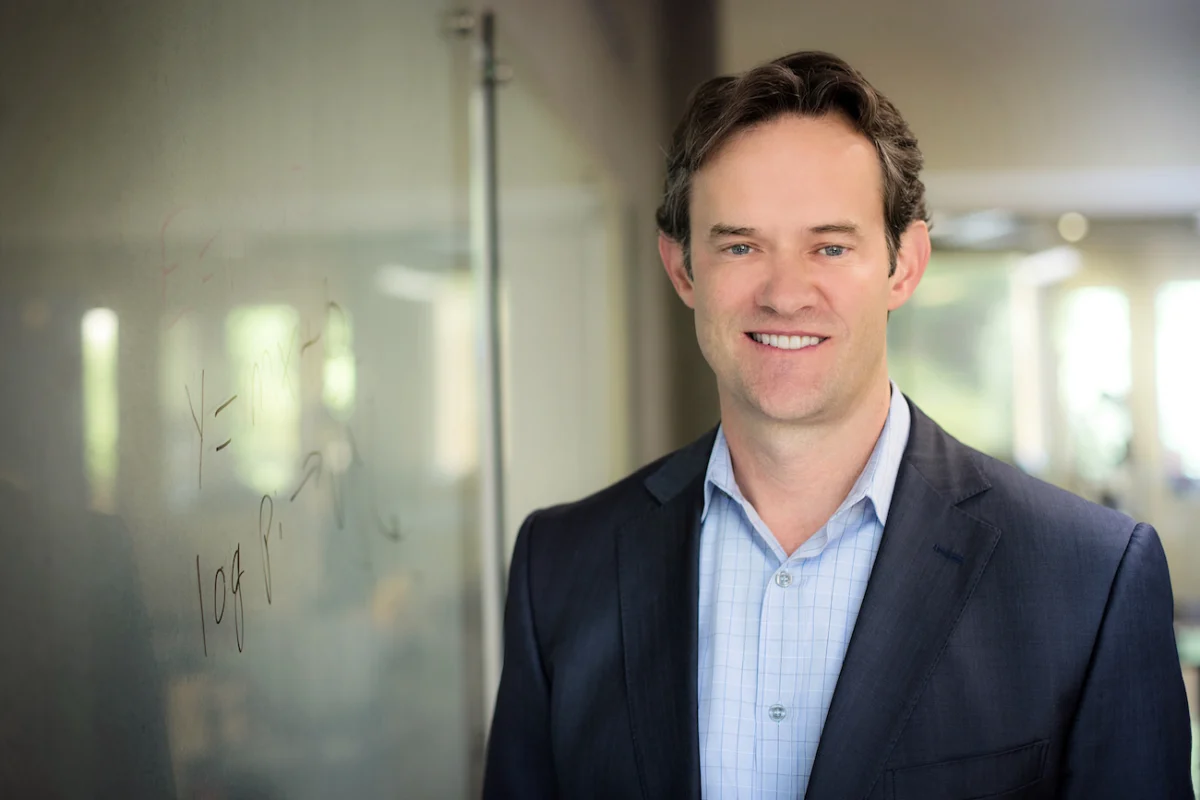
Topical treatments, particularly 5-fluorouracil (marketed as Efudex or Carac), are potent chemotherapeutic agents that work by inhibiting DNA synthesis in rapidly dividing cells, including precancerous keratinocytes. However, their non-selective action also affects healthy cells, leading to severe inflammatory responses. Dr. Frederick Beddingfield III, CEO of Rubedo Life Sciences and a dermatologist with extensive experience prescribing these treatments, vividly describes the redness from 5-FU as "extreme," likening the appearance to a "CO2 laser treatment, or a blowtorch treatment." The FDA label for Carac, a 0.5% fluorouracil cream, explicitly warns patients to expect application-site reactions including redness, dryness, burning, pain, erosion, and swelling, noting that treated areas may look "unsightly" during and after therapy. Similarly, imiquimod, an immune response modifier, elicits a robust inflammatory reaction as it stimulates the body’s immune system to attack abnormal cells, resulting in significant irritation, itching, and crusting.
Patient Non-Adherence: A Critical Barrier to Care
The intense discomfort and unsightly appearance caused by standard AK treatments are not merely inconvenient; they represent a significant barrier to patient adherence, directly impacting treatment efficacy and long-term outcomes. Dermatologists often advise patients that "if you don’t get irritation you won’t get improvement," a statement that, while medically accurate for these therapies, places a heavy psychological and physical burden on individuals.
Real-world data consistently highlight poor adherence rates for topical AK therapies. A 2023 study involving 113 patients revealed that nearly half were non-adherent to their prescribed regimen, with only about a third using their medication exactly as directed. For 5-FU, despite its potential to reduce lesion counts by approximately 90% in some studies, the severity of irritation frequently leads patients to discontinue treatment prematurely. A large Dutch trial focusing on field-directed therapies observed that 12% of patients were non-adherent even under the structured conditions of a clinical trial. Furthermore, a separate 2023 study investigating patients who refused a second course of 5-FU found that the physical and psychological burden of side effects was significant enough to outweigh their concern about the precancerous lesions themselves. This consistent pattern of non-adherence creates a vicious cycle: patients stop treatment due to side effects, lesions recur, and the risk of progression to cancer persists. As Dr. Beddingfield points out, "These patients are in your office constantly, because even if you clear the AKs, they come back… So there’s a compliance issue, a tolerability issue, an appearance issue, and a lot of room for improvement."
Rubedo’s Breakthrough: RLS-1496 Preliminary Phase 1b/2a Results
Against this backdrop of unmet need, Rubedo Life Sciences’ recent announcement of positive preliminary results for RLS-1496 offers a beacon of hope. The lead investigational candidate, a selective modulator of glutathione peroxidase 4 (GPX4), was evaluated in an open-label Phase 1b/2a study in actinic keratosis.
Promising Efficacy with Unprecedented Tolerability
The preliminary data, derived from the first 18 of 24 evaluated patients, demonstrated a 46% reduction in AK lesion count at four weeks. Crucially, this was observed on the treated forearm, compared to only an 11% reduction on the untreated contralateral forearm, providing a clear indication of the drug’s activity. What sets RLS-1496 apart from existing treatments is its remarkable safety and tolerability profile. The study reported no serious adverse events and, significantly, no discontinuations tied to side effects. This finding directly addresses the primary challenge associated with current AK therapies: patient discomfort and non-adherence. Dr. Beddingfield emphasizes this distinction: "We didn’t see any irritation, yet we’re getting efficacy, so this works by an entirely different mechanism, and it’s much more pleasant for the patient." This absence of intense local reactions represents a monumental step forward, potentially transforming the patient experience and improving long-term outcomes for AK management.
A Novel Mechanism: Targeting Cellular Senescence and Ferroptosis
Rubedo’s approach with RLS-1496 is rooted in cutting-edge longevity science, specifically targeting cellular senescence and a unique form of cell death known as ferroptosis. This mechanism fundamentally differs from the non-selective cytotoxic or immunomodulatory actions of older treatments.
Understanding Senescent Cells: The "Zombie" Threat
Cellular senescence is a state of irreversible cell-cycle arrest that cells enter in response to various stressors, including DNA damage (such as from UV exposure), oxidative stress, and telomere shortening. While initially protective, preventing damaged cells from proliferating and potentially becoming cancerous, senescent cells accumulate with age and contribute significantly to various age-related diseases, including cancer, fibrosis, and chronic inflammation. These "zombie cells" secrete a potent mix of pro-inflammatory cytokines, chemokines, growth factors, and proteases, collectively known as the Senescence-Associated Secretory Phenotype (SASP). The SASP actively damages surrounding healthy tissue, promotes chronic inflammation, and can even facilitate the proliferation of nearby precancerous cells, thereby contributing to the "field cancerization" observed in AK. Removing these senescent cells, a strategy known as senolysis, has emerged as a promising therapeutic avenue in longevity medicine.
The Precision of GPX4 Modulation and Ferroptosis
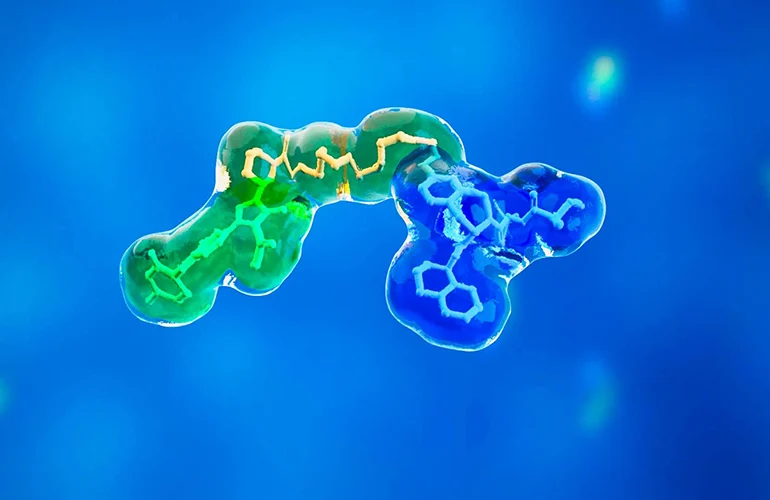
RLS-1496 is designed as a selective modulator of glutathione peroxidase 4 (GPX4), a selenoenzyme critical for protecting cells from ferroptosis. Ferroptosis is an iron-dependent form of programmed cell death, distinct from apoptosis or necrosis, characterized by the accumulation of lipid peroxides. GPX4 plays a pivotal role in neutralizing these harmful lipid peroxides, thus safeguarding cells from ferroptotic demise.
Rubedo’s innovative model posits that briefly inhibiting GPX4 achieves a dual effect, leveraging a concept Dr. Beddingfield playfully terms "Nietzschean biology" – "What doesn’t kill you makes you stronger, but at the cellular level, not the person level."
- Senescent Cell Clearance: Senescent cells, already under metabolic stress and often prone to oxidative damage, are highly vulnerable. A transient, selective inhibition of GPX4 tips these already compromised cells into ferroptosis, effectively clearing them from the tissue. This targeted elimination of senescent keratinocytes and fibroblasts in sun-damaged skin is believed to be key to reducing AK lesions.
- Adaptive Response in Healthy Cells: For cells that are merely aged but still functional and not yet senescent, the same mild inhibition of GPX4 acts as a temporary, sublethal stressor. Instead of succumbing to ferroptosis, these robust cells mount an adaptive response, strengthening their intrinsic antioxidant defenses and stress resilience pathways. This adaptive response is hypothesized to lead to a rejuvenation of aged, sun-damaged skin, potentially improving overall skin health and preventing future lesion formation.
Beyond Symptom Treatment: Towards Skin Rejuvenation
This dual mechanism suggests that RLS-1496 could offer more than just lesion clearance. Rubedo has designed the trial not only to assess lesion counts but also to measure improvements in the underlying sun-damaged skin that gives rise to AKs. The drug could potentially act as "almost a regenerative treatment for the skin, potentially preventing future actinic keratoses or skin cancers." Dr. Beddingfield envisions a future where individuals could "essentially turn back the clock on the sun damage most of us did in our teens." The preliminary results released so far cover lesion counts only; the crucial readout for the skin-aging measurements, which would provide objective evidence of skin rejuvenation, is anticipated within weeks. If these data align with Rubedo’s hypothesis, RLS-1496 could represent a groundbreaking shift from merely treating symptoms to actively restoring skin health.
Expert Perspective and Strategic Vision
Dr. Frederick Beddingfield III, with his background as a practicing dermatologist and his current role as CEO of Rubedo Life Sciences, brings a unique perspective to this development. His firsthand experience with the limitations and patient dissatisfaction stemming from current AK treatments underscores the profound need for innovation. His detailed description of patient non-adherence due to "extreme" side effects highlights the real-world impact of the tolerability issue. Rubedo’s strategic positioning as an "AI- and longevity-focused startup" is also noteworthy. The company leverages artificial intelligence to identify novel targets and compounds within the complex landscape of aging biology, aiming to develop therapies that address the root causes of age-related diseases. RLS-1496 is a prime example of this strategy, targeting a fundamental aging process (cellular senescence) to treat a common age-related precancerous condition. This approach places Rubedo at the forefront of a burgeoning field, promising therapies that not only treat disease but also enhance healthy longevity.
The Road Ahead: Future Clinical Development and Broader Implications
The promising preliminary results for RLS-1496 mark a pivotal moment, but they are just the beginning of a rigorous development pathway.
Next Steps in Clinical Development
The complete data from the Phase 1b/2a study, including the highly anticipated skin-aging measurements, will provide a more comprehensive picture of RLS-1496’s potential. Following this, Rubedo plans to initiate a Phase 2b dose-ranging AK study in Q4 2026. This next phase will be crucial for optimizing the drug’s dosage, further confirming its efficacy across a larger patient cohort, and solidifying its safety profile. Successful outcomes in these subsequent trials would pave the way for Phase 3 studies and, ultimately, regulatory approval. The methodical progression through clinical development is essential to validate these initial promising signals and translate them into a widely accessible therapeutic option.
Reshaping Dermatology and Longevity Medicine
The implications of RLS-1496’s success could be far-reaching:
- For Patients: A well-tolerated and effective topical treatment for AKs would dramatically improve the quality of life for millions, encouraging adherence and potentially leading to better long-term prevention of SCC. The prospect of a "regenerative treatment" that not only clears lesions but also rejuvenates sun-damaged skin offers unprecedented hope.
- For Dermatology: RLS-1496 could instigate a paradigm shift in how dermatologists approach AK management, moving away from destructive, irritating therapies towards a more targeted, biologically sophisticated, and patient-friendly approach. It could also reduce the burden of frequent patient visits for recurrent lesions.
- For Longevity Science: The success of RLS-1496 in a common precancerous condition would provide strong validation for the therapeutic potential of targeting cellular senescence and ferroptosis. This could accelerate research and development into other senolytic or senomorphic drugs for a broader spectrum of age-related diseases, cementing the role of longevity medicine in mainstream healthcare. It demonstrates that the principles of anti-aging biology can be effectively applied to address tangible clinical needs.
- Economic Impact: The market for AK treatments is substantial. A highly effective, well-tolerated drug like RLS-1496 could capture a significant share of this market, offering both financial returns for Rubedo and cost-effectiveness benefits through improved patient adherence and potentially reduced downstream healthcare costs associated with SCC development.
In conclusion, Rubedo Life Sciences’ RLS-1496 represents a compelling advancement in the treatment of actinic keratoses. By uniquely leveraging the selective modulation of GPX4 to target senescent cells via ferroptosis while potentially rejuvenating aged skin, the drug offers a promising path to efficacy without the debilitating side effects of current therapies. If future trials confirm these preliminary findings, RLS-1496 could fundamentally transform the landscape of dermatological care for sun-damaged skin, ushering in an era of more humane, effective, and potentially regenerative treatments, while simultaneously validating the exciting potential of longevity-focused biotechnologies.