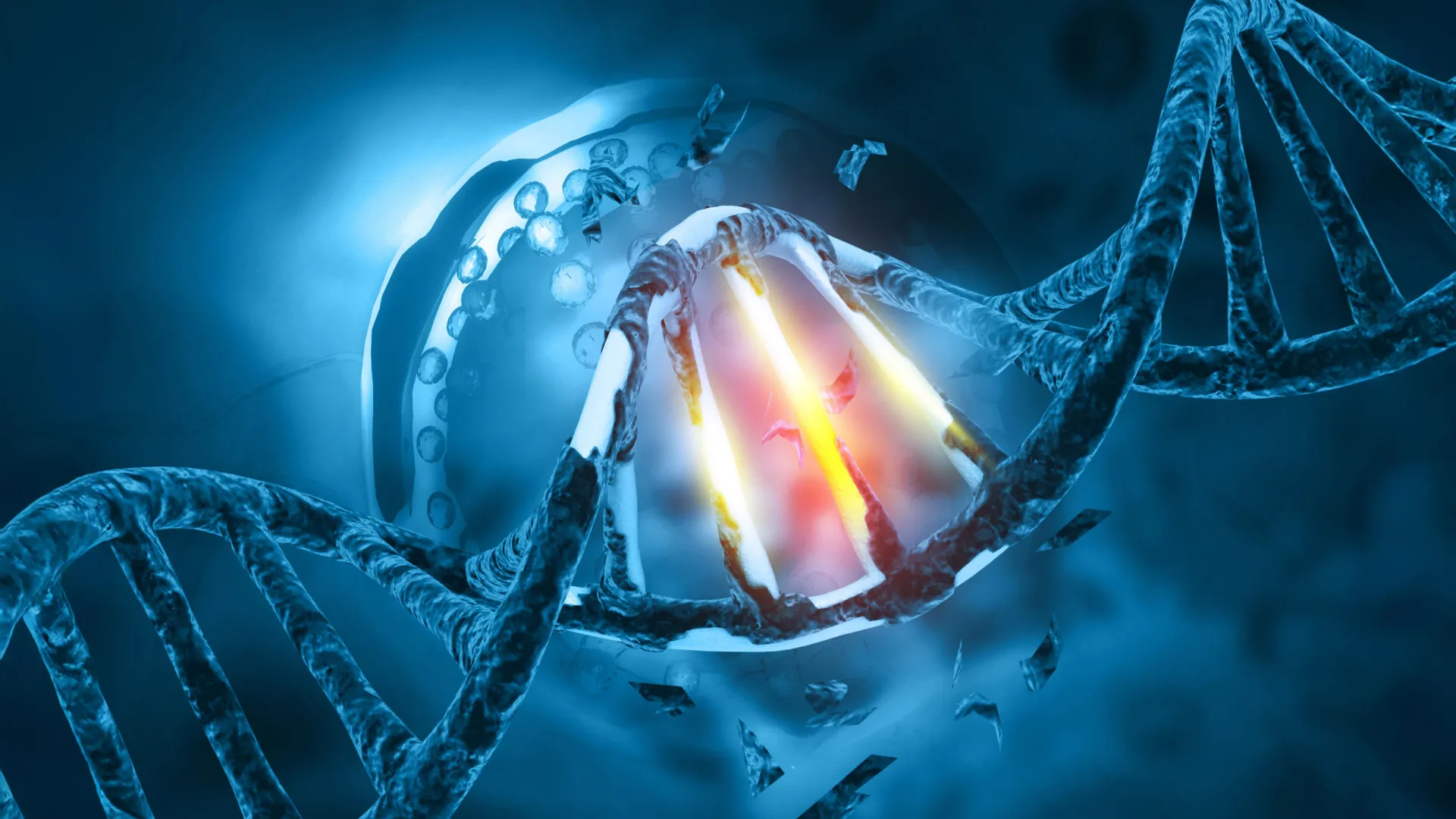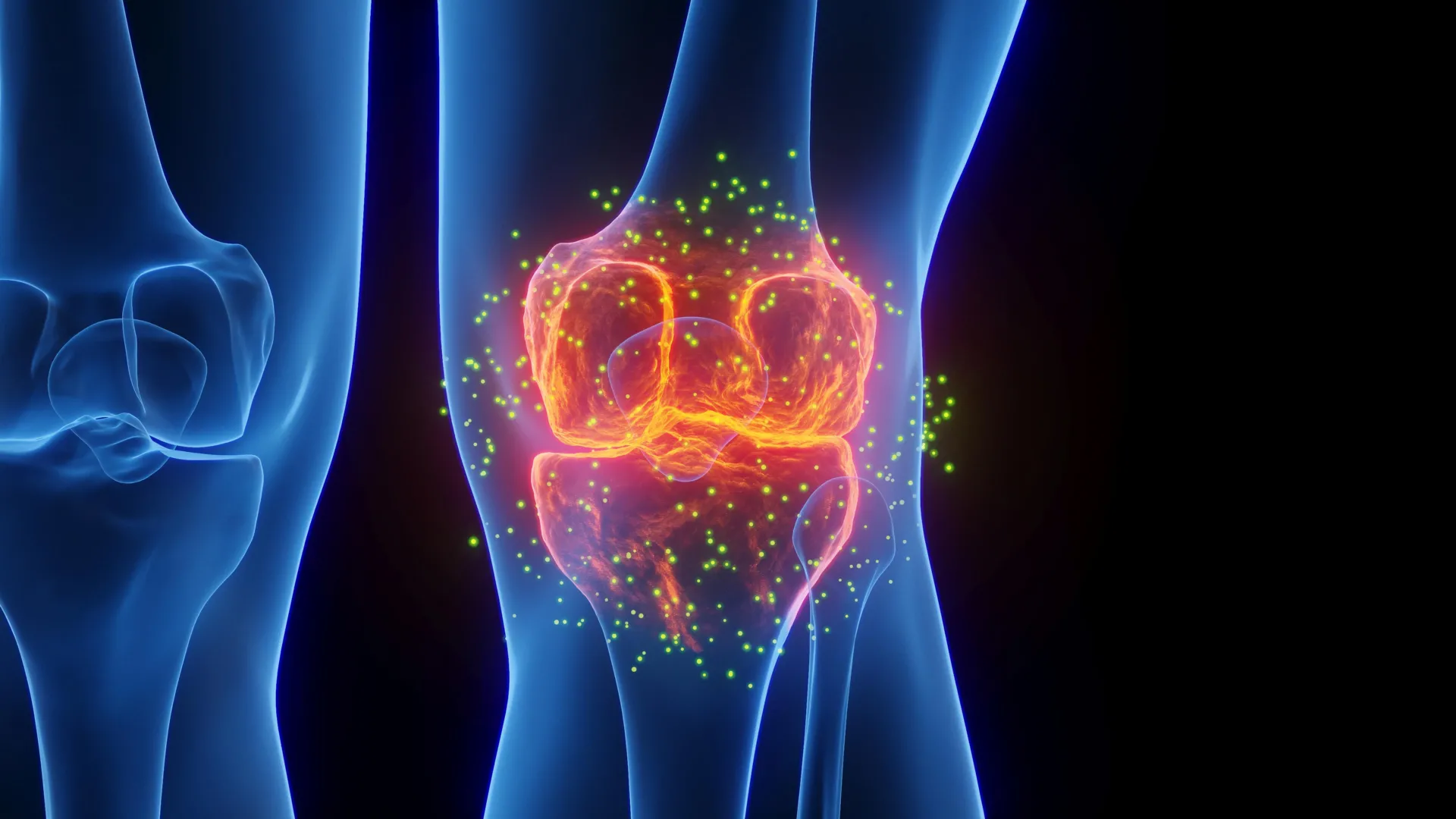
In a landmark study that could redefine the treatment of degenerative joint diseases, a research team led by Stanford Medicine has successfully demonstrated that targeting a specific "aging" protein can restore lost knee cartilage in older mice and prevent the onset of osteoarthritis following traumatic joint injuries. The study, published in the journal Science, reveals a previously unknown mechanism for tissue regeneration that does not rely on stem cells, but rather on the reprogramming of existing cartilage cells into a more youthful, productive state. By inhibiting a protein known as 15-PGDH, researchers observed a dramatic regrowth of hyaline cartilage—the smooth, slippery tissue that allows joints to move without friction—raising hopes for a future where knee and hip replacements become a last resort rather than an inevitability.
The Growing Crisis of Osteoarthritis and Joint Degeneration
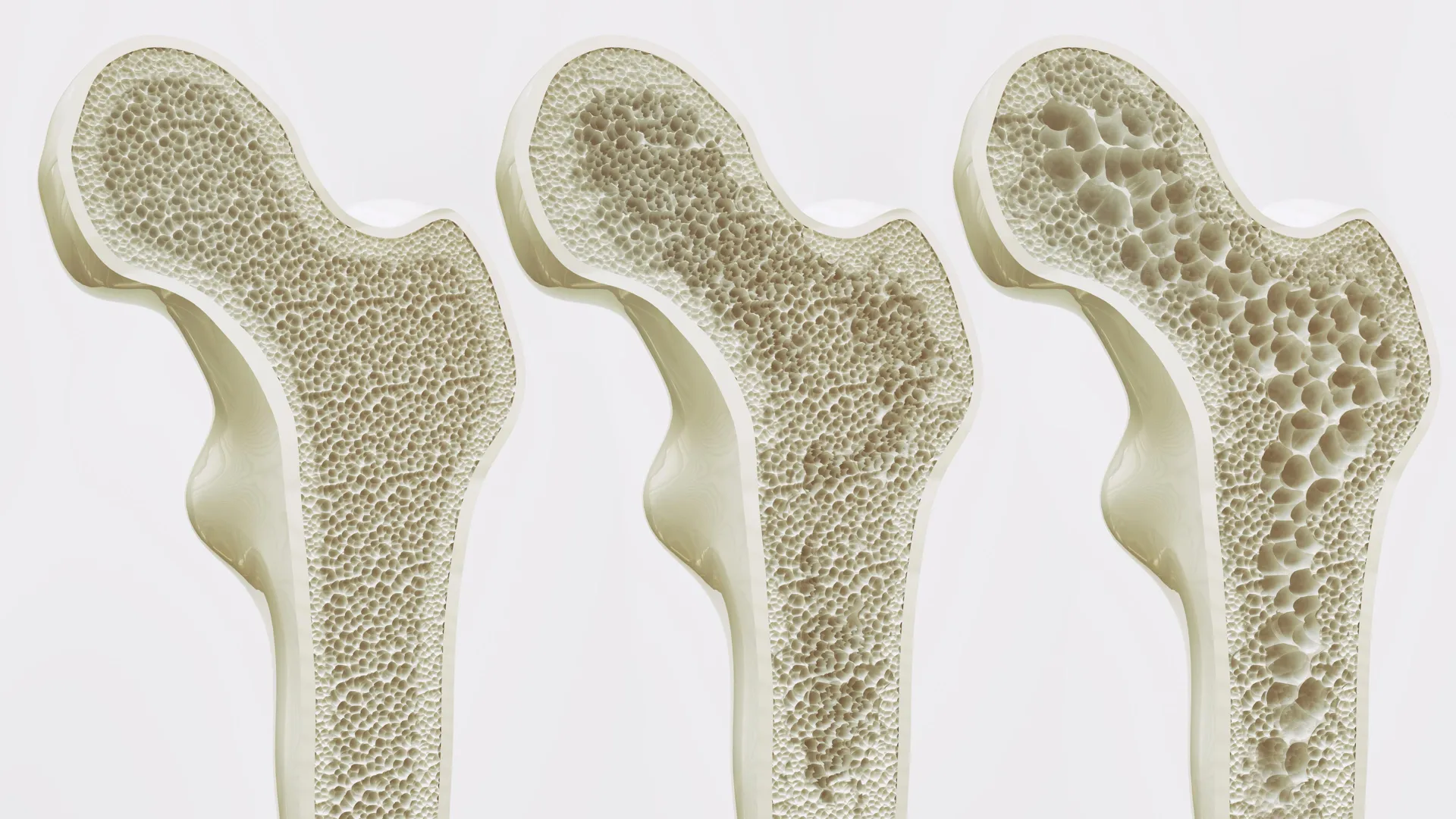
Osteoarthritis (OA) remains one of the most pervasive and debilitating conditions in modern medicine, affecting approximately 32.5 million adults in the United States alone. As the population ages and obesity rates climb, the prevalence of the disease is expected to rise sharply. Characterized by the progressive breakdown of articular cartilage, osteoarthritis leads to chronic pain, loss of mobility, and a significant decrease in quality of life. Currently, the medical community lacks any approved pharmacological intervention capable of reversing the damage or stopping the progression of the disease.
The economic burden of this condition is equally staggering. Direct healthcare costs associated with osteoarthritis, including surgical procedures, physical therapy, and pain management, are estimated at roughly $65 billion annually in the United States. For many patients, the only definitive solution for end-stage osteoarthritis is total joint replacement surgery—a major procedure with significant recovery times and a limited lifespan for the prosthetic hardware. The Stanford discovery offers a potential paradigm shift: a biological solution that addresses the root cause of the decay rather than merely masking the symptoms.
The Discovery of the Gerozyme 15-PGDH
The catalyst for this breakthrough is a protein called 15-hydroxyprostaglandin dehydrogenase, or 15-PGDH. Researchers have categorized this protein as a "gerozyme," a class of enzymes that become increasingly prevalent as an organism ages, contributing to the functional decline of various tissues. The Stanford team, led by Helen Blau, PhD, and Nidhi Bhutani, PhD, first identified the systemic impact of gerozymes in 2023. Their previous work established that 15-PGDH levels rise significantly in aging muscles, leading to atrophy and loss of endurance.
In the context of joint health, 15-PGDH acts as an antagonist to prostaglandin E2 (PGE2), a signaling molecule that is essential for tissue repair and the maintenance of cellular health. As levels of 15-PGDH rise with age, they effectively "mop up" the beneficial PGE2, leaving the cartilage vulnerable to inflammation and unable to repair the minor wear and tear of daily life. By comparing the cartilage of young mice with that of older mice, the researchers confirmed that 15-PGDH levels approximately double over time, creating a biochemical environment that favors degeneration over regeneration.
A Breakthrough in Tissue Regeneration Mechanics
Perhaps the most surprising finding of the study involves how the cartilage regrows. For decades, the primary focus of regenerative medicine has been the stimulation of stem cells—undifferentiated cells that can transform into specialized tissue. However, articular cartilage is notoriously devoid of active stem cell populations, which is why joint injuries often fail to heal on their own.
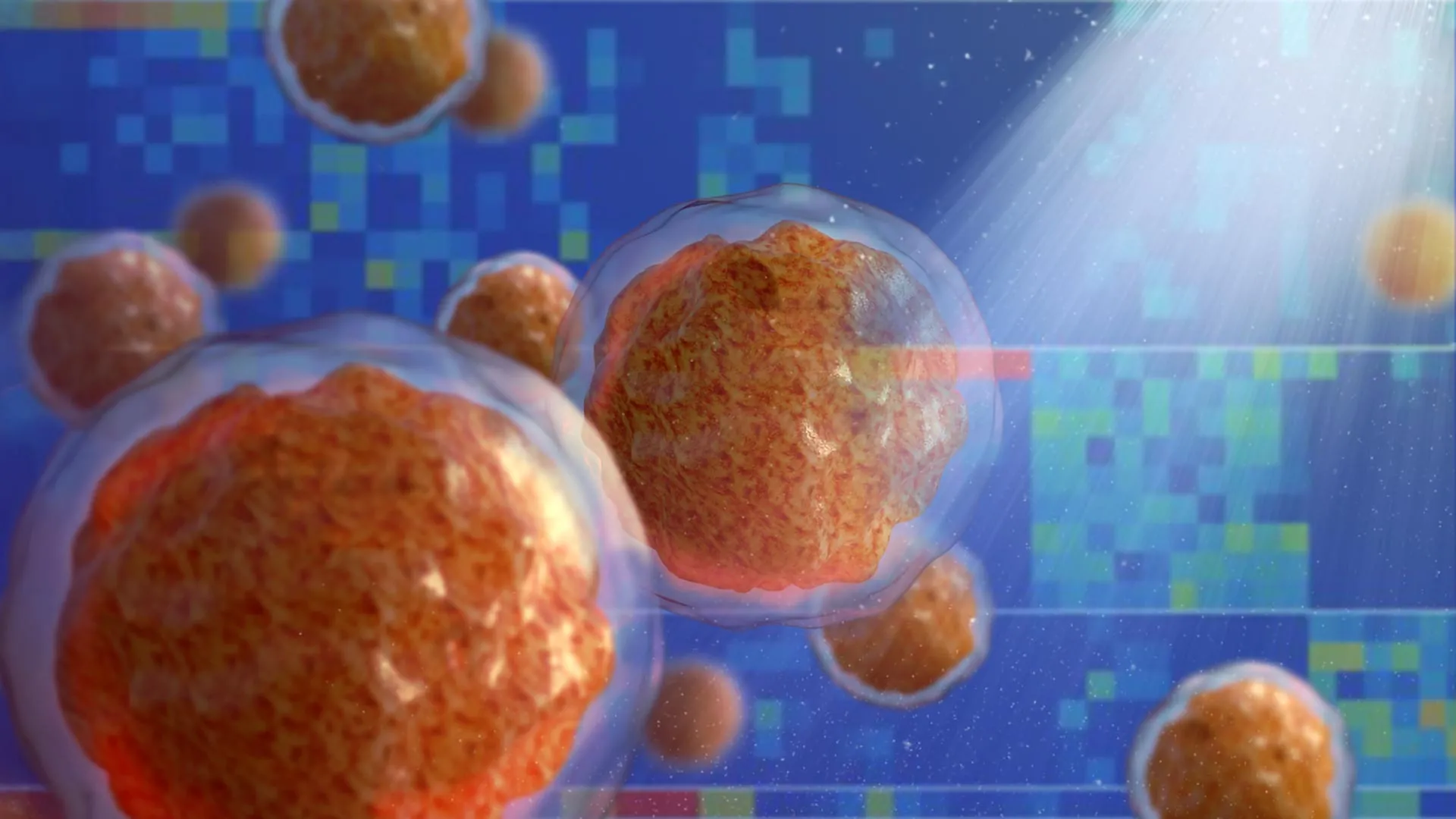
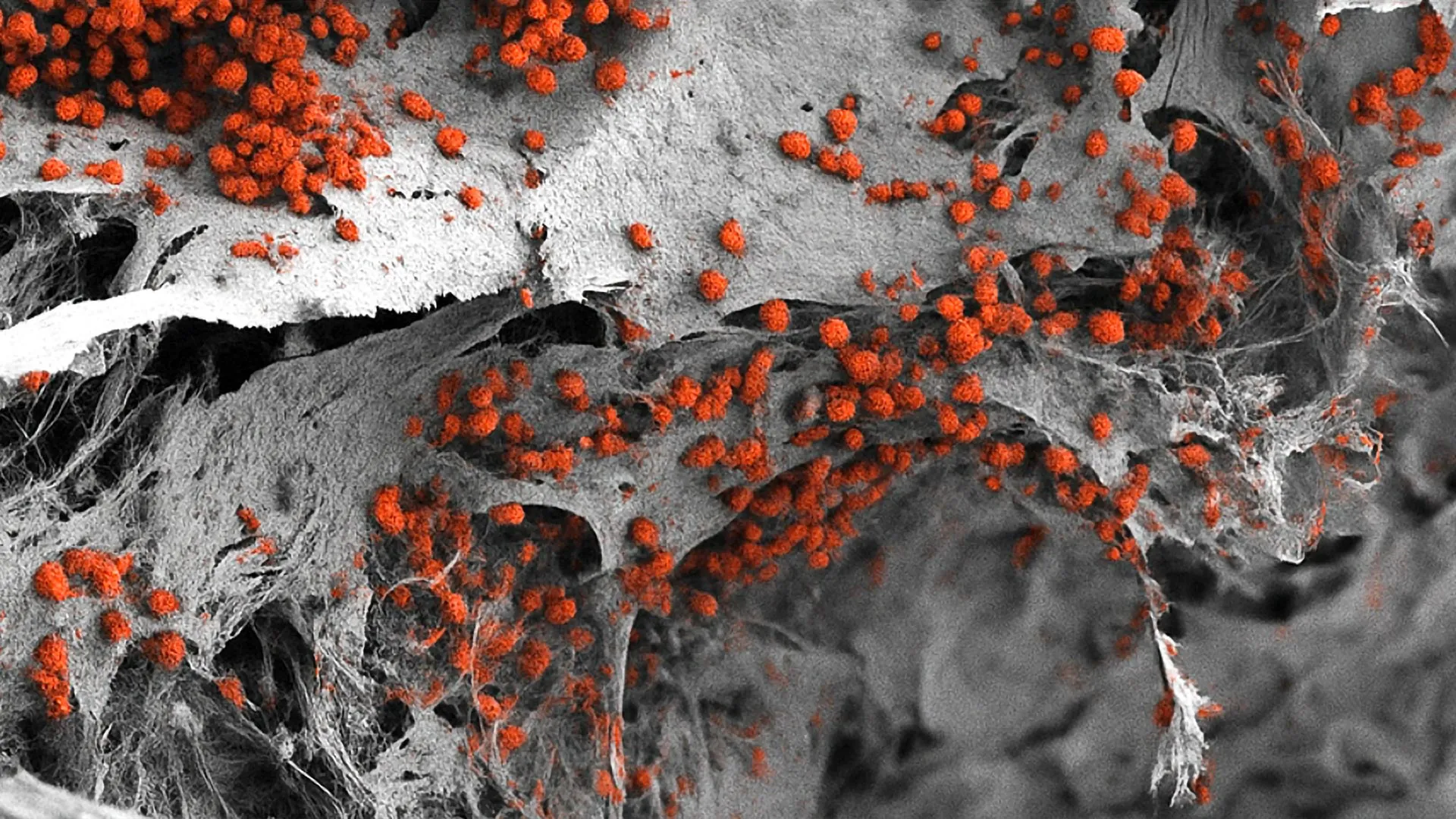
The Stanford study revealed that the 15-PGDH inhibitor works through a different pathway. Instead of recruiting new cells, the treatment targets existing cartilage cells, known as chondrocytes. When the gerozyme is blocked, these chondrocytes undergo a form of cellular "reprogramming." They shift their gene activity away from inflammatory pathways and bone-forming processes and return to a state where they actively produce the extracellular matrix required for healthy hyaline cartilage.
"This is a new way of regenerating adult tissue, and it has significant clinical promise," said Dr. Helen Blau, director of the Baxter Laboratory for Stem Cell Biology. "We were looking for stem cells, but they are clearly not involved. It’s very exciting to see that existing cells can be prompted to revert to a more youthful, functional state."
Remarkable Results in Mouse Models and Injury Prevention
The researchers conducted a series of experiments to test the efficacy of a small-molecule drug designed to inhibit 15-PGDH. In older mice with naturally thinned cartilage, the treatment—administered either systemically through the abdomen or locally via injection into the knee—resulted in a "striking" restoration of cartilage thickness. Crucially, the new tissue was hyaline cartilage, the specific type needed for joint lubrication, rather than fibrocartilage, which is tougher and less effective at reducing joint friction.
Beyond addressing age-related decay, the study also explored the treatment’s potential in post-traumatic osteoarthritis. The team utilized a mouse model that mimics an anterior cruciate ligament (ACL) tear, a common injury among athletes that often leads to osteoarthritis within 10 to 15 years, even after surgical repair.
The results were definitive. Mice that received the gerozyme inhibitor twice weekly for one month following the injury were significantly protected from developing osteoarthritis. These treated mice exhibited normal walking patterns and were able to bear weight on the injured limb, whereas the untreated control group showed high levels of 15-PGDH and rapid joint degradation. This suggests that the treatment could be used as a prophylactic measure immediately following sports injuries to prevent long-term joint damage.
Validation in Human Clinical Samples
To ensure the findings were not limited to rodent biology, the research team tested the 15-PGDH inhibitor on human tissue samples. These samples were obtained from patients undergoing total knee replacement surgeries at Stanford Health Care. These patients represented the most severe cases of osteoarthritis, where the cartilage was almost entirely depleted.
After just one week of exposure to the inhibitor in a laboratory setting, the human chondrocytes showed a remarkable transformation. The cells decreased the expression of genes associated with inflammation and cartilage breakdown and began producing the building blocks of new articular cartilage.
"The mechanism shifted our perspective," noted Dr. Nidhi Bhutani, associate professor of orthopedic surgery. "It’s clear that a large pool of already existing cells in the cartilage are changing their gene expression patterns. By targeting these cells, we may have an opportunity to have a much larger clinical impact than previously thought possible."
Supporting Data and Chronology of the Research
The path to this discovery has been a multi-year effort involving cross-disciplinary collaboration.
- 2020-2022: Initial studies in the Blau Lab identified PGE2 as a critical factor for muscle stem cell function and noted that its degradation by 15-PGDH led to muscle wasting (sarcopenia).
- 2023: The team officially identified 15-PGDH as a "gerozyme" and demonstrated that blocking it could restore strength and endurance in elderly mice.
- Early 2024: The focus shifted to orthopedic applications. Comparative transcriptomics of young vs. old mice revealed the doubling of 15-PGDH in joint tissue.
- Mid-2024: Successful mouse trials showed that blocking the protein could reverse age-related thinning and prevent injury-induced OA.
- Late 2024: Human ex vivo trials confirmed the regenerative potential in diseased human tissue, leading to the publication of the findings in Science.
The data shows that in treated subjects, the population of cells involved in building the extracellular matrix increased from 22% to 42%, while cells responsible for cartilage breakdown dropped from 8% to just 3%. These shifts represent a massive realignment of the joint’s internal chemistry toward a self-healing state.
Broader Implications and the Path to Clinical Trials
The implications of this research extend far beyond the laboratory. If these results can be replicated in human clinical trials, the medical community may finally have a "disease-modifying" drug for osteoarthritis. Current treatments, such as ibuprofen or corticosteroid injections, only manage pain and do nothing to stop the underlying structural decay.
Furthermore, an oral version of the 15-PGDH inhibitor is already being evaluated in Phase 1 clinical trials for muscle weakness. Because these early trials have already indicated that the inhibitor is safe for human use, the timeline for transitioning to cartilage-specific trials could be significantly shortened.
The potential for an oral medication to treat a localized joint issue is particularly appealing. It suggests that a systemic treatment could simultaneously improve muscle mass, bone density, and joint health—effectively acting as a multi-target anti-aging therapy. For athletes, the ability to prevent the long-term "price" of an ACL or meniscus tear could extend careers and prevent decades of chronic pain.
Conclusion and Future Outlook
While the researchers caution that more work is needed to determine the optimal dosage and long-term safety in humans, the mood among the scientific community is one of cautious optimism. The study was supported by a wide array of prestigious institutions, including the National Institutes of Health (NIH) and the Baxter Foundation for Stem Cell Biology.
The potential to regrow hyaline cartilage would be a historic milestone in orthopedic medicine. As Dr. Blau concluded, "Imagine regrowing existing cartilage and avoiding joint replacement. We are very excited about this potential breakthrough." If successful, this gerozyme-targeting approach could transform the "golden years" for millions, turning a period of physical decline back into a time of active, pain-free mobility.