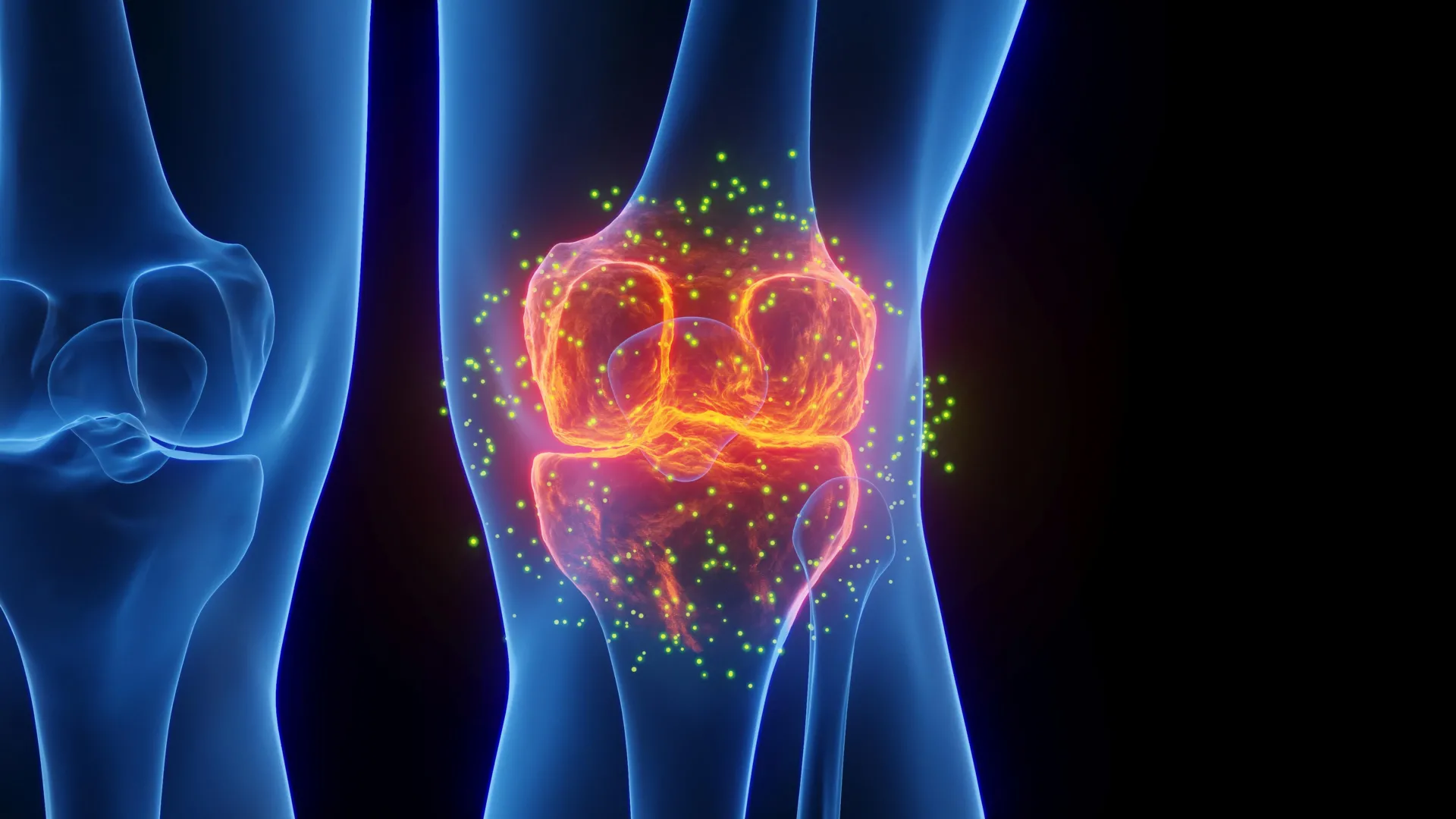
A landmark study led by researchers at Stanford Medicine has identified a potential pharmacological breakthrough that could fundamentally alter the treatment of osteoarthritis, a degenerative condition that has long been considered irreversible. By targeting a specific protein associated with biological aging—referred to as a "gerozyme"—the research team successfully restored lost knee cartilage in aging mice and effectively prevented the development of arthritis following traumatic joint injuries. These findings, recently published in the journal Science, offer the first concrete evidence that damaged articular cartilage can be prompted to regenerate through the manipulation of cellular pathways, rather than relying on invasive surgical interventions or stem cell transplants.
The implications of this discovery extend beyond veterinary models, as the researchers also reported significant success in treating human tissue. Cartilage samples harvested from patients undergoing total knee replacement surgeries demonstrated a remarkable capacity for renewal when exposed to the treatment, shifting from a state of degradation to one of active, functional cartilage production. This dual success in both animal and human biological models suggests that a future involving local injections or even oral medications to treat joint decay is within the realm of clinical possibility.
The Science of Gerozymes and 15-PGDH
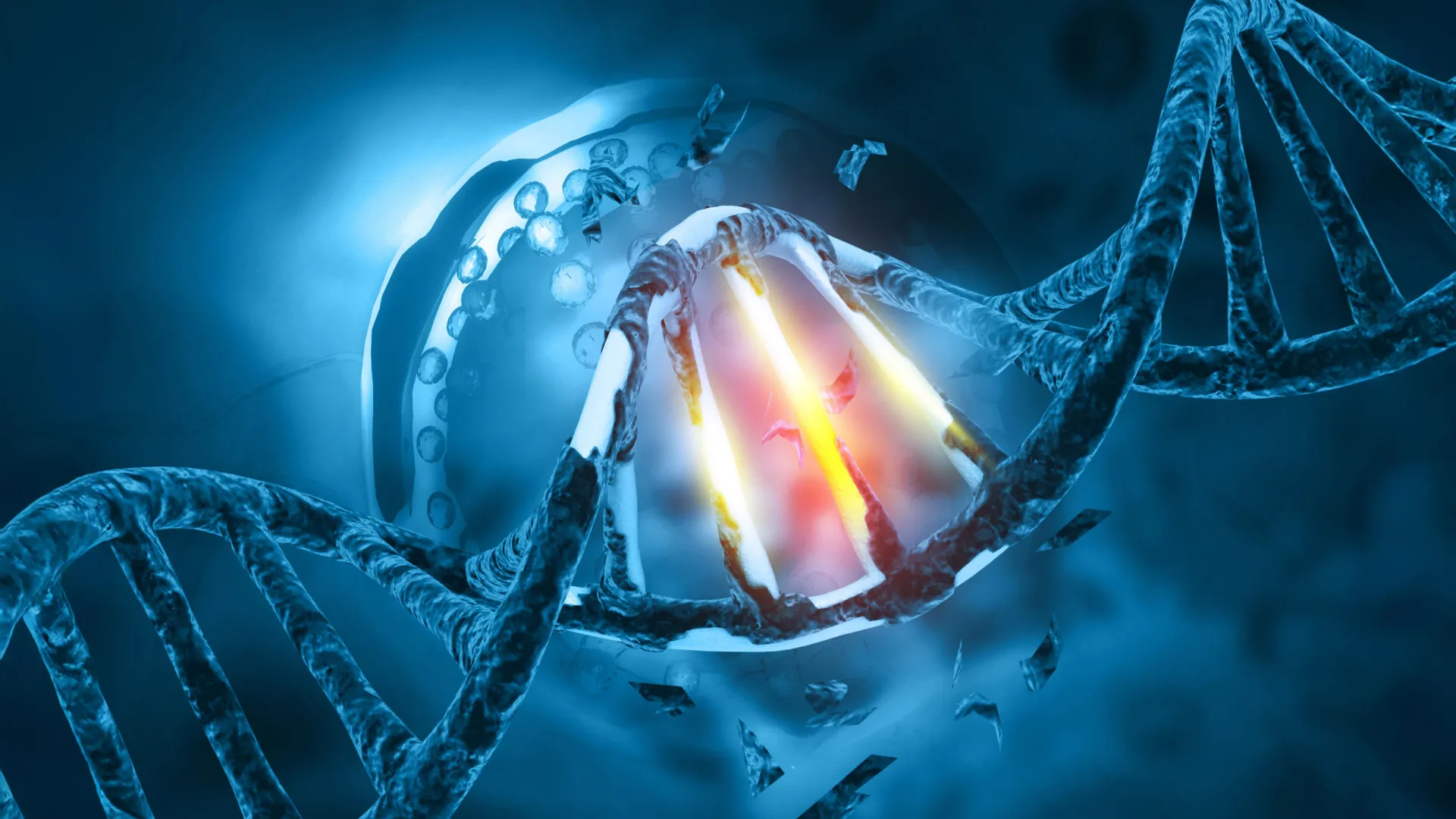
At the center of this discovery is a protein known as 15-hydroxyprostaglandin dehydrogenase, or 15-PGDH. The research team, led by Helen Blau, PhD, and Nidhi Bhutani, PhD, classifies 15-PGDH as a "gerozyme"—a type of enzyme that increases in prevalence as an organism ages, contributing to the progressive decline of tissue function. The identification of gerozymes is a relatively recent development in the field of gerontology, with this specific research team first highlighting their impact in 2023.
In previous investigations, the Stanford team established that 15-PGDH plays a critical role in the atrophy of muscle tissue. Their earlier work demonstrated that by blocking this protein, older mice could regain muscle mass and physical endurance levels comparable to much younger animals. Conversely, when the protein was artificially introduced into young mice, they suffered from premature muscle wasting. Beyond muscle and cartilage, 15-PGDH has been linked to the regenerative capacity of bone, nerve, and blood cells, marking it as a primary driver of systemic biological aging.
The mechanism by which 15-PGDH influences tissue health involves the regulation of Prostaglandin E2 (PGE2). This molecule is essential for the function of various progenitor cells and the maintenance of tissue integrity. 15-PGDH acts as a catalyst for the breakdown of PGE2; therefore, as levels of the gerozyme rise with age, the availability of PGE2 plummets, stripping the body of its natural ability to repair wear and tear. By inhibiting 15-PGDH, the researchers were able to stabilize PGE2 levels, effectively "unlocking" the body’s latent regenerative potential.
A Paradigm Shift in Tissue Regeneration
For decades, the prevailing scientific consensus was that cartilage regeneration, if possible at all, would require the introduction of stem cells. Because articular cartilage (the smooth, hyaline cartilage that lines the joints) lacks a robust blood supply and a high concentration of stem cells, it has a notoriously poor capacity for self-repair. However, the Stanford study has upended this assumption.
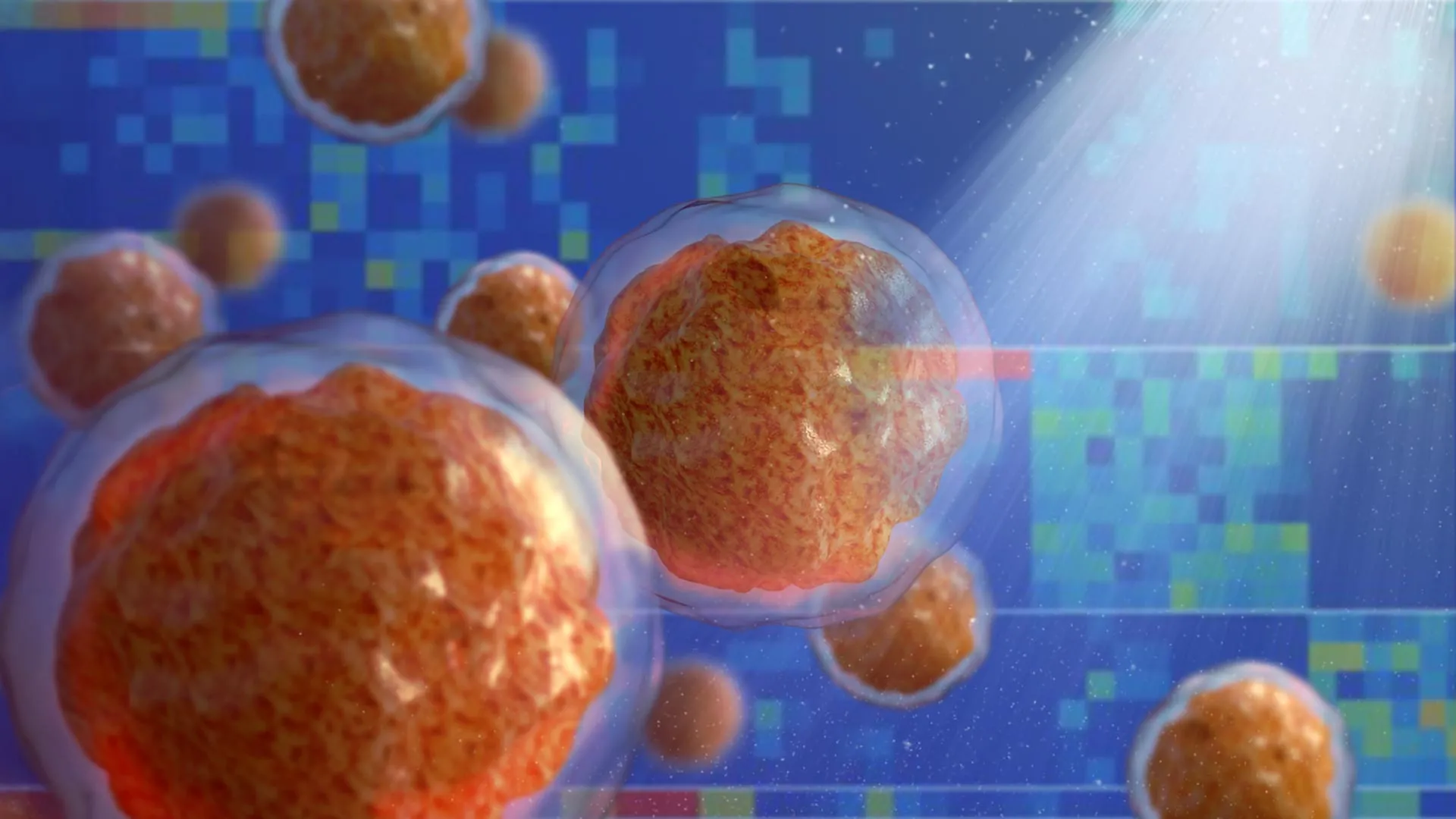
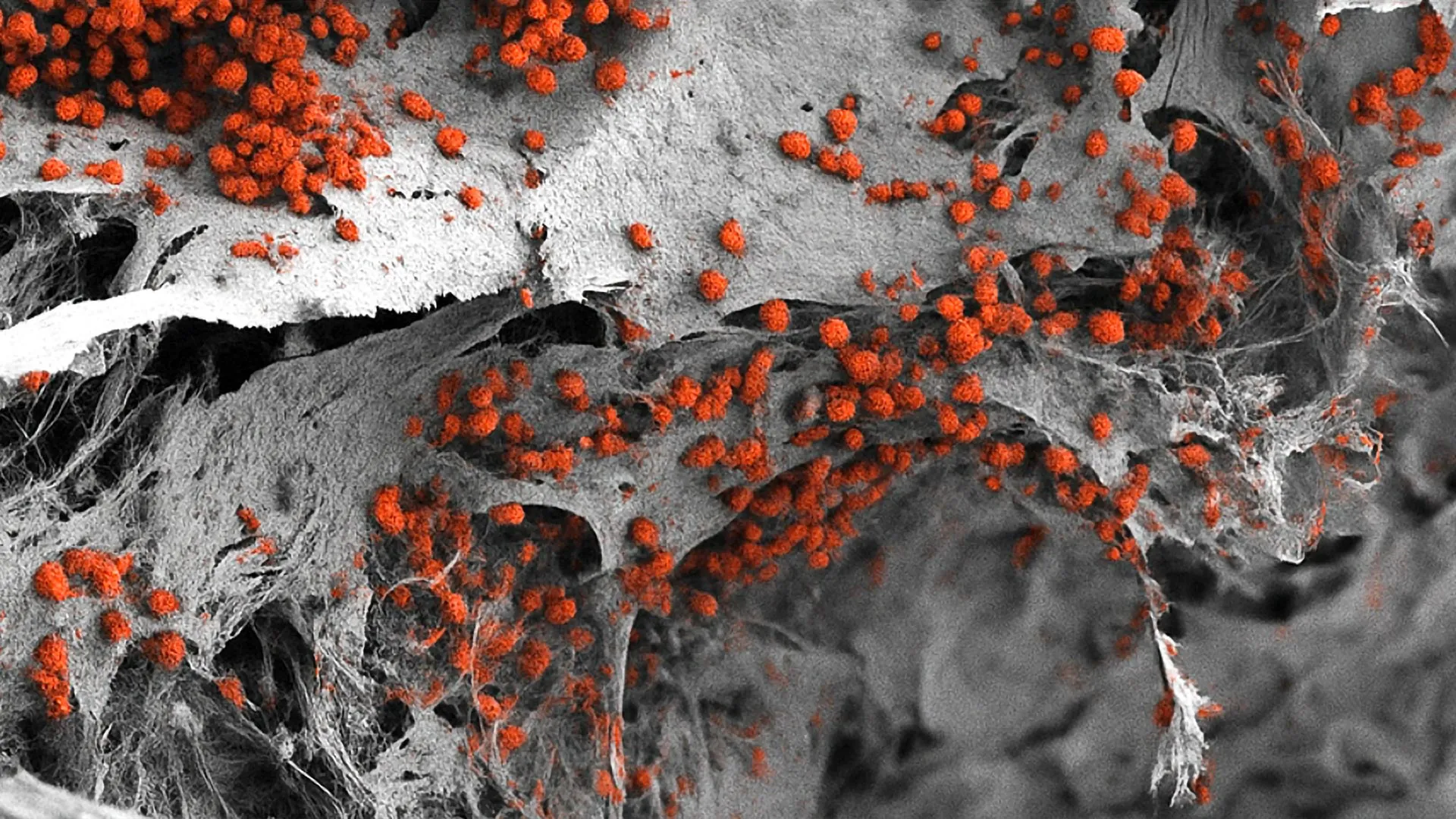
The researchers discovered that the regeneration observed in their trials did not stem from the multiplication of stem cells. Instead, it was driven by a process of cellular reprogramming within existing cartilage-producing cells, known as chondrocytes. When the 15-PGDH inhibitor was applied, these chondrocytes underwent a shift in gene activity, reverting from an inflammatory, aged state to a youthful, productive state.
"This is a new way of regenerating adult tissue, and it has significant clinical promise for treating arthritis due to aging or injury," stated Dr. Helen Blau, director of the Baxter Laboratory for Stem Cell Biology. "We were looking for stem cells, but they are clearly not involved. It’s very exciting." This discovery suggests that the human body may already possess the necessary cellular machinery to fix damaged joints, provided that the inhibitory "aging" proteins are kept in check.
Empirical Evidence: Restoring the Aging Joint
The study’s experimental phase involved treating older mice with a small-molecule drug designed to inhibit 15-PGDH. The results were described by the researchers as "remarkable." Whether the drug was administered through systemic abdominal injections or delivered locally into the knee joint, the outcome was consistent: the thinning, brittle cartilage characteristic of old age grew thicker and more resilient.
Crucially, the new growth was identified as hyaline cartilage. In many failed attempts at joint repair, the body produces fibrocartilage—a tougher, more fibrous material that is excellent for shock absorption in the spine but lacks the smoothness required for fluid joint movement. The ability of the 15-PGDH inhibitor to trigger the growth of genuine hyaline cartilage represents a significant milestone in orthopedic science.
In addition to addressing age-related decay, the researchers tested the treatment on a mouse model simulating an Anterior Cruciate Ligament (ACL) tear. ACL injuries are among the most common orthopedic traumas in humans, particularly in athletes. While surgery can stabilize the joint, approximately 50% of patients who suffer an ACL tear develop osteoarthritis within 15 years due to the initial trauma and subsequent inflammation.
In the study, mice treated with the gerozyme inhibitor for four weeks following an ACL-type injury were significantly less likely to develop osteoarthritis compared to the control group. The treated animals exhibited normal gait patterns and were able to bear weight on the injured limb much sooner. Laboratory analysis showed that untreated mice had 15-PGDH levels twice as high as uninjured mice, confirming that joint trauma triggers a spike in this aging protein, which then accelerates the onset of arthritis.
Validating Results with Human Tissue
To ensure the findings were applicable to human biology, the team analyzed cartilage removed from patients during knee replacement surgeries. These samples represented "end-stage" osteoarthritis, where the tissue is typically considered beyond repair.
After just one week of treatment with the 15-PGDH inhibitor, the human tissue samples showed a dramatic reversal in gene expression. The activity of genes associated with cartilage breakdown and the production of inferior fibrocartilage decreased. Simultaneously, the cells began to generate new articular cartilage. This transition confirmed that even in the presence of severe disease, human chondrocytes retain the ability to pivot back to a regenerative state if the biochemical environment is corrected.
Dr. Nidhi Bhutani, associate professor of orthopedic surgery and co-senior author, noted the clinical potential: "Millions of people suffer from joint pain and swelling as they age. It is a huge unmet medical need. Until now, there has been no drug that directly treats the cause of cartilage loss."
The Economic and Clinical Burden of Osteoarthritis
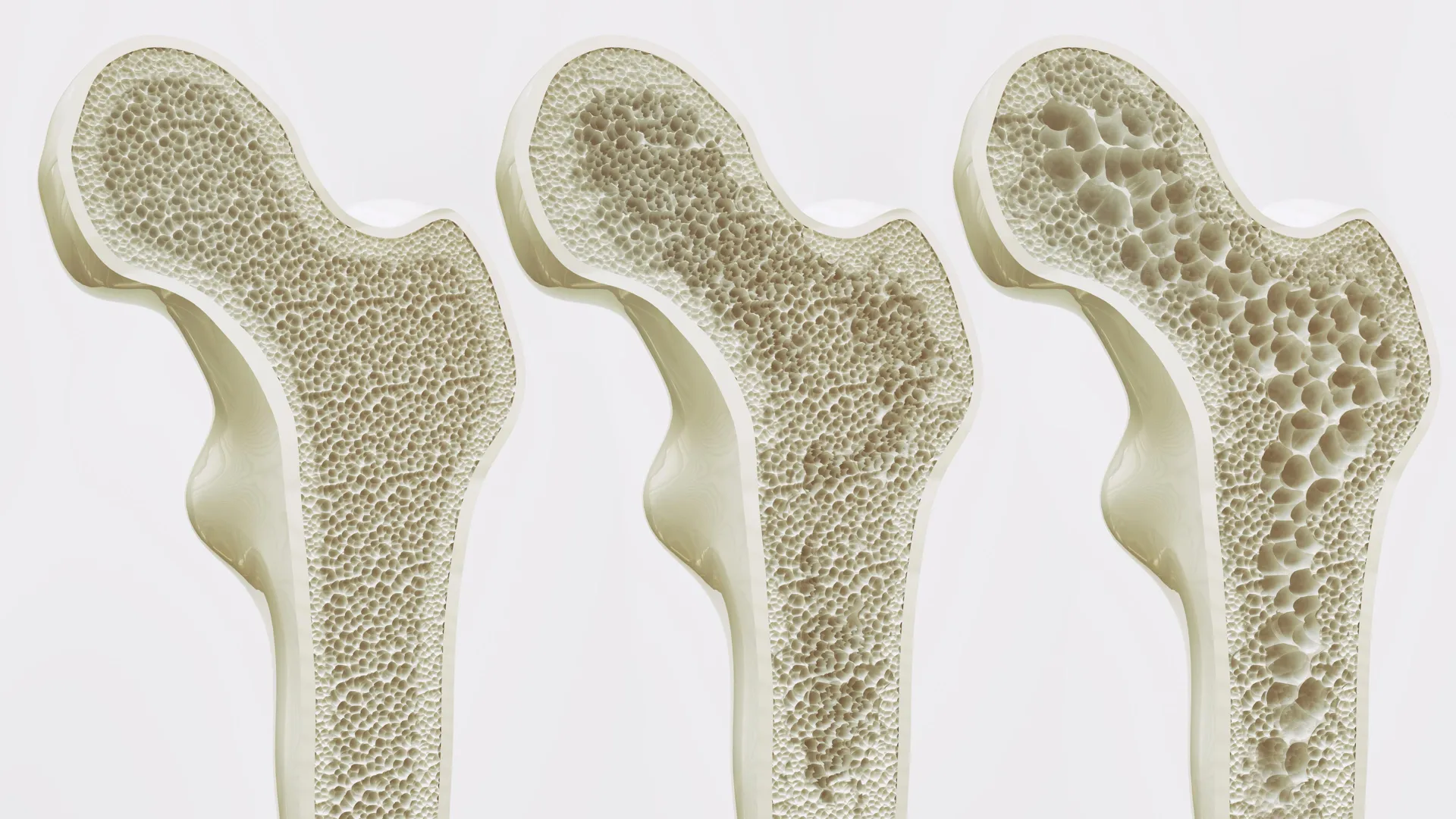
The societal impact of a successful gerozyme-based treatment cannot be overstated. Osteoarthritis currently affects approximately one in five adults in the United States, making it the leading cause of disability among the elderly. The disease is characterized by the gradual erosion of collagen and the extracellular matrix, leading to bone-on-bone contact, chronic pain, and a total loss of mobility.
Financially, the burden is staggering. Osteoarthritis is estimated to generate roughly $65 billion in direct healthcare costs annually in the U.S. alone. Current standards of care are largely palliative, focusing on pain management through NSAIDs or corticosteroid injections. When these fail, the only remaining option is total joint replacement—a major surgery with significant recovery times and a finite lifespan for the prosthetic implant.
If the 15-PGDH inhibitor can be successfully transitioned into a human therapeutic, it could potentially delay or eliminate the need for hundreds of thousands of hip and knee replacements each year. By treating the underlying cause—the biological aging of the cells—rather than just the symptoms, the medical community could move toward a model of "joint preservation" rather than "joint replacement."
Timeline and Future Clinical Outlook
The path toward a consumer-ready medication is already underway. Because 15-PGDH was previously identified as a target for muscle wasting, an oral version of the inhibitor is already being tested in Phase 1 clinical trials for age-related muscle weakness (sarcopenia). These early trials have already demonstrated that the inhibitor is safe and biologically active in human volunteers.
The Stanford team expressed optimism that clinical trials specifically targeting cartilage regeneration and osteoarthritis will follow shortly. The researchers have already licensed the technology through Stanford University patent applications to Epirium Bio, a biotechnology company focused on tissue rejuvenation.
While the transition from mouse models to human clinical success is never guaranteed, the biological consistency observed across muscle, bone, and now cartilage suggests that 15-PGDH is a fundamental regulator of mammalian aging. If the upcoming trials mirror the results seen in the laboratory, the medical community may be on the verge of the first true "anti-aging" medication for the musculoskeletal system.
In the words of Dr. Blau, the prospect is transformative: "Imagine regrowing existing cartilage and avoiding joint replacement." For the millions currently living with the limitations of osteoarthritis, that prospect represents a shift from managing a decline to restoring a life of movement.