Chronic myeloid leukemia (CML), a malignancy of the white blood cells characterized by the presence of the Philadelphia chromosome, has long been a focal point of oncological research due to its distinct genetic origin. A landmark study published on April 9 in the journal Nature has now provided unprecedented insights into the early evolution of this cancer, revealing that the disease undergoes a period of "explosive" growth years before symptoms manifest or a diagnosis is made. Conducted by researchers at the Wellcome Sanger Institute in collaboration with international partners, the study utilizes advanced genomic "clocks" to trace the lineage of cancerous cells back to their point of origin. The findings suggest that CML is a biological outlier in the world of oncology, driven by a single genetic event that triggers a rate of cellular expansion significantly higher than that observed in most other blood cancers or solid tumors.
The Genetic Architecture of Chronic Myeloid Leukemia
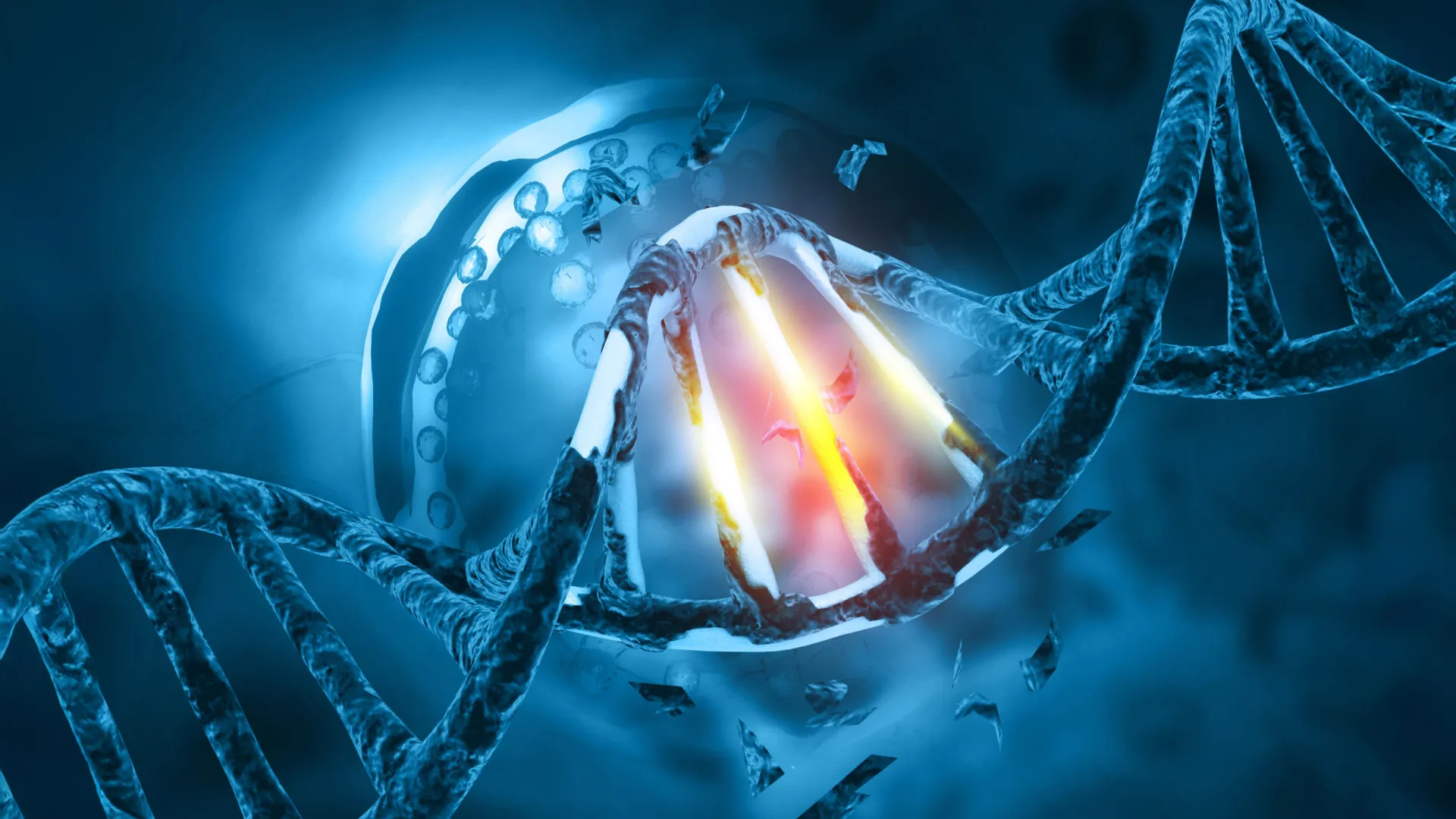
To understand the significance of the new findings, one must first examine the specific genetic anomaly that defines CML. The disease is primarily driven by the formation of the BCR::ABL1 fusion gene. This occurs through a process known as reciprocal translocation, where pieces of chromosome 9 and chromosome 22 break off and trade places. Specifically, a portion of the ABL1 gene from chromosome 9 attaches to the BCR gene on chromosome 22. The resulting shortened chromosome 22 is famously referred to as the Philadelphia chromosome.
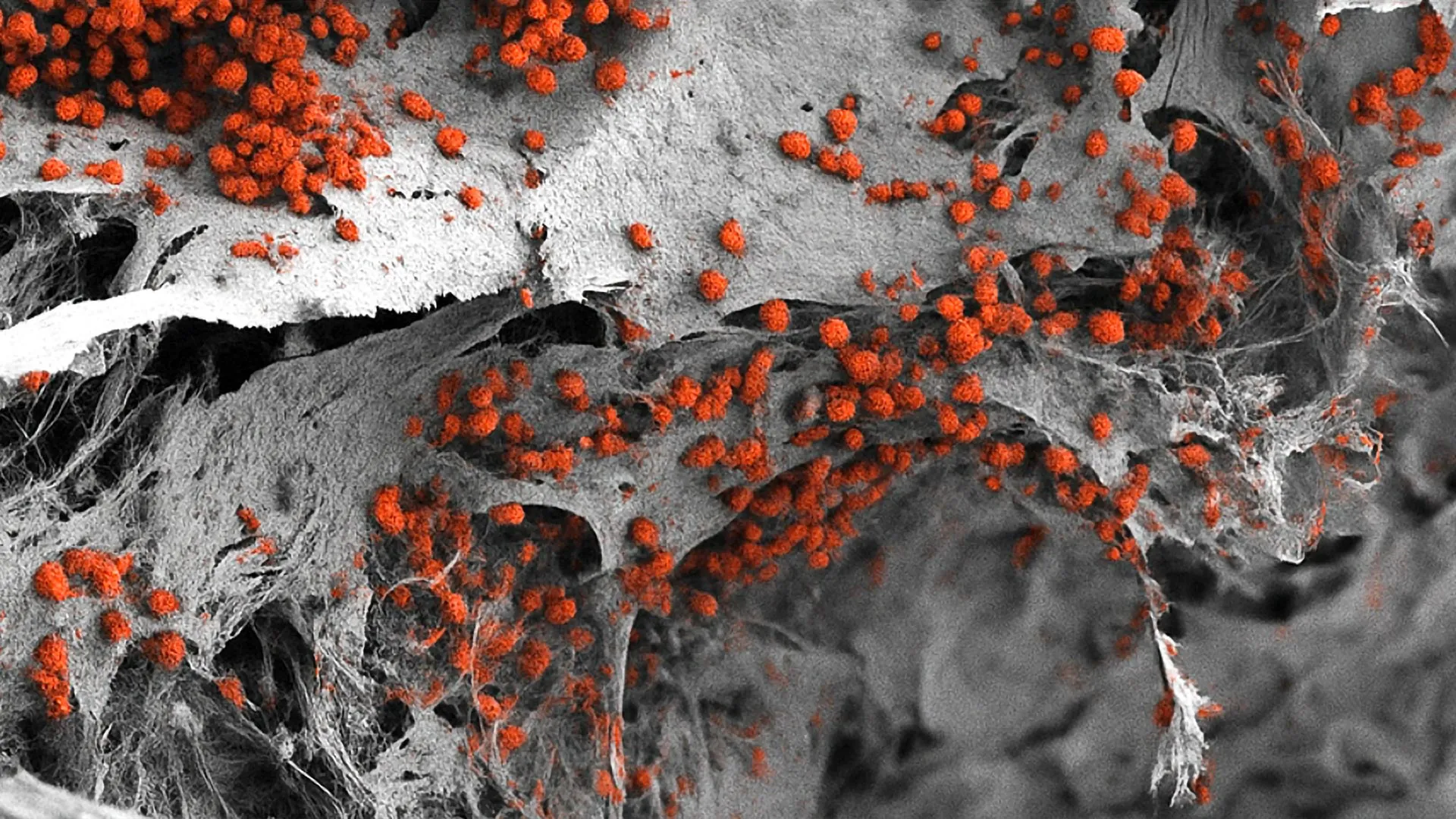
This fusion gene acts as a constitutive "on switch" for tyrosine kinase, an enzyme that signals cells to divide. In a healthy system, cell division is a tightly regulated process; however, the BCR::ABL1 protein causes the bone marrow to produce an unregulated overflow of abnormal white blood cells (granulocytes). These leukemia cells eventually crowd out healthy blood components, leading to the clinical symptoms of the disease, such as fatigue, fever, and splenomegaly.
While the existence of the Philadelphia chromosome has been known since 1960, the timeline of its development and the speed at which it drives the disease remained a mystery until now. The Sanger Institute study sought to bridge this gap by determining exactly when the fusion first occurs in a patient’s life and how the resulting "clone" of cells behaves in the years leading up to diagnosis.
Mapping the Evolutionary History of Cancer Cells
The research team employed a sophisticated technique known as whole-genome sequencing of single-cell colonies. By analyzing over 1,000 whole genomes from the blood cells of nine patients—ranging in age from 22 to 81—the researchers were able to reconstruct the "family trees" of these cells, a field known as phylogenetics.
Every time a human cell divides, it acquires a small number of random genetic mutations. These mutations are largely harmless, but they serve as a permanent record of the cell’s history. By comparing these "molecular barcodes" across hundreds of cells, the researchers could work backward to identify the exact moment the BCR::ABL1 fusion occurred.
The results were startling. The phylogenetic trees indicated that the initial BCR::ABL1 mutation typically appeared between three and 14 years before the patient received a clinical diagnosis. This window is remarkably short compared to other cancers. For instance, many solid tumors or myeloproliferative neoplasms (other types of blood disorders) can take 30 to 40 years to progress from the first mutation to a detectable mass or symptomatic disease.
Unprecedented "Explosive" Growth Rates
The most significant finding of the study is the sheer velocity of CML progression once the fusion gene is present. The researchers observed that tumor clones—the group of cells descending from the original mutated cell—grew at rates sometimes exceeding 100,000 percent annually.
This growth rate is virtually unmatched in the landscape of cancer biology. In most malignancies, multiple "hits" or genetic mutations must accumulate over decades to bypass the body’s natural defenses and achieve rapid growth. CML, however, appears to be a "one-hit" cancer where the single BCR::ABL1 fusion provides such a powerful proliferative advantage that the cells can overwhelm the system in a fraction of the time required by other cancers.
The study highlighted that while most cancers develop through a slow, creeping accumulation of genetic errors, CML operates with an aggressive, singular efficiency. This explains why the disease can appear relatively suddenly in patients who had healthy blood counts only a few years prior.
The Influence of Age on Disease Progression
A key variable identified by the Sanger Institute team was the age of the patient at the time of the mutation. The data revealed a clear correlation between youth and growth velocity: younger patients exhibited significantly higher rates of cancerous cell multiplication than older patients.
While the study did not definitively identify the cause of this disparity, researchers suggest it may be linked to the "fitness" of the bone marrow environment. In younger individuals, the hematopoietic stem cells (the parent cells of all blood) are naturally more active and proliferative. When the BCR::ABL1 mutation occurs in this high-energy environment, it may "hijack" the existing cellular machinery more effectively than it would in the more dormant bone marrow of an older individual. This finding has profound implications for how clinicians approach the treatment of younger CML patients, who may require more aggressive monitoring due to the speed of their disease evolution.
Treatment Response and the Tyrosine Kinase Inhibitor Challenge
The discovery of the BCR::ABL1 gene in the late 20th century led to one of the greatest success stories in modern medicine: the development of Tyrosine Kinase Inhibitors (TKIs). Drugs like Imatinib (Gleevec) were designed to specifically target and "turn off" the protein produced by the fusion gene. Before TKIs, CML was often a fatal diagnosis; today, most patients have a near-normal life expectancy.
However, a significant clinical hurdle remains: approximately 20 percent of patients do not respond well to TKI therapy. The Sanger Institute study provides a potential explanation for this phenomenon. The researchers found that patients with the fastest-growing CML clones were the ones most likely to show a poor response to standard TKI treatments.
By quantifying the growth rate of the cancer prior to treatment, doctors may eventually be able to predict which patients are at risk of treatment failure. This would allow for a more personalized approach, potentially moving those with high-velocity cancer to second- or third-generation TKIs or clinical trials much earlier in their treatment journey.
Insights from the "All of Us" Research Program
To validate their findings on a larger scale, the researchers turned to the "All of Us" Research Program, a massive database in the United States containing health records and genomic data from over 200,000 participants. They wanted to determine if individuals could carry the BCR::ABL1 fusion gene as a "benign" presence without ever developing leukemia.
In some other blood conditions, such as Clonal Hematopoiesis of Indeterminate Potential (CHIP), individuals can carry mutated cells for decades without the disease ever progressing to a full-blown malignancy. However, the analysis of the "All of Us" cohort suggested that CML is different. Almost every individual identified with the BCR::ABL1 fusion was either already diagnosed with a blood disorder or went on to develop one shortly thereafter.
This confirms the "uniquely strong ability" of the fusion gene to drive disease. It suggests that once the Philadelphia chromosome is formed, the path to leukemia is almost inevitable and rapid, reinforcing the need for early detection and intervention.
Historical Context and Scientific Reactions
The study represents a major milestone in a research timeline that spans over 150 years. CML was first described in the mid-19th century by John Hughes Bennett and Rudolf Virchow. For over a century, it was treated with primitive methods like arsenic or radiation. The 1960 discovery of the Philadelphia chromosome by Peter Nowell and David Hungerford marked the first time a specific genetic abnormality was linked to a specific type of cancer.
Following the publication in Nature, the scientific community has reacted with optimism regarding the potential for clinical application. Dr. Aleksandra Kamizela, co-first author of the study, emphasized the gap between current clinical tools and the new genomic insights. "In a clinical setting, healthcare professionals perform tests to measure a patient’s response to treatment, but they are not able to routinely see differences in the genetic cause of CML at the DNA level," Kamizela noted. She suggested that future studies should focus on whether measuring these growth rates can become a standard part of diagnostic workups.
Dr. Jyoti Nangalia, the study’s senior author and a hematologist at the University of Cambridge, highlighted the outlier status of CML. "We have shown that CML cells undergo incredibly rapid growth within a few years to a decade before diagnosis, whereas for most cancers, the timeline is several decades. This work paves the way to understanding how we might optimize treatment for those patients that currently respond poorly."
Broader Implications for Cancer Research
The implications of this study extend beyond the realm of leukemia. By proving that a single genetic event can drive such explosive growth, the research challenges the prevailing "multi-step" theory of carcinogenesis for certain types of cancer. It also underscores the power of phylogenetic modeling in understanding the "dark period" of cancer—the years between the first mutation and clinical presentation.
Furthermore, the link between pre-diagnostic growth rates and treatment efficacy suggests a new dimension of oncology. Traditionally, treatment is based on the state of the cancer at the time of diagnosis (size, spread, and current genetic markers). This research suggests that the history and velocity of the cancer’s development are equally important factors in determining how it will behave when challenged by medication.
As genomic sequencing becomes more affordable and accessible, the ability to reconstruct a tumor’s "family tree" could become a vital tool in the oncologist’s arsenal. For CML patients, this could mean the difference between a standard treatment plan and a highly tailored strategy designed to counter the specific biological momentum of their disease.
Future Directions
While the study provides a robust framework for understanding CML evolution, the researchers acknowledged that larger patient cohorts are needed to fully validate the link between growth rates and TKI resistance. Future research will likely investigate the biological mechanisms that allow BCR::ABL1 to drive such rapid expansion and whether there are secondary mutations—undetectable by current standards—that contribute to the growth "explosions" observed in younger patients.
For now, the study stands as a definitive look at the hidden years of chronic myeloid leukemia, revealing a disease that, while singular in its cause, is terrifyingly efficient in its execution. The ability to "look back in time" has provided a new map for the future of leukemia treatment, offering hope for the 20 percent of patients who have yet to benefit from the TKI revolution.