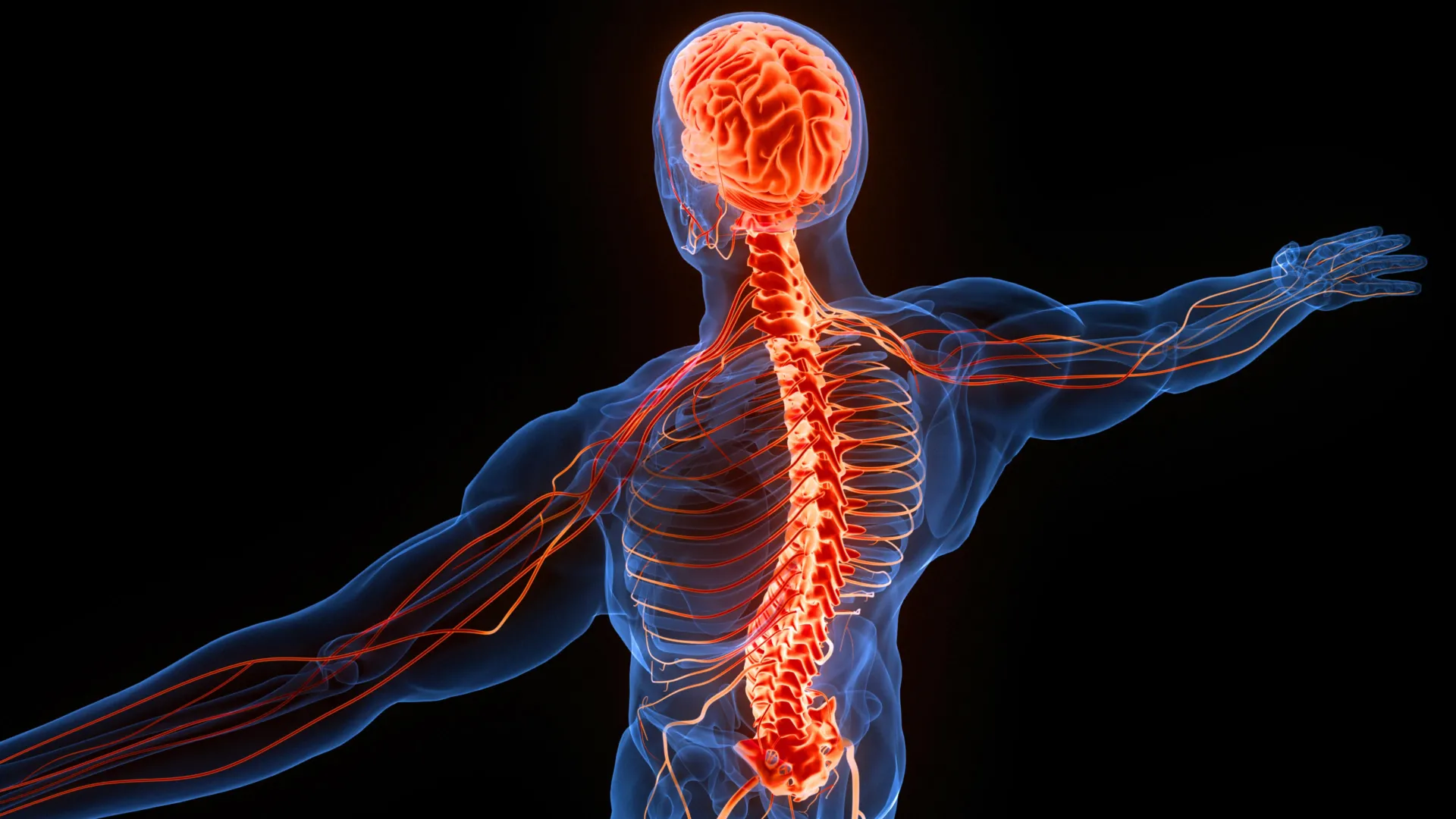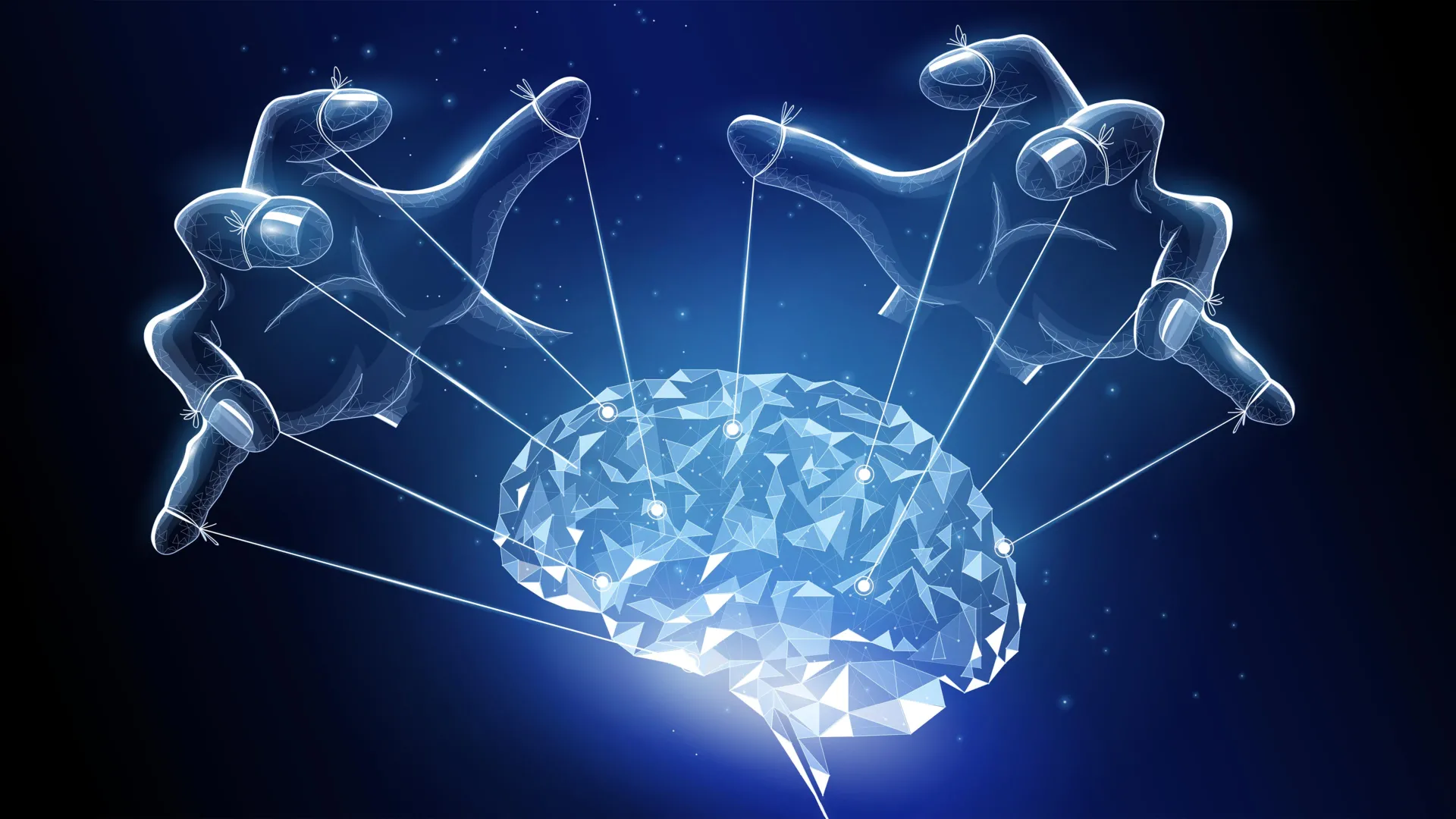
Standing in a bustling bakery, the internal dialogue between selecting a glazed doughnut or a fruit-topped tart feels like a profound exercise in autonomy. This process—weighing personal cravings against caloric goals—is the hallmark of what we define as a "free choice." Conversely, arriving at the counter only to find the doughnut sold out, leaving the tart as the sole option, feels like a fundamentally different mental operation: a forced, reactive necessity. However, a significant study recently published in the journal Imaging Neuroscience suggests that the biological architecture governing these two experiences is remarkably uniform, challenging long-held assumptions about how the human brain processes volition.
The Mechanics of Decision-Making
For decades, neuroscientists have operated under the assumption that "free" choices—those dictated by personal values, history, and internal preferences—are neurologically distinct from "forced" choices, which are governed by external constraints. The logic was intuitive: if a decision is based on personal identity, it must require a more complex, distinct neural pathway compared to a simple, binary identification of an available object.
Prior brain imaging studies have reinforced this dichotomy by showing disparate patterns of neural activation across various cortical regions. Yet, these studies often focused on the geography of the brain—where activity occurs—rather than the temporal dynamics of how a decision is actually constructed. By shifting the focus to the "how" rather than the "where," researchers have uncovered a unified mechanism that treats all choices as a process of accumulating evidence.
Chronology of Evidence-Based Decision Theory
The current understanding of decision-making is rooted in decades of research into "evidence accumulation models." This theoretical framework posits that the brain does not make decisions in a vacuum; instead, it acts as a mental judge, continuously collecting data until a threshold is reached.
In the 1990s and early 2000s, seminal research established that when a subject is presented with sensory information, such as the color of a traffic light, the brain builds a signal that rises toward a specific decision boundary. This process is analogous to a digital loading bar. When the signal hits 100%, a motor response—pressing a button or reaching for a pastry—is triggered.
The recent research led by scientists at the University of Melbourne and collaborators takes this model out of the realm of simple sensory perception and into the domain of preference-based choice. By tracking the neural electrical activity of participants as they chose between various colored balloons—some presented as open-ended choices and others as forced selections—researchers observed that the "loading bar" phenomenon persisted regardless of the task type.
Supporting Data and Experimental Results
The study monitored brain signals in real-time as participants made both free and forced selections. The findings revealed a striking similarity in the neural signatures of both types of decisions. In both scenarios, the brain activity climbed steadily to the same peak level just before the action was executed.
Crucially, the study identified a correlation between the speed of the signal and the speed of the decision. When participants reached a decision quickly, the neural "loading bar" spiked rapidly. When the process was more deliberate, the signal increased at a slower, more measured pace. This suggests that the brain is consistently calculating a weight for each option, whether the "weight" is derived from external reality or internal preference.
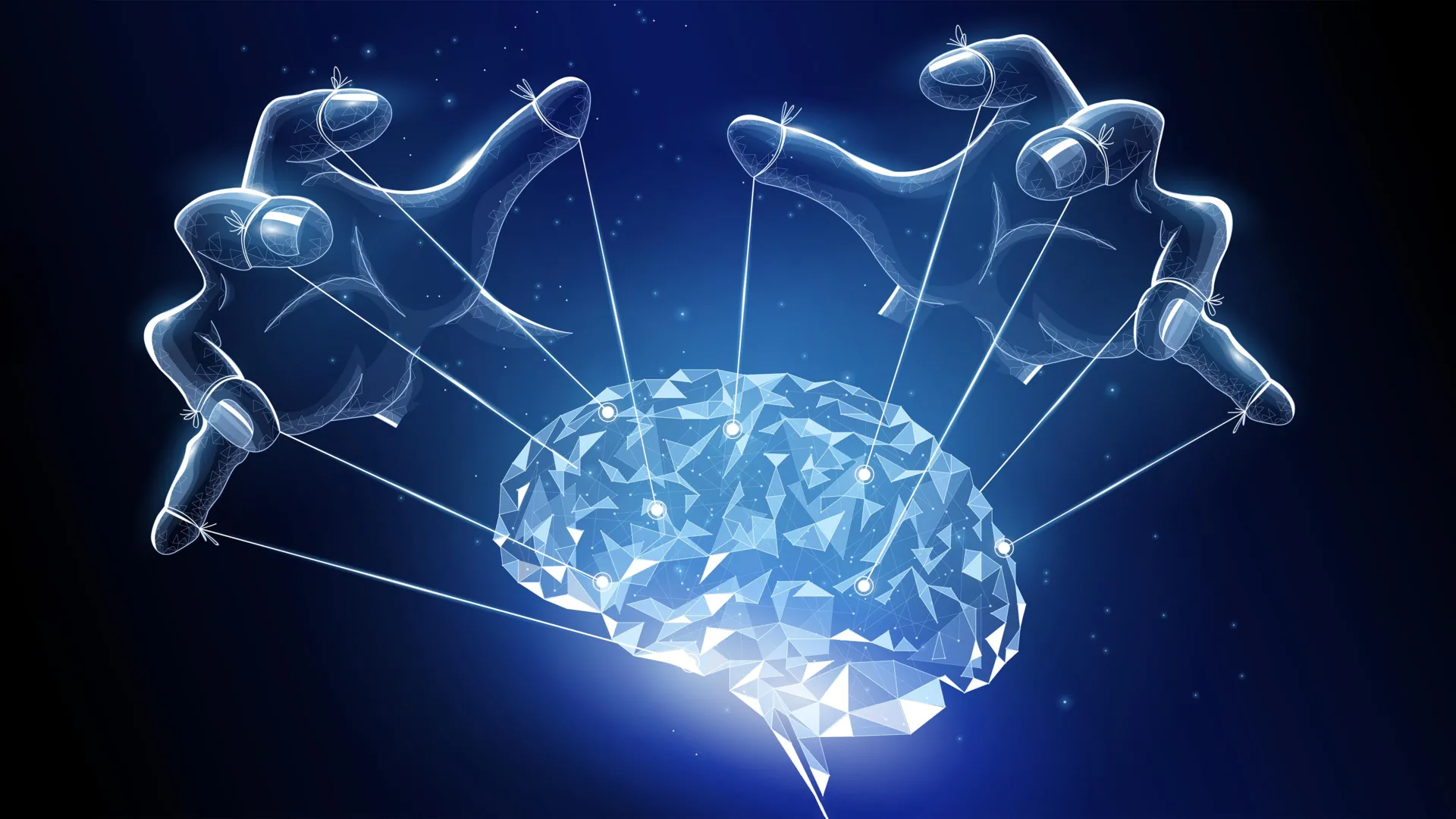
The study also addressed the "noisy" nature of neural firing. Brain activity is rarely a smooth, upward trajectory; it fluctuates. These fluctuations explain the variability in human behavior—why a person might choose the doughnut on Monday but the tart on Tuesday, even if their preference for the doughnut remains theoretically higher. This "noise" suggests that our decision-making process is inherently probabilistic rather than perfectly deterministic.
Historical Context: The Libet Legacy
This research does not exist in a vacuum; it revives one of the most controversial debates in neuroscience, sparked in the 1980s by physiologist Benjamin Libet. Libet’s experiments famously demonstrated that brain activity associated with the intention to move occurred hundreds of milliseconds before the subject was consciously aware of their decision to act.
Critics of Libet often argued that his experiments involved simple motor tasks that did not reflect the complexities of "free will." However, the latest findings suggest that even when we are making choices we deem "meaningful" or "personal," the brain’s foundational mechanism is essentially the same as the one Libet identified. This raises an uncomfortable question: if the neural process for both free and forced decisions is identical and occurs before conscious awareness, is our sense of "choice" an illusion?
Implication Analysis: Redefining Autonomy
While the findings might seem to diminish the concept of free will, researchers argue for a more nuanced interpretation. The uniformity of the neural process does not mean the brain is acting randomly or without purpose. Rather, it means that the "evidence" being accumulated is highly personalized.
When a person chooses a tart, the brain is not merely reacting to a stimulus; it is aggregating a lifetime of data—cultural influences, personal memories, metabolic needs, and long-term health goals. The "loading bar" is not being filled by random noise, but by the weighted sum of an individual’s identity. Two individuals may undergo the exact same neural loading process, yet arrive at different conclusions because their underlying "evidence banks" contain vastly different data.
From a clinical and psychological perspective, these findings have significant implications. Understanding that the brain uses a universal mechanism for decision-making could lead to better interventions for conditions where decision-making is impaired, such as obsessive-compulsive disorder (OCD) or certain types of addiction, where the "evidence accumulation" process may be skewed or dysregulated.
Broader Impact and Future Research
The scientific community is currently evaluating these findings with interest. By bridging the gap between forced and free choice, the study provides a more cohesive model of the human mind. It suggests that the brain is an efficient, evidence-gathering machine that prioritizes speed and consistency, whether the stakes are as trivial as a bakery item or as significant as a life-altering career move.
Moving forward, the challenge for neuroscientists will be to map exactly how the brain distinguishes between different types of evidence. While the "loading bar" mechanism is the same, the brain must have a way to categorize whether it is processing visual data or internal value-based preferences. Future studies will likely utilize higher-resolution imaging to determine if specific neural sub-circuits are responsible for feeding different "data" into the primary decision-making mechanism.
In the final analysis, the research does not suggest that free will is a myth. Instead, it suggests that free will is a sophisticated, biological integration process. The next time you find yourself standing in a queue, weighing your options, take comfort in the fact that your brain is performing a highly complex, internal calculation. While the process may be faster and more automatic than you realize, it is the cumulative result of everything that makes you who you are. The decision you reach, while governed by the universal laws of neural activity, remains uniquely and fundamentally your own.