The foundations of modern physics have long rested upon a profound internal contradiction between two extraordinarily successful but mutually incompatible pillars: Albert Einstein’s general relativity and the principles of quantum mechanics. While general relativity provides a seamless description of the macro-cosmos, explaining gravity as the curvature of a smooth spacetime fabric, quantum mechanics governs the discrete, probabilistic world of subatomic particles and fundamental forces. For decades, the quest for a "Theory of Everything" has sought to bridge this divide, yet discrepancies remain regarding the nature of black holes, the identity of dark matter, and the accelerating expansion of the universe. A new theoretical framework known as the Quantum Memory Matrix (QMM) proposes a radical solution to this impasse by suggesting that the most fundamental constituent of reality is not matter, energy, or even spacetime itself, but information.
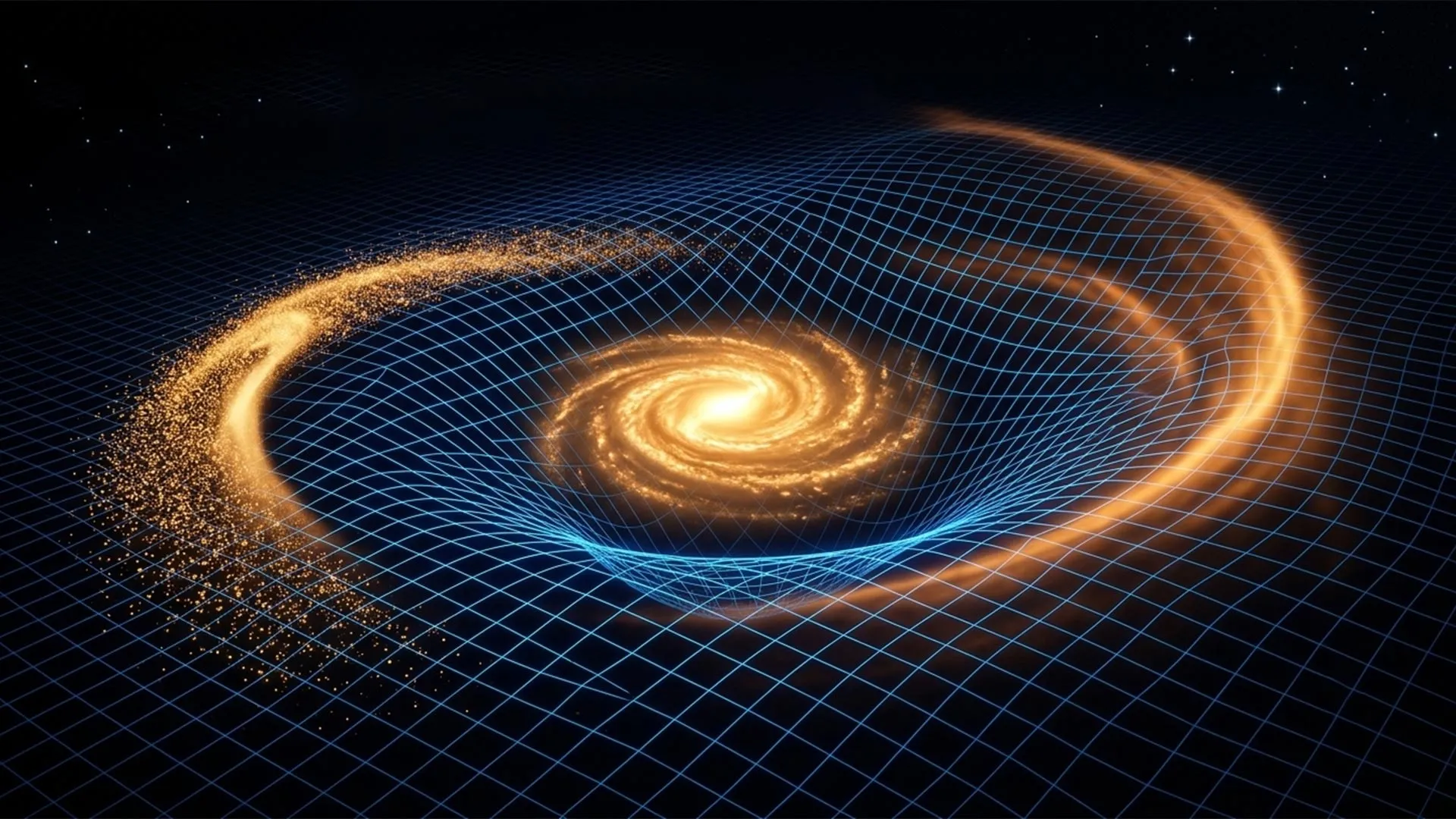
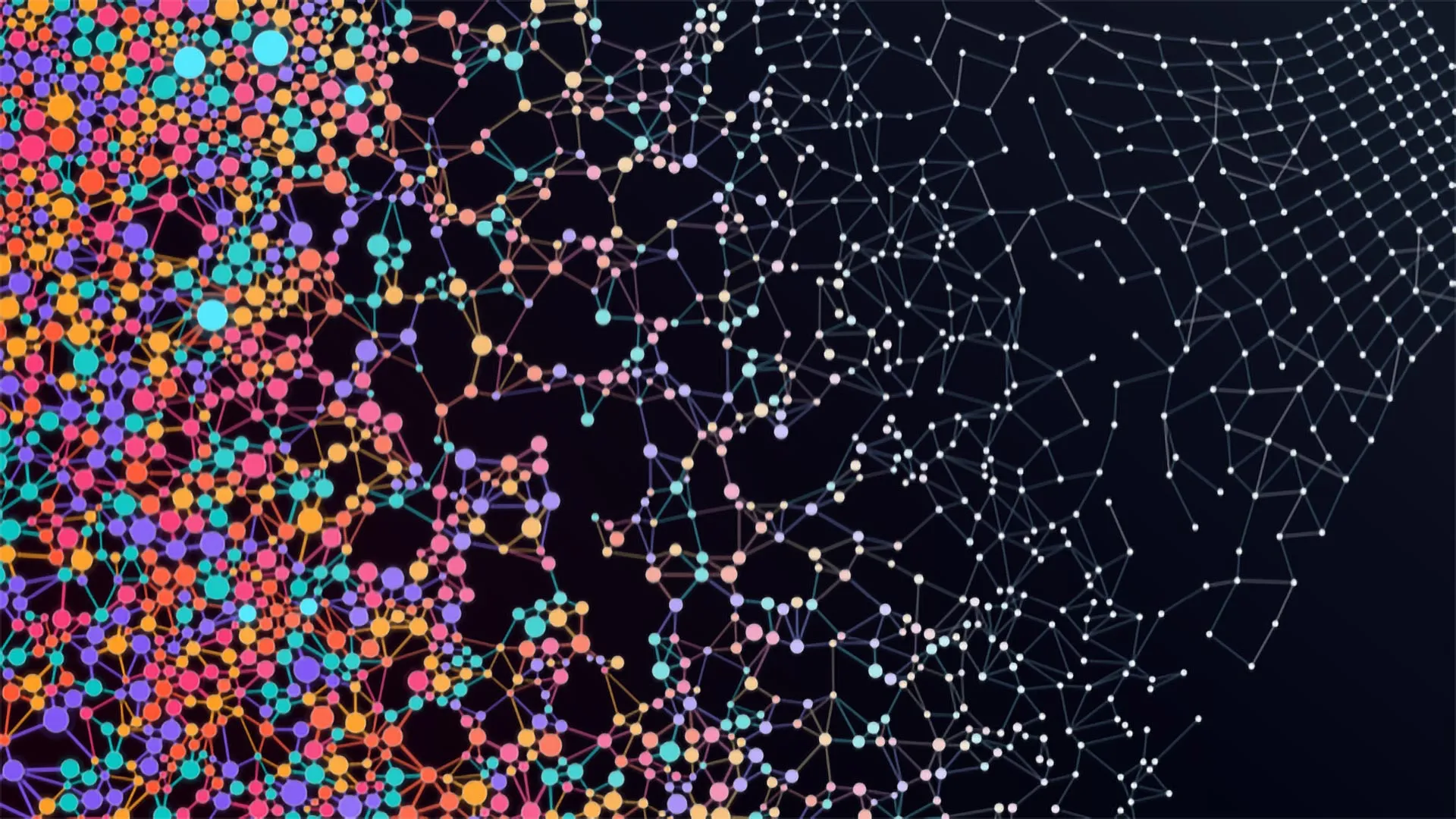
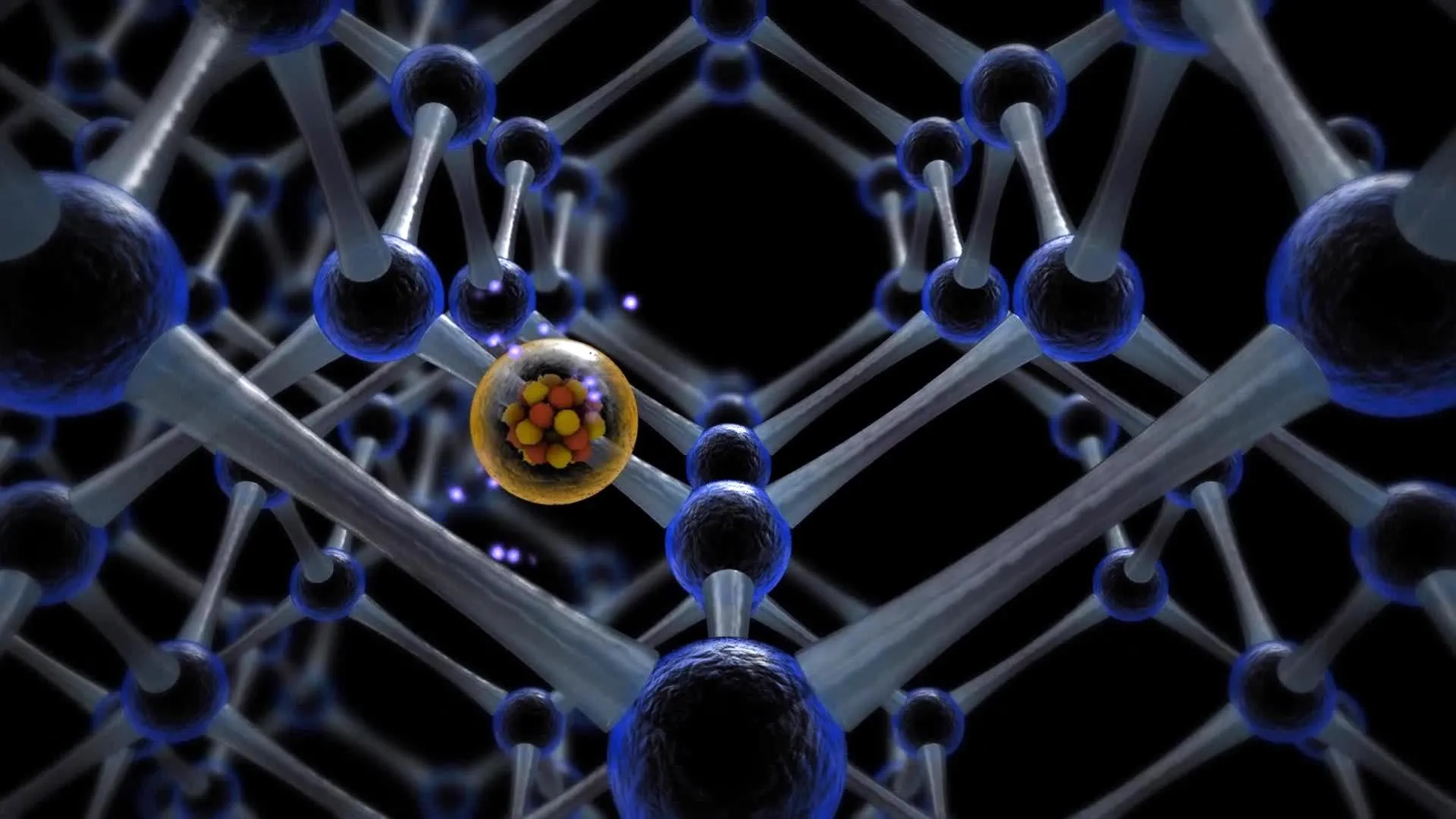
Developed by an international team of researchers, the QMM framework posits that spacetime is not a continuous, smooth void, but is instead composed of discrete, microscopic "cells." This conceptualization aligns with the "quantized" nature of reality suggested by quantum mechanics. According to the QMM model, each of these spacetime cells functions as a localized storage unit capable of retaining a quantum "imprint" of every interaction that occurs within its vicinity. Whether it is the transit of a high-energy particle or the influence of a fundamental force like electromagnetism, the event leaves behind a permanent, reversible change in the local quantum state of the spacetime cell. Under this paradigm, the universe does not merely exist as a stage for physical events; it functions as a cosmic ledger that remembers its own history.
The Resolution of the Black Hole Information Paradox
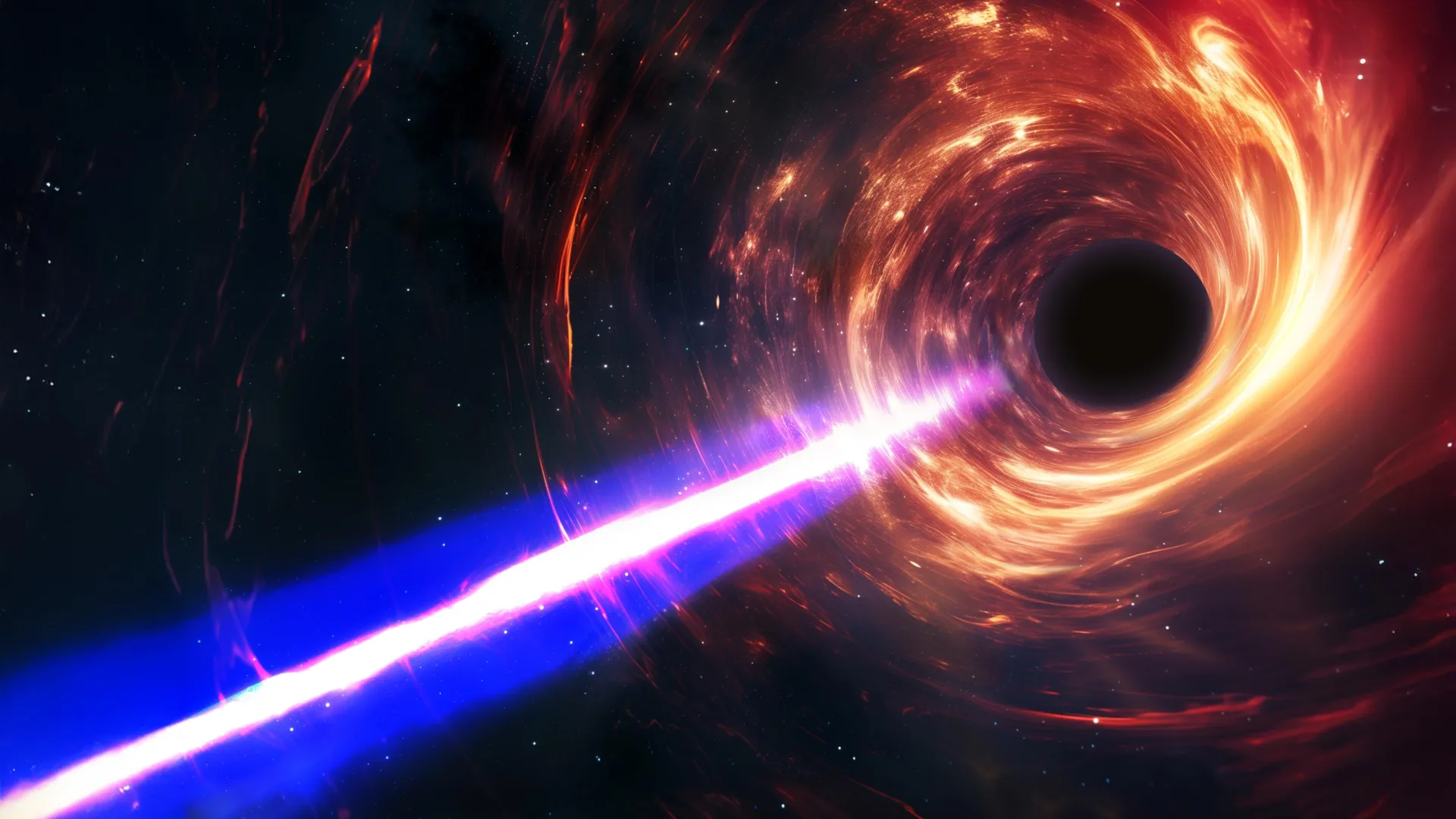
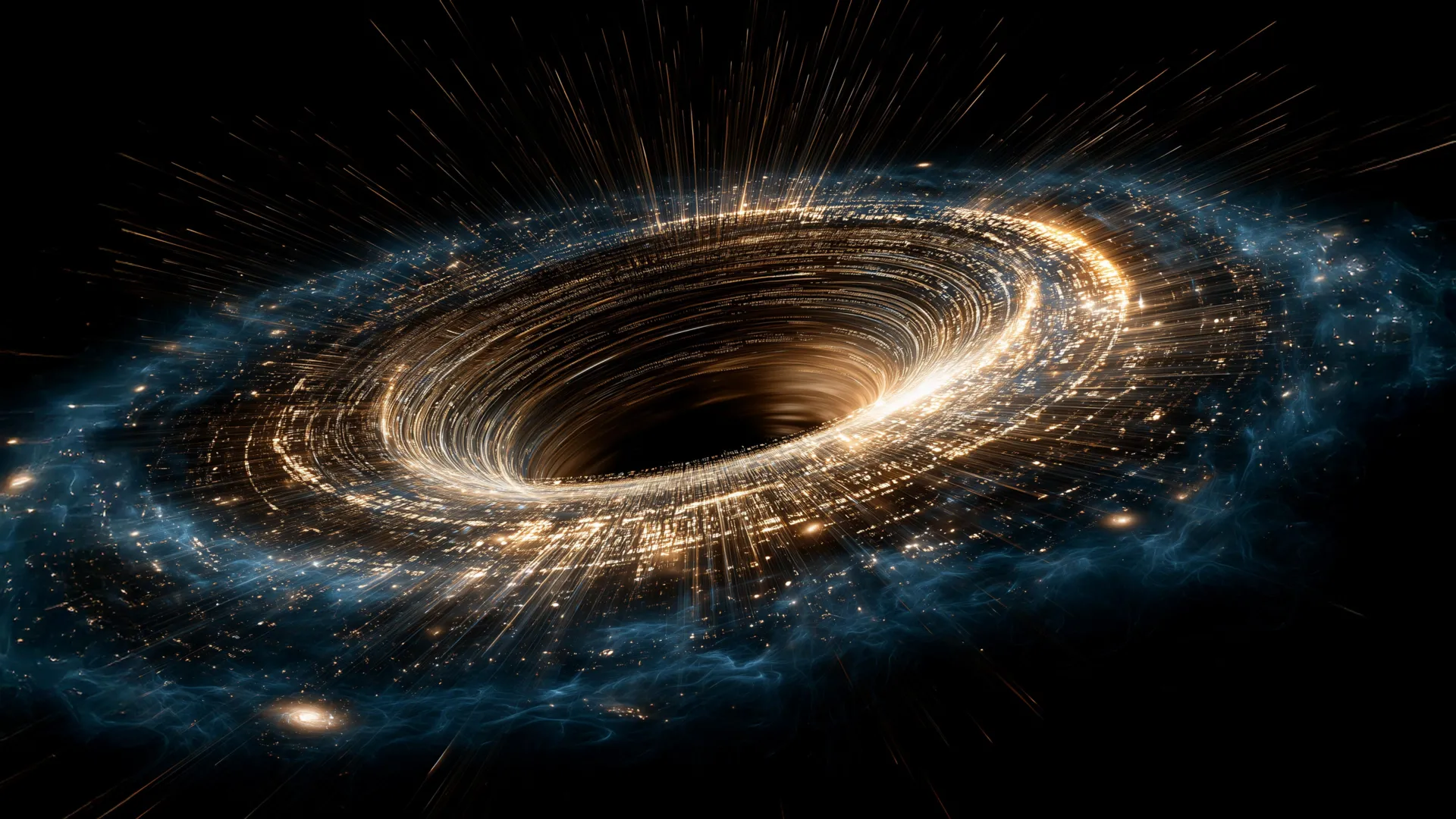
The genesis of the QMM framework lies in the long-standing black hole information paradox, a problem that has bedeviled physicists since Stephen Hawking first proposed that black holes emit radiation and eventually evaporate. General relativity suggests that any matter or information crossing the event horizon is effectively deleted from the observable universe. Conversely, a core tenet of quantum mechanics—the principle of unitarity—dictates that information can never be destroyed. This contradiction has led to various "firewall" theories and holographic principles, but none have fully reconciled the two fields.
The Quantum Memory Matrix offers a mechanical solution to this paradox through the "imprint operator." As matter approaches and falls into a black hole, the surrounding spacetime cells record the quantum signature of that matter. Even as the physical object crosses the event horizon and is eventually lost to the singularity, its informational footprint remains embedded in the structure of spacetime itself. Consequently, when a black hole evaporates via Hawking radiation, the information is not "lost" because it was never solely contained within the black hole’s interior; it was written into the memory of the vacuum. This reversible mathematical rule ensures that the conservation of information is maintained throughout the life cycle of any celestial object.
Extending the Framework: From Gravity to Nuclear Forces
While the initial development of QMM focused on gravity, the research team has recently expanded the scope of the theory to include the other fundamental forces of nature. In studies published in journals such as Entropy and Preprints, researchers demonstrated that the strong and weak nuclear forces—responsible for holding atomic nuclei together and governing radioactive decay—also leave detectable traces in the spacetime matrix.
Most recently, the framework was extended to electromagnetism. Even a static electric field is theorized to alter the memory state of local spacetime cells. This expansion suggests that the QMM is not merely a theory of gravity, but a comprehensive informational language that describes all physical interactions. By treating every force as an "imprint" on a discrete medium, the researchers have identified what they call the "geometry-information duality." This principle suggests that the physical geometry of the universe—the "shape" of space—is determined not just by the presence of mass and energy, as Einstein proposed, but by the distribution and entanglement of quantum information.
Redefining Dark Matter and Dark Energy
Perhaps the most significant implications of the QMM framework involve the "dark" sectors of cosmology, which account for approximately 95% of the energy-matter content of the universe but remain invisible to traditional instruments. Current models require the existence of "WIMPs" (Weakly Interacting Massive Particles) to explain why galaxies rotate faster than their visible mass should allow, yet decades of searches have failed to detect these particles.
The QMM framework provides an alternative explanation that does not require exotic new particles. According to recent studies currently under peer review, the "clumps" of informational imprints left behind by historical cosmic events behave gravitationally exactly like dark matter. These informational residues cluster around galaxies, providing the additional gravitational "glue" needed to explain observed orbital speeds.
Similarly, the theory addresses the mystery of dark energy—the force driving the accelerated expansion of the universe. The QMM suggests that spacetime cells have a finite capacity for information. When these cells become "saturated" and can no longer record new, independent quantum data, they contribute to a residual, "leftover" energy. Mathematically, this residual energy takes the same form as the cosmological constant in Einstein’s field equations. The calculated size of this informational "overflow" matches the observed density of dark energy, suggesting that the expansion of the universe is a physical consequence of spacetime reaching its informational storage limits.
The Cyclic Universe and the 62-Billion-Year Timeline
In a paper accepted for publication in The Journal of Cosmology and Astroparticle Physics, the research team utilized the QMM framework to model the beginning and end of the cosmos. Traditional Big Bang theory suggests the universe began as a singularity—a point of infinite density where the laws of physics break down. The QMM model avoids this singularity by proposing a "cyclic" or "bouncing" universe.
The theory suggests that as the universe expands and interactions occur, entropy (the measure of disorder or informational complexity) accumulates in the spacetime ledger. Eventually, the informational capacity of the universe reaches a maximum threshold. At this "saturation point," the universe can no longer expand or contract smoothly. Instead of collapsing into a singularity of infinite density, the stored entropy triggers a "bounce," leading to a new phase of expansion.
By comparing this model to current observational data regarding the Cosmic Microwave Background (CMB) and the distribution of galaxies, the researchers estimate that our universe has already undergone three or four of these cycles. Furthermore, the data suggests there are fewer than ten cycles remaining before the total informational capacity of the spacetime matrix is fully exhausted. Once this ultimate saturation is reached, the universe will no longer "bounce" but will enter a final, permanent phase of decelerated expansion. This model extends the "informational age" of the cosmos to approximately 62 billion years, far exceeding the 13.8 billion years typically cited since the most recent Big Bang event.
Experimental Validation via Quantum Computing
Unlike many theoretical frameworks in high-energy physics that require particle accelerators larger than the Earth to test, aspects of the Quantum Memory Matrix have already been validated in laboratory settings using existing quantum technology. The research team utilized superconducting qubits—the fundamental units of quantum computers—to simulate the behavior of spacetime cells.
In these experiments, the researchers treated qubits as individual "cells" of a synthetic spacetime. Using the "imprint and retrieval" protocols derived from the QMM equations, they attempted to store and then recover quantum states from the system. The results, published in Advanced Quantum Technologies, showed that the original quantum states could be recovered with over 90% accuracy.
Beyond theoretical validation, the QMM framework demonstrated practical utility in the field of quantum information science. By integrating the "imprint operator" with standard quantum error-correction codes, the researchers were able to significantly reduce the rate of logical errors in the quantum processor. This suggests that the same laws governing the memory of the universe could be used to stabilize the next generation of quantum computers, providing a rare bridge between fundamental cosmology and applied technology.
Analysis of Implications and Future Research
The shift toward an information-centric view of physics represents a significant departure from the materialist perspective that has dominated the field since the Enlightenment. If the Quantum Memory Matrix is correct, the "arrow of time" is not merely a thermodynamic byproduct but a direct result of the accumulation of information in the spacetime fabric.
The broader scientific community has met the QMM framework with a mixture of intrigue and cautious skepticism. Proponents of Loop Quantum Gravity have noted the similarities between QMM’s discrete cells and the "spin networks" of their own theory, while string theorists remain focused on whether the QMM can be reconciled with higher-dimensional models. However, the ability of QMM to provide a unified explanation for dark matter, dark energy, and the black hole information paradox—while simultaneously offering testable predictions for quantum computing—sets it apart from more abstract mathematical models.
As peer reviews continue for the team’s latest papers on electromagnetism and dark matter, the next phase of research will involve looking for "memory signatures" in gravitational wave data. If spacetime truly remembers, the echoes of past cosmic cycles may be hidden within the ripples of spacetime itself, waiting to be decoded by the next generation of observatories. For now, the Quantum Memory Matrix suggests that we live not in a cold, indifferent void, but in a universe that is fundamentally a cosmic memory bank, where every particle and force leaves an indelible mark on the history of existence.