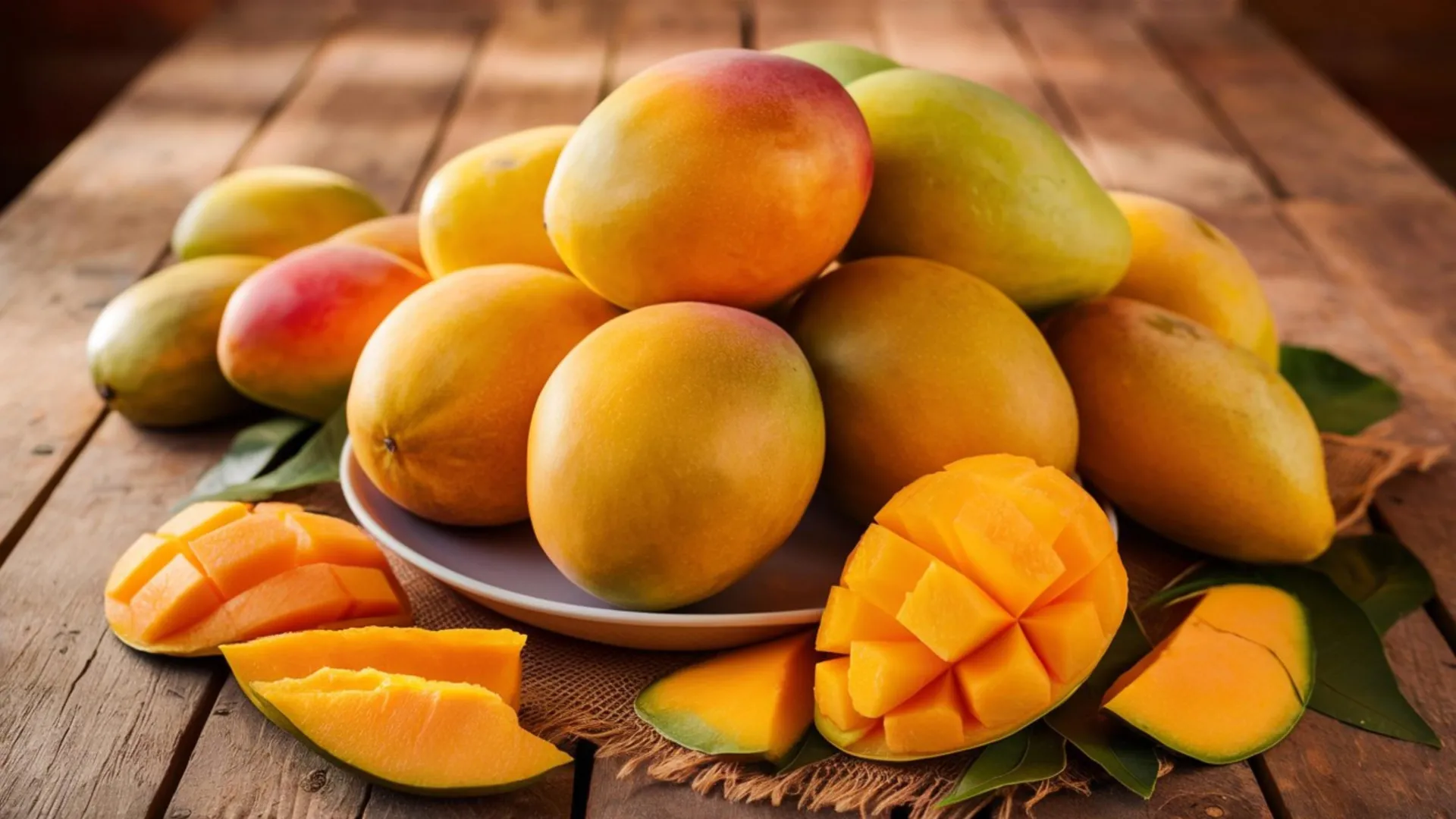
Mangoes, revered globally as the "king of fruits," enchant palates with their unparalleled sweetness and dense nutritional profile. Yet, this tropical delicacy faces a significant challenge once plucked from its branch: a rapid ripening process that renders it susceptible to softening, moisture loss, and ultimately, spoilage during the crucial stages of storage and transit. This inherent vulnerability has long plagued the global supply chain for mangoes, leading to substantial post-harvest losses and limiting their accessibility to consumers in non-tropical regions. However, a groundbreaking study conducted by researchers at Hainan University has illuminated a remarkably effective strategy for preserving the quality of harvested mangoes, revealing the precise biological mechanisms that make a controlled temperature of 12°C (54°F) a game-changer.
Published in the esteemed journal Tropical Plants, the research provides definitive evidence that storing mangoes at this specific cooler temperature significantly extends their shelf life without inducing the detrimental effects of chilling injury. The scientific community has long recognized that colder temperatures can decelerate the ripening process, but the sensitivity of tropical fruits like mangoes to excessive cold has presented a persistent dilemma. While anecdotal evidence and earlier observations hinted at the efficacy of 12°C for certain mango varieties, such as the ‘Tainong No.1’, the underlying biological reasons remained largely elusive. This new study meticulously dissects these mechanisms, offering a scientific blueprint for enhancing the cold-chain logistics of tropical fruits, thereby mitigating waste and broadening market reach.
The Ripening Paradox: Warm vs. Cool Storage
In the principal mango-producing regions, it is commonplace for the fruit to be transported and stored at ambient temperatures, often ranging from 26°C (79°F) to 30°C (86°F). While these conditions are practical and cost-effective for local distribution, they inadvertently accelerate the mango’s metabolic processes. Higher temperatures intensify respiration rates, which in turn hastens the conversion of starches into sugars, leading to the characteristic softening of the flesh and a cascade of biochemical changes that signal imminent spoilage. This accelerated ripening means that mangoes often reach distant markets in a state that is less than optimal, or worse, have already begun to decay.
The challenge for the post-harvest science community has been to find a temperature sweet spot that effectively slows down ripening without triggering chilling injury. Chilling injury in tropical fruits manifests as various symptoms, including surface pitting, discoloration, internal breakdown, and a failure to ripen properly, ultimately compromising both aesthetic appeal and edibility. For years, researchers have observed that temperatures around 12°C appear to strike this balance for mangoes, but the intricate cellular and molecular responses that underpin this phenomenon have been a subject of intense investigation.
Deconstructing the Science: A Comprehensive Analysis
To unravel the mystery behind the 12°C advantage, the Hainan University research team embarked on a meticulous 24-day comparative study. They subjected harvested mangoes to two distinct storage conditions: one group maintained at the optimal 12°C, and a control group kept at the more conventional warmer temperature of 30°C. This experimental design allowed for a direct observation of how temperature differentials influenced the fruit’s physiological and biochemical integrity over an extended period.
The researchers employed a comprehensive suite of analytical techniques to meticulously monitor a wide array of quality parameters. These included:
- Physical Attributes: Tracking changes in fruit color, a key indicator of ripeness and consumer appeal; measuring firmness, which directly correlates to texture and susceptibility to bruising; and quantifying weight loss, a proxy for moisture retention.
- Biochemical Composition: Analyzing the dynamic shifts in sugar content, a primary driver of sweetness; monitoring acidity levels, which contribute to the fruit’s overall flavor balance and tartness; and assessing respiration rates, a direct measure of metabolic activity.
- Cellular Integrity: Investigating the levels of reactive oxygen species (ROS), highly unstable molecules known to inflict oxidative damage on cellular structures, and examining microscopic cellular changes, such as cell wall integrity and starch granule preservation.
- Antioxidant Defense Mechanisms: Quantifying the presence and activity of crucial antioxidant compounds like vitamin C, phenolics, and flavonoids, which act as natural protectors against cellular damage. The study also delved into the enzymatic machinery responsible for antioxidant defense, measuring the activity of key enzymes such as ascorbate peroxidase (APX), superoxide dismutase (SOD), phenylalanine ammonia-lyase (PAL), and peroxidase (POD).
- Genetic Expression: Analyzing the expression levels of genes associated with the fruit’s intrinsic antioxidant defense systems, providing insights into how temperature influences the activation of these protective pathways.
This multi-faceted approach provided a holistic understanding of the physiological responses of mangoes to different storage temperatures, moving beyond superficial observations to reveal the deep-seated biological processes at play.
The 12°C Advantage: A Tale of Two Mangoes
The results of the study painted a starkly contrasting picture of mangoes stored under the two temperature regimes. While the initial 12 days of storage showed relatively minor differences between the fruit kept at 12°C and those at 30°C, the divergence became pronounced and significant after day 16.
Visual and Textural Transformation: Mangoes stored at the warmer 30°C exhibited rapid yellowing, a visual cue of advanced ripening and chlorophyll degradation. In contrast, those maintained at 12°C retained their appealing color for a considerably longer duration, as the breakdown of chlorophyll was significantly retarded. This slower color change at cooler temperatures is a direct indicator of delayed ripening.
Flavor Profile Preservation: The sugar content in the warmer-stored mangoes surged rapidly before beginning to decline, a pattern indicative of over-ripening. Conversely, mangoes at 12°C demonstrated a slower, more gradual increase in sugar levels, suggesting a more balanced ripening trajectory. Crucially, acidity, a vital component for a well-rounded flavor, dissipated much more rapidly at 30°C. The 12°C storage, however, preserved significantly higher levels of acidity, maintaining the delicate flavor balance that consumers cherish.
Physical Resilience: The physical integrity of the fruit revealed even more dramatic disparities. Mangoes subjected to 30°C storage lost over 17% of their initial weight, a substantial amount of moisture that contributes to wilting and a loss of succulence. In stark contrast, mangoes kept at 12°C experienced a minimal weight loss of less than 4%, highlighting their superior water retention capabilities. Furthermore, the firmness of the fruit declined at a considerably slower pace under the cooler storage conditions, indicating a more robust structural integrity.
Microscopic Evidence of Protection: At the cellular level, the findings were equally compelling. Microscopic imaging revealed that mango pulp cells from fruit stored at 12°C maintained their structural integrity, with intact cell walls and preserved starch granules even after 24 days. This indicates that the cooler temperature shielded the cellular architecture from rapid degradation. In sharp contrast, mangoes stored at 30°C displayed early signs of cell wall thinning, significant starch depletion, and eventual cell collapse, a clear manifestation of advanced senescence and decay.
Fortifying Defenses: The Role of Antioxidants
Beyond preserving physical and biochemical qualities, the 12°C storage regime demonstrably bolstered the mango’s natural defense mechanisms against oxidative stress. The study observed a significant reduction in the accumulation of malondialdehyde (MDA) and reactive oxygen species (ROS) in mangoes stored at 12°C. MDA is a marker of lipid peroxidation, a process indicative of cellular damage caused by oxidative stress, while ROS are highly reactive molecules that can wreak havoc on cellular components.
Concurrently, the cooler temperatures helped maintain higher concentrations of vital antioxidant compounds, including vitamin C, phenolics, and flavonoids. These compounds are the fruit’s first line of defense against oxidative damage. Furthermore, the activity of key protective antioxidant enzymes, such as APX, SOD, PAL, and POD, remained more robust and sustained for longer periods in mangoes stored at 12°C.
The gene expression analysis provided the molecular underpinning for these observed defenses. The study revealed an upregulation of genes critical for antioxidant pathways, specifically MiAPX1, MiAPX2, MiSOD1, and MiSOD2. According to the researchers, the increased expression of these genes facilitates the strengthening of the mango’s innate defense systems, helping to maintain redox balance within the cells and thereby mitigating cellular damage during the storage period.
The correlation analysis further solidified these findings, demonstrating a clear link between elevated ROS and MDA levels with increased fruit softening and water loss. Conversely, a stronger antioxidant defense system was unequivocally associated with reduced oxidative stress and superior fruit preservation. This highlights that the 12°C temperature not only slows down ripening but also actively empowers the mango to better defend itself against the inevitable stressors of post-harvest handling.
Implications for the Global Mango Industry
The ramifications of this research are profound and far-reaching for the global mango industry and the broader cold-chain logistics sector. The clear demonstration that maintaining storage temperatures around 12°C can significantly extend mango freshness offers practical, actionable insights for producers, distributors, and retailers worldwide.
This scientific validation suggests that mangoes could potentially be harvested at an earlier, optimal stage of maturity and still maintain their quality during extended transportation periods, enabling them to reach markets further afield. It also opens up possibilities for ripening mangoes closer to their final consumption points, allowing for greater control over the ripening process and reducing the risk of spoilage during transit. This could translate into reduced post-harvest losses, which are estimated to be substantial for many tropical fruits, leading to increased profitability for growers and more consistent availability of high-quality mangoes for consumers.
The findings could also influence the design and operation of refrigerated transport vehicles and storage facilities, encouraging the adoption of more precise temperature control systems. Furthermore, this research contributes to the broader effort of reducing food waste, a critical global challenge. By extending the shelf life of a highly perishable commodity like mangoes, the industry can move towards a more sustainable and efficient food system.
The research was generously supported by grants from the Hainan Province Agricultural Reclamation Team Joint Innovation Project (Grant No. HKKJ202432), the National Key Research and Development Program Project (Grant No. 2023YFD2300803-7), and the Hainan University Mango Industry Technology System Construction Project. These funding bodies have played a crucial role in enabling this vital scientific advancement, paving the way for a future where the "king of fruits" can be enjoyed with greater consistency and less waste across the globe. The scientific community will be closely watching as these findings are translated into practical applications within the industry, potentially revolutionizing how this beloved tropical fruit is managed from farm to table.