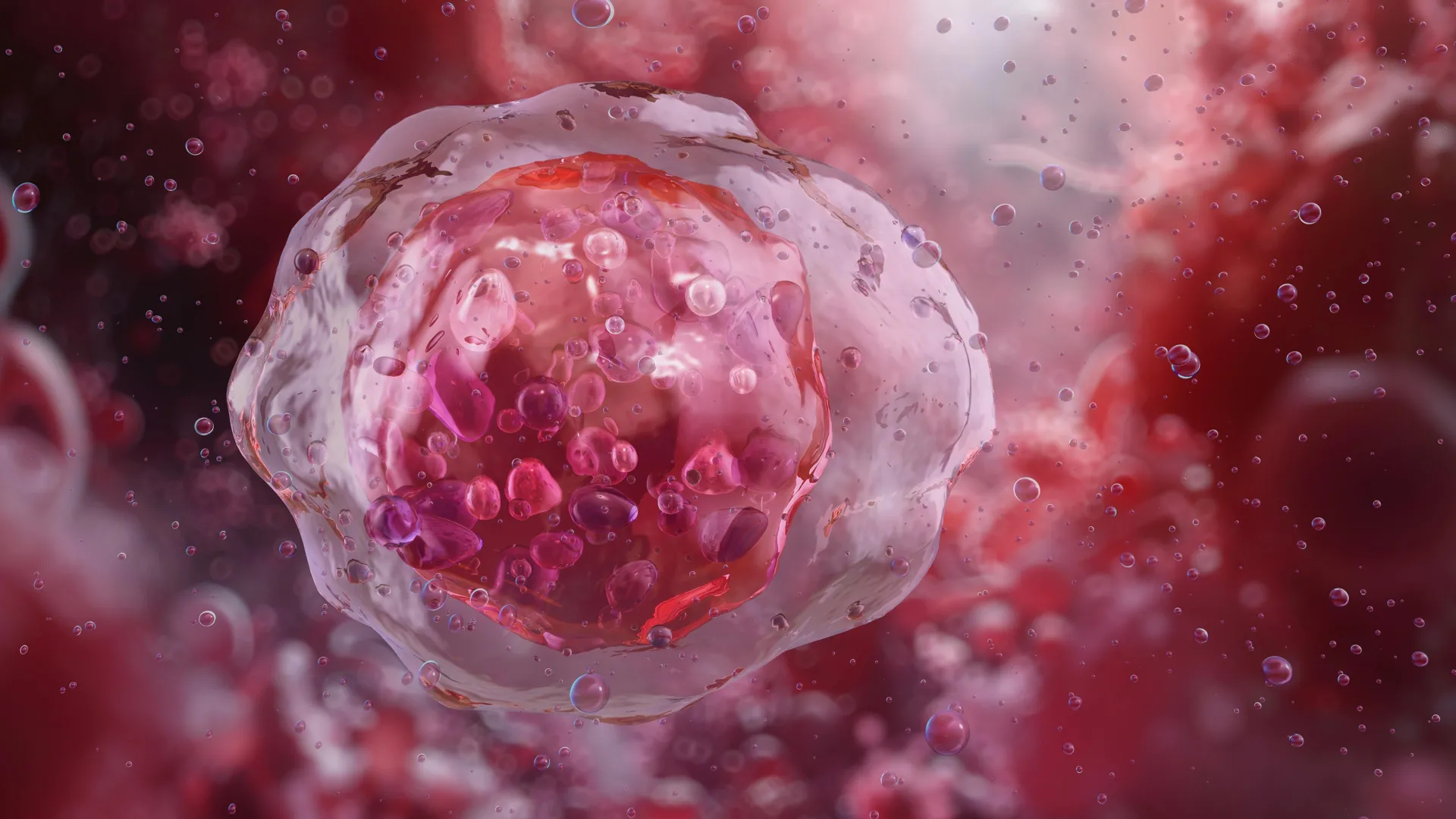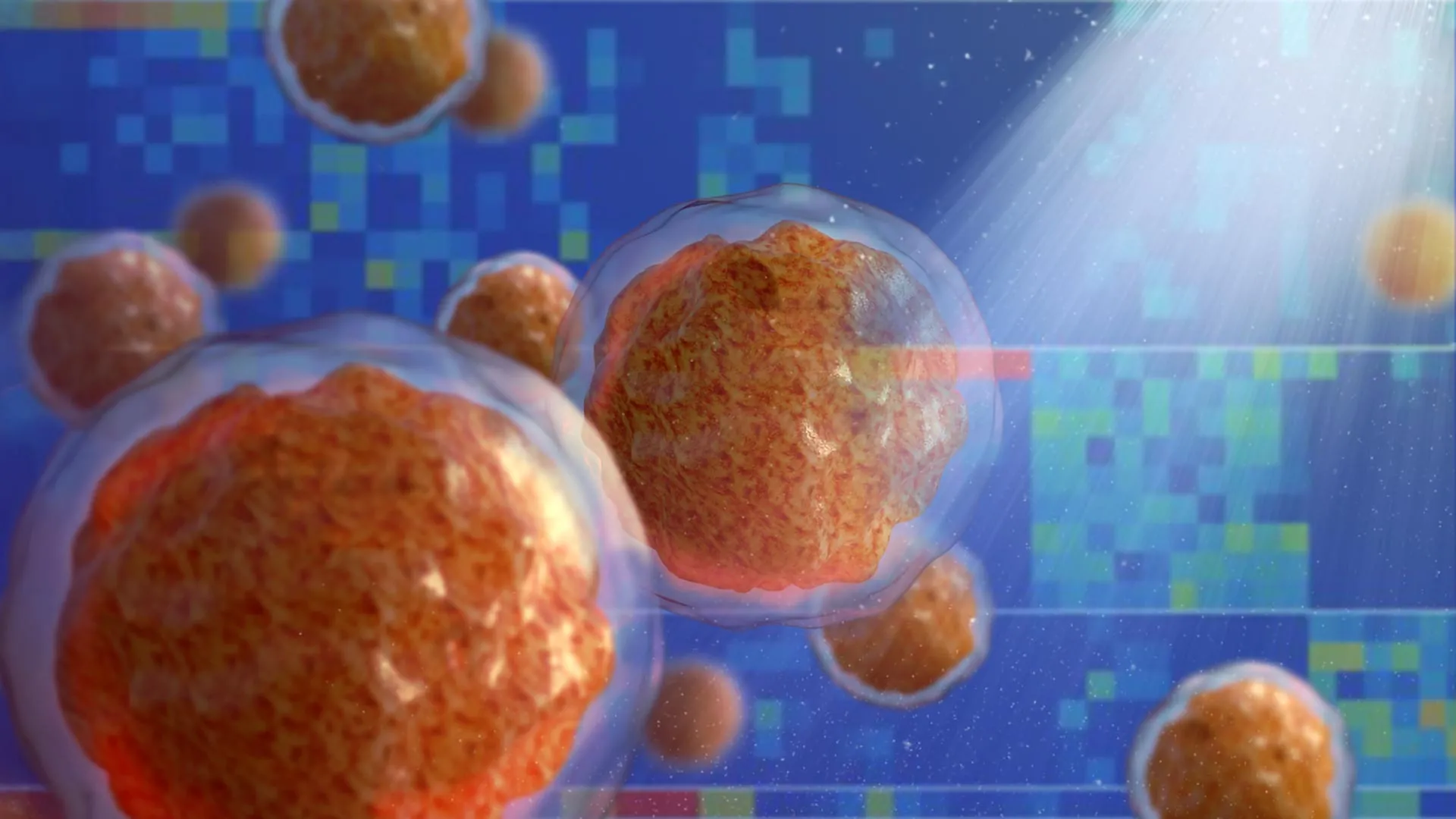
In a significant advancement for reproductive biology, a team of researchers at Michigan State University has successfully identified a molecular "switch" that controls the surge of energy sperm require to achieve fertilization. This discovery, centered on the metabolic reprogramming of sperm cells, offers a dual-purpose breakthrough: it provides a new roadmap for treating male infertility while simultaneously laying the groundwork for the development of highly effective, non-hormonal male contraceptives. The study, led by Melanie Balbach, an assistant professor in the Department of Biochemistry and Molecular Biology at MSU, highlights how sperm undergo a dramatic shift in energy production once they enter the female reproductive tract, a process that has remained largely mysterious until now.
The Metabolic Transformation of Sperm
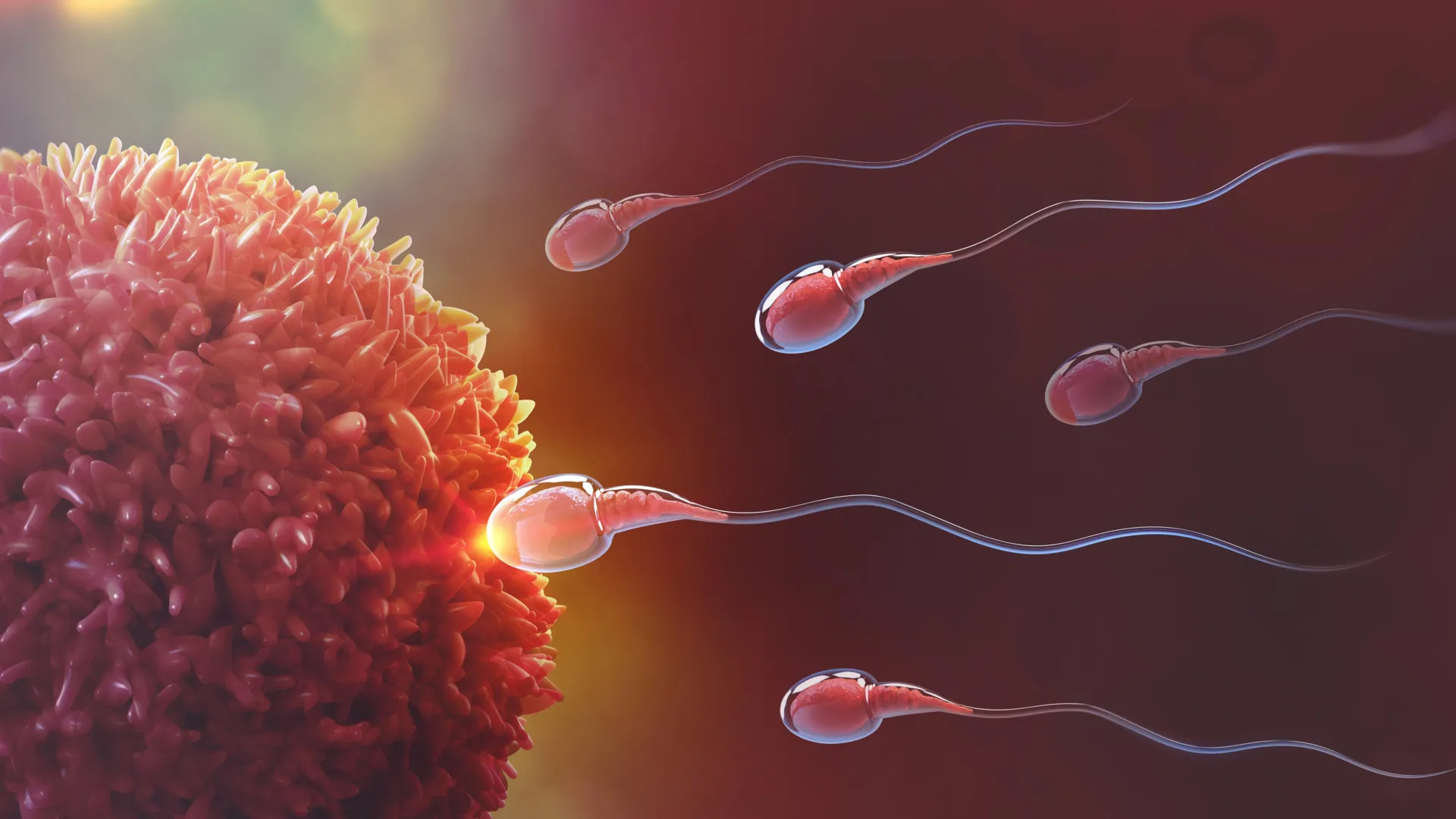
Sperm cells are unique in the biological world due to their singular, highly specialized mission. Unlike most cells that must balance various physiological functions, a sperm cell’s entire existence is geared toward the single goal of reaching and penetrating an egg. For much of their existence, particularly while stored in the male reproductive system, mammalian sperm remain in a quiescent, low-energy state. This metabolic dormancy is a survival mechanism, ensuring that the cells do not exhaust their limited resources before they are needed.
However, upon ejaculation and entry into the female reproductive tract, these cells undergo a rapid and radical transformation. They must begin swimming with significantly more force—a state known as hyperactivation—and undergo structural changes to their outer membranes to prepare for the eventual fusion with the egg. These physiological shifts require an immediate and massive influx of adenosine triphosphate (ATP), the primary energy currency of the cell.
"Sperm metabolism is special since it’s only focused on generating more energy to achieve a single goal: fertilization," explained Dr. Balbach, the senior author of the study. She noted that many cell types undergo rapid metabolic shifts, but sperm serve as an ideal model for studying metabolic reprogramming because of the clarity and intensity of their transition from a dormant to a high-activity state.
Mapping the Fuel Source: The "Pink Car" Analogy
To understand how sperm manage this sudden energy demand, Balbach’s team, in collaboration with experts from the Memorial Sloan Kettering Cancer Center and the Van Andel Institute, developed a sophisticated method to track the processing of glucose. Glucose, a simple sugar found in the surrounding reproductive fluids, serves as the primary fuel for this journey.
The researchers utilized Michigan State University’s Mass Spectrometry and Metabolomics Core to map the chemical pathways glucose takes once it enters the sperm cell. To illustrate the complexity of this tracking, Dr. Balbach compared the method to a high-tech surveillance operation. "You can think of this approach like painting the roof of a car bright pink and then following that car through traffic using a drone," she stated.
By "painting" the glucose molecules with chemical markers, the team was able to observe how the sugar moved through the cell’s internal machinery. In inactive sperm, the "cars" moved slowly through established routes. However, in activated sperm, the researchers observed the metabolic "traffic" moving at significantly higher speeds, often preferring specific intersections and pathways that were ignored during the dormant phase. This mapping revealed exactly where the energy production process could become "congested" or where it was being accelerated by specific biological regulators.
The Role of Aldolase as a Metabolic Regulator
The central finding of the research is the identification of an enzyme called aldolase as a primary regulator of this metabolic surge. Aldolase is a key player in glycolysis, the metabolic pathway that breaks down glucose to release energy. The study revealed that aldolase acts as a critical switch, directing the flow of glucose into the pathways that produce the high-energy output required for hyperactivated swimming.
Furthermore, the team discovered that sperm do not rely solely on external glucose. They also carry internal energy reserves that are mobilized the moment the journey begins. The interplay between these internal stores and the external glucose uptake is governed by a series of enzymes that act like traffic controllers, ensuring that the cell’s energy production is both efficient and sustained during the arduous trek toward the egg.
Dr. Balbach’s research also intends to explore how sperm utilize other sugars, such as fructose, which is abundant in seminal fluid. Understanding the nuances of how different fuel sources are prioritized could provide deeper insights into why some sperm fail to reach the egg even when they appear structurally healthy under a microscope.
Historical Context and the Search for Male Contraceptives
The quest for a male contraceptive has been ongoing for decades, yet the market remains dominated by two primary options: condoms and vasectomies. Previous attempts to develop a "male pill" have largely focused on hormonal interventions designed to stop the production of sperm entirely. However, these efforts have frequently stalled in clinical trials due to significant side effects, including mood swings, weight gain, and changes in libido—similar to the side effects long endured by users of female hormonal contraceptives.
Furthermore, hormonal methods often require weeks or even months to become effective, as they must interfere with the long cycle of sperm production (spermatogenesis). They also lack the "on-demand" flexibility that many users desire.
Dr. Balbach’s earlier work at Weill Cornell Medicine provided a proof-of-concept for a different approach. She helped demonstrate that blocking a specific sperm enzyme could cause temporary, reversible infertility in mice without affecting their hormonal balance or overall health. This latest research at MSU builds on that foundation by identifying aldolase and its associated pathways as potential targets for a non-hormonal drug. By targeting the sperm’s ability to "turn on" its energy production, a contraceptive could potentially disable the sperm’s swimming ability without stopping sperm production or altering testosterone levels.
Addressing the Global Crisis of Infertility
While the contraceptive implications of the study are significant, the research holds equal weight for the field of reproductive medicine. Infertility is a global health issue, affecting approximately one in six people worldwide, according to the World Health Organization. In many cases, the cause of male infertility is labeled as "unexplained" because the sperm appear normal in count and morphology but fail to achieve fertilization.
By identifying the metabolic switch necessary for fertilization, Balbach’s findings suggest that many cases of male infertility may be rooted in metabolic failures—essentially, the sperm "run out of gas" or cannot engage their "high-speed gear" despite having the fuel available.
This discovery could lead to the development of new diagnostic tools that assess the metabolic health of sperm. Current semen analysis often overlooks the internal biochemical efficiency of the cells. In the future, fertility clinics might use metabolic profiling to determine if a patient’s sperm are capable of the energy surge required for natural conception or if assisted reproductive technologies (ART), such as Invitro Fertilization (IVF) or Intracytoplasmic Sperm Injection (ICSI), are necessary.
Broader Socioeconomic and Public Health Implications
The implications of this research extend into the realm of public health and social equity. Dr. Balbach noted that approximately 50% of all pregnancies globally are unplanned. A lack of diverse contraceptive options contributes to this statistic, placing a disproportionate burden on women to manage fertility through hormonal means.
"This would give men additional options and agency in their fertility," Balbach said, referring to the potential for a non-hormonal male contraceptive. "Likewise, it creates freedom for those using female birth control, which is hormone-based and highly prone to side effects."
The development of a non-hormonal, inhibitor-based approach would represent a paradigm shift in reproductive health. Because such a drug would target a specific enzyme (like aldolase) unique to the sperm’s metabolic activation, the risk of systemic side effects is theoretically much lower than that of hormonal therapies.
Chronology of the Research and Future Directions
Dr. Balbach joined the Michigan State University faculty in 2023, bringing her expertise in sperm metabolism to the university’s robust biochemistry department. This latest study represents a culmination of years of collaborative effort, involving complex metabolic mapping and animal modeling.
The research was published in the Proceedings of the National Academy of Sciences (PNAS) and received funding and support from the National Institute of Child Health and Human Development. With the molecular switch now identified in mammalian models, the next phase of the research will focus on human application.
"Better understanding the metabolism of glucose during sperm activation was an important first step, and now we’re aiming to understand how our findings translate to other species, like human sperm," Balbach said. The team is currently looking at how various "traffic-control" enzymes can be safely targeted. If successful, this could lead to a new class of drugs that are taken shortly before intercourse to provide temporary infertility, or used as a long-term non-hormonal daily pill.
As the scientific community moves toward more personalized and precise medicine, the ability to fine-tune the metabolic pathways of reproductive cells stands as a landmark achievement. Whether used to help a couple conceive or to provide a man with a safe way to prevent pregnancy, the "pink car" in the metabolic traffic of life is now firmly under the scientific microscope, promising a new era of reproductive autonomy and clinical success.