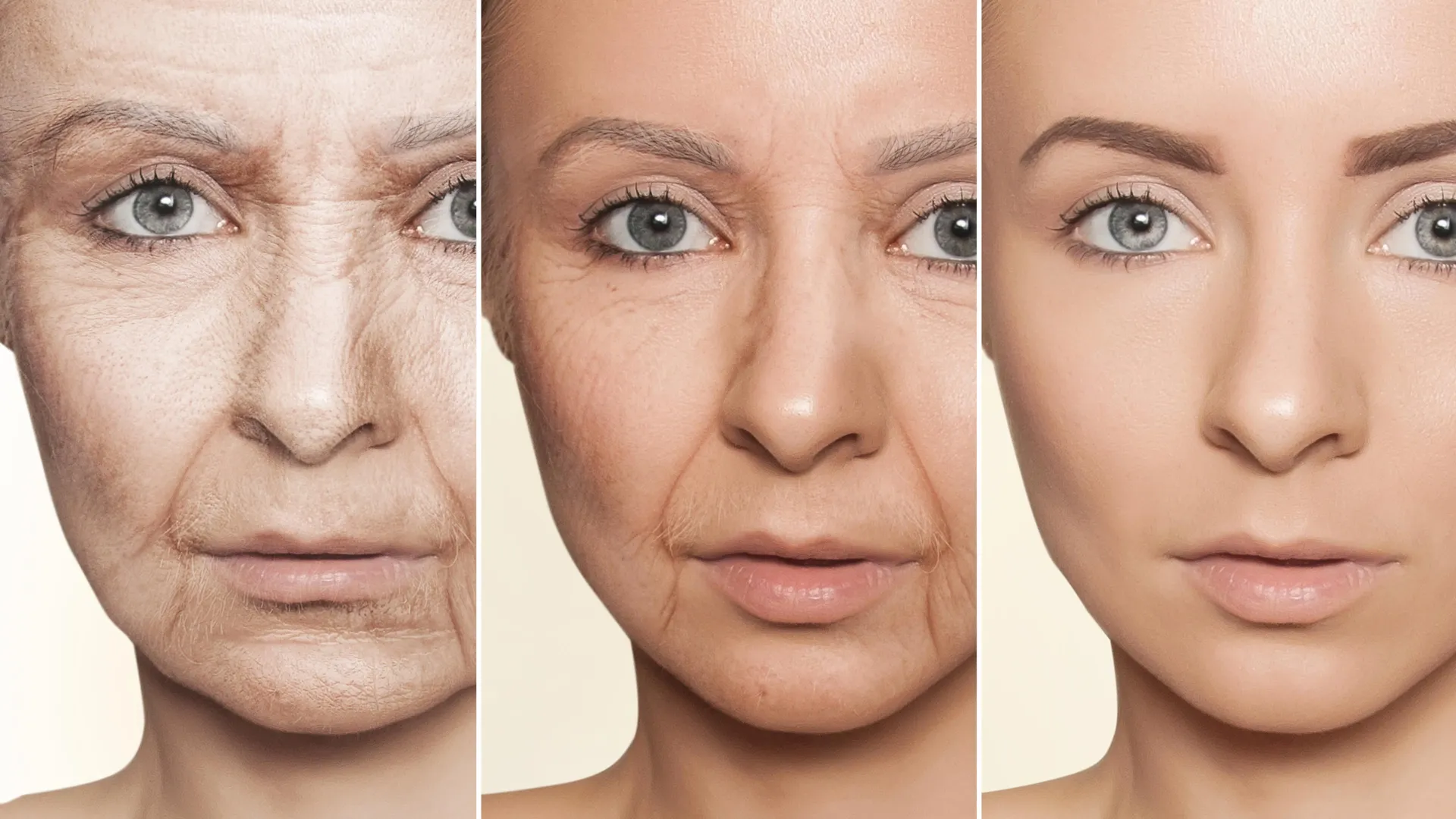
For decades, the concept of the "midlife crisis" in the United States was synonymous with a sudden desire for a sports car or a career pivot. However, a growing body of research suggests that for Americans born in the 1960s and early 1970s, the challenges of middle age have shifted from the psychological to the structural and physiological. Recent data indicates that middle-aged Americans are experiencing significantly higher levels of loneliness, depression, and physical frailty than their predecessors, a trend that is notably absent in many other wealthy nations. While midlife health and well-being have remained stable or even improved in Nordic Europe and other peer countries, the United States is witnessing a generational decline that experts say is driven by a lack of social safety nets, rising income inequality, and the crushing costs of essential services.
The Divergence of the American Midlife Experience
A comprehensive study led by Frank J. Infurna, an associate professor of psychology at Arizona State University, has illuminated the stark differences between the American experience and that of 16 other high-income nations. Published in Current Directions in Psychological Science, the research utilized longitudinal survey data to track the health trajectories of thousands of adults across different generations. The findings reveal a disturbing trend: whereas previous generations of Americans could expect a period of relative stability and health during their 40s and 50s, today’s middle-aged cohort is reporting poorer memory, reduced physical strength, and a pervasive sense of social isolation.
The divergence is most apparent when compared to countries like Denmark, Sweden, and Norway. In these nations, the transition into middle age is often supported by robust state-funded programs that alleviate the financial and emotional burdens of caregiving and healthcare. In the United States, however, the "sandwich generation"—those simultaneously raising children and caring for aging parents—finds itself navigating a landscape of weakening social supports and stagnant wages. Infurna notes that the modern American midlife crisis is less about lifestyle choices and more about the exhaustion of juggling work, family, and health in an environment that provides little margin for error.
A Chronology of Declining Support Systems
To understand how the United States arrived at this juncture, it is necessary to examine the policy shifts that have occurred over the last quarter-century. In the late 1990s and early 2000s, many European nations recognized the demographic pressures of an aging population and an evolving workforce. In response, they increased public spending on family benefits, including subsidized childcare, universal healthcare, and generous paid parental and family leave. These policies were designed to sustain the "social fabric," ensuring that individuals in their prime working years were not forced to choose between their livelihoods and their health.
In contrast, the United States has maintained a largely stagnant approach to social welfare. Federal spending on family benefits in the U.S. remains among the lowest in the Organization for Economic Cooperation and Development (OECD). While the Family and Medical Leave Act (FMLA) of 1993 provided some job protection, it did not mandate paid leave, leaving millions of Americans financially vulnerable during family emergencies. This policy gap has compounded over decades, creating a cumulative stress effect on Gen X and early Millennials as they reach midlife. The 2008 Great Recession served as a further catalyst, wiping out home equity and retirement savings for a significant portion of the population, leading to a "lost decade" of wealth accumulation that many have yet to recover from.
The Financial Strain of Healthcare and Income Inequality
One of the most significant drivers of the decline in American midlife well-being is the rising cost of healthcare. Despite spending more on healthcare per capita than any other nation, the United States ranks poorly in terms of access and affordability for the average citizen. High out-of-pocket expenses and insurance premiums place an immense strain on household finances. According to the study, this financial pressure often leads middle-aged adults to delay or forgo preventive care, resulting in the late-stage diagnosis of chronic conditions such as hypertension and diabetes.
The mental health toll of medical debt cannot be overstated. Roughly 100 million people in the U.S.—including 41% of adults—struggle with healthcare debt. This constant financial anxiety contributes to higher rates of cortisol and chronic stress, which are known to accelerate physical aging and cognitive decline.
Parallel to the healthcare crisis is the widening chasm of income inequality. Since the early 2000s, the Gini coefficient—a measure of statistical dispersion intended to represent the income inequality within a nation—has risen steadily in the U.S. while remaining stable or falling in much of Europe. Infurna’s research suggests that high inequality does more than just limit purchasing power; it erodes the sense of community and "social capital" necessary for mental health. When the gap between the wealthy and the working class widens, opportunities for social mobility decrease, and the resulting sense of "relative deprivation" fuels depression and social withdrawal.
The Cognitive Paradox: Education vs. Chronic Stress
Perhaps the most surprising finding in the research is the decline in cognitive health among middle-aged Americans, specifically in the realm of episodic memory—the ability to recall specific events and experiences. Traditionally, higher levels of education have been viewed as a "protective factor" against cognitive decline. As educational attainment has increased in the U.S. over the past few decades, researchers expected to see a corresponding improvement in brain health.
However, the data shows the opposite. Despite being more educated than their parents, middle-aged Americans are showing earlier signs of memory impairment. Infurna suggests that the "protective shield" of education is being pierced by the sheer volume of chronic stress and cardiovascular risk factors. When individuals are constantly in a state of high alert due to financial insecurity or the demands of caregiving, the brain’s hippocampus—critical for memory—can suffer. Furthermore, the higher rates of obesity and sedentary lifestyles in the U.S., often linked to long working hours and the high cost of healthy food, contribute to vascular issues that impair cognitive function.
Cultural Erosion and the Rise of Loneliness
Beyond economics and policy, cultural shifts in the United States have contributed to a burgeoning loneliness epidemic. Americans are statistically more likely to move for work than their European counterparts, often relocating hundreds or thousands of miles away from their extended family and childhood support networks. While this geographic mobility is often praised as a driver of economic dynamism, it comes at a steep social cost.
The decline of "third places"—community hubs like libraries, churches, and social clubs—has further isolated middle-aged adults. In many European countries, urban planning and social customs prioritize communal spaces and intergenerational living. In the U.S., the trend toward suburban sprawl and car-centric infrastructure has led to a more atomized existence. For a 50-year-old American balancing a demanding career and home life, the lack of an immediate, local community means that when a crisis hits, they are often facing it alone. The study found that while loneliness is increasing across the board, the rate of increase is significantly steeper in the U.S. than in peer nations, where social safety nets provide a buffer against isolation.
Implications for Public Policy and the Future
The implications of these findings are profound for the future of the United States. A workforce that is physically and mentally compromised by midlife is less productive and places a greater burden on the eventual Social Security and Medicare systems. If the trend of declining memory and physical strength continues, the U.S. may face a public health crisis as these cohorts reach their 70s and 80s, requiring levels of care that the current infrastructure is ill-equipped to provide.
Experts argue that the "American Exceptionalism" in midlife decline is not a biological inevitability but a policy choice. The success of Nordic and Western European models suggests that targeted interventions can make a difference. These include:
- Universal Paid Family Leave: Allowing workers to care for children or aging parents without losing their income or job security.
- Childcare Subsidies: Reducing the financial burden on the "sandwich generation" and allowing for better work-life balance.
- Healthcare Reform: Moving toward a system that prioritizes affordability and preventive care to reduce medical debt and chronic stress.
- Community Investment: Supporting the creation of social spaces and programs that foster intergenerational connection and reduce loneliness.
At the individual level, Infurna and his colleagues emphasize the importance of maintaining social ties and seeking community engagement. Whether through volunteer work, professional associations, or local hobbies, staying connected to others serves as a vital buffer against the stresses of modern life.
The research serves as a clarion call for a reevaluation of the American social contract. As the data clearly shows, the "rugged individualism" that has long defined the American spirit may be failing the very people who are the backbone of the nation’s economy and society. Without a concerted effort to strengthen social supports and address the root causes of financial and physical health disparities, the American midlife crisis will continue to evolve from a personal milestone into a national emergency.