In a landmark discovery that bridges the gap between mechanical movement and molecular biology, a research team from the Department of Medicine at the LKS Faculty of Medicine, University of Hong Kong (HKUMed), has identified a critical protein that functions as the body’s internal "exercise sensor." This protein, known as Piezo1, appears to be the primary mechanism through which bones perceive physical activity and respond by increasing density and strength. The findings, recently published in the prestigious journal Signal Transduction and Targeted Therapy, offer a potential revolutionary pathway for treating osteoporosis and age-related bone loss, particularly for patients whose physical condition prevents them from engaging in traditional exercise.
The study addresses a fundamental question in human physiology: how does the mechanical force of a footstep or a lift of a weight translate into the biological production of bone tissue? By decoding this translation process, researchers have opened the door to "exercise mimetics"—pharmacological interventions that could trick the body into reaping the skeletal benefits of physical activity without the need for actual movement.
The Global and Local Burden of Osteoporosis
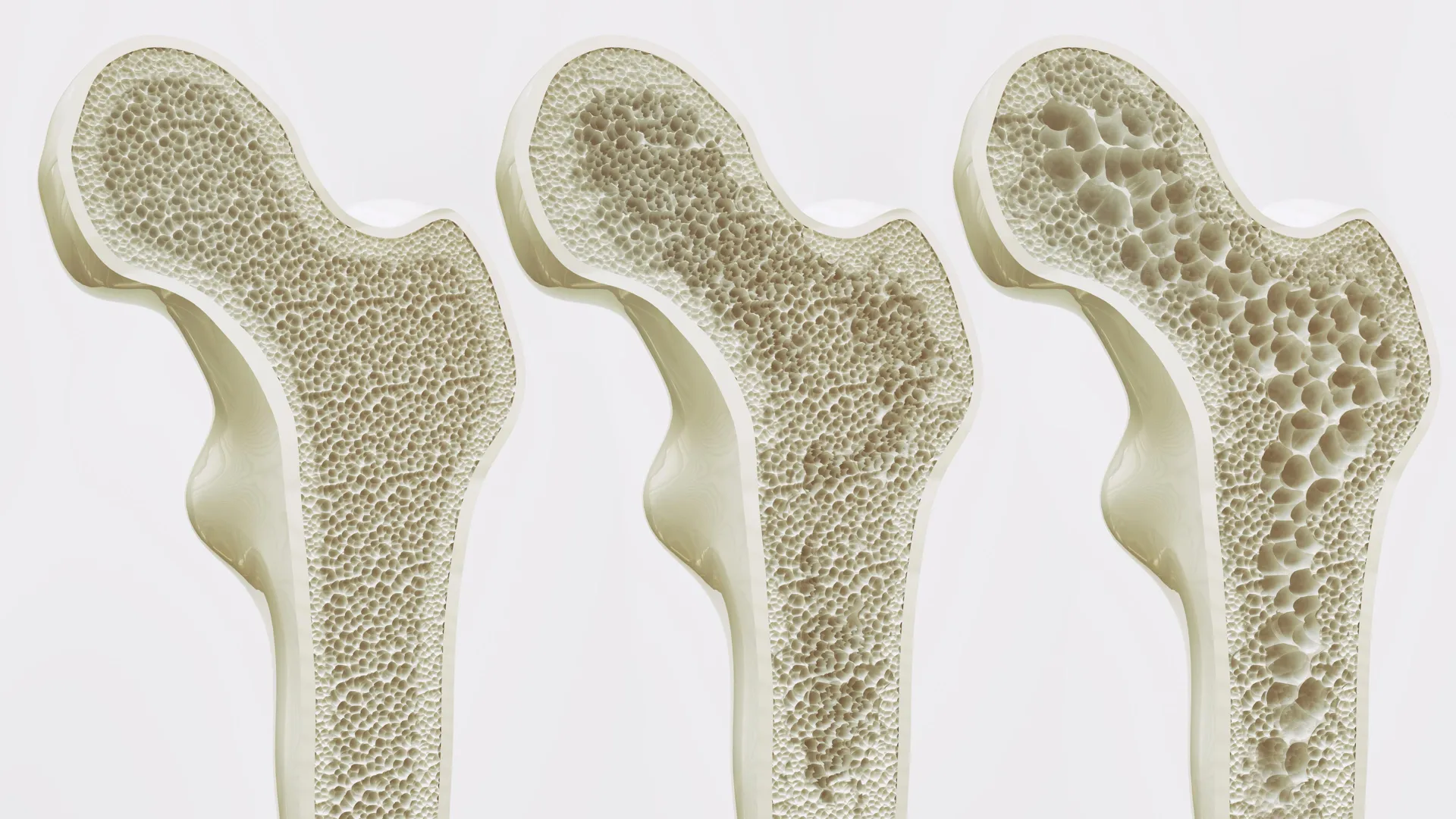
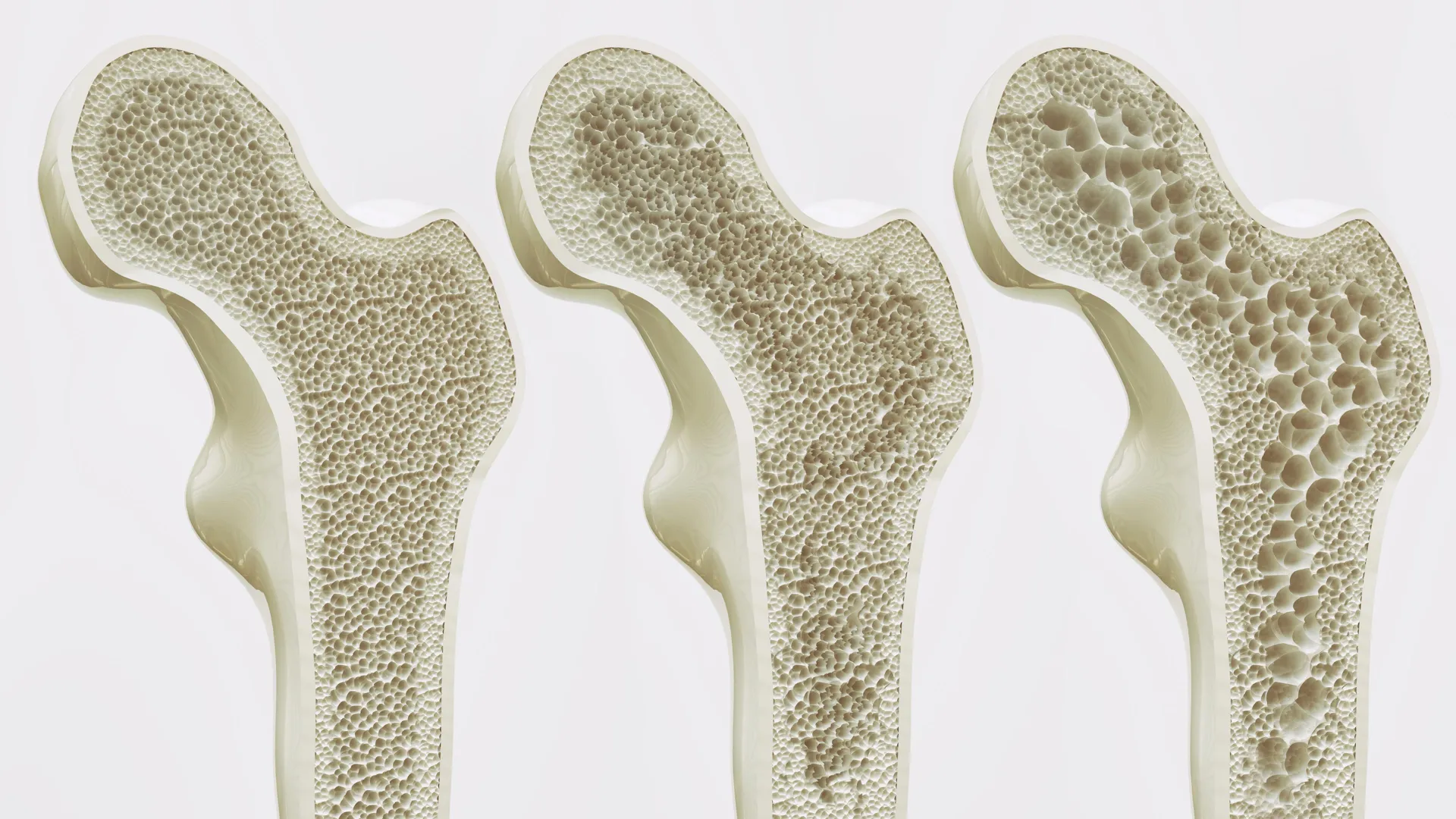
Osteoporosis is often referred to as a "silent epidemic" because bone loss typically occurs without symptoms until a fracture happens. The scale of the problem is vast. According to data from the World Health Organization (WHO), approximately one in three women and one in five men over the age of 50 will suffer an osteoporotic fracture during their lifetime. These injuries are not merely physical setbacks; they are frequently life-altering events. For the elderly, a hip fracture can lead to a permanent loss of independence, a 20% mortality rate within the first year, and a significant decline in overall quality of life.
In the specific context of Hong Kong, the challenge is amplified by a rapidly aging population. Statistics indicate that osteoporosis affects roughly 45% of women and 13% of men aged 65 and older in the territory. As the demographic shift continues, the strain on the public healthcare system is expected to intensify, with the cost of treating fragility fractures projected to rise exponentially over the next two decades. Current therapeutic options, while effective for many, often fail to address the underlying lack of mechanical stimulation in patients who are bedridden, frail, or suffering from chronic neurological conditions.
The Biological Mechanism: Bone vs. Fat
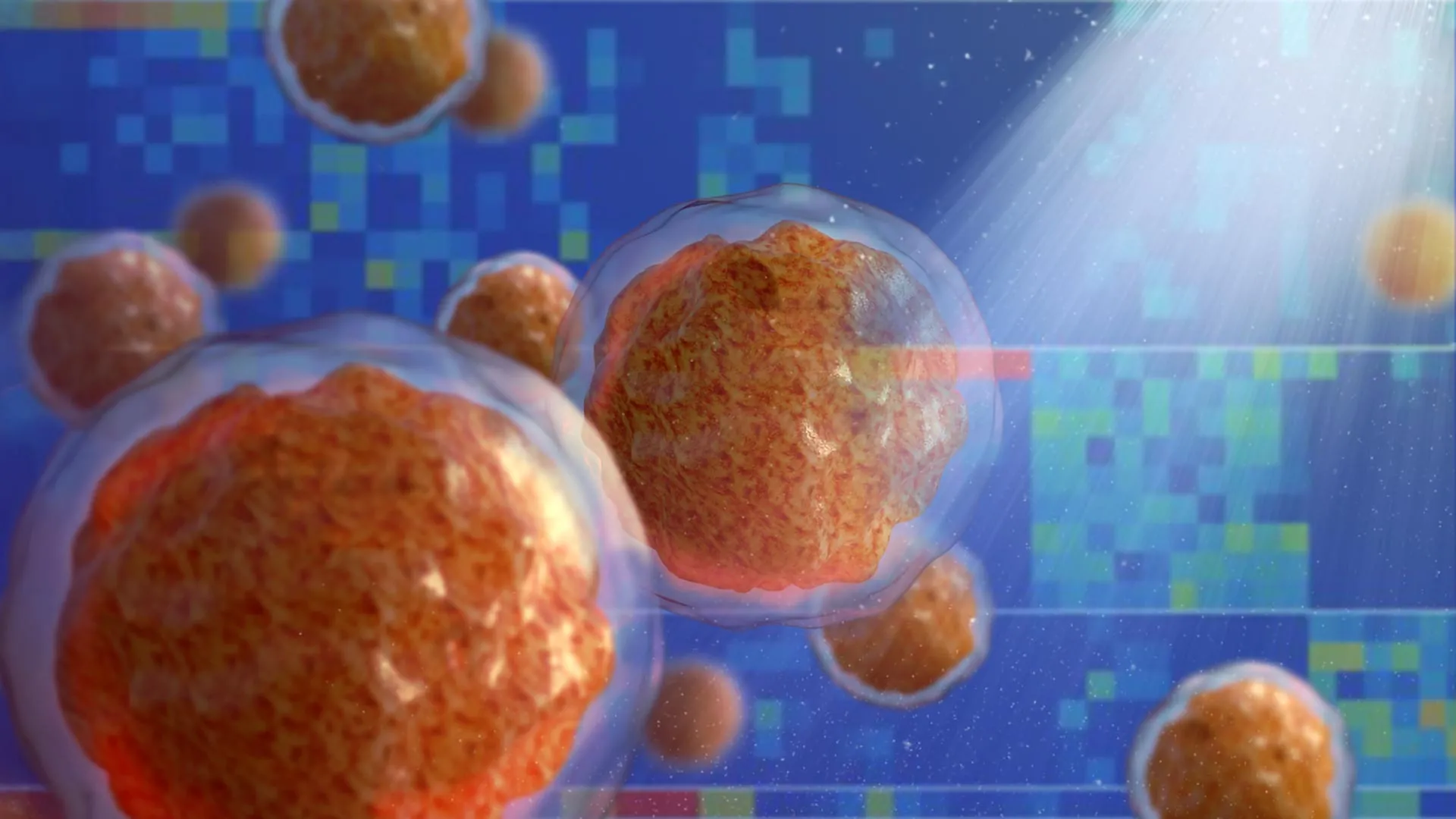
At the heart of the HKUMed study is the behavior of mesenchymal stem cells (MSCs) located within the bone marrow. These versatile cells serve as the building blocks for the skeletal system, possessing the unique ability to differentiate into various types of tissue. Under healthy, active conditions, MSCs are programmed to become osteoblasts—cells responsible for bone formation. However, the aging process and physical inactivity disrupt this delicate balance.
As humans age, the biological signaling that directs MSCs toward bone production weakens. Instead, these stem cells increasingly differentiate into adipocytes, or fat cells. This shift leads to the accumulation of fat within the bone marrow, which occupies space that should be held by healthy bone tissue. This "fatty marrow" not only reduces the structural integrity of the bone but also creates a pro-inflammatory environment that further accelerates bone degradation.
Identifying Piezo1: The Molecular Switch
The HKUMed team, led by Professor Xu Aimin, utilized advanced mouse models and human stem cell cultures to isolate the specific trigger for bone growth. They identified Piezo1, a mechanosensitive ion channel protein located on the surface of MSCs. Piezo1 acts as a microscopic sensor that detects the "stretch" and "pressure" exerted on bones during physical movement.
Through a series of controlled experiments, the researchers demonstrated that when Piezo1 is activated—either through physical mechanical force or through targeted biochemical stimulation—it sends a signal to the MSCs to prioritize bone formation over fat production. Conversely, when the researchers removed or "knocked out" the Piezo1 protein in mouse models, the results were dramatic: the mice experienced rapid bone loss, even when active. Without the Piezo1 sensor, the body was unable to recognize physical activity, leading the stem cells to default into fat production.
The study further identified that the absence of Piezo1 triggers the release of specific inflammatory signals, namely Ccl2 and lipocalin-2. These molecules act as chemical messengers that actively inhibit bone growth and promote the expansion of marrow fat. By blocking these specific signals in their laboratory models, the researchers were able to partially reverse the bone loss, confirming that Piezo1 sits at the top of a complex regulatory hierarchy.
Collaborative Research and Official Perspectives
The discovery is the result of an international collaboration involving HKUMed’s State Key Laboratory of Pharmaceutical Biotechnology and the French National Centre for Scientific Research (CNRS). This multi-disciplinary approach allowed the team to combine expertise in endocrinology, molecular pharmacology, and cellular biology.
Professor Xu Aimin, Director of the State Key Laboratory of Pharmaceutical Biotechnology and Chair Professor at HKUMed, emphasized the necessity of this research for modern medicine. "Current treatments for osteoporosis rely heavily on patients being able to perform weight-bearing exercises to stimulate bone density," Professor Xu stated. "However, many of our most vulnerable patients—the elderly and those with chronic disabilities—simply cannot perform these tasks. This study is a critical step toward replicating the benefits of exercise at the molecular level, providing a target for drugs that can maintain bone health in the absence of movement."
Dr. Wang Baile, Research Assistant Professor at HKUMed and co-leader of the study, highlighted the potential for "exercise mimetics." "Our findings open the door to developing medications that chemically activate the Piezo1 pathway," Dr. Wang explained. "For a patient who is bedridden due to a stroke or a severe injury, such a treatment could prevent the rapid skeletal decay that currently accompanies long-term immobility."
Professor Eric Honoré, from the Institute of Molecular and Cellular Pharmacology in France, noted that the implications of the study extend beyond traditional osteoporosis. The ability to control how stem cells differentiate could have applications in regenerative medicine and the treatment of other metabolic disorders associated with aging.
Analysis of Implications: A Paradigm Shift in Geriatric Care
The identification of Piezo1 represents a shift from reactive to proactive bone management. Currently, many osteoporosis drugs, such as bisphosphonates, work by slowing down the cells that break down bone (osteoclasts). While effective, these drugs do not necessarily stimulate the creation of new bone or address the fundamental issue of stem cell misallocation.
By targeting Piezo1, future therapies could theoretically:
- Promote Active Growth: Directly stimulate the production of new bone tissue by activating the body’s natural response to exercise.
- Reduce Marrow Fat: Prevent the "fatty marrow" syndrome that compromises bone quality in the elderly.
- Address Chronic Inflammation: Suppress the Ccl2 and lipocalin-2 signals that contribute to systemic skeletal degradation.
From a socio-economic perspective, the development of Piezo1-based therapies could significantly reduce the duration of hospital stays for fracture patients. By maintaining bone mass during periods of recovery, these treatments could ensure that a temporary injury does not lead to a permanent loss of mobility.
Timeline and Future Research Trajectory
The research project was supported by an extensive network of funding bodies, including the Research Grants Council of Hong Kong, the National Natural Science Foundation of China, and several prestigious European foundations. This level of support underscores the global importance of the work.
Following the successful identification of the Piezo1 pathway in laboratory settings, the research team is now moving toward the translational phase. The immediate next steps involve:
- Screening for Compounds: Identifying small molecules or peptides that can safely and effectively activate Piezo1 in humans without causing adverse side effects in other tissues (as Piezo1 is also present in other organs).
- Clinical Trials: Designing protocols for human trials, focusing initially on high-risk groups such as patients with spinal cord injuries or those undergoing long-term immobilization.
- Long-term Safety Studies: Ensuring that the artificial stimulation of bone growth does not interfere with other metabolic processes.
While a commercial "exercise pill" for bone health may still be several years away, the HKUMed discovery provides the essential biological blueprint required to build it. For the millions of individuals worldwide who face the daily threat of fractures, the decoding of the body’s internal exercise sensor offers a new horizon of hope for a future defined by mobility and independence.