For millennia, the astonishing ability of pigeons to navigate vast distances and unerringly return to their roosts has captivated human imagination and baffled the scientific community. This remarkable feat, often attributed to an almost mystical "homing instinct," has remained one of biology’s most enduring mysteries. Now, groundbreaking research published in the prestigious journal Science is shedding light on this ancient puzzle, suggesting that the answer may lie not in the sky or in the bird’s beak, but within a surprising internal organ: the liver.
This pioneering study, a collaborative effort involving leading institutions such as the University of Bonn, the University Hospital Bonn, the University of Duisburg-Essen, and the Max Planck Institute of Animal Behavior (MPI-AB), proposes that specialized immune cells residing in the pigeon’s liver possess the extraordinary capability to detect Earth’s magnetic field. This discovery could fundamentally alter our understanding of animal navigation, revealing a sophisticated internal compass previously unknown to science.
Unraveling a Decades-Old Enigma
The quest to understand avian navigation has spanned generations of scientists. For decades, researchers have recognized that homing pigeons and many migratory species utilize Earth’s magnetic field as a crucial component of their navigational toolkit, alongside other cues like the sun’s position and olfactory signals. However, the precise biological mechanism by which these animals perceive this omnipresent, invisible force has remained elusive.
Early hypotheses proposed that birds might detect magnetic fields through photoreceptor proteins in their eyes, sensitive to magnetic shifts, or perhaps through the presence of tiny magnetic particles embedded in their beaks. While these theories have spurred considerable investigation, they have yet to garner robust experimental validation, leaving a significant gap in our knowledge.
The current research, a testament to interdisciplinary collaboration, brings together expertise from immunology, physics, and animal behavior to offer a compelling new explanation. The study’s findings suggest that the answer to how birds sense direction is not solely reliant on external cues or specialized sensory organs in the eyes or beak, but rather on a more integrated system involving the immune system and internal organ function.
The Liver’s Magnetic Secret: Iron-Rich Macrophages
The research team embarked on a systematic investigation, examining various organs previously implicated in magnetoreception, including the eyes, beak, and brain. Their attention soon turned to the liver and spleen, organs known for their role in breaking down old red blood cells and consequently accumulating significant amounts of iron. This inherent characteristic of iron storage in these organs provided a crucial clue.
Utilizing advanced techniques such as "vibrating sample magnetometry" and "magnetic cell separation," the researchers meticulously analyzed the magnetic properties of different avian tissues. The results were nothing short of remarkable. The liver emerged as the organ with the highest concentration of iron and exhibited the most pronounced magnetic response among all tissues studied.
"We had some clues that the liver and spleen have magnetic properties, because they break down red blood cells and so store much iron in the body," explained Dr. Clivia Lisowski, the study’s first author and a researcher at the University of Bonn and the University Hospital Bonn, who spearheaded the immunological aspects of the work.
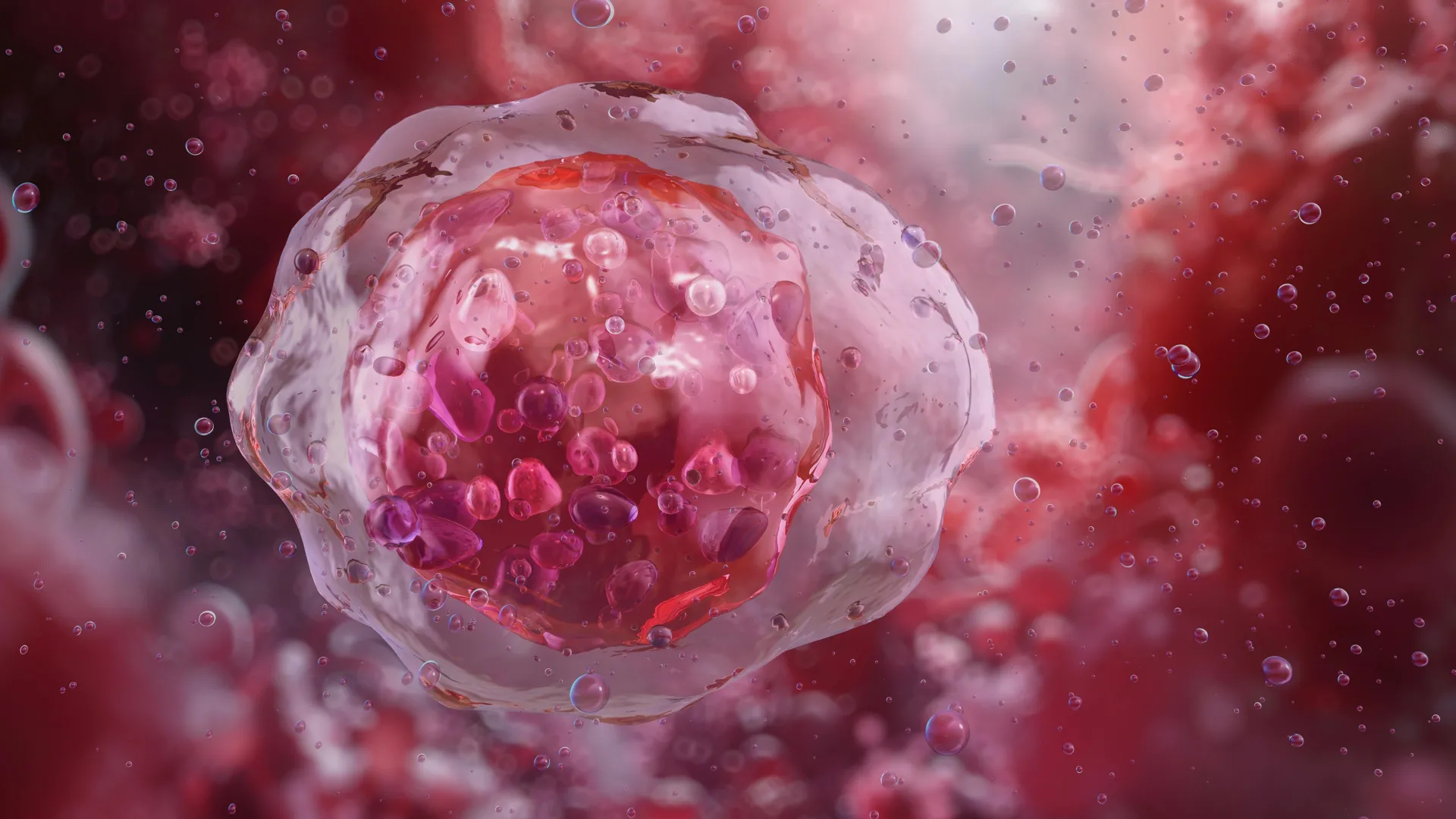
Further analysis pinpointed the source of these magnetic properties to a specific type of immune cell: liver macrophages. These cells, which play a vital role in the immune system’s defense and cellular debris removal, were found to actively accumulate iron during their normal metabolic processes. This iron, crystallized into minute oxide nanoparticles, imbues the macrophages with unique superparamagnetic properties, rendering them sensitive to external magnetic fields.
Professor Ulf Wiedwald from the University of Duisburg-Essen elaborated on this crucial aspect: "Iron is crystallized in oxide nanoparticles making the cells superparamagnetic and reactive to magnetic fields. We found by far the strongest magnetic response in liver tissue." This finding provided a tangible, physical basis for how a biological entity could interact with Earth’s magnetic field.
Experimental Validation: Disabling the Compass
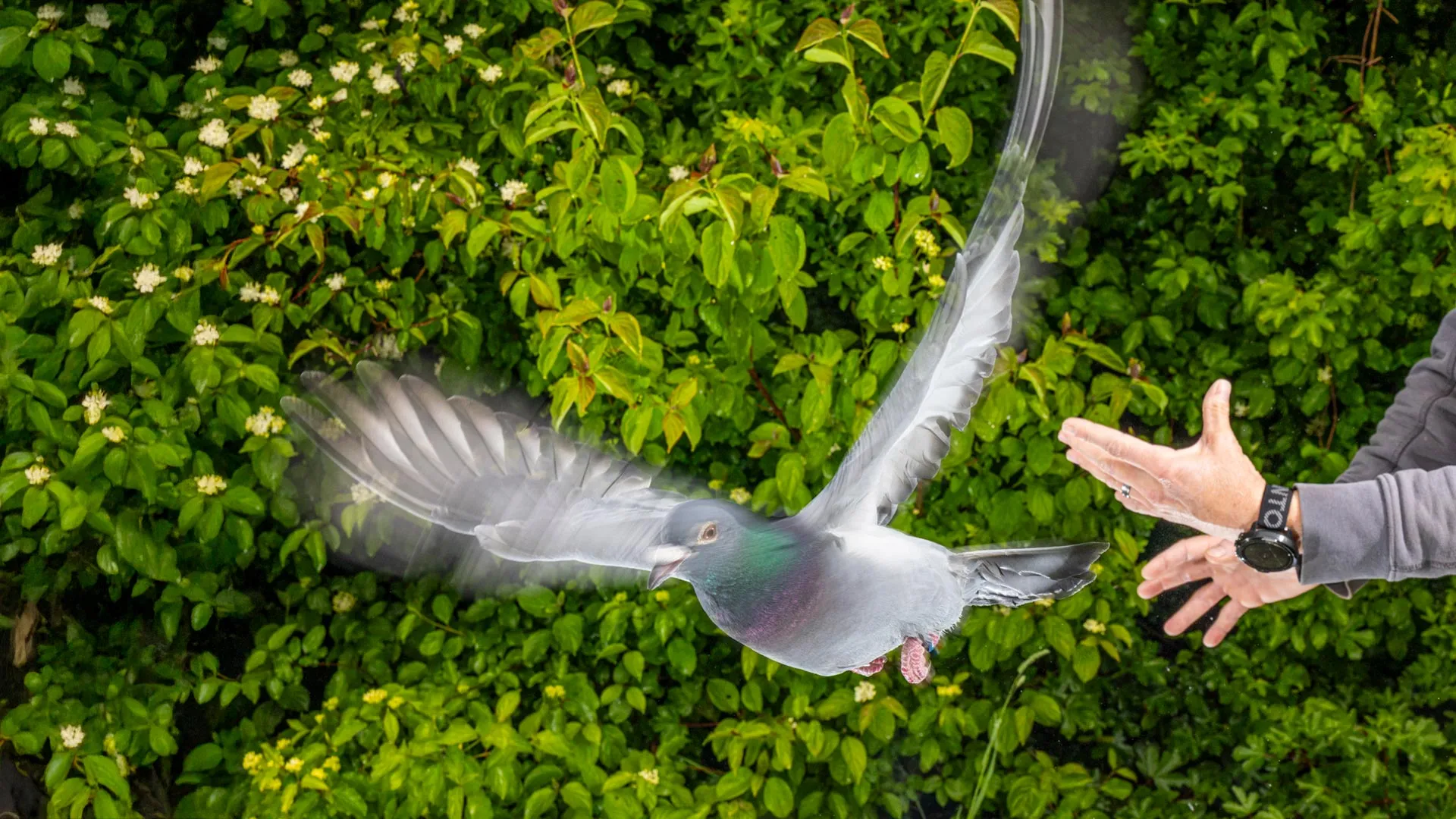
To definitively establish whether these iron-rich liver macrophages play a role in navigation, the researchers conducted a series of meticulously designed experiments. At the Max Planck Institute of Animal Behavior in Konstanz, Germany, homing pigeons were trained to navigate back to their aviary from release points situated more than twenty kilometers away.
The critical phase of the experiment involved selectively removing these liver macrophages from a group of pigeons. The subsequent navigational performance of these birds was then carefully monitored and compared to a control group. The outcomes of these trials revealed a fascinating dependency on environmental conditions.
On overcast days, when the sun, a primary navigational cue for birds, was obscured by clouds, the pigeons that had their liver macrophages removed exhibited significant disorientation. They struggled to maintain their bearing and had considerable difficulty finding their way home. In stark contrast, on clear, sunny days, these same pigeons successfully navigated back to their loft. This suggests that on days when solar cues were readily available, they could compensate for the absence of magnetic information, relying primarily on the sun’s position for orientation.
These findings strongly indicate that pigeons, and likely other avian species, employ a multi-cue navigation system, integrating both magnetic field information and solar cues to achieve their remarkable navigational accuracy. The magnetic sense, facilitated by the liver macrophages, appears to be particularly crucial when other navigational aids are unavailable.
Professor Martin Wikelski, Director at the Max Planck Institute of Animal Behavior and a co-senior author of the study, commented on the significance of this discovery: "What looks like a ‘gut feeling’ in bird navigation may actually have a physical basis." This statement highlights the profound shift in understanding, moving from an abstract concept to a concrete biological mechanism.
The Pathway to the Brain: A Neural Connection
Having established the critical role of liver macrophages in magnetic perception, the research team then focused on understanding how this magnetic information is transmitted from the liver to the brain, the central processing unit for navigation.
Through high-resolution electron microscopy, the researchers observed that the iron-rich macrophages in the liver are strategically positioned in close proximity to nerve fibers. This anatomical arrangement strongly suggests a potential pathway for the transmission of magnetic signals. It is hypothesized that the magnetic stimulation of the macrophages could trigger neural signals that travel along these nerve fibers, ultimately reaching the brain and influencing the bird’s sense of direction.
"These findings provide the first concrete evidence of how the Earth’s magnetic field can be perceived within the body and passed on to the brain to guide movement," stated Dr. Lisowski. This breakthrough bridges the gap between cellular magnetic sensing and the complex neural processing required for navigation.
The study elegantly integrates several well-established biological processes, including iron metabolism, the function of immune cells, and the communication pathways between the immune and nervous systems, to provide a comprehensive explanation for how animals might detect and utilize magnetic fields.
Broader Implications: Beyond the Pigeon
The implications of this discovery extend far beyond the fascinating world of pigeon navigation. While the precise mechanisms by which the brain interprets these magnetic signals still require further elucidation, the fundamental understanding of magnetoreception has been profoundly advanced.
The research opens up exciting avenues for future investigation. For instance, how does the brain encode and process the information received from these liver cells? Are there other organs or cell types involved in this complex sensory system?
Furthermore, the potential for similar mechanisms to exist in other species is significant. Many animals, including sharks, sea turtles, and even some insects, are known for their extraordinary navigational abilities. The discovery of a magnetic sense mediated by liver macrophages in birds raises the intriguing possibility that analogous systems might be at play in a wide array of taxa, particularly those that navigate without relying on visual cues.
Professor Christian Kurts, Director at the Institute of Molecular Medicine and Experimental Immunology at the University Hospital Bonn and another co-senior author, emphasized the novelty of the findings: "We didn’t expect immune cells to act like sensors for magnetic fields at all. Our results reveal a previously unknown mechanism for magnetic perception in animals."
This research challenges long-held assumptions about the nature of sensory perception and suggests that even humans might possess a greater sensitivity to magnetic fields than currently recognized. As scientific inquiry continues to probe the intricate workings of the natural world, this discovery underscores the remarkable adaptability and sophisticated biological machinery that enables life to thrive and navigate its complex environment. The humble pigeon, long admired for its homing prowess, has now provided an invaluable key to unlocking one of nature’s most profound secrets.