For centuries, whispers of ancient mariners and the formidable reptiles they encountered have echoed through the history of the Seychelles. Early explorers, their accounts dating back over 250 years, consistently described crocodiles as an intrinsic part of the island nation’s coastal tapestry. These apex predators, depicted as a common sight along the pristine shores, were integral to the perceived wildness and allure of this Indian Ocean archipelago. However, the arrival of permanent settlers in 1770 marked the beginning of a swift and devastating decline for these magnificent creatures. Within a mere half-century, the indigenous crocodile population of the Seychelles was systematically eradicated, leaving behind only fragmented narratives and lingering questions about their true identity.
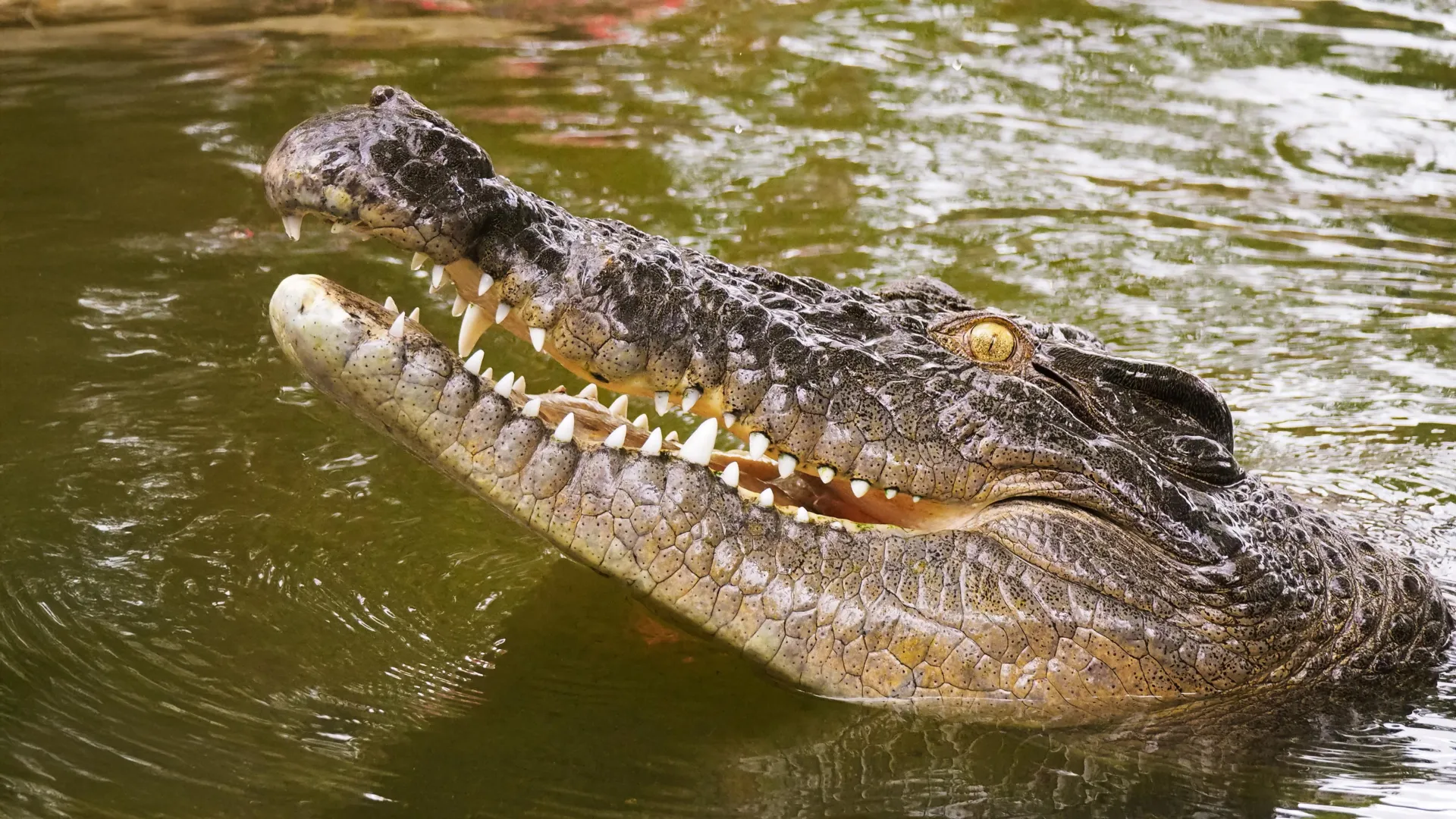
Now, a groundbreaking genetic analysis has finally illuminated the mystery, definitively identifying the vanished reptiles. The comprehensive study, a collaborative effort involving scientists from Germany and the Seychelles, has revealed that these lost crocodiles were not, as some had speculated, a distinct, endemic species. Instead, they represented the westernmost known population of the formidable saltwater crocodile ( Crocodylus porosus ). This revelation is significant not only for understanding the historical ecology of the Seychelles but also for underscoring the remarkable oceanic dispersal capabilities of the world’s largest living reptile and one of its most accomplished long-distance travelers.
Unraveling Ancestral Ties: DNA Deciphers Seychelles Crocodile Identity
The quest to identify the Seychelles crocodiles was a meticulously executed scientific endeavor. Researchers delved into the evolutionary history of Crocodylus porosus by undertaking a comparative analysis of DNA extracted from contemporary populations and genetic material meticulously preserved from historical museum specimens. The core of their investigation focused on analyzing mitochondrial genomes, the genetic material housed within the powerhouses of cells, from a collection of preserved crocodiles belonging to the genus Crocodylus. Crucially, this included rare and invaluable samples originating from the Seychelles population, a lineage that vanished from the islands approximately 200 years ago.
The genetic evidence presented in the study provides robust confirmation of an earlier theory, one that had been tentatively formed based solely on the crocodiles’ physical morphology. For years, subtle differences in their appearance had hinted at a unique lineage, but without conclusive genetic data, these observations remained speculative. The new findings, however, leave no room for doubt: the Seychelles crocodiles were intimately linked to saltwater crocodile populations residing thousands of kilometers distant across the vast expanse of the Indian Ocean. This genetic linkage acts as a powerful testament to the species’ innate ability to traverse immense oceanic distances.
Masters of the Ocean: The Remarkable Dispersal of Saltwater Crocodiles
The saltwater crocodile’s exceptional adaptability to marine environments is a cornerstone of its wide-ranging distribution. Among all extant crocodile species, Crocodylus porosus stands out for its specialized physiological adaptations that facilitate life at sea. A key feature is the presence of highly developed salt glands, located on their tongues. These glands are remarkably efficient at excreting excess salt from the body, a critical adaptation that allows these formidable reptiles to endure prolonged periods in saline seawater without succumbing to dehydration.
This evolutionary advantage has enabled the saltwater crocodile to colonize and thrive across enormous stretches of coastline and to establish populations on remote islands that would be inaccessible to less mobile species. The historical presence of crocodiles in the Seychelles is a prime example of this extraordinary dispersal capability.
Dr. Frank Glaw, a leading reptile expert affiliated with the Bavarian State Collections of Natural History (SNSB) and a senior author of the study, emphasized the immense journey undertaken by the ancestral crocodiles. "The founders of the Seychelles population must have drifted at least 3,000 kilometers across the Indian Ocean to reach the remote archipelago, perhaps even much further," Dr. Glaw stated. This vast distance highlights the significant oceanic currents and potential for long-distance rafting that facilitated the species’ spread.
Scientists theorize that these pioneering crocodiles likely utilized prevailing ocean currents, traveling over generations, to eventually establish a viable breeding population in the isolated islands of the Seychelles. This process, a testament to the power of natural dispersal, illustrates how even geographically isolated regions can be colonized by species with the right adaptations.
A Global Reach: The Extensive Range of Crocodylus porosus
The genetic patterns elucidated by this research further underscore the remarkable mobility and interconnectedness of saltwater crocodile populations. "The genetic patterns suggest that saltwater crocodile populations remained connected over long periods and across great distances, pointing to the high mobility of this species," explained Dr. Stefanie Agne of the University of Potsdam, the study’s first author. This continuous gene flow across vast oceanic barriers indicates a species that did not perceive oceanic divides as insurmountable obstacles.
Even before the tragic extermination of the Seychelles population, the saltwater crocodile boasted an impressive geographic range. At its historical peak, the species occupied an area spanning more than 12,000 kilometers. This immense territory stretched from the islands of Vanuatu in the Pacific Ocean all the way to the Seychelles in the Indian Ocean, a truly global distribution that few other reptiles can rival. This extensive range is a direct consequence of their adaptability, their tolerance for saltwater, and their capacity for long-distance oceanic dispersal.
Historical Context: The Rise and Fall of Seychelles Crocodiles
The narrative of the Seychelles crocodiles is a poignant chapter in the island’s colonial history. Prior to the arrival of French settlers in 1770, the islands, largely uninhabited by humans, offered a sanctuary for a diverse array of wildlife, including crocodiles. Early French navigators and explorers, including the famed French explorer Nicolas Baudin, documented the presence of these reptiles in their journals. These accounts, often tinged with a sense of discovery and the exotic, painted a picture of a natural environment where large predators played a significant role in the ecosystem.
The establishment of permanent settlements, however, initiated a period of rapid and aggressive exploitation of natural resources. The early settlers, driven by the need for sustenance and the desire to transform the islands into agricultural and economic hubs, began to clear land and hunt wildlife. Crocodiles, often perceived as a threat to livestock and human safety, and their hides being a valuable commodity, became targets for eradication.
The historical record indicates a swift and brutal campaign against the crocodile population. Within approximately 50 years of permanent settlement, the reptiles had been driven to extinction on the islands. This rapid extermination serves as a stark reminder of the profound impact early colonial activities had on indigenous ecosystems and wildlife populations across the globe. The lack of comprehensive biological surveys and conservation efforts during this period meant that the true ecological role and genetic uniqueness of these populations were often overlooked or misunderstood.
The Scientific Method: Tracing Ancestry Through Museum Collections
The success of the recent genetic study hinges on the meticulous preservation of biological samples over time. Museum collections, often viewed as repositories of historical artifacts, have proven to be invaluable scientific resources. The genetic material used in this study was carefully extracted from preserved specimens housed in various natural history museums. These specimens, some dating back to the era of early exploration, represent a critical link to the past, allowing scientists to reconstruct evolutionary histories and understand past biodiversity.
The process of DNA extraction from ancient specimens is a complex one, requiring specialized techniques to isolate and amplify fragmented genetic material. The researchers’ ability to obtain viable mitochondrial genomes from these historical samples was a significant technical achievement, enabling them to perform the comparative analysis with modern Crocodylus porosus DNA. Mitochondrial DNA, inherited solely from the mother, is particularly useful for tracing evolutionary lineages due to its relatively stable mutation rate.
The comparison involved identifying specific genetic markers and analyzing the patterns of genetic variation. The closer the genetic similarity between the Seychelles specimens and a particular modern population, the stronger the evidence for a shared ancestry. The findings demonstrated a high degree of genetic congruence between the historical Seychelles crocodiles and contemporary saltwater crocodiles, particularly those found in the Indian Ocean region.
Broader Implications: Conservation and Understanding of Dispersal
The confirmation that the Seychelles crocodiles were part of the wider Crocodylus porosus species has several important implications. Firstly, it provides a clearer understanding of the historical biogeography of this iconic reptile. It demonstrates that during certain periods, the species’ range extended further west into the Indian Ocean than was previously definitively established through genetic evidence.
Secondly, it highlights the vulnerability of even wide-ranging species to localized extinction events. The eradication of the Seychelles population, while a loss for that archipelago’s biodiversity, did not threaten the survival of the saltwater crocodile as a species globally. However, it serves as a potent case study in how human activities can rapidly lead to the disappearance of populations, even those that are part of a widely distributed and resilient species.
For conservationists, this research reinforces the importance of protecting all extant populations of saltwater crocodiles. While the species is not currently considered endangered globally, localized threats such as habitat loss, human-wildlife conflict, and illegal hunting continue to pose challenges in various parts of its range. Understanding the historical connectivity between populations, as revealed by this study, can inform future conservation strategies, emphasizing the need to maintain genetic diversity and ecological corridors.
Furthermore, the study contributes to our broader understanding of animal dispersal and colonization. The ability of saltwater crocodiles to cross vast oceanic distances has played a crucial role in their evolutionary success. This genetic evidence provides concrete data to support theories of long-distance dispersal mediated by ocean currents, offering valuable insights into the ecological processes that shape the distribution of species in marine environments.
Official Responses and Future Research
While no direct official statements have been released by Seychelles government bodies specifically on this genetic study, it is highly probable that the findings will be of significant interest to the nation’s environmental agencies and scientific institutions. The Seychelles, a nation deeply committed to environmental conservation and the protection of its unique biodiversity, consistently engages with scientific research that sheds light on its natural heritage.
The Ministry of Environment, Energy and Climate Change, and organizations like the Seychelles Islands Foundation, which are at the forefront of conservation efforts, will likely integrate this new genetic understanding into their educational programs and future research initiatives. The confirmation of a lost crocodile lineage, even if not a unique species, is a valuable piece of the islands’ natural history that can be shared with the public and utilized in efforts to foster a deeper appreciation for the archipelago’s past ecological landscape.
Future research could delve further into the precise timing of the Seychelles population’s establishment and the specific ocean currents that facilitated their journey. Additionally, exploring the potential for reintroduction of saltwater crocodiles into suitable habitats within the Seychelles, if deemed ecologically appropriate and safe, could be a long-term consideration, informed by this newfound understanding of their historical presence and dispersal capabilities. Such a move would, of course, require extensive feasibility studies, community engagement, and rigorous environmental impact assessments.
In conclusion, the genetic unraveling of the Seychelles crocodiles’ identity is a significant scientific achievement. It not only resolves a historical enigma but also deepens our appreciation for the remarkable adaptability and oceanic prowess of the saltwater crocodile. The story of these vanished reptiles serves as a poignant reminder of the dynamic interplay between species and their environment, and the profound impact human history can have on the natural world. The echoes of their presence, once common along the Seychelles shores, now resonate with the clarity of scientific evidence, illuminating a remarkable chapter in the grand narrative of oceanic life.