A groundbreaking preclinical study led by investigators at Weill Cornell Medicine has identified a single molecular switch that is essential for blood stem cells to transition from a dormant state into an activated, regenerative state. This discovery, centered on the transcription factor protein FLI-1, offers a potential paradigm shift in the fields of hematology and regenerative medicine. By understanding and controlling this switch, researchers believe they can significantly enhance the efficacy of bone marrow transplants and gene therapies, particularly for patients with limited stem cell supplies or those whose cells have been damaged by intensive medical treatments.
The research, published in the journal Nature Immunology, provides a detailed roadmap of how hematopoietic stem cells (HSCs) interact with their environment to replenish the body’s blood and immune systems. For decades, the medical community has sought ways to "prime" these cells to improve engraftment—the process by which transplanted cells successfully integrate into a host’s bone marrow and begin producing new blood. The identification of FLI-1 as the primary driver of this activation provides a tangible target for clinical intervention.
The Biological Mechanism of Stem Cell Quiescence and Activation
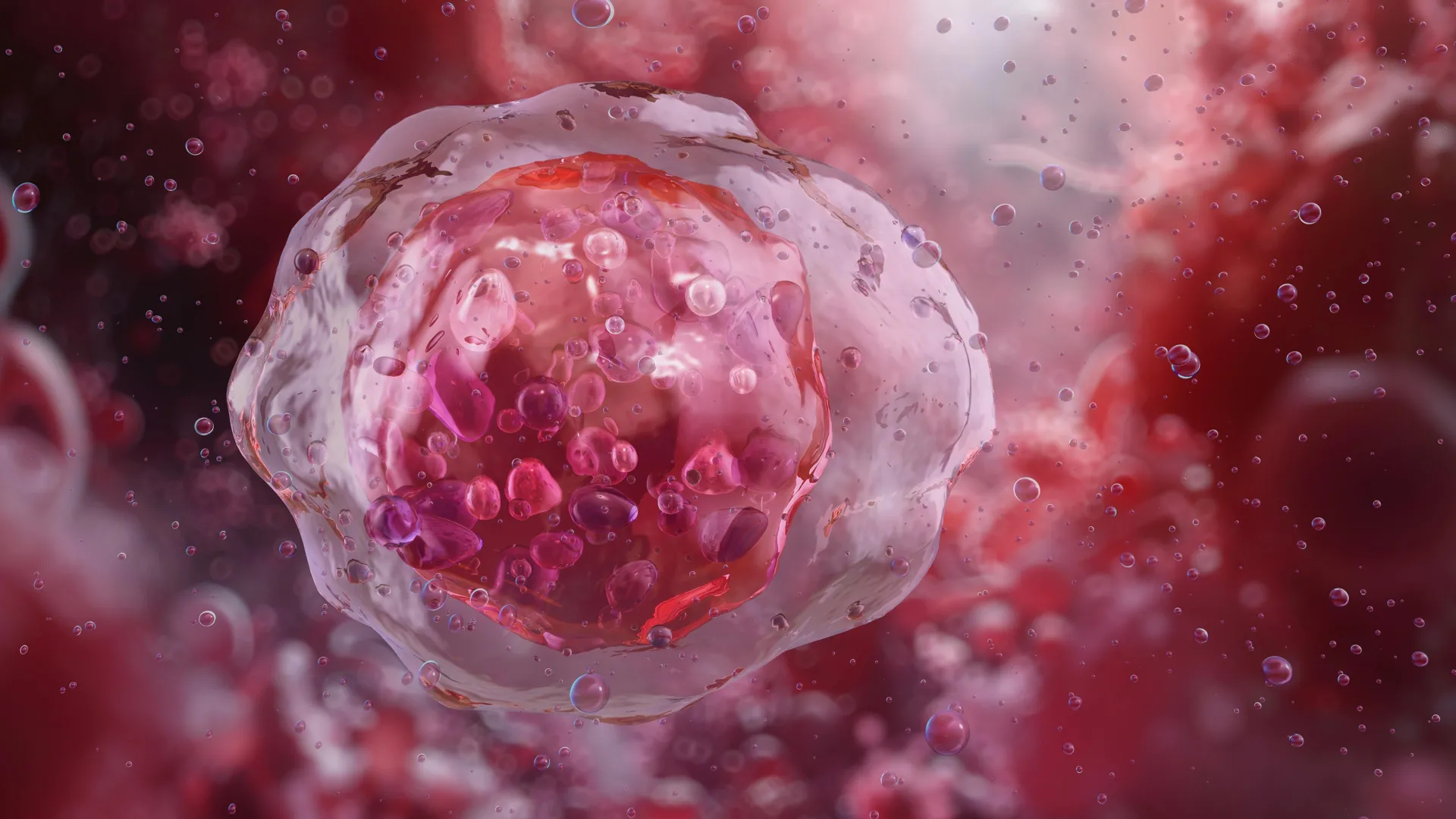
Stem cells are the foundational building blocks of the human body, possessing the unique ability to differentiate into various specialized cell types. In the bone marrow, blood stem cells typically exist in a state of "quiescence." This is a protective, slowly dividing state that preserves the longevity of the stem cell pool throughout a person’s life. However, when the body suffers an injury or undergoes significant blood loss, these cells must rapidly "wake up" and enter an activated state to produce a massive influx of mature, functional blood cells.
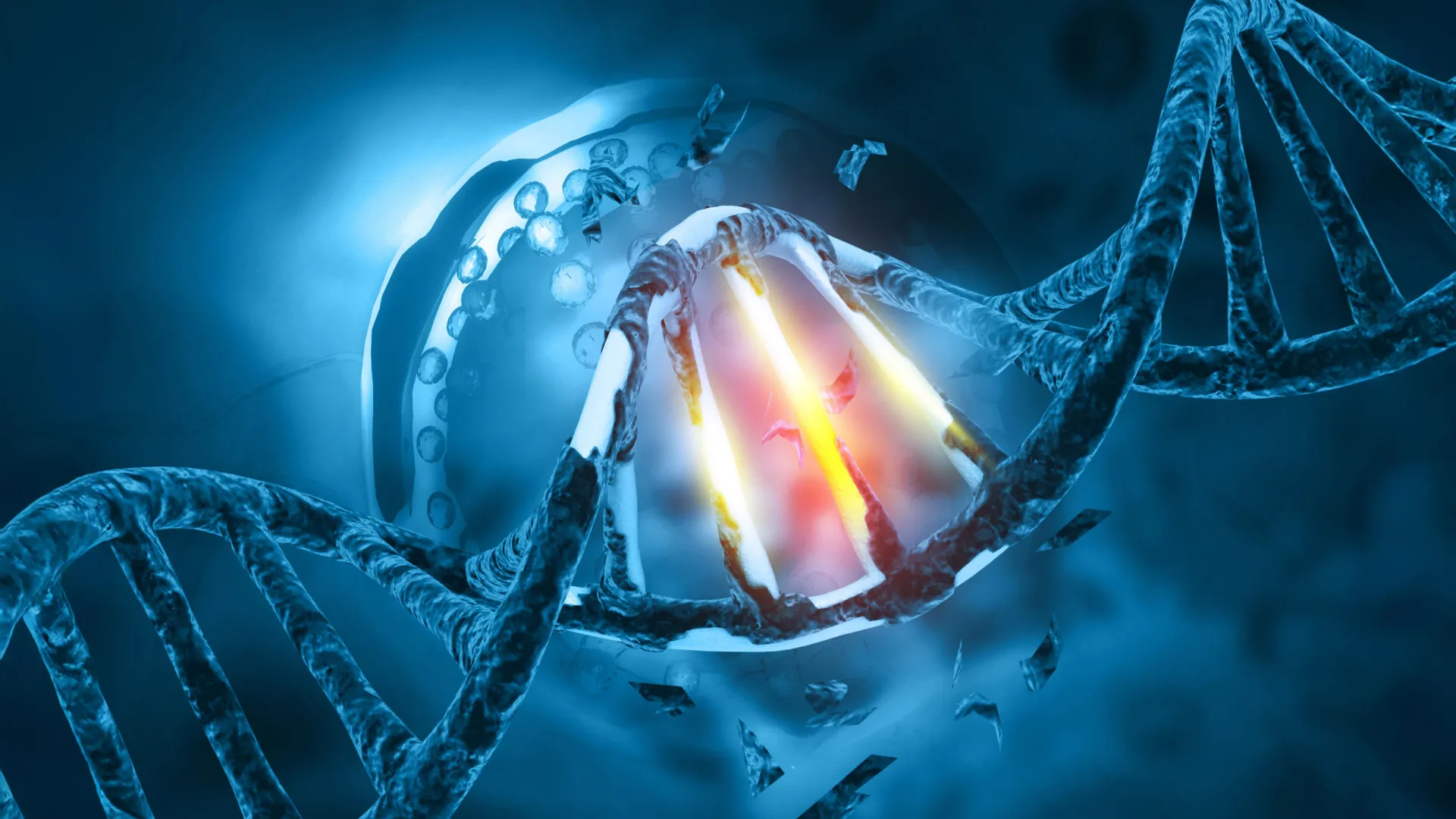
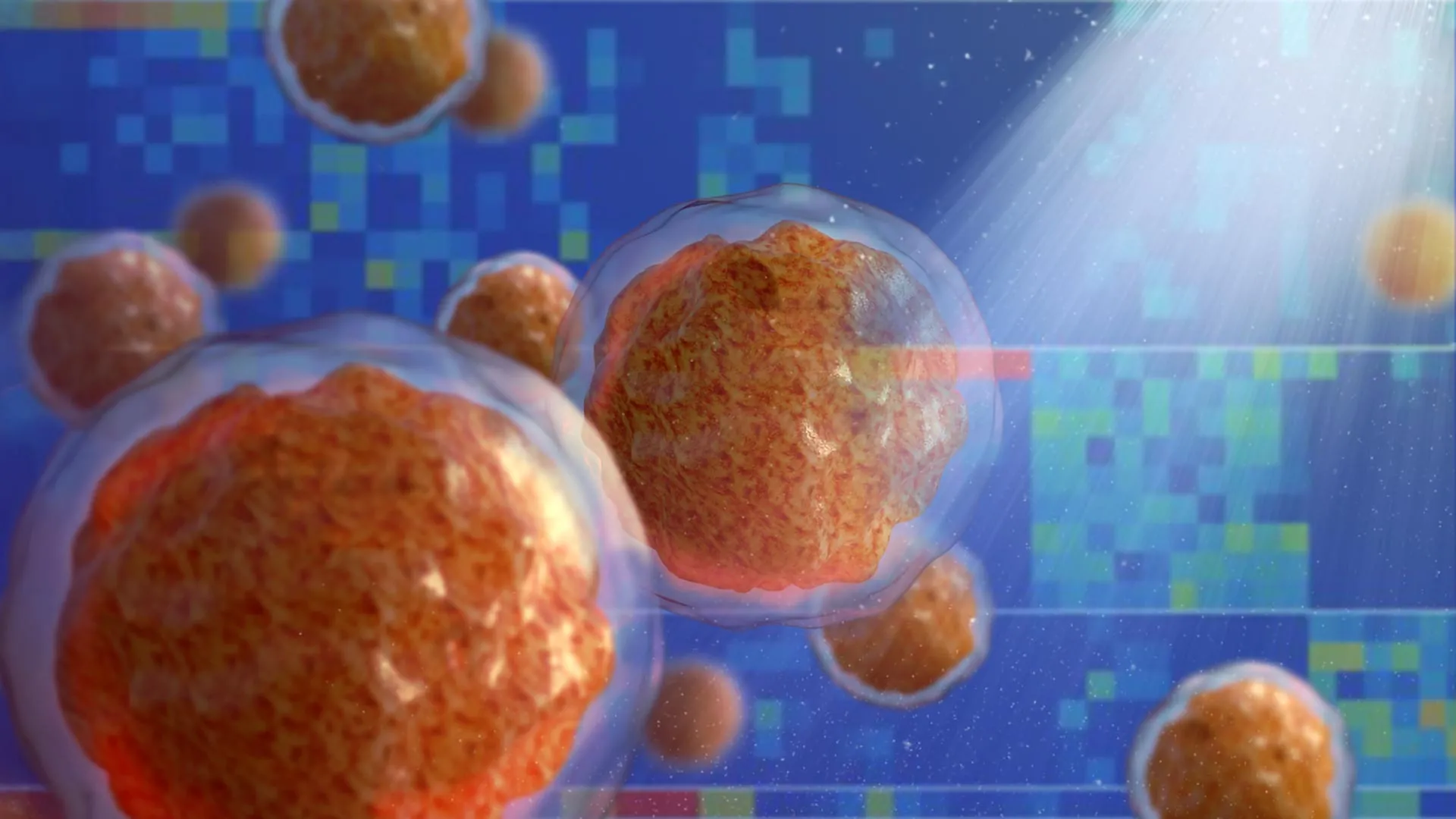
The transition from dormancy to activity is not a simple toggle; it involves a complex orchestration of genetic signals and environmental interactions. The Weill Cornell study utilized advanced single-cell profiling and computational analysis to compare the gene activity of quiescent versus activated blood stem cells. Through this rigorous screening, the team zeroed in on FLI-1. As a transcription-regulating protein, FLI-1 acts as a master controller, capable of modulating the activity of thousands of downstream genes.
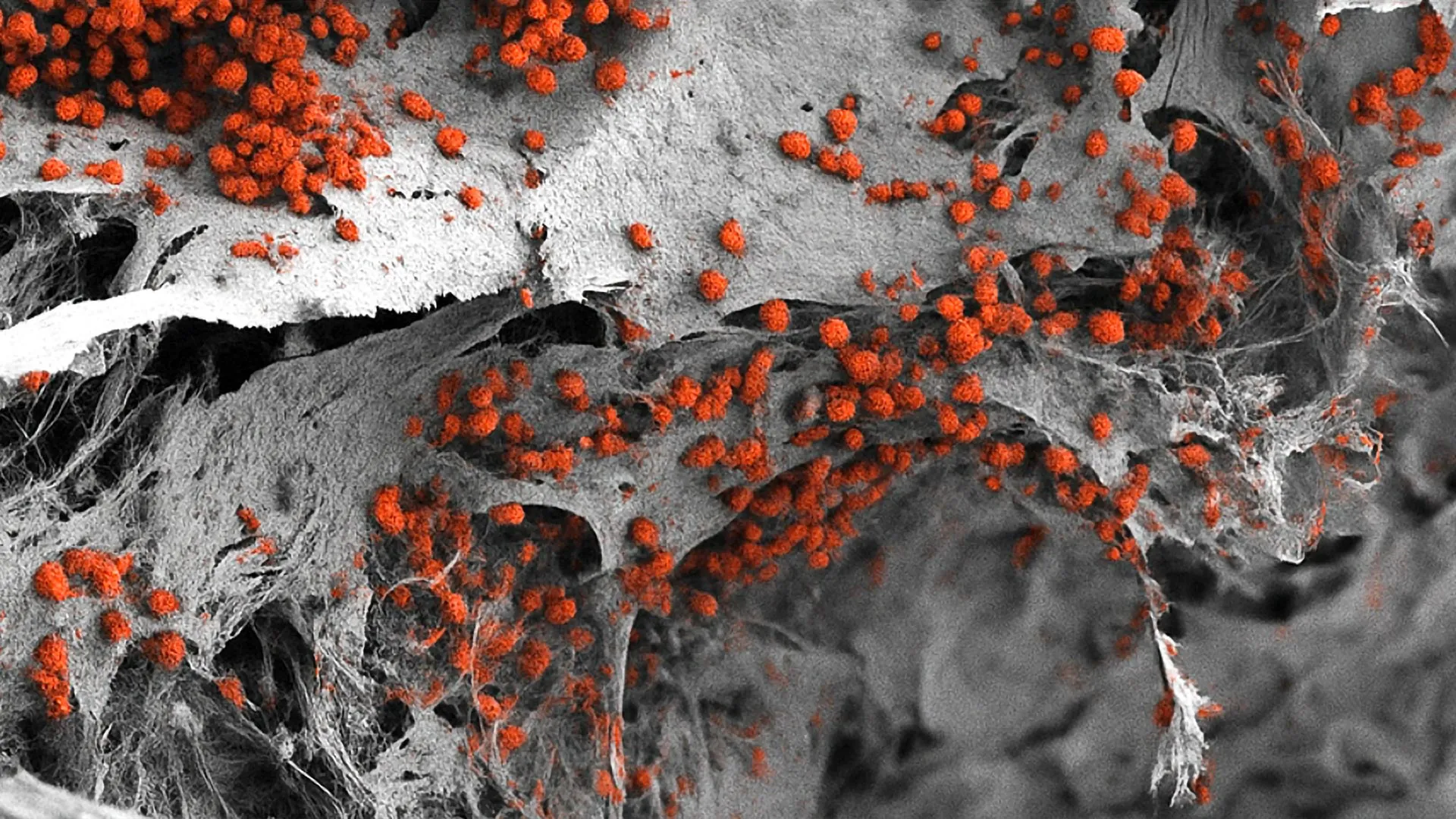
The researchers discovered that in the absence of FLI-1, blood stem cells remain locked in their quiescent state. Crucially, without this protein, the stem cells lose their ability to communicate with the surrounding marrow environment, specifically the specialized endothelial cells that form the "vascular niche" of the bone marrow. When FLI-1 is present and active, it restores these vital connections, allowing the stem cells to expand their numbers and successfully repopulate the blood system.
Enhancing Bone Marrow Transplants and Gene Therapies
The practical implications of this discovery are most immediate in the realm of bone marrow transplantation. Currently, transplants are a cornerstone of treatment for various blood cancers, such as leukemia and lymphoma, as well as certain genetic disorders. However, the success of these procedures often hinges on the quantity and quality of the donor’s stem cells.
In many cases, such as when a patient serves as their own donor (autologous transplant) after undergoing chemotherapy or radiation, the available stem cells may be "exhausted" or difficult to activate. By transiently introducing FLI-1 into these cells, doctors could potentially "recharge" them before they are re-infused into the patient. This would ensure that even a limited supply of cells can rapidly expand and establish a healthy blood-producing system in the recipient.
Furthermore, the discovery holds immense promise for gene therapy. Treatments for disorders like beta-thalassemia and sickle cell anemia involve harvesting a patient’s stem cells, inserting a healthy version of a gene in a laboratory setting, and then re-infusing the modified cells. This process is often hindered by the fragility of the cells during laboratory manipulation. A method to safely switch these cells into a regenerative state using FLI-1 could improve the survival and "engraftment" rates of these gene-edited cells, leading to more durable and effective cures.
A Novel Approach: The mRNA "Pulse" Technique
One of the significant challenges in manipulating FLI-1 is that its permanent overactivity is a known driver of certain types of leukemia. Therefore, simply "turning on" the gene permanently is not a viable medical strategy. To circumvent this risk, the research team developed a sophisticated method to stimulate the cells with FLI-1 only temporarily.
Taking a cue from the technology used in modified mRNA-based vaccines, the researchers introduced FLI-1 into the stem cells via a transient "pulse." This allows the protein to perform its regenerative function for a few days—long enough to activate the cells and facilitate engraftment—before the mRNA naturally degrades. This temporary boost "wakes up" the cells from hibernation without causing the long-term genetic instability associated with cancer.
Dr. Tomer Itkin, co-first author of the study and director of Tel Aviv University’s Neufeld Cardiovascular Research Institute, noted that the cells primed with this mRNA approach showed no evidence of cancerous transformation while demonstrating a superior ability to functionally and durably engraft in the host. This safety profile is a critical milestone for moving the technology toward human clinical trials.
Solving the Umbilical Cord Stem Cell Puzzle
The study also shed light on a long-standing mystery in hematology: why stem cells derived from human umbilical cord blood often possess greater regenerative potential than those harvested from adult bone marrow. For years, clinicians have observed that cord blood cells are more "potent" and better at engrafting, yet the underlying molecular reason remained elusive.
The Weill Cornell team demonstrated that these differences are directly linked to the levels of FLI-1 activity. Umbilical cord-derived stem cells naturally exhibit a higher propensity for FLI-1-mediated interaction with the vascular niche. By identifying this mechanism, the researchers have provided a way to potentially "upgrade" adult stem cells to match the high-performance characteristics of cord blood cells, effectively expanding the pool of high-quality material available for life-saving transplants.
The Importance of the Vascular Niche
A key takeaway from the research is that stem cell activity is not an autonomous process. The study highlights the "cross-talk" between blood stem cells and the endothelial cells of the bone marrow’s blood vessels. This microenvironmental niche provides the necessary signals for stem cell survival and self-renewal.
Co-first author Sean Houghton, a bioinformatics analyst at the Englander Institute for Precision Medicine, emphasized that the activation of stem cells depends on the adaptability between the cells and their niche. FLI-1 is the bridge that facilitates this adaptability. By analyzing the signaling pathways involved, the team clarified that the stem cell is not just a passive recipient of environmental signals but an active participant that must be "primed" to receive and respond to those signals.
Timeline and Future Directions
The journey to this discovery involved several years of multi-disciplinary research, combining wet-lab biology with sophisticated computational modeling. The timeline of the research highlights the evolution of the project:
- Initial Profiling: The team began by mapping the genetic landscape of quiescent versus activated stem cells using single-cell RNA sequencing.
- Target Identification: FLI-1 was identified as a candidate "master switch" due to its high expression in regenerative phases.
- Functional Validation: Preclinical models were used to observe the effects of removing FLI-1, which resulted in a failure of stem cell activation and niche communication.
- Technological Integration: The team adapted mRNA technology to deliver a transient "pulse" of FLI-1, testing for both efficacy and safety.
- Comparative Analysis: The team validated their findings by comparing adult stem cells with umbilical cord stem cells.
The researchers are now moving toward scaling up this modified mRNA-based method. The ultimate goal is to transition from preclinical models to human patients. If successful, this approach could set the stage for treating a wide range of blood disorders with long-term, stable, and safe blood production.
Broader Impact on Precision Medicine
This study represents a significant victory for the field of precision medicine. By identifying the specific molecular "lever" that controls stem cell behavior, scientists are moving away from broad, less predictable treatments toward highly targeted interventions.
The support for this research was extensive, involving the National Heart, Lung, and Blood Institute (NHLBI), the National Institute of Diabetes and Digestive and Kidney Diseases (NIDDK), and the National Institute of Allergy and Infectious Diseases (NIAID). Such broad institutional support underscores the perceived importance of this discovery across multiple medical disciplines.
As the medical community looks toward the future, the ability to "wake up" stem cells on demand could revolutionize not only cancer treatment but also our approach to aging and tissue repair. While the current focus remains on blood-related conditions, the principles of niche interaction and transcription factor modulation discovered by the Weill Cornell team may eventually be applied to other types of tissue-specific stem cells, opening new doors in the broader field of regenerative medicine.