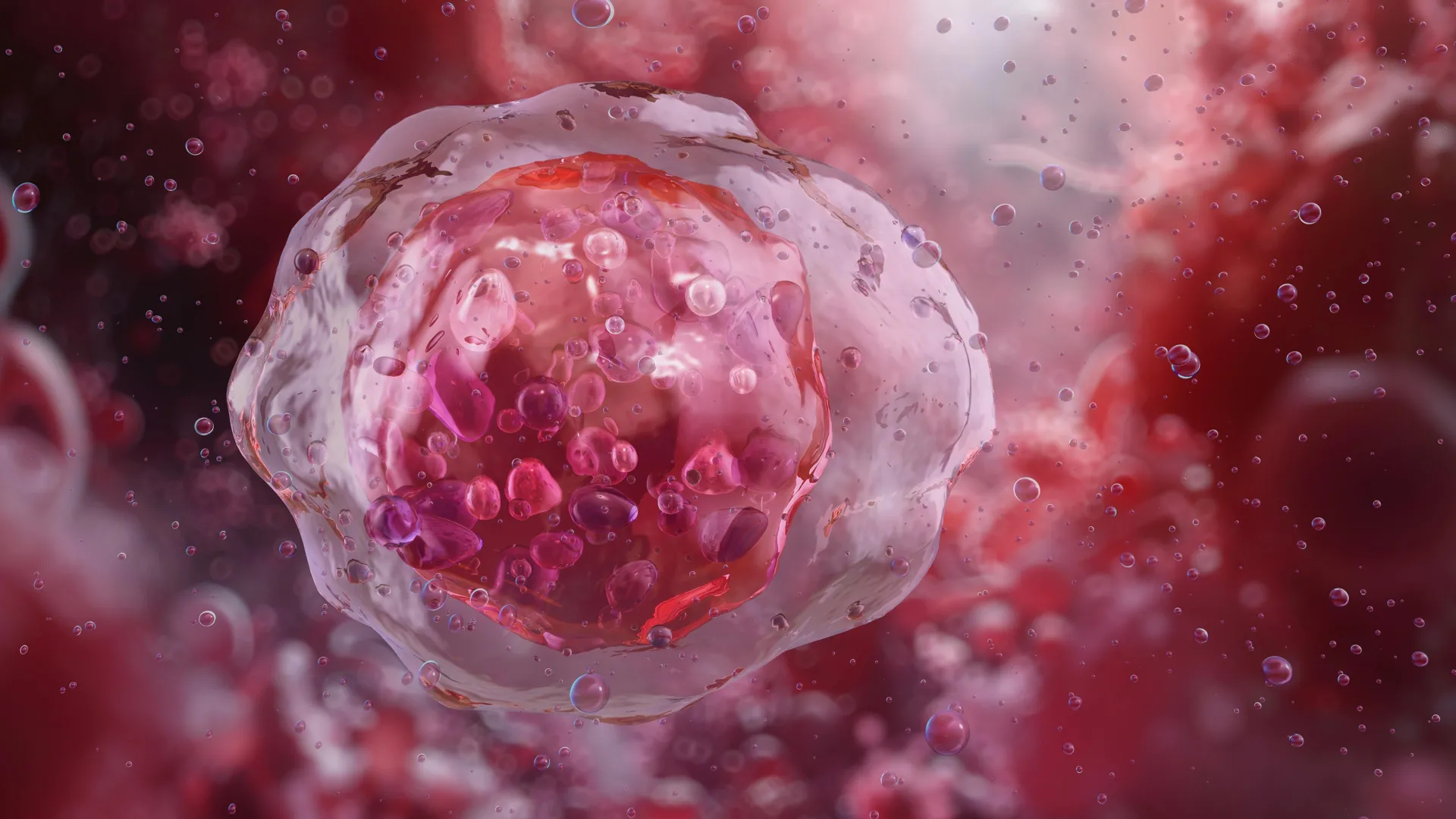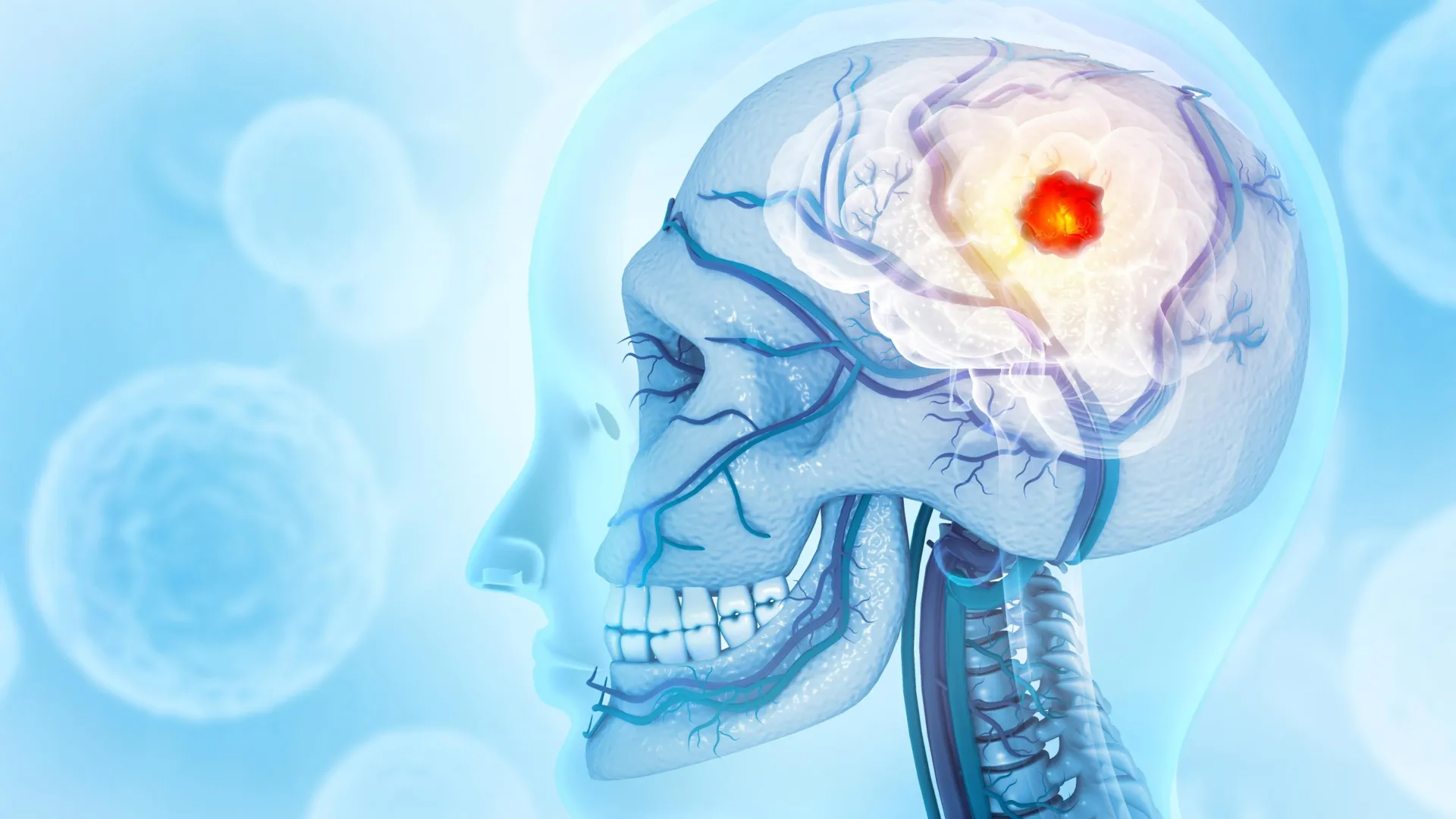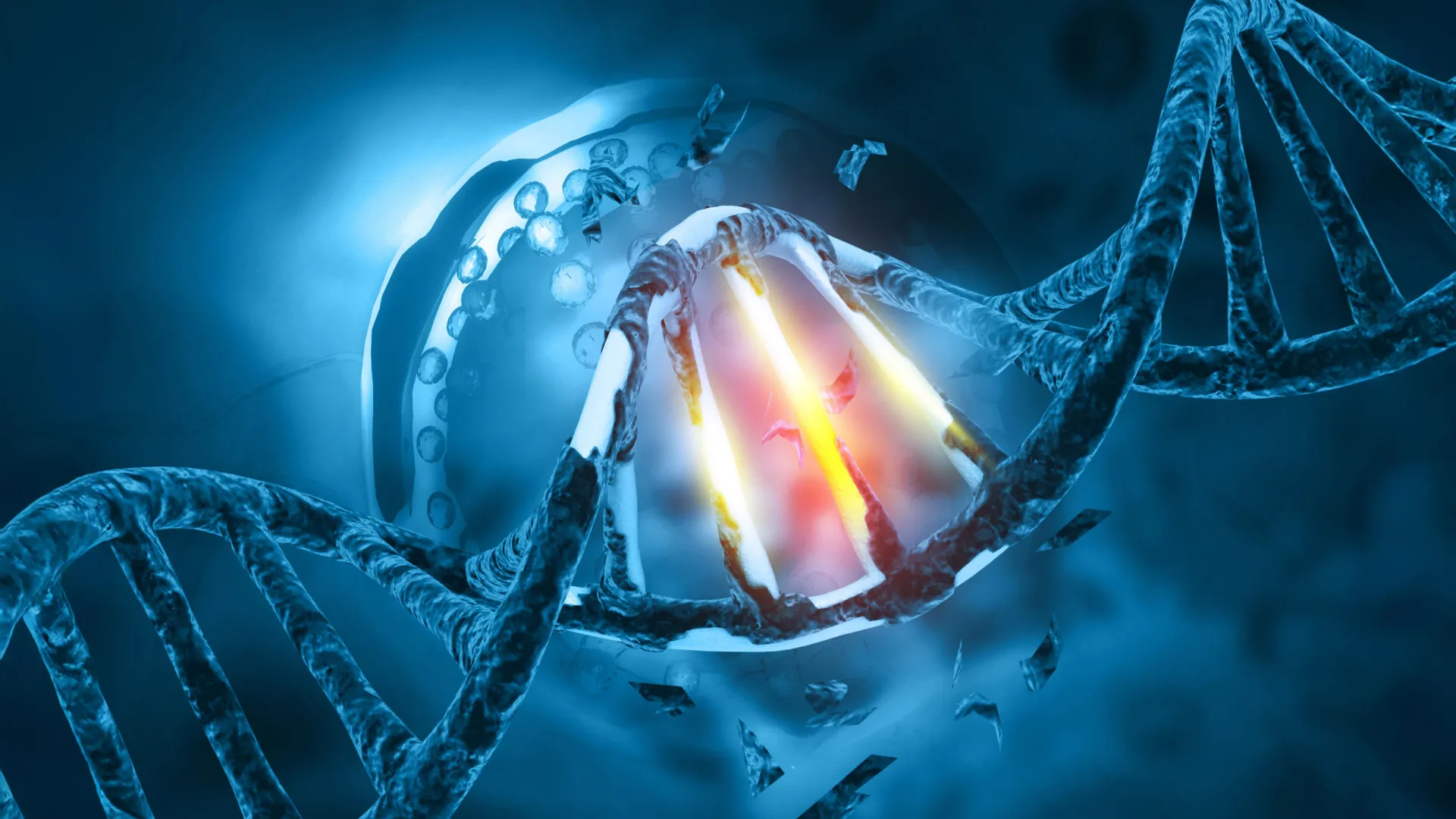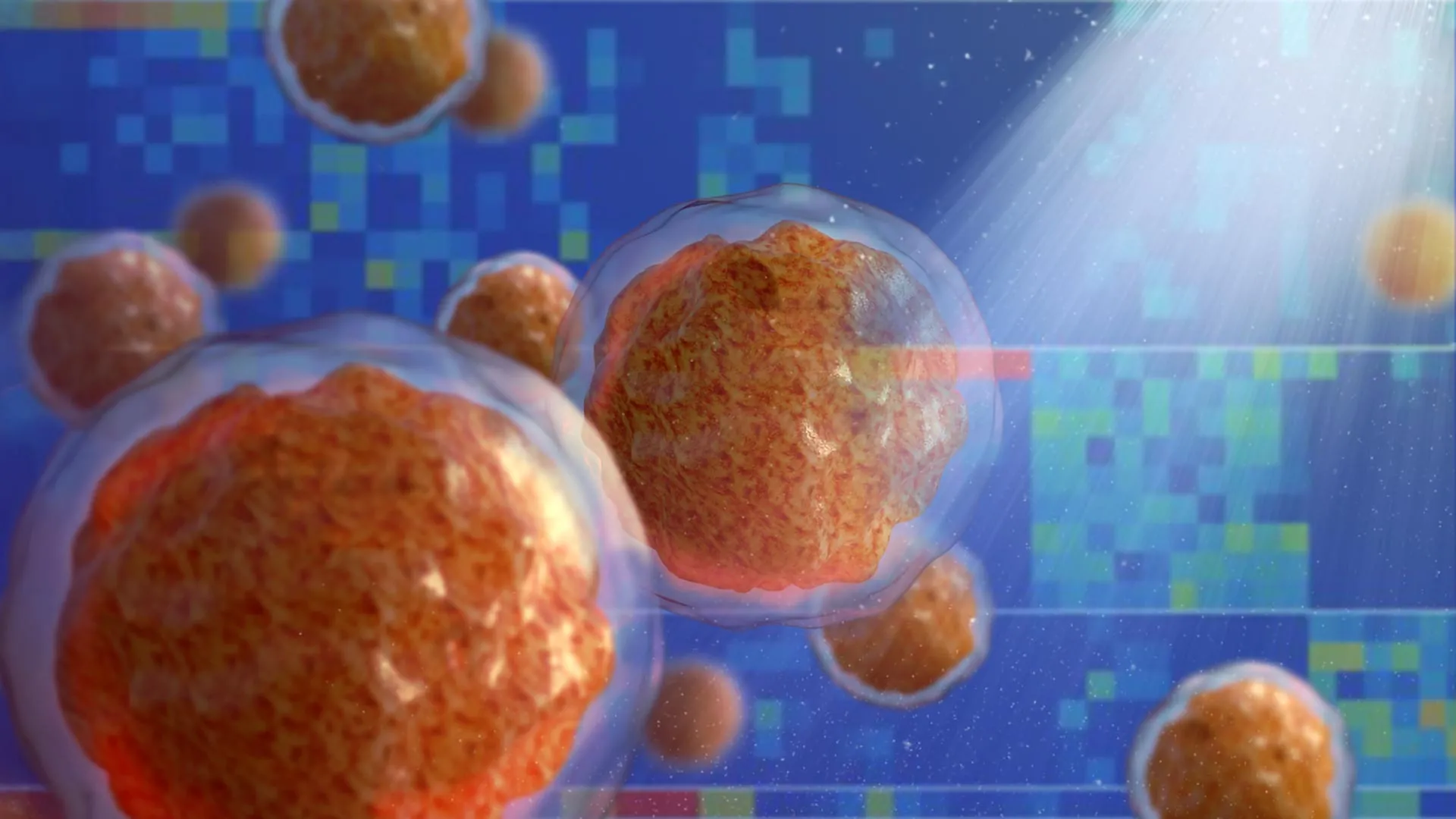
This seminal research, conducted by a collaborative team from the University of Michigan and the University of California San Diego, has unveiled a critical mechanism explaining how breast cancer cells evade treatment and persist in the human body for years. The study, published in the Journal of Clinical Investigation, focuses on the behavior of estrogen receptor-positive (ER+) breast cancer cells—the most prevalent form of the disease—and their ability to find sanctuary within the bone marrow. By identifying the specific cellular "tunnels" used to smuggle life-sustaining molecules from healthy cells to cancerous ones, researchers have opened a new frontier in the fight against late-stage recurrence and metastatic progression.
The Persistence of ER+ Breast Cancer and the Bone Marrow Sanctuary
Estrogen receptor-positive breast cancer accounts for approximately 70% to 80% of all breast cancer diagnoses. While early-stage prognosis is often favorable due to the efficacy of hormone-targeted therapies, a significant shadow hangs over survivors: the risk of late recurrence. Unlike more aggressive subtypes like triple-negative breast cancer, which tend to recur within the first few years, ER+ cancer is notorious for its ability to remain dormant.
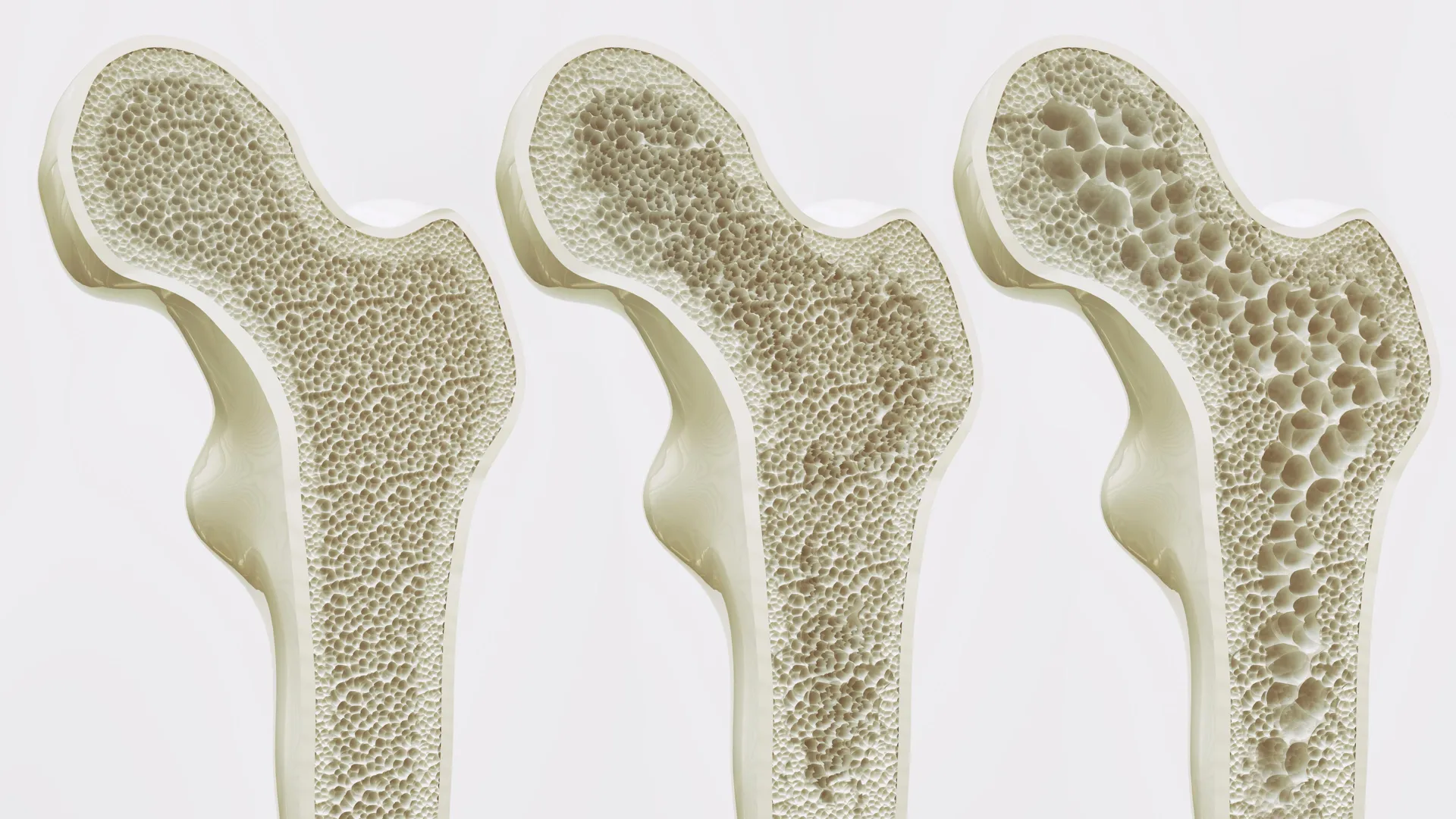
For decades, clinicians have observed patients who, after ten or twenty years of being declared "cancer-free," suddenly face a secondary diagnosis. This recurrence often manifests in the bone marrow, a complex and nutrient-rich environment that acts as a "sanctuary" for disseminated tumor cells (DTCs). According to the study, approximately 40% of patients with ER+ breast cancer will experience a recurrence. When these cells "reawaken" in the bone, the results are often devastating, leading to aggressive bone cancer characterized by hypercalcemia, debilitating pain, and pathological fractures. Furthermore, once these cells regain their proliferative potential in the marrow, they frequently spread to other vital organs, such as the lungs or liver, at which point the disease is generally considered incurable.
Deciphering the "Generous Neighbor" Mechanism
The core of the research involves the interaction between breast cancer cells and mesenchymal stem cells (MSCs), a type of multipotent stromal cell found in bone marrow that is essential for the repair and maintenance of skeletal tissues. Under normal circumstances, MSCs are vital for health; however, the study reveals that cancer cells hijack these cells for their own survival.
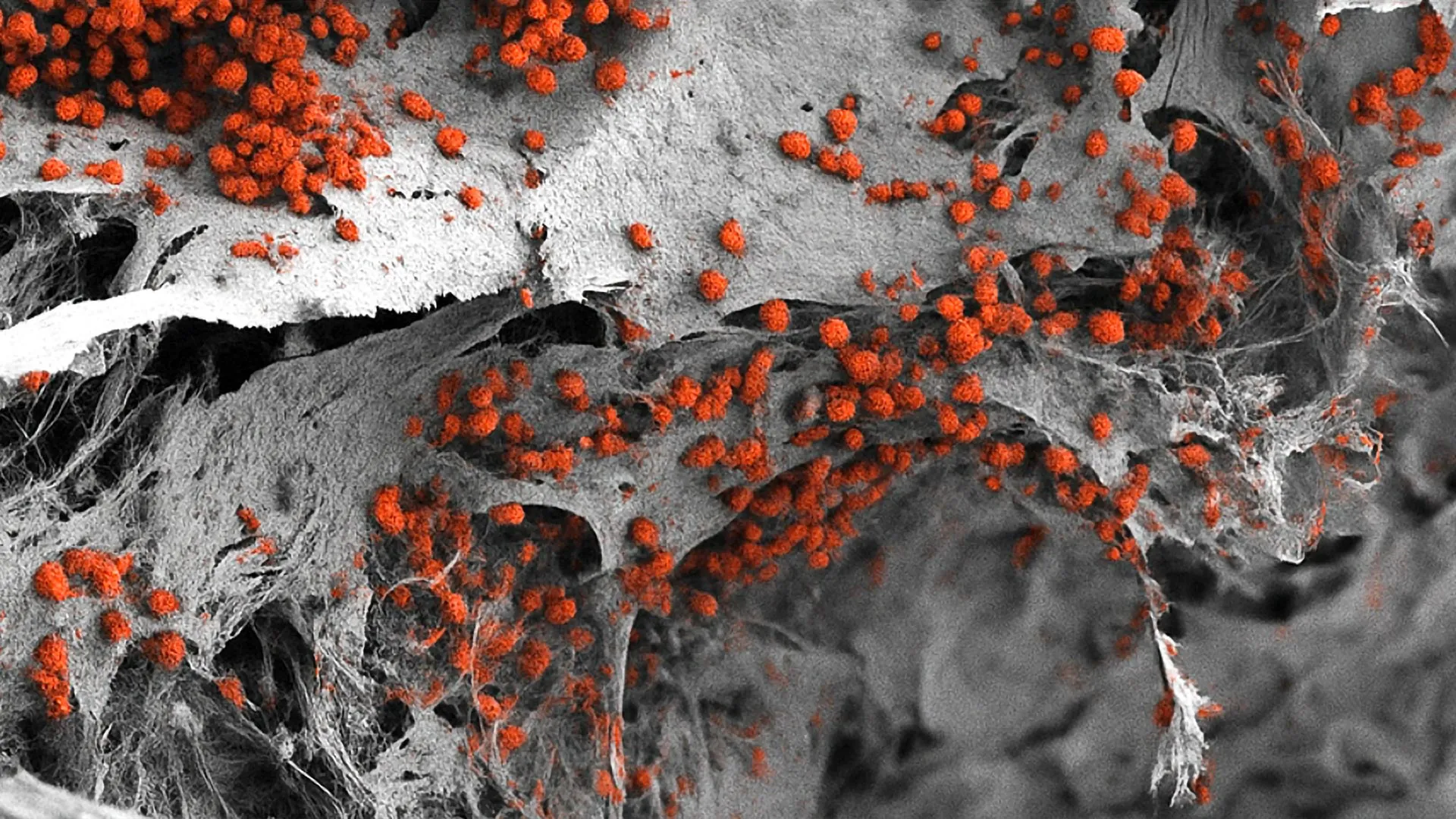
Gary Luker, M.D., head of the Luker Lab at the University of Michigan’s Center for Molecular Imaging and senior author of the paper, describes this relationship as a predatory form of neighborliness. The researchers discovered that cancer cells do not merely exist alongside MSCs; they establish physical connections. Through the formation of CX43-related tunnels—functional gap junctions and tunneling nanotubes—the cancer cells "borrow" essential biological materials directly from the MSCs.
"The cancer cells physically borrow molecules—proteins, messenger RNA—directly from the mesenchymal stem cells," Luker explained. "Essentially the mesenchymal stem cells act as very generous neighbors in donating things that make the cancer cells more aggressive and drug resistant."
This molecular smuggling allows the cancer cells to adapt to the bone marrow microenvironment. By acquiring mRNA and proteins from healthy stem cells, the cancer cells undergo a phenotypic shift, gaining the tools necessary to survive in a dormant state while simultaneously preparing for a future, more aggressive resurgence.
The Role of CX43 and the Identification of GIV
To understand the specifics of this transformation, the research team conducted laboratory experiments that monitored the changes in cancer cells following contact with MSCs. They observed alterations in the expression of hundreds of different proteins. Through rigorous proteomic analysis, the researchers narrowed their focus to a specific protein: G-protein-coupled receptor-interacting vascular (GIV), also known as Girdin.
The study identifies GIV as a primary driver of the aggressive traits seen in recurring breast cancer. GIV is known in oncology for its role in promoting invasiveness, chemoresistance, and the acquisition of metastatic potential across various cancer types. In the context of ER+ breast cancer, the acquisition of GIV through the MSC tunnels is particularly catastrophic.
One of the most significant findings regarding GIV is its role in drug resistance. The protein makes cancer cells specifically resistant to estrogen-targeted therapies, such as Tamoxifen. Tamoxifen is a cornerstone of breast cancer treatment, designed to block estrogen receptors and prevent the growth of ER+ cells. However, when cancer cells "smuggle" GIV and other supportive molecules from the bone marrow stroma, they develop a bypass mechanism that allows them to survive despite the presence of the drug. This explains why standard hormonal therapies often fail to clear disseminated cells from the bone marrow, even when they successfully eliminate the primary tumor in the breast.
Chronology of Recurrence: The Sleeper Cell Timeline
The timeline of ER+ breast cancer recurrence is one of the most challenging aspects of the disease. The study highlights the "sleeper cell" phenomenon, where cancer cells enter a state of quiescence (G0 phase of the cell cycle) upon entering the bone marrow.
- Dissemination: Even in early stages, some cancer cells break away from the primary tumor and enter the bloodstream.
- Seeding: These cells find their way to the bone marrow, where the microenvironment provides a protective niche.
- Dormancy: Supported by "smuggled" materials from MSCs, the cells remain dormant for years, evading traditional chemotherapy which typically targets rapidly dividing cells.
- Reawakening: Triggered by changes in the microenvironment or the cumulative acquisition of aggressive traits through cellular tunnels, these cells begin to proliferate.
- Relapse: The patient experiences a relapse, often with a more aggressive, treatment-resistant form of the disease.
Pradipta Ghosh, M.D., a professor at UC San Diego School of Medicine and a lead author of the study, emphasized the danger of this timeline. "Sleeper cells can be reawakened and cause estrogen receptor-positive breast cancers to relapse years—in some cases as long as a decade—after patients were believed to be in remission," Ghosh stated.
Implications for Future Oncology and Drug Development
The discovery of CX43-related tunnels and the role of GIV represents a paradigm shift in how researchers view the tumor microenvironment. Traditionally, cancer research has focused almost exclusively on the mutations within the cancer cell itself. This study suggests that the "soil" (the bone marrow stroma) is just as important as the "seed" (the cancer cell).
The implications for future treatment are profound. If the "tunnels" used for smuggling can be blocked, or if the proteins being smuggled (like GIV) can be targeted, it may be possible to "starve" the dormant cancer cells or prevent them from acquiring the aggressive phenotypes required for recurrence.
"Since these cancer cells ‘borrow’ essential proteins from stem cells in the bone marrow through cellular tunnels—much like smuggling—approaches for targeting the tunnels or proteins they smuggle could help prevent the relapse and metastasis of estrogen receptor-positive breast cancer," Ghosh noted.
Potential therapeutic strategies resulting from this research could include:
- CX43 Inhibitors: Developing drugs that specifically inhibit the formation of gap junctions or nanotubes between cancer cells and MSCs.
- GIV-Targeted Therapies: Creating small molecule inhibitors that counteract the activity of Girdin, potentially restoring the efficacy of Tamoxifen and other endocrine therapies.
- Combination Protocols: Integrating "stroma-targeting" drugs with traditional hormonal therapies to ensure that disseminated cells are not just suppressed, but eliminated.
Broader Context and Scientific Analysis
This study adds to a growing body of evidence regarding the "Seed and Soil" hypothesis, first proposed by Stephen Paget in 1889, which suggests that metastasis depends on the cross-talk between selected cancer cells (the seeds) and specific organ microenvironments (the soil). The work of the Michigan and San Diego teams provides a modern, molecular-level explanation for this 135-year-old theory.
The data presented in the Journal of Clinical Investigation also sheds light on why bone is the most common site of metastasis for breast cancer. The bone marrow is not merely a passive landing spot; it is an active participant in the cancer’s evolution. By showing that mesenchymal stem cells essentially "program" the cancer cells for survival and resistance, the study underscores the necessity of systemic treatments that address these hidden cellular interactions.
Furthermore, the research highlights the limitations of current diagnostic tools. Many of these "sleeper cells" exist in quantities too small to be detected by standard PET or CT scans. By understanding the molecular markers of these dormant cells, such as the presence of CX43 tunnels or high levels of GIV, scientists may eventually develop more sensitive liquid biopsies or imaging techniques to identify patients at high risk for late recurrence before the cancer becomes symptomatic.
Conclusion
The collaborative effort between the University of Michigan and UC San Diego marks a significant milestone in breast cancer research. By identifying the CX43-related tunnels and the smuggling of GIV proteins, the team has provided a logical explanation for the long-standing mystery of ER+ breast cancer recurrence. As the scientific community moves toward more personalized and microenvironment-aware treatments, this discovery offers a beacon of hope for the thousands of women who live with the fear of late-stage relapse. The transition from understanding the mechanism of "smuggling" to developing clinical interventions will be the next critical phase in transforming ER+ breast cancer from a disease that lingers in the shadows into one that can be fully and permanently eradicated.