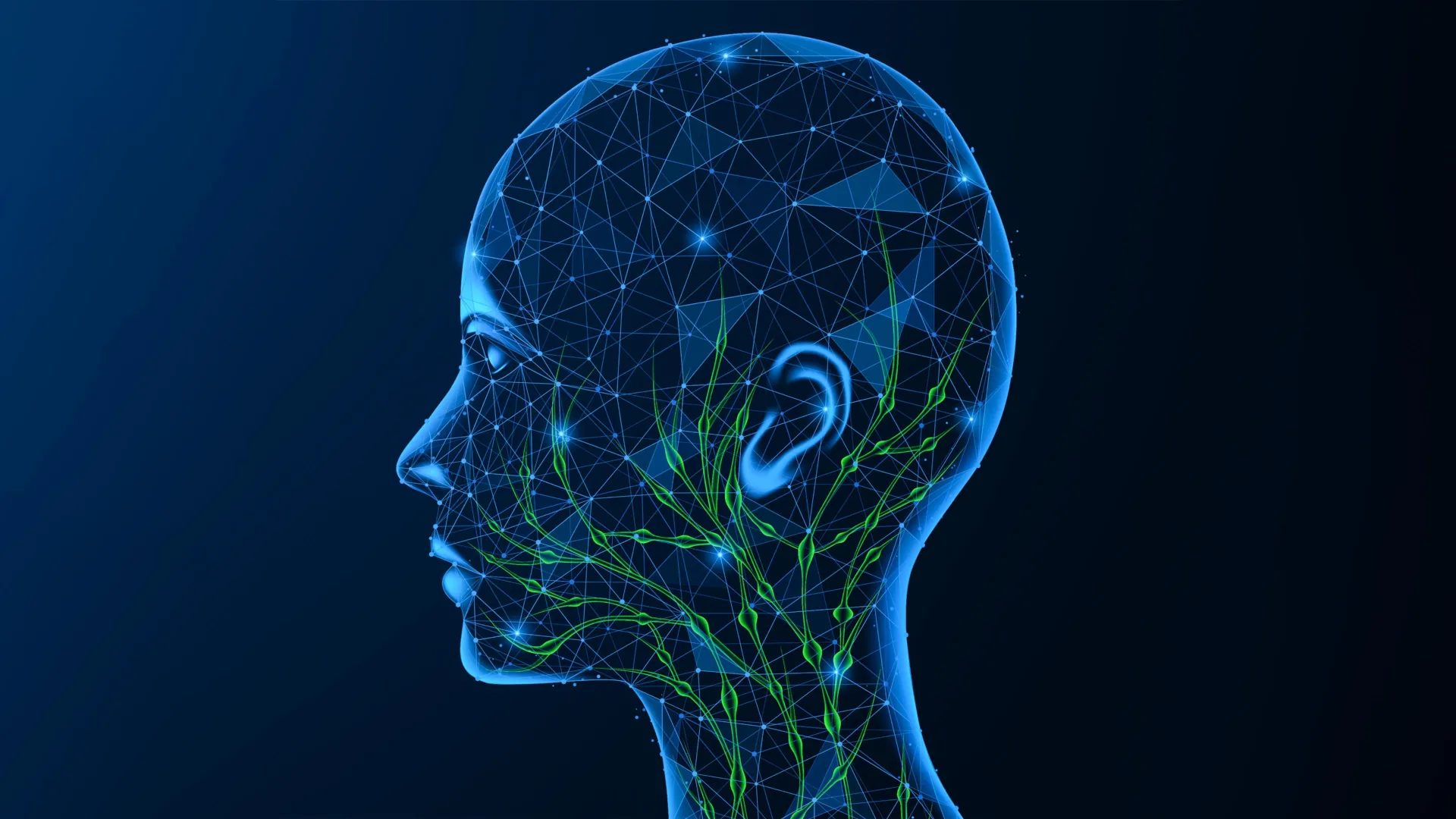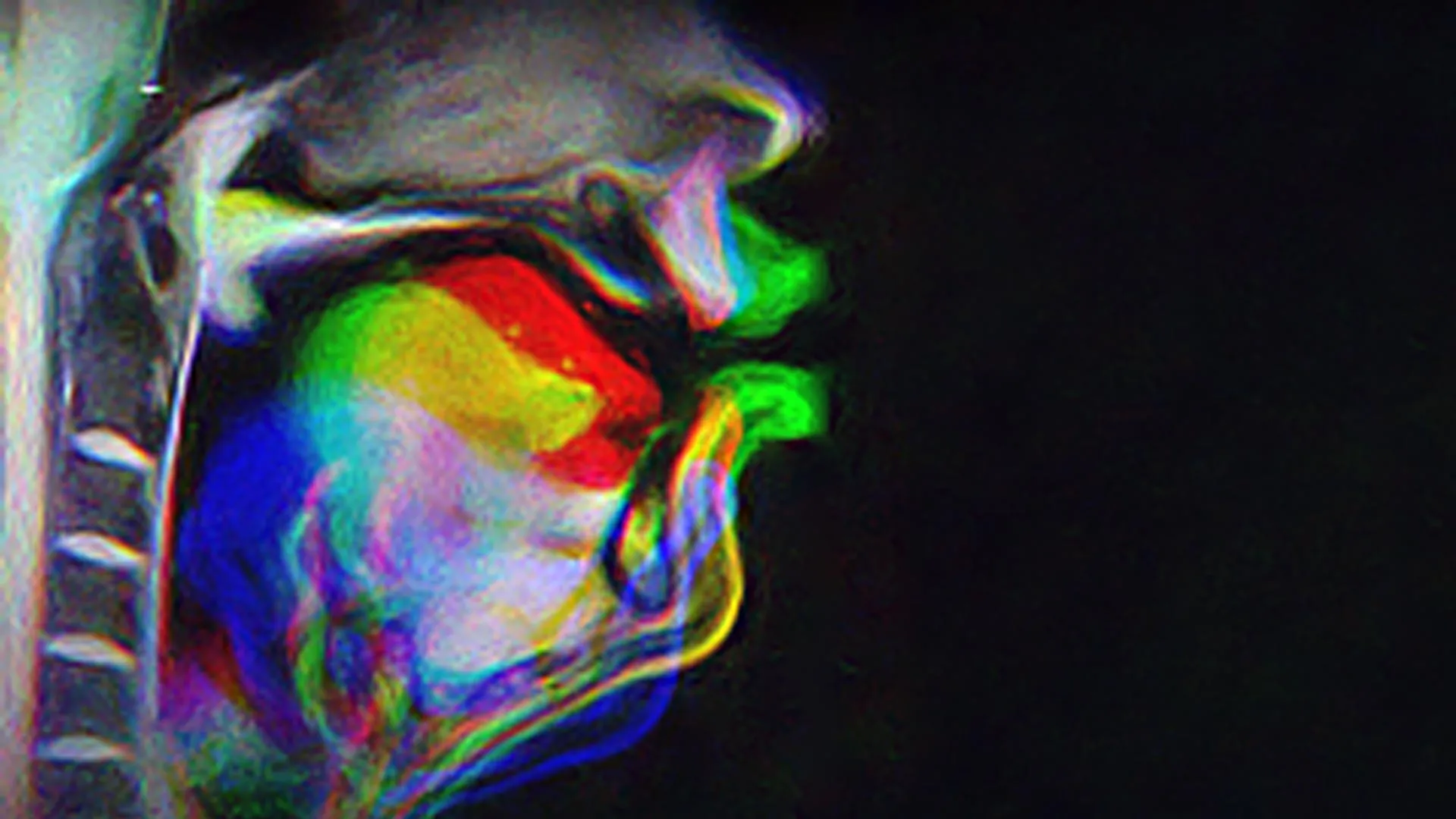
The traditional paradigm of neuroscience has long posited that the motor centers of the brain are the primary architects of human speech, functioning as the central command for the intricate movements of the tongue, lips, and vocal cords. However, a landmark study conducted by researchers at McGill University and the Yale School of Medicine has challenged this long-standing assumption, suggesting that the brain’s sensory regions—specifically those dedicated to hearing and physical sensation—play a far more foundational role in how we learn and retain the ability to speak. This discovery, published in the Proceedings of the National Academy of Sciences (PNAS), indicates that speech learning is extensively sensory in nature, a finding that could revolutionize the development of speech-assistive technologies and the rehabilitation of patients recovering from neurological trauma.
A Paradigm Shift in Neurobiology
For decades, the scientific community focused on the frontal motor areas of the brain as the principal drivers of movement and motor memory. Under this model, the motor cortex was seen as the storage site for "motor programs"—the blueprints for the complex physical sequences required to produce intelligible sounds. While the auditory and somatosensory systems were recognized as feedback mechanisms, they were largely viewed as secondary to the motor cortex’s executive function.
The new research, led by David Ostry, a Professor of Psychology at McGill University, and Nishant Rao, an Associate Research Scientist at Yale University, effectively flips this hierarchy. Their findings suggest that the auditory cortex (which processes sound) and the somatosensory cortex (which processes the physical feeling of movement and touch) are not merely passive observers but are critical for the actual acquisition and long-term retention of speech patterns. This shift implies that when we learn to speak, we are not just training our muscles to move; we are training our sensory systems to expect and recognize specific patterns of sound and feel.
The Experimental Framework: Real-Time Speech Manipulation
To isolate the specific brain regions responsible for speech memory, the research team designed an experiment that utilized a sophisticated "closed-loop" auditory feedback system. Participants were asked to speak into a microphone, but the sounds they heard through their headphones were subtly and systematically altered in real time. For instance, the frequency of vowel sounds was shifted, forcing the participants to subconsciously adjust their speech to compensate for the perceived error. This process, known as speech motor learning, mimics the way children learn to speak or the way adults adapt to a new accent or linguistic environment.
Once the participants had successfully adapted to these modified sounds—essentially learning a "new" way to speak—the researchers introduced Transcranial Magnetic Stimulation (TMS). TMS is a non-invasive procedure that uses magnetic fields to stimulate or temporarily disrupt nerve cells in the brain. By applying TMS to specific areas, the researchers could create a temporary "functional lesion," allowing them to observe how the absence of a specific brain region’s full activity affected the participants’ ability to remember what they had just learned.
Chronology of the Discovery
The study was the culmination of several years of cross-institutional research, building upon foundational work regarding the brain’s plasticity. The timeline of the research followed a rigorous scientific protocol:
- Phase One: Baseline Establishment. Participants were screened and baseline speech patterns were recorded to ensure a controlled starting point.
- Phase Two: Adaptation and Learning. Participants underwent the real-time auditory manipulation, training their brains to adopt new speech motor patterns.
- Phase Three: Targeted Neural Disruption. Immediately following the learning phase, the researchers used TMS to disrupt one of three target areas: the auditory cortex, the somatosensory cortex, or the motor cortex. A control group received a "sham" stimulation that did not affect brain activity.
- Phase Four: Retention Testing. Twenty-four hours after the initial learning session, participants returned to the lab. The researchers measured how much of the new speech pattern remained. This 24-hour window is critical in neuroscience, as it allows for the process of "consolidation," where short-term memories are converted into long-term storage.
Analysis of Supporting Data: Sensory vs. Motor Impact
The results of the retention tests provided clear, empirical evidence of the sensory system’s dominance in speech memory. The data revealed a stark contrast between the sensory regions and the motor cortex:
- Auditory Cortex Disruption: Participants who received TMS to the auditory cortex showed a significant decline in their ability to retain the new speech patterns. Their brains appeared unable to hold onto the "sound map" required for the learned adaptation.
- Somatosensory Cortex Disruption: Similar to the auditory group, those whose somatosensory cortex was disrupted showed poor retention. This suggests that the physical "feel" of the mouth’s movement is just as vital as the sound of the voice for memory storage.
- Motor Cortex Disruption: Surprisingly, disrupting the motor cortex had negligible effects on the participants’ ability to recall the learned speech patterns 24 hours later. While the motor cortex is essential for the execution of speech in the moment, it appears less critical for the storage of newly acquired speech motor memories.
"This study changes our understanding by showing that human speech learning is extensively sensory in nature," stated Professor David Ostry. The data suggests that the "memory trace" for speech is encoded within the sensory systems, which then guide the motor cortex on how to act, rather than the motor cortex acting as an independent memory bank.
Broader Implications for Stroke Rehabilitation
One of the most significant applications of this research lies in the field of clinical rehabilitation, particularly for stroke survivors. A stroke often damages the motor pathways of the brain, leading to conditions like aphasia or dysarthria, where the patient loses the ability to coordinate the movements necessary for speech.
Current therapeutic approaches often focus heavily on motor exercises—repetitive movements of the jaw, lips, and tongue. However, the McGill-Yale study suggests that a more effective approach might involve "sensory-centric" therapy. By stimulating the auditory and somatosensory pathways, clinicians may be able to help the brain rebuild its speech "maps" more effectively.
For example, rehabilitation protocols could incorporate high-fidelity auditory feedback or haptic (touch-based) devices that provide the brain with the sensory data it needs to re-learn speech movements. This research provides a biological rationale for why some patients respond better to therapies that emphasize listening and feeling rather than just vocalizing.
Advancing Brain-Computer Interfaces (BCI)
Beyond clinical medicine, the study has profound implications for the future of communication technology. Brain-Computer Interfaces (BCIs) are currently being developed to allow paralyzed individuals or those with Locked-in Syndrome to communicate by translating brain signals directly into text or synthesized speech.
Historically, BCI developers have focused on decoding signals from the motor cortex, as these signals are often the most direct representation of intended movement. However, the discovery that speech memory is rooted in sensory regions suggests that BCI performance could be significantly improved by incorporating data from the auditory and somatosensory cortices.
By tapping into the regions where speech patterns are actually stored and processed, future communication technologies could become more intuitive, accurate, and easier for users to control. This could lead to a new generation of "sensory-driven" BCIs that feel more natural to the user, as they align with the brain’s innate sensory-motor loops.
Historical Context and Related Research
This study does not exist in a vacuum; it is part of a growing body of evidence suggesting that the "sensory-first" model of learning applies to various forms of motor skills. The McGill research group previously conducted similar studies focusing on arm and hand movements. In those experiments, they found that disrupting sensory regions interfered with the learning of new physical tasks, such as navigating a robotic arm through a force field.
The consistency of these findings across different types of movement—from limb control to the delicate art of speech—suggests a universal principle of brain plasticity. It appears the human brain is wired to prioritize sensory feedback as the primary teacher and librarian of our physical skills. This challenges the "top-down" view of the brain (where the motor cortex dictates to the body) and replaces it with a "bottom-up" or "circular" model (where sensory input continuously shapes and stores the commands for movement).
Future Research Directions
Following the publication of these findings, the research team, funded by the National Institute on Deafness and Other Communication Disorders (NIDCD), plans to delve deeper into the specific cortical circuits involved. Their next phase of research will aim to identify exactly how these sensory regions communicate with the rest of the brain during the 24-hour consolidation period.
Key questions remain: How do these sensory memories eventually translate into permanent motor habits? Can non-invasive brain stimulation be used not just to disrupt, but to enhance speech learning in healthy individuals or those with learning disabilities? The researchers are also interested in investigating sensory-based treatments for movement disorders like Parkinson’s disease, where speech is often significantly impacted.
Conclusion: A New Era for Speech Science
The study by Rao, Gendron, Manning, and Ostry represents a fundamental shift in our understanding of the human brain. By demonstrating that the auditory and somatosensory systems are the true guardians of speech memory, the researchers have opened new doors for medicine and technology.
As the scientific community continues to move away from a motor-centric view of the brain, the emphasis will likely shift toward holistic, sensorimotor approaches. Whether through more effective stroke recovery programs or more sophisticated speech-recognition AI, the recognition of the sensory basis of speech is set to provide a new foundation for how we understand, protect, and enhance the most human of all abilities: the power of speech. This research underscores a poetic truth about human nature—that to speak, we must first learn to listen and to feel.