The persistent challenge of Per- and Polyfluoroalkyl Substances (PFAS), a class of man-made chemicals used in countless industrial and consumer products, has reached a critical juncture as researchers at Aarhus University have identified a specific chemical mechanism capable of dismantling these "forever chemicals" without the aid of secondary chemical additives. By isolating the role of hydrogen radicals generated through high-energy ultraviolet (UV) light, the study provides a roadmap for shifting environmental remediation strategies from mere containment to total molecular destruction.
For decades, the stability of PFAS has been considered one of the greatest hurdles in environmental science. These compounds, defined by their robust carbon-fluorine bonds, are notoriously resistant to natural degradation processes, including heat, moisture, and microbial action. However, the new findings, led by Associate Professor Zongsu Wei at the Department of Biological and Chemical Engineering at Aarhus University, suggest that the secret to breaking these bonds lies in the precise application of short-wave UV light to water, triggering a chain reaction that systematically strips fluorine atoms from the PFAS backbone.
The Chemistry of Persistence: Understanding the PFAS Crisis
PFAS comprise a family of more than 12,000 synthetic chemicals that have been used since the 1940s to make products resistant to heat, water, and stains. They are found in everything from non-stick cookware and waterproof clothing to firefighting foams and food packaging. The very property that makes them useful—the strength of the carbon-fluorine bond—is also what makes them an environmental nightmare. This bond is the strongest in organic chemistry, meaning that once these chemicals enter the environment, they do not break down.
The consequences of this persistence are widespread. PFAS have been detected in the blood of nearly 98% of the global population. They bioaccumulate in the food chain, moving from contaminated water and soil into crops, livestock, and ultimately humans. Long-term exposure has been linked by the Environmental Protection Agency (EPA) and the World Health Organization (WHO) to a range of severe health issues, including kidney and testicular cancer, thyroid disease, liver damage, developmental delays in children, and reduced vaccine efficacy.
A New Paradigm: Hydrogen Radicals as the Catalyst
The Aarhus University study represents a significant departure from previous theories regarding PFAS degradation. Prior research into photochemical destruction often focused on hydrated electrons or other reactive oxygen species as the primary agents of change. While these species do contribute to the process, the new study isolates hydrogen radicals—highly reactive particles consisting of a single hydrogen atom with an unpaired electron—as the dominant force in the breakdown of the PFAS molecular structure.
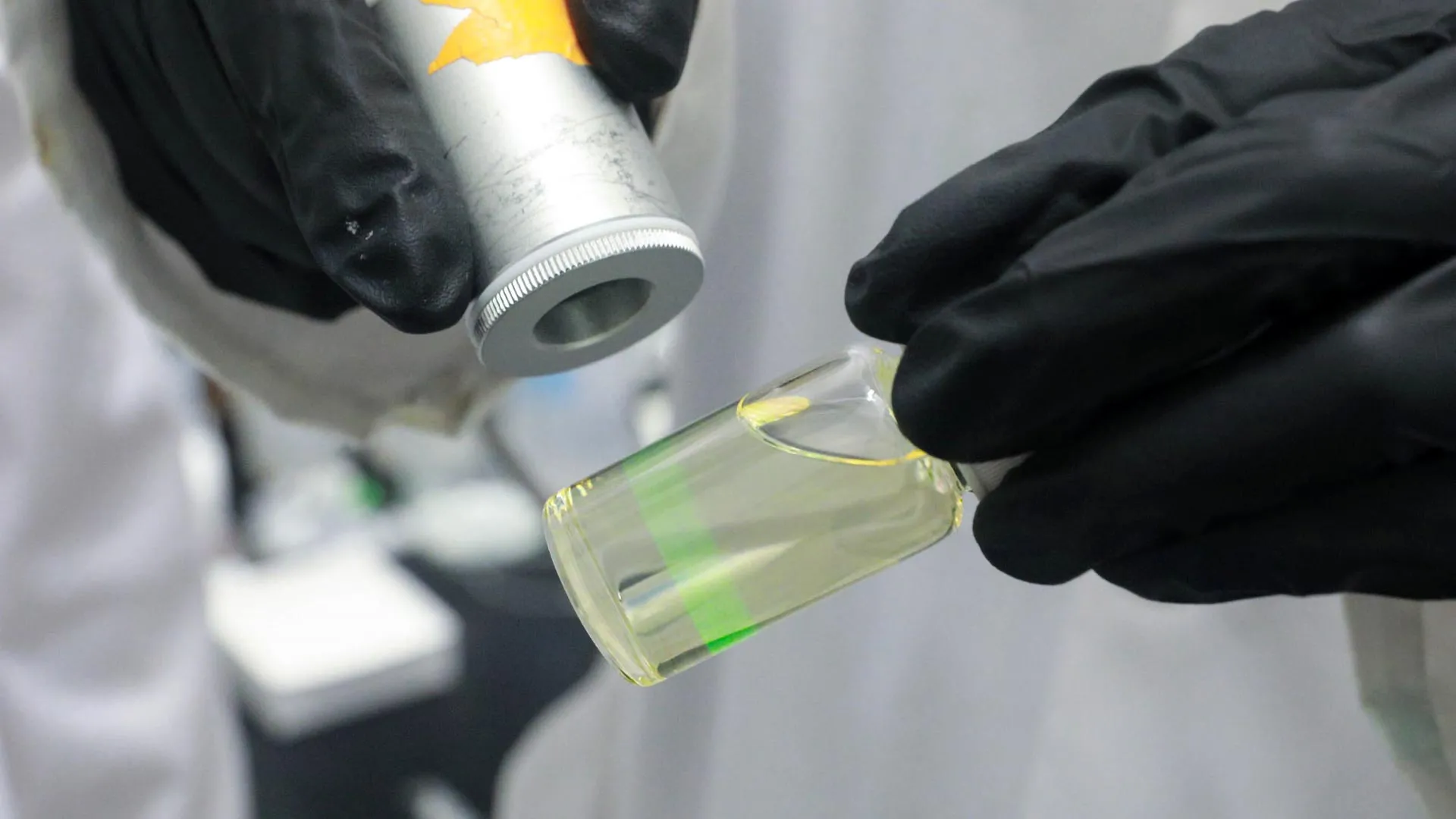
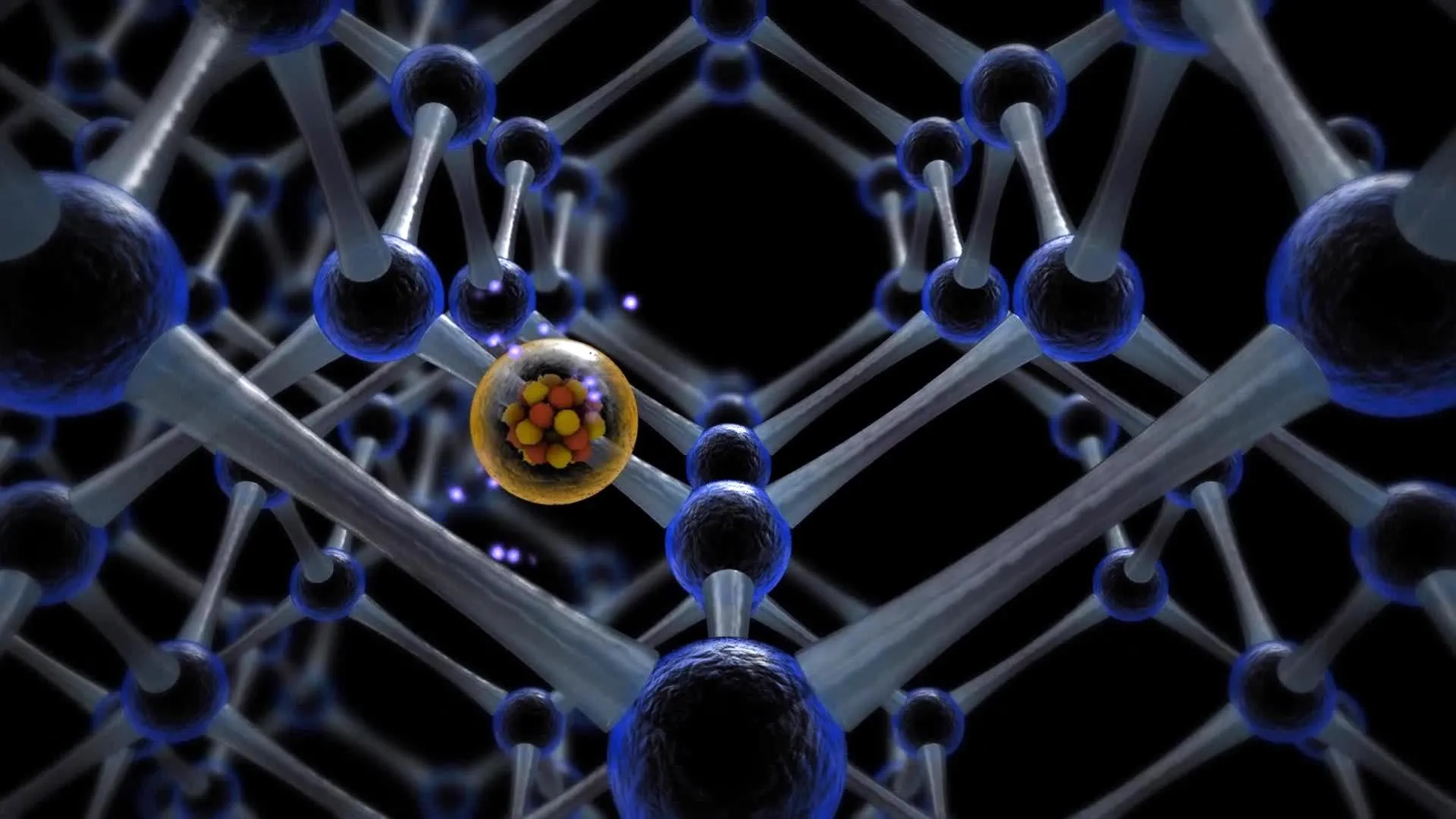
When water is exposed to intense UV light, particularly at wavelengths below 300 nanometers (within the UVC spectrum), the energy is sufficient to split water molecules and generate these hydrogen radicals. Once formed, these radicals attack the carbon-fluorine bonds. Through a process of stepwise defluorination, the radicals replace the fluorine atoms with hydrogen, essentially "unzipping" the PFAS molecule.
This discovery is vital because it simplifies the requirements for remediation. Many current experimental methods for destroying PFAS require the addition of expensive or potentially toxic chemical catalysts to jumpstart the reaction. The Aarhus team has demonstrated that the necessary components—water and light—are already present or easily provided, provided the energy levels are calibrated correctly.
Chronology of PFAS Awareness and Remediation Efforts
To understand the weight of this breakthrough, one must look at the timeline of PFAS regulation and the evolution of treatment technologies:
- 1938–1940s: PFAS chemicals, specifically PTFE (Teflon), are discovered and developed for industrial use.
- 1950s–1990s: Widespread adoption in consumer goods. Major manufacturers like 3M and DuPont become aware of the toxicity and environmental persistence of PFOA and PFOS, though this information remains largely internal for decades.
- Early 2000s: The first major lawsuits and scientific studies bring the "forever chemical" crisis into the public eye. 3M begins phasing out the production of PFOS.
- 2016: The EPA issues a non-binding health advisory level of 70 parts per trillion (ppt) for PFOA and PFOS in drinking water.
- 2020–2023: Several European nations and U.S. states begin implementing stricter limits. Research shifts from "how do we find it" to "how do we destroy it."
- April 2024: The EPA announces the first-ever national, legally enforceable drinking water standard for six PFAS, setting limits as low as 4 ppt.
- Present: The Aarhus University study identifies hydrogen radicals as the primary driver for UV-based destruction, offering a potential path toward meeting these stringent new standards.
Supporting Data: The Efficiency of the UV Method
The research highlights that the effectiveness of the degradation process is highly dependent on the wavelength of the light used. In laboratory settings, light at wavelengths below 300 nm showed the highest efficiency in generating the concentration of hydrogen radicals necessary to overcome the bond energy of carbon-fluorine chains.
Data from the study indicates that while the process is currently slower than traditional filtration methods, it achieves a higher rate of "mineralization"—the conversion of organic pollutants into inorganic components like water, carbon dioxide, and fluoride ions. Current filtration technologies, such as Granular Activated Carbon (GAC) or Ion Exchange (IX) resins, typically achieve 0% mineralization; they merely trap the molecules. In contrast, the UV-hydrogen radical method targets the 100% destruction of the compound, though intermediate "short-chain" PFAS may form during the transition.
The energy intensity required is a significant data point. For the technology to be viable at a municipal scale, the "electrical energy per order" (EE/O)—a measure of the energy required to reduce the concentration of a pollutant by one order of magnitude—must be optimized. The identification of hydrogen radicals allows engineers to design reactors that maximize the production of these specific radicals, potentially lowering the energy cost compared to broader, unoptimized UV treatments.
From Filtration to Destruction: Why the Distinction Matters
The current standard for dealing with PFAS in drinking water involves "sequestration." Utilities use massive carbon filters to strain the chemicals out of the water. However, as Associate Professor Zongsu Wei points out, this does not solve the problem; it merely moves it.
"Today, many technologies can filter PFAS out of water, but they don’t eliminate them," Wei explained. "The real goal is degradation: to break the molecules down completely. Understanding the mechanism is essential if we want to achieve that in a green and scalable way."
When PFAS are trapped in a filter, the filter itself becomes hazardous waste. This waste must then be buried in specialized landfills or incinerated at extremely high temperatures. Incineration is controversial, as incomplete combustion can lead to the airborne dispersal of PFAS, potentially contaminating surrounding communities. A photochemical process that destroys the chemicals in the water phase would eliminate the need for hazardous waste transport and incineration, creating a "closed-loop" treatment system.
Implications for Public Policy and Industry
The identification of hydrogen radicals as a key degradation driver has immediate implications for the water treatment industry and regulatory bodies. For water utility companies currently facing billions of dollars in infrastructure upgrades to meet new EPA standards, the prospect of a chemical-free destruction method is highly attractive.
Industry analysts suggest that if this UV-based technology can be scaled, it could disrupt the multi-billion dollar market for carbon filtration and ion exchange resins. Furthermore, it provides a "green" alternative that aligns with global shifts toward sustainable chemistry. Unlike advanced oxidation processes (AOPs) that might require the addition of hydrogen peroxide or ozone, the UV-hydrogen radical pathway utilizes the properties of the water itself.
However, the scientific community remains cautious. The study acknowledges that the degradation of long-chain PFAS often results in the temporary creation of short-chain PFAS, which are also mobile and potentially toxic. The challenge for future engineering will be ensuring the reaction continues until all intermediate compounds are fully mineralized.
Future Outlook: The Road to Scalability
The Aarhus University team emphasizes that while this is a major scientific milestone, it is not yet a "plug-and-play" solution for municipal water plants. The next phase of research will likely focus on enhancing the reaction rate. Current experiments show that the process is relatively slow, making it difficult to treat the millions of gallons of water that pass through city systems daily.
Potential solutions being explored include the use of catalysts that can be reused indefinitely, or the integration of UV systems with other "reductive" technologies to create a synergistic effect. There is also interest in applying this method to industrial wastewater—treating PFAS at the source (such as at manufacturing plants or airfields) where concentrations are much higher and the volume of water is more manageable than at a city-wide scale.
The Aarhus study serves as a critical reminder of the power of fundamental chemical research. By peering into the subatomic interactions of light and water, scientists have found a crack in the armor of the world’s most "indestructible" pollutants. The transition from identifying the mechanism to deploying a global solution will require significant investment and engineering ingenuity, but for the first time, the path toward a PFAS-free future is becoming chemically clear.
Ultimately, the study suggests that the "forever" in "forever chemicals" may not be an absolute truth. With a deeper understanding of the reactive species involved, environmental science is moving closer to a reality where these persistent pollutants can be systematically dismantled, protecting ecosystems and public health for generations to come.