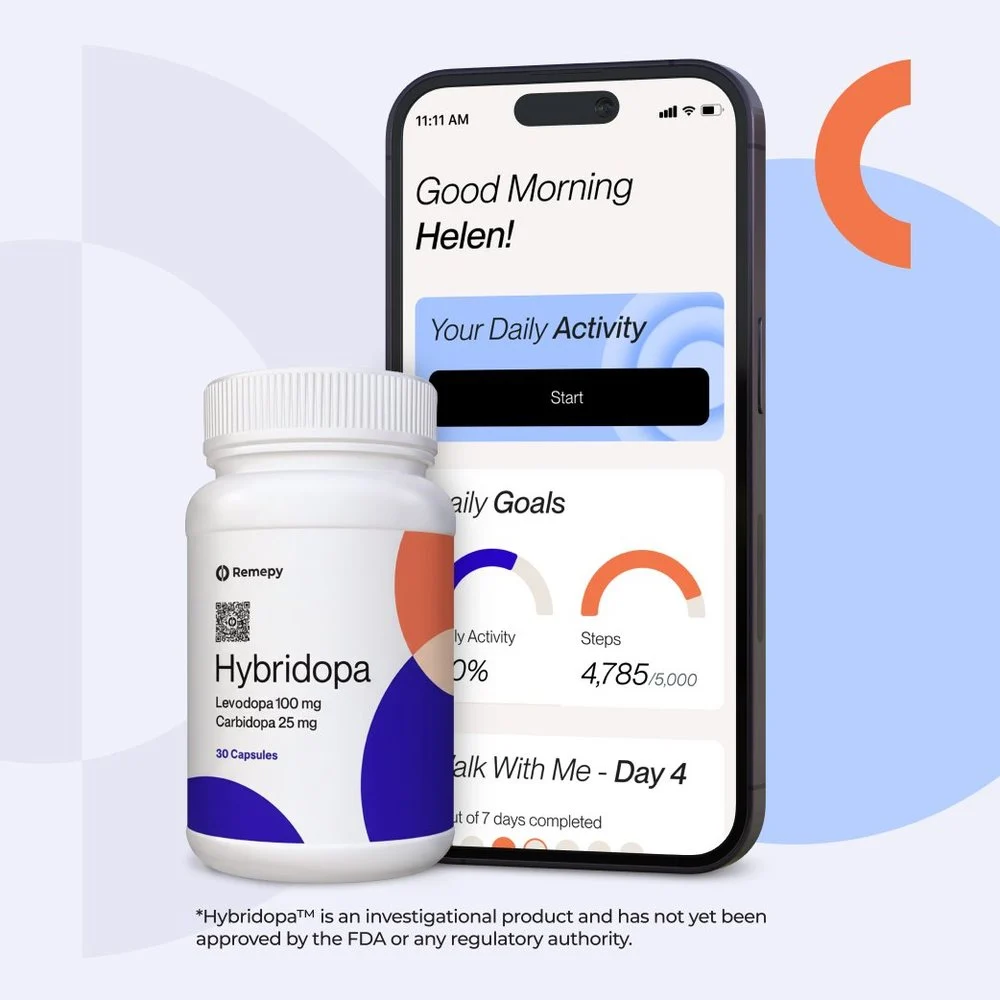
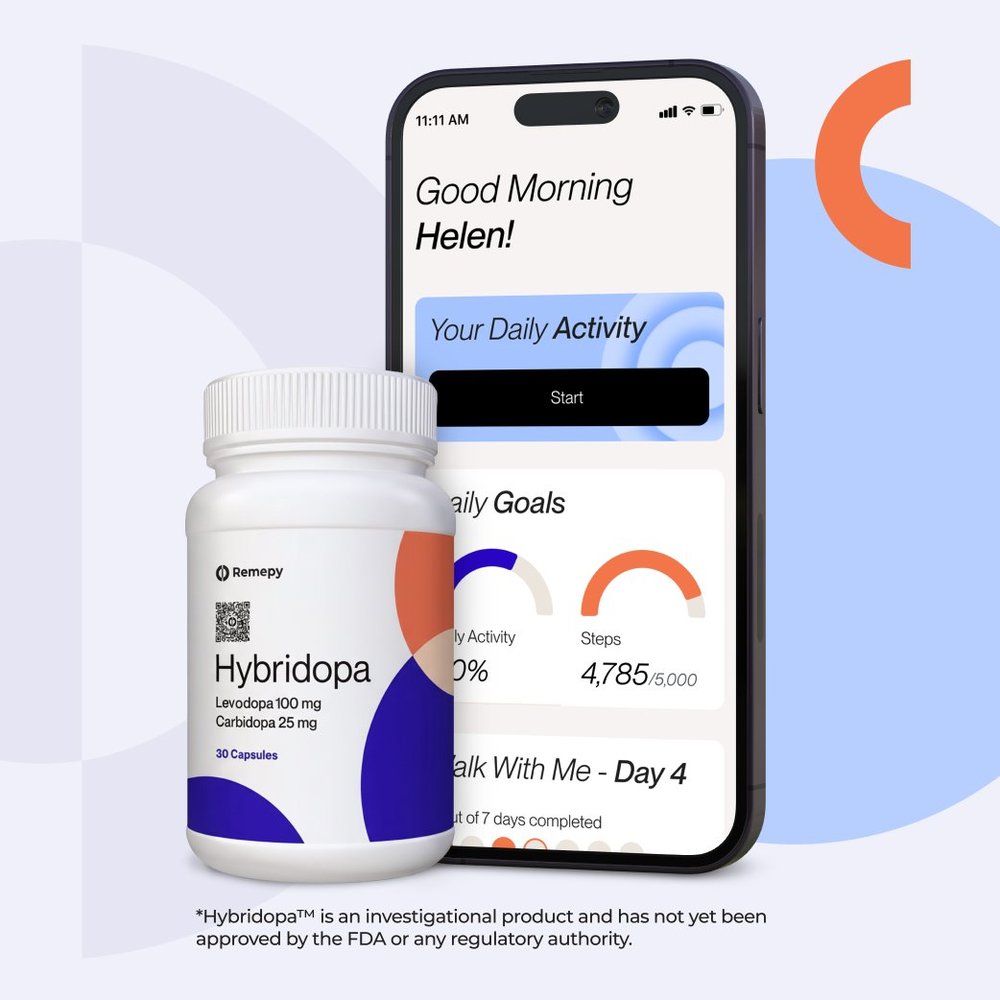
San Francisco, CA – May 2026 – Remepy, a burgeoning health technology startup at the vanguard of integrating pharmaceutical and digital therapeutics, has announced compelling Phase IIa clinical trial results for its investigational product, Hybridopa. This novel "hybrid drug" combines the established Parkinson’s medication carbidopa-levodopa with an AI-driven, app-delivered treatment protocol, DopApp, and has shown a remarkable ability to significantly augment the drug’s clinical effect in patients with Parkinson’s disease. The successful clearance of this crucial phase marks a pivotal moment, signaling a potential paradigm shift in how chronic conditions, particularly neurodegenerative diseases, are managed and treated.
The findings, recently published in the esteemed journal Brain Communications, underscore Remepy’s innovative approach to healthcare, which seeks to overcome the limitations of fragmented care by delivering a cohesive, multidisciplinary treatment within a single, prescribable product. Michal Tsur, Ph.D., co-founder and co-CEO of Remepy, articulated the company’s foundational philosophy: "Everything we do is built on the understanding that most medical conditions are better treated with a multidisciplinary, integrative approach. As technology evolves and devices become more powerful, you can deliver, measure, and personalize many types of high-quality intervention through a mobile device."
The Evolution of Digital Health and the Birth of Hybrid Drugs
The journey toward integrated digital and pharmaceutical solutions began over a decade ago with the popularization of smartphones and the mantra, "There’s an app for that." Visionary clinicians like Scripps cardiologist Eric Topol and physician-innovator Daniel Kraft foresaw a future where smartphones, wearable sensors, and sophisticated applications would become indispensable tools for diagnosing, monitoring, and managing disease, eventually being prescribed as routinely as traditional pills. This ambitious vision, however, has largely remained aspirational, despite the emergence of FDA-cleared digital therapeutics (DTx).
The initial wave of prescription software, while demonstrating clinical efficacy and patient engagement, encountered significant commercial hurdles, most notably in securing sustainable reimbursement models. The high-profile bankruptcy of Pear Therapeutics in 2023, a pioneer in FDA-cleared prescription digital therapeutics, served as a stark reminder of these challenges. Pear Therapeutics successfully proved that physicians would prescribe its software and patients would use it, yet struggled to establish a viable business model in the absence of consistent payer coverage.

It was this critical market failure that directly informed Remepy’s strategic direction. Tsur explained, "That’s where we decided to invent this new type of product, which we call hybrid drugs, integrating a pharmaceutical drug with a digital protocol delivered by an app. Everything is mechanistically and scientifically proven, and we take it through rigorous clinical trials. In the end, it’s a drug and an app." By bundling the digital intervention with a well-established pharmaceutical, Remepy aims to leverage existing regulatory frameworks, such as combination-product regulation and the FDA’s Prescription Drug Use-Related Software (PDURS) pathway, thereby translating digital health innovations into a more robust pharmaceutical economic model. This strategic integration is envisioned to allow the software to support an expanded drug label, based on its documented therapeutic effect, potentially offering a stronger "tailwind" for market adoption and reimbursement.
Parkinson’s Disease: A Case Study for Integrative Care
Remepy’s choice of Parkinson’s disease as its initial therapeutic focus is deliberate and strategic. Parkinson’s is a progressive neurodegenerative disorder characterized by motor symptoms such as tremor, rigidity, bradykinesia (slowness of movement), and postural instability, as well as a wide array of non-motor symptoms including cognitive impairment, mood disorders, and speech difficulties. The cornerstone of motor symptom management for decades has been levodopa, often prescribed in combination with carbidopa to enhance its efficacy and reduce side effects. While highly effective initially, levodopa’s benefits tend to narrow as the disease progresses. A long-term cohort study, spanning 13 years, revealed that motor fluctuations, a common and debilitating complication, affected over half of patients within five years of treatment initiation and nearly all within a decade. This "ceiling effect" of conventional pharmacotherapy highlights the urgent need for adjunctive interventions to sustain and enhance treatment outcomes.
Current Parkinson’s care guidelines already emphasize the importance of rehabilitative services, including physiotherapy, occupational therapy, and speech-language therapy. However, these interventions are typically organized as separate care pathways, requiring patients to navigate multiple appointments, specialists, and often, fragmented insurance coverage. This piecemeal approach can lead to suboptimal adherence, inconsistent engagement, and an overall burden on patients and caregivers. Remepy’s Hybridopa, specifically the investigational combination of carbidopa-levodopa with the DopApp digital protocol, directly addresses this fragmentation. It aims to consolidate these essential multidisciplinary interventions into a single, cohesive, and prescribable product.
Tsur elaborated on the rationale for selecting therapeutic areas: "For many diseases, such as Parkinson’s, certain oncology indications, many neurology and immunology indications, and definitely many women’s health indications, integrating a drug with non-pharmaceutical interventions can sometimes double the clinical effect. That’s how we prioritize the therapeutic areas we focus on: where is there a very large potential effect size for non-pharmaceutical interventions when you integrate them with a drug." This highlights Remepy’s commitment to targeting conditions where digital interventions can genuinely complement and amplify drug action, rather than merely supplementing it.
Hybridopa: Design and Mechanism of Action
Hybridopa’s digital component, DopApp, is an AI-driven, phone-based daily protocol designed to prompt and guide patients through a structured regimen of activities. This regimen extends beyond simple walking exercises to encompass a broad spectrum of interventions targeting movement, speech, cognition, and mood – all crucial aspects of Parkinson’s management. The app’s personalization capabilities, powered by artificial intelligence, mean that the protocol can be dynamically re-tuned as a patient’s condition evolves, ensuring that interventions remain relevant and effective. For instance, the app tracks daily movement against set goals, prompts patients to log symptoms like pain and stiffness, and presents trends in activity over weeks and months, with an option to share this valuable data directly with their care team.
The fundamental premise behind Hybridopa is that while a traditional drug typically operates via a single mechanism, a sophisticated app can stack multiple mechanisms simultaneously. "Drugs usually have one mechanism. An app can have many," Tsur noted. This multi-modal approach is particularly beneficial in diseases like Parkinson’s, which exhibit significant individual variation in symptoms, progression, and treatment needs. By offering a broad set of tailored modalities, Hybridopa seeks to overcome individual patient variability and address the multifaceted nature of the disease more comprehensively than a drug alone. The exercises delivered through DopApp are not arbitrary but are based on established principles of physiotherapy, speech therapy, and occupational therapy, carefully integrated and personalized through the app’s intelligent algorithms. This ensures that the digital interventions are scientifically proven and mechanistically aligned with the overall therapeutic goal.
Unpacking the Phase IIa Clinical Results
The recently concluded Phase IIa trial for Hybridopa, detailed in Brain Communications, provides robust evidence supporting Remepy’s innovative approach. This three-week, double-blind study involved 41 patients who were already on stable levodopa doses. Participants were randomized to either receive the active DopApp protocol or a placebo app, ensuring a rigorous evaluation of the digital intervention’s incremental benefit.
The primary endpoint of the study was the change in the Movement Disorder Society’s Unified Parkinson’s Disease Rating Scale (MDS-UPDRS), the globally recognized standard for measuring Parkinson’s disease severity and progression. The results were compelling: the group using the active DopApp protocol demonstrated a mean improvement of 9.7 points on the MDS-UPDRS, a statistically and clinically significant reduction in symptom severity. In stark contrast, the placebo app group showed only a modest improvement of 1.95 points. Furthermore, an impressive 90% of patients in the protocol group cleared a five-point response threshold, indicating a meaningful clinical improvement for the vast majority of treated individuals.
Tsur contextualized these results against the known efficacy of levodopa monotherapy. "Carbidopa/levodopa reduces the Unified Parkinson’s Disease Rating Scale by about eight to ten points, and we reduced it by an extra 9.7 points compared to 1.95 for placebo, with a 90% response rate," she explained. This comparison suggests that the DopApp, when combined with carbidopa-levodopa, roughly doubled the therapeutic effect observed with the drug working alone. This is a profound finding, as it implies that the integrated approach can not only enhance the efficacy of existing medications but potentially extend their useful therapeutic window and improve the overall quality of life for patients.
Implications for Patients, Physicians, and the Healthcare System
The successful Phase IIa results for Hybridopa carry significant implications across the healthcare ecosystem.

For Patients: The most direct beneficiaries are patients with Parkinson’s disease. Hybridopa offers the promise of enhanced symptom control, potentially slowing the progression of motor fluctuations and improving non-motor symptoms. By integrating multiple therapeutic modalities into a single, accessible platform, it could simplify complex care regimens, improve adherence to both medication and non-pharmacological interventions, and empower patients through personalized, data-driven feedback. The ability to share progress data with care teams fosters greater collaboration and a more informed treatment approach.
For Physicians: Neurologists and other healthcare providers stand to benefit from a streamlined prescribing process. Instead of prescribing a drug and then separately recommending a battery of therapies (physiotherapy, speech therapy, occupational therapy), which often fall outside the direct drug workflow, physicians can now prescribe a single "hybrid drug" that encapsulates this comprehensive care plan. "We’re making physicians’ lives easier," Tsur affirmed, "because instead of prescribing a drug and then recommending many other therapies, which they do, they just prescribe a hybrid drug." This simplification could lead to greater consistency in patient management, better integration of evidence-based non-pharmacological interventions, and improved overall patient outcomes due to a more holistic and adhered-to treatment strategy.
For the Pharmaceutical and Digital Health Industries: Remepy’s hybrid drug model could redefine product development and commercialization strategies. For pharmaceutical companies, it offers a pathway to differentiate existing drugs, potentially extend patent lifecycles by creating new combination products, and address unmet needs that single-mechanism drugs cannot fully resolve. For the digital health sector, it presents a viable commercial model that addresses the reimbursement challenges that have plagued standalone digital therapeutics. By bundling the software with a drug, the digital component gains a clear regulatory and economic pathway, leveraging established pharmaceutical reimbursement mechanisms. This could unlock significant investment and innovation in digital therapeutics, propelling them from niche solutions to mainstream medical interventions.
Regulatory and Economic Landscape: The FDA’s Prescription Drug Use-Related Software (PDURS) pathway and existing combination-product regulations are crucial enablers for Remepy’s strategy. PDURS specifically allows software to be linked to a drug and potentially support an expanded drug label based on its synergistic effects. This regulatory clarity is vital for attracting investment, conducting trials, and ultimately securing market access and reimbursement. The economic ramifications are profound: by demonstrating increased efficacy and a streamlined care model, Hybridopa could justify a premium pricing structure, reflecting its comprehensive value proposition and potentially opening new avenues for value-based care contracts.
The Broader Horizon: Beyond Parkinson’s
While Parkinson’s disease serves as the compelling proof-of-concept for Hybridopa, Remepy’s vision extends far beyond this single indication. The company is actively exploring other therapeutic areas where the integration of pharmaceutical and non-pharmaceutical interventions can yield significant clinical benefits. As Tsur indicated, conditions within oncology, various neurological and immunological disorders, and numerous women’s health indications are all under consideration. The criteria for selection remain consistent: diseases where non-pharmaceutical interventions already demonstrate meaningful effects and where patients are likely to remain engaged with a structured, app-delivered protocol.

The ability of an app to personalize and adapt to individual patient needs, offering a diverse array of modalities, positions Remepy to tackle the inherent heterogeneity of many chronic diseases. Many disease labels, after all, group together patients with vastly different symptoms, underlying mechanisms, and specific treatment requirements. A hybrid drug, with its adaptable digital component, can potentially cater to this individuality more effectively than a one-size-fits-all pill.
Conclusion: A New Era of Integrated Medicine
Remepy’s successful Phase IIa trial for Hybridopa is more than just a positive clinical outcome; it represents a significant step forward in the evolution of medicine. It validates the concept of "hybrid drugs" as a powerful new category that merges the biochemical precision of pharmaceuticals with the personalized, dynamic capabilities of AI-driven digital therapeutics. By demonstrating that an app can substantially enhance the efficacy of a foundational drug like levodopa in Parkinson’s disease, Remepy is charting a course toward a future where healthcare is more integrated, personalized, and effective. This pioneering approach promises not only to improve clinical outcomes for patients but also to simplify the practice of medicine for physicians and establish a sustainable commercial pathway for the innovative digital health solutions of tomorrow. The medical community will undoubtedly watch with keen interest as Remepy progresses towards further clinical development and potential market introduction, heralding a new era of truly integrated and intelligent therapeutic interventions.