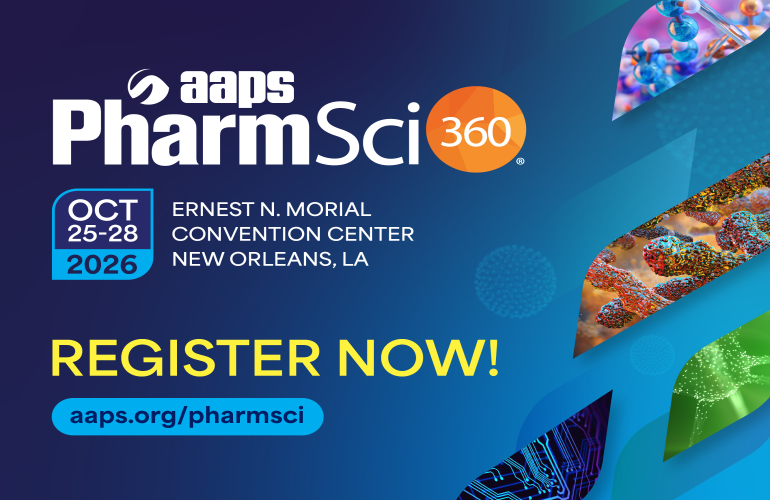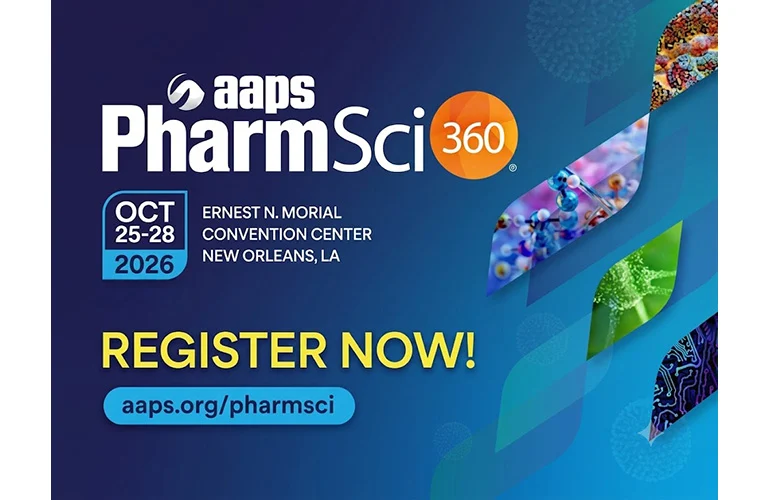
The American Association of Pharmaceutical Scientists (AAPS) has announced that its premier annual gathering, PharmSci 360, will convene from October 25 to 28, 2026, at the Ernest N. Morial Convention Center in New Orleans, Louisiana. This flagship event is anticipated to attract thousands of leading scientists, researchers, and professionals from diverse sectors including academia, industry, and government, solidifying its role as a pivotal forum for advancing pharmaceutical sciences and drug development globally.
The American Association of Pharmaceutical Scientists: Mission and Influence
Founded with the mission to advance the capacity of pharmaceutical scientists to discover, develop, and manufacture medicines, AAPS has grown into a formidable organization counting approximately 7,000 members worldwide. Its global footprint extends across various disciplines within pharmaceutical sciences, fostering collaboration and knowledge exchange essential for addressing complex challenges in drug discovery and delivery. PharmSci 360 stands as the association’s pinnacle event, designed to encapsulate the breadth and depth of pharmaceutical innovation. Over its history, AAPS has consistently adapted its annual meetings to reflect emerging trends and technologies, ensuring that its members remain at the forefront of scientific progress. The evolution of PharmSci 360, particularly its innovative multi-track format, underscores AAPS’s commitment to providing targeted, high-value content alongside broad scientific discourse. The choice of New Orleans for 2026 continues a tradition of selecting venues capable of accommodating a large-scale international audience while offering a vibrant cultural backdrop conducive to networking and engagement.
New Orleans: A Vibrant Host for Global Science
New Orleans, a city renowned for its rich history, unique culture, and world-class hospitality, provides an ideal setting for a conference of PharmSci 360’s magnitude. The Ernest N. Morial Convention Center, one of the largest exhibition halls in the United States, offers state-of-the-art facilities and expansive space necessary to host thousands of attendees, hundreds of exhibitors, and a multitude of concurrent sessions. The city’s accessibility via major airports and its robust infrastructure for large events make it a strategic choice for international gatherings. Beyond the logistical advantages, New Orleans’ distinctive atmosphere fosters an environment ripe for collaboration and informal networking, which are crucial components of successful scientific conferences.
The economic impact of hosting an event like PharmSci 360 on the local economy is substantial. Major conferences inject millions of dollars into the local economy through delegate spending on hotels, dining, transportation, and local attractions. A 2023 report by the New Orleans Convention & Visitors Bureau highlighted that convention and tourism activities support tens of thousands of jobs annually in the region. Hosting AAPS PharmSci 360 in 2026 is projected to generate significant revenue for local businesses, create temporary employment opportunities, and enhance New Orleans’ reputation as a premier destination for scientific and professional events. A spokesperson for the New Orleans & Company tourism organization, while not specifically commenting on the 2026 AAPS event, might typically express enthusiasm for hosting such a prestigious scientific meeting, emphasizing the city’s unique blend of culture and convention capabilities.
PharmSci 360: A Unique Framework for Innovation
The defining characteristic of PharmSci 360 is its innovative programming structure, which skillfully combines the comprehensive scope of a large scientific conference with the focused intensity of a specialized forum. This unique approach is designed to maximize attendee value, allowing participants to delve deep into specific areas of interest or explore interdisciplinary connections relevant to their research and development challenges. The meeting’s agenda is meticulously organized around five distinct tracks, each aligned with critical stages of the drug development process. This allows attendees to either concentrate on a single track, building expertise in a particular domain, or seamlessly navigate across multiple tracks, depending on the specific scientific or operational problems they aim to address.
The five core tracks are:
- Preclinical, Clinical, and Translational Sciences: This track bridges fundamental research with clinical application, focusing on the journey from laboratory discovery to patient benefit. It encompasses early-stage drug discovery, preclinical testing, clinical trial design, and the translation of research findings into practical therapeutic strategies.
- Formulation and Delivery: Critical to a drug’s efficacy and safety, this track explores the science and technology behind designing optimal drug formulations and innovative delivery systems. Topics range from traditional dosage forms to advanced novel delivery methods.
- Manufacturing and Analytical Characterization: This track delves into the intricate processes of drug manufacturing, quality control, and the analytical techniques used to characterize pharmaceutical products. It emphasizes process optimization, regulatory compliance, and the development of robust analytical methods.
- Bioanalytics: Focusing on the quantitative measurement of drugs and their metabolites in biological systems, this track is vital for understanding pharmacokinetics, pharmacodynamics, and drug metabolism. It covers advancements in bioanalytical techniques, instrumentation, and regulatory considerations.
- Innovator Curated Track: This dynamic track is specifically designed to address cross-cutting themes and emerging issues that impact the entire pharmaceutical ecosystem. For 2026, it will center on crucial topics such as research integrity and open science, reflecting the industry’s growing commitment to transparency, reproducibility, and ethical conduct in research.
This multi-track format ensures that whether an attendee is a seasoned industry veteran, an early-career academic, or a government researcher, they will find tailored content that directly supports their professional development and research objectives.
Spotlight on Keynote Speakers and Transformative Research
The 2026 PharmSci 360 agenda boasts a formidable lineup of keynote speakers and session leaders, each poised to deliver insights into the most pressing and innovative areas of pharmaceutical science. These presentations serve as concrete anchors for their respective tracks, offering deep dives into specialized topics.
In the Formulation and Delivery track, Dr. Lynne Taylor from Purdue University will present a compelling case for amorphous solid dispersions (ASDs) in the oral delivery of next-generation drugs. ASDs represent a critical strategy for enhancing the solubility and bioavailability of poorly water-soluble compounds, a common challenge in modern drug development. Dr. Taylor’s expertise will illuminate the scientific principles, formulation strategies, and manufacturing considerations for effectively utilizing ASDs, which have become indispensable in bringing many challenging drug candidates to market. Complementing this, Dr. Defang Ouyang from the University of Macau will offer a panoramic view of the past, present, and future of Artificial Intelligence (AI) in drug delivery. This address is particularly timely given the exponential growth of AI applications across the pharmaceutical value chain. Dr. Ouyang is expected to explore how AI algorithms are revolutionizing formulation design, predicting drug-excipient interactions, optimizing manufacturing processes, and even personalizing drug delivery systems, outlining both the current successes and the vast untapped potential of this technology.
For the Manufacturing and Analytical Characterization side, Dr. Diane Burgess, a distinguished professor from the University of Connecticut and a past AAPS president, will headline with a critical talk on understanding complex parenteral products. Parenteral drugs, administered via injection, often involve sophisticated formulations such as nanoparticles, liposomes, and biologics, which present unique challenges in characterization, stability, and quality control. Dr. Burgess’s insights, drawing from her extensive experience and leadership within AAPS, will be invaluable for researchers grappling with the complexities of these advanced therapeutic systems. Concluding the characterization focus on the closing day, Dr. Shawn Zhang from digiM will present on microstructure-based predictive drug development. This cutting-edge approach leverages advanced imaging and computational modeling to understand the internal structure of drug products at a microscopic level, enabling more accurate predictions of performance, stability, and manufacturability, thereby accelerating development cycles and reducing R&D costs.
Pervasive Themes: Artificial Intelligence and Critical Clinical Insights
Beyond individual keynote addresses, several overarching themes will permeate the 2026 PharmSci 360 program, reflecting the industry’s current priorities and future directions.
Artificial Intelligence and Machine Learning: AI and advanced modeling techniques are not merely recurring themes but foundational pillars of modern drug development, and their pervasive presence at PharmSci 360 underscores their transformative potential. Sessions are planned to demonstrate how machine learning can be paired with mechanistic modeling to optimize drug formulation, predict manufacturing outcomes, and enhance product intelligence. Furthermore, the integration of automation into bioanalytical laboratories will be a key focus, with a dedicated symposium on clinical sampling and the application of AI in bioanalytical workflows. This reflects a broader industry trend towards leveraging AI to increase efficiency, reduce human error, and accelerate data analysis in both R&D and manufacturing. According to recent industry analyses, investment in AI for drug discovery and development has seen double-digit growth year-over-year, with projections indicating a market size exceeding tens of billions of dollars within the next decade.
GLP-1 Agonists and Gastric-Emptying Interactions: In the Translational Science track, a highly relevant "hot-topic" session will be led by Maria Posada from Eli Lilly, focusing on GLP-1 agonists and the critical gastric-emptying interactions that can profoundly reshape drug absorption. GLP-1 receptor agonists have revolutionized the treatment of type 2 diabetes and obesity, becoming some of the fastest-growing pharmaceutical products globally. Understanding how these drugs influence gastric emptying is paramount, as it directly impacts the absorption and efficacy of co-administered oral medications, posing significant challenges for drug-drug interaction (DDI) management and patient safety. This session promises to offer timely insights into a class of drugs that continues to dominate pharmaceutical headlines and significantly impact patient care.
Research Integrity and Open Science: The Innovator Curated Track will specifically address research integrity and open science. In an era of rapid scientific advancement and increasing scrutiny, the principles of reproducibility, transparency, and ethical conduct are more critical than ever. This track will explore best practices for ensuring data integrity, promoting open access to research findings, and fostering a culture of accountability within the scientific community. These discussions are vital for maintaining public trust in pharmaceutical research and accelerating the translation of discoveries into safe and effective medicines.
High-Level Vision: Opening and Closing Plenaries
Bookending the immersive scientific program are two high-profile plenary sessions, designed to offer broad perspectives on the future of health and medicine. The opening plenary will feature Dr. Julie Gerberding, CEO of the Foundation for the National Institutes of Health (FNIH). Dr. Gerberding, a former Director of the U.S. Centers for Disease Control and Prevention (CDC), brings unparalleled experience in public health, infectious diseases, and global health initiatives. Her address is expected to set a visionary tone for the conference, highlighting the societal impact of pharmaceutical innovation and the urgent global health challenges that demand scientific solutions. The closing plenary will be delivered by David Berry, an influential figure known for his work in biotechnology venture capital and his insights into the convergence of biology, technology, and entrepreneurship. Berry’s perspective often emphasizes disruptive technologies and innovative business models that are reshaping the life sciences landscape, offering attendees a glimpse into the future trajectory of the pharmaceutical industry.
The Broader Impact: Fostering Collaboration and Advancing Global Health
AAPS PharmSci 360 serves as more than just a scientific conference; it is a critical ecosystem for fostering collaboration, catalyzing innovation, and ultimately advancing global health. The diverse attendance—spanning academia, industry, and government—creates a unique melting pot where different perspectives converge, leading to novel ideas and partnerships. The structured networking events, exhibition hall featuring cutting-edge technologies, and informal interactions among attendees are integral to this collaborative spirit.
The discussions and discoveries shared at PharmSci 360 often lay the groundwork for future breakthroughs in medicine. By focusing on emerging technologies like AI, critical drug classes like GLP-1 agonists, and foundational principles like research integrity, the conference directly contributes to a more efficient, ethical, and effective drug development pipeline. The knowledge disseminated here equips scientists with the tools and insights needed to tackle complex diseases, improve drug safety, and enhance patient outcomes worldwide.
What Attendees Can Expect: A Holistic Experience
Attendees of PharmSci 360 2026 can expect a truly holistic and enriching experience. Beyond the robust scientific program, the event offers extensive opportunities for professional development, career growth, and networking. The exhibition hall will showcase the latest advancements from pharmaceutical technology providers, CROs, and equipment manufacturers, offering practical solutions and insights into industry trends. Short courses and workshops, often held prior to the main program, provide in-depth training on specialized topics, allowing participants to acquire new skills or deepen existing knowledge.
From the meticulous planning of the multi-track agenda to the selection of New Orleans as a vibrant host city, every aspect of PharmSci 360 is designed to facilitate learning, foster connections, and inspire the next generation of pharmaceutical scientists. The event underscores AAPS’s commitment to empowering its members and the broader scientific community to drive forward the critical work of discovering, developing, and delivering life-changing medicines.
In conclusion, the AAPS PharmSci 360 2026 meeting in New Orleans is poised to be a landmark event, bringing together the brightest minds in pharmaceutical science to confront current challenges and chart future directions. With its innovative format, focus on cutting-edge research, and commitment to scientific integrity, the conference will undoubtedly play a crucial role in shaping the trajectory of drug discovery and development for years to come.