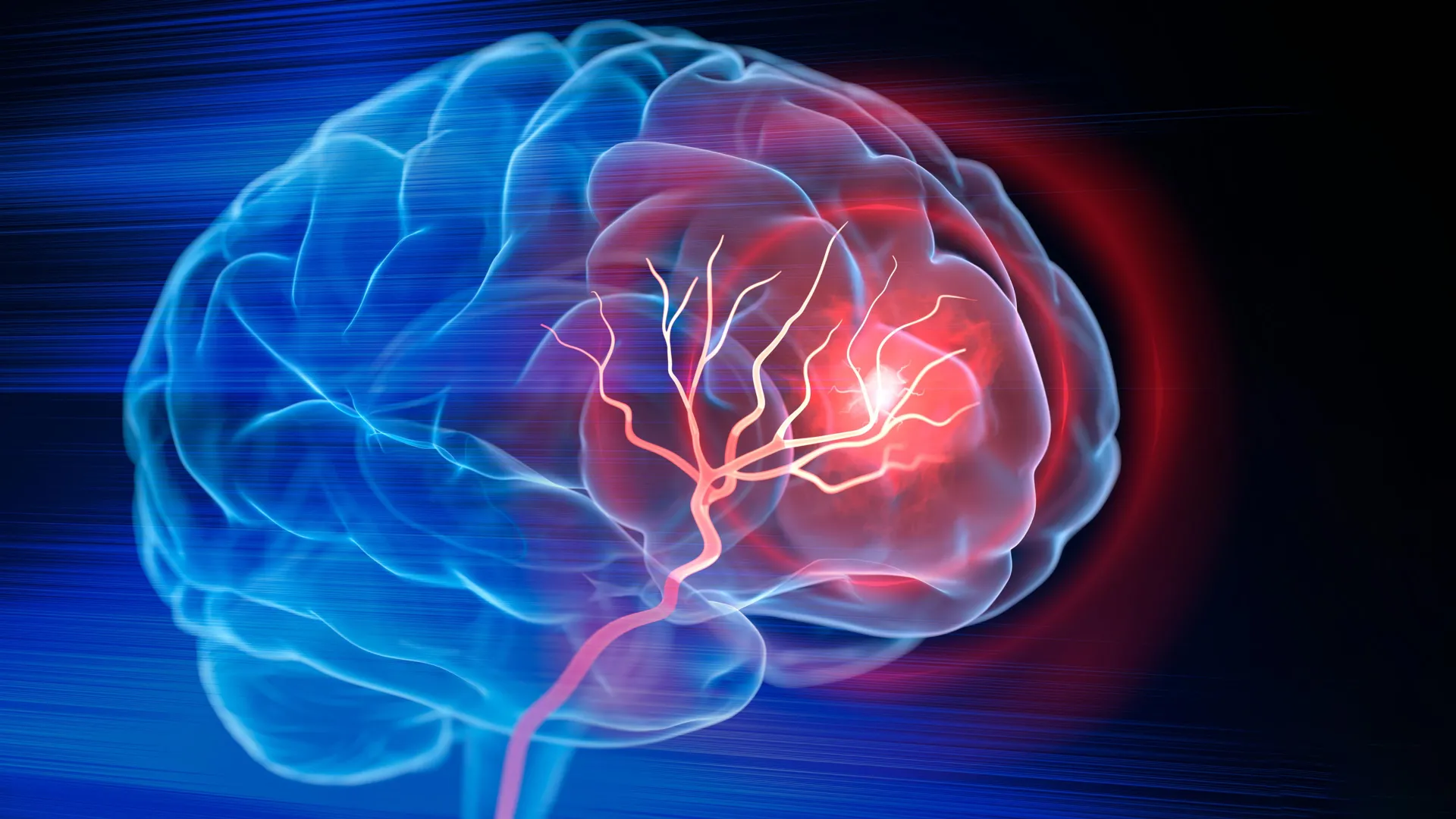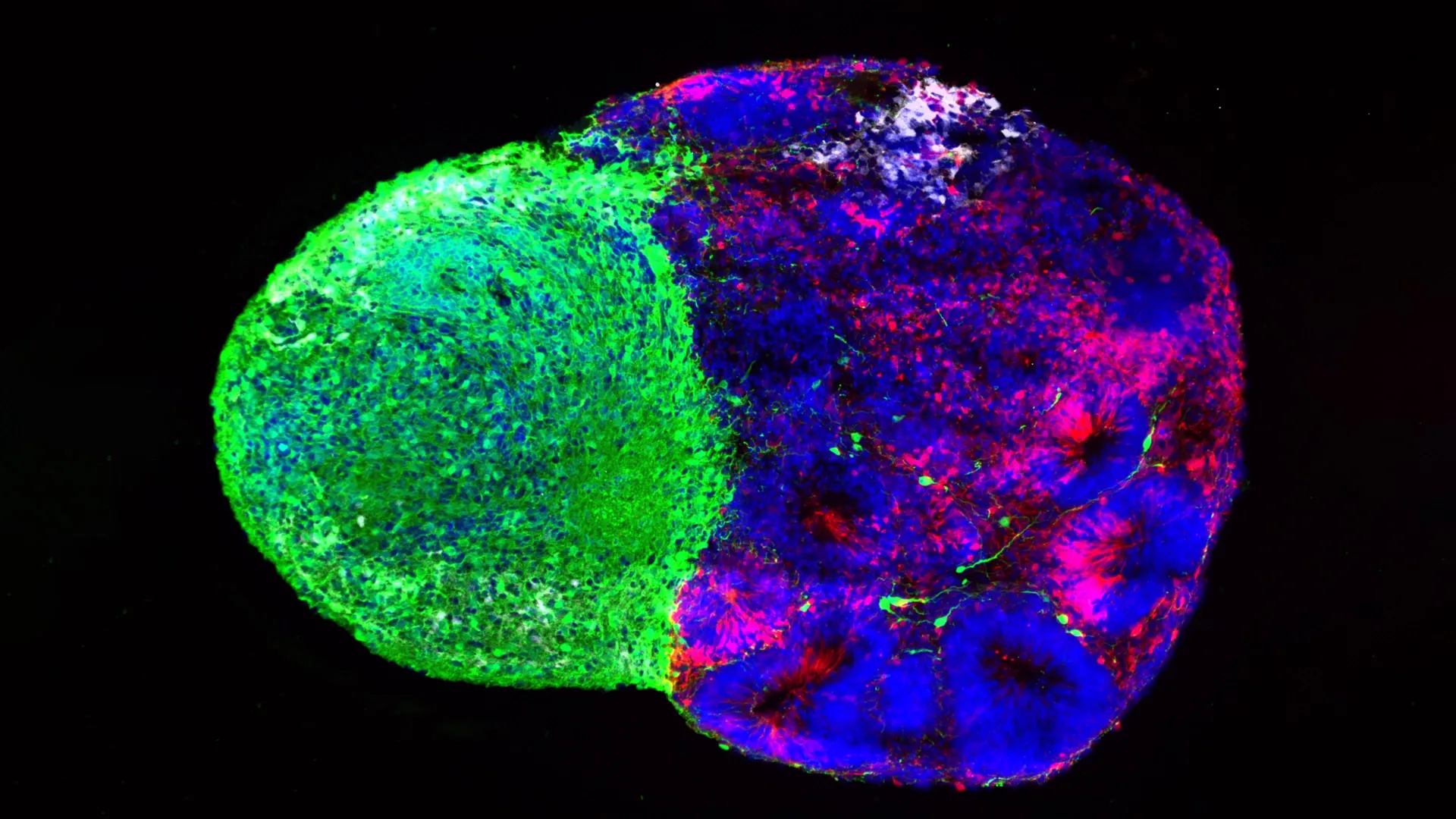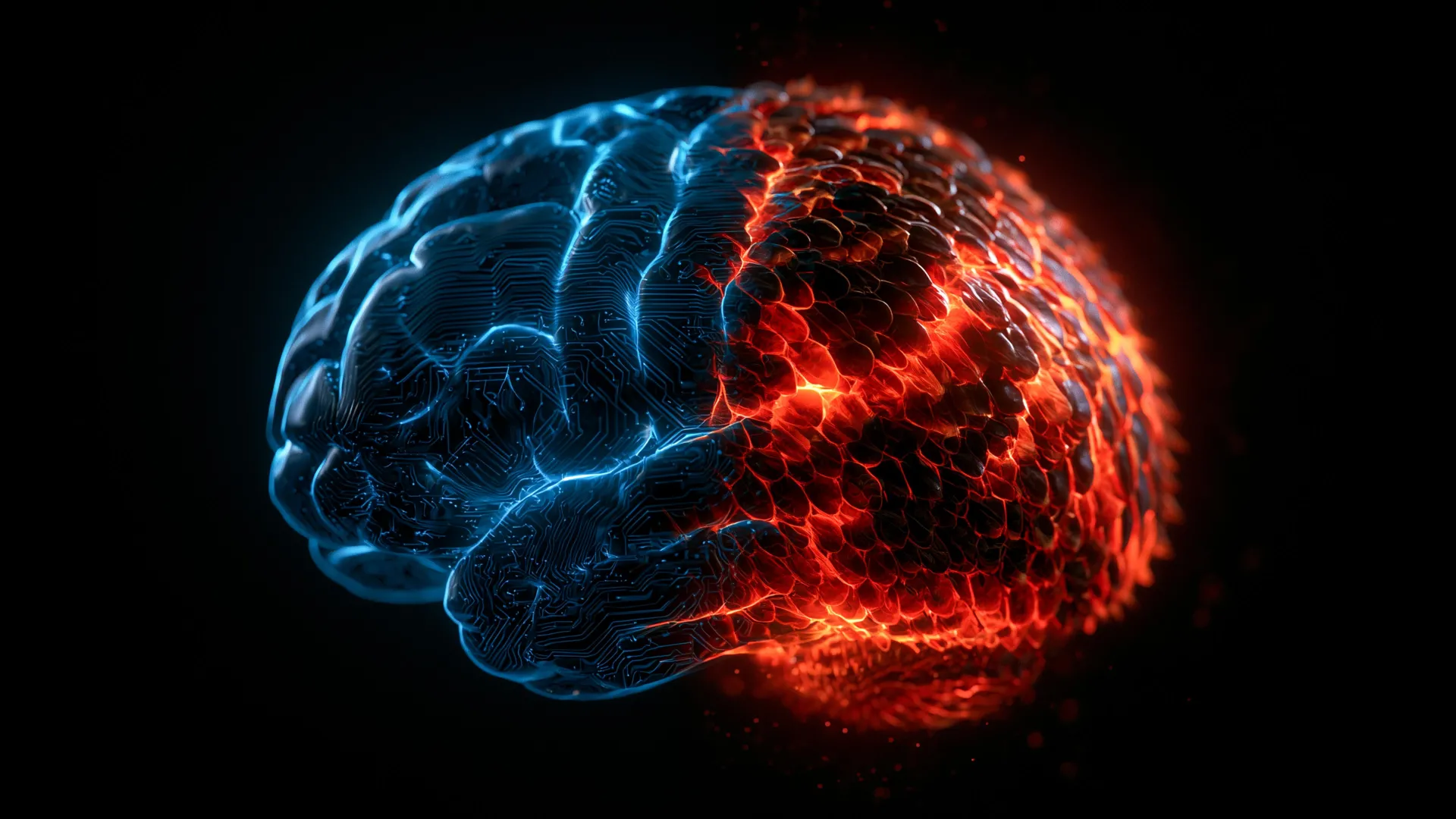
For decades, the popular understanding of human decision-making has been anchored by a seductive, albeit scientifically tenuous, metaphor: the internal battle between the cold, calculating logic of the neocortex and the impulsive, primal instincts of the "lizard brain." This dual-process theory suggests that as humans evolved, we stacked layers of sophisticated reasoning atop a prehistoric foundation of emotional and autonomic functions. However, new research from the Georgia Institute of Technology and Cornell University is challenging this hierarchical model, proposing instead that the evolution of the brain is driven by a sophisticated competition for physical "real estate" between two fundamentally different wiring strategies.
The study, published in the journal Science Advances, suggests that the brain’s architecture is not a collection of increasingly complex add-ons, but rather a dynamic, integrated system of neural networks that compete for space and energy based on the survival demands of an organism’s environment.
A Departure from the 1950s Paradigm
The traditional view of brain evolution, often referred to as the "Triune Brain" model, was popularized by neuroscientist Paul MacLean in the 1950s. MacLean posited that the human brain evolved in three distinct stages: the reptilian complex (responsible for basic survival), the limbic system (emotions), and the neocortex (rationality). While this framework became a staple of psychology textbooks and pop culture, modern evolutionary biologists have long been skeptical.
"There was a theory proposed in the ’50s that the brain evolved in layers starting with basic bodily functions, to emotions in the reptilian brain, leading up to sophisticated reasoning in humans," says Nabil Imam, an assistant professor in the School of Computational Science and Engineering and a faculty member with Georgia Tech’s Institute for Neuroscience, Neurotechnology, and Society (INNS). "This is not how an evolutionary biologist would think about the problem. It is a simplification that ignores the interconnected, plastic nature of neural development."
The research team, led by Imam, argues that the brain’s evolution is better understood by examining how different neural circuits are wired to process information. By utilizing computational modeling and large-scale comparative analysis, the team found that the brain does not "add" layers so much as it shifts the allocation of limited neural resources between competing organizational strategies.
The Mechanism of Neural Organization
To test this hypothesis, researchers scrutinized the organization of both biological brains and artificial neural networks. They identified two distinct methods of wiring that characterize the brain’s anatomy before an organism is even born.
The first, found prominently in the neocortex, is a spatial map. In this organizational scheme, physical location matters; neurons that process sensory input from a thumb, for example, are physically adjacent to those processing the index finger. This spatial organization is highly efficient for processing vision, sound, and touch, allowing for rapid, localized analysis of external stimuli.
The second method, observed in the limbic system, functions more like a digital bar code. Rather than being laid out in a clean, spatial map, information is distributed across complex networks. This architecture is uniquely suited for memory, smell, and the navigation of abstract concepts. Because these two systems—the spatial "map" and the distributed "barcode"—serve different functions, they must compete for the limited physical space available within the skull.
A Computational Tug of War
The study analyzed 182 different species to determine how these systems shift across evolutionary history. The data revealed a consistent pattern: when one component of the limbic system expanded, others followed, while the neocortex tended to contract. This coordinated expansion suggests that these regions are not evolving as independent modules, but as a singular, integrated network.
To validate this, the researchers created a multimodal artificial network that simulated the competition for neural space. When the simulated environment prioritized tasks requiring a keen sense of smell—a vital survival trait for certain species—the "barcode-style" networks expanded at the expense of the spatial neocortex. When the environment shifted to prioritize vision, the neocortex expanded, and the limbic system reduced in scale.
This "zero-sum" model of brain evolution offers a compelling explanation for the vast physiological differences observed in the animal kingdom. The nine-banded armadillo, which relies heavily on olfactory cues for foraging, possesses a disproportionately large limbic system. In contrast, the squirrel monkey, an animal that relies on visual navigation to traverse complex arboreal environments, shows a significant expansion of the neocortex.
Implications for Artificial Intelligence
The findings of the Georgia Tech and Cornell collaboration extend beyond evolutionary biology; they offer a roadmap for the next generation of artificial intelligence. Current AI models are often "blank slates" that require massive datasets and significant energy to train through experience. This "nurture-only" approach stands in stark contrast to the biological brain, which arrives pre-wired with fundamental, inherited architectures.
"Today’s artificial neural networks are trained by vast amounts of data—it’s about nurture," Imam explains. "But the brain is not a blank slate that gets trained by experience. It is a mix of nature and nurture, and the nature is that pre-wired architecture."
By integrating "nature"—pre-programmed neural organization—into AI design, researchers believe they can create systems that are more efficient and require significantly less data to reach high levels of performance. If engineers can replicate the efficiency of the biological brain’s "barcode" and "spatial map" systems, it could lead to AI that is less power-hungry and more adaptable to changing environments.
Scientific and Industry Reactions
The study has been met with interest from the broader computational neuroscience community. By framing brain evolution as a problem of resource allocation rather than a hierarchy of morality or intellect, the researchers have effectively shifted the debate from "reason versus emotion" to "optimization versus environment."
Dr. Sarah Jenkins, an independent computational biologist not involved in the study, noted the significance of the data-driven approach: "By moving away from the anecdotal ‘triune’ model and toward a quantitative analysis of neural wiring, Imam and his team have provided a framework that is both testable and applicable to synthetic intelligence. It reframes the brain as an optimized machine, which is a powerful lens for future research."
Future Research Directions
The National Science Foundation, which supported the research, has identified this line of inquiry as a critical bridge between biology and technology. Future studies are expected to explore how these pre-wired architectures are genetically encoded and whether they can be further optimized for specific, non-biological tasks.
As AI continues to become more pervasive in modern society, the demand for systems that mimic the energy efficiency of the human brain will only grow. If the biological brain is indeed a masterclass in resource management—balancing the need for spatial mapping with the necessity of distributed memory—then the path to human-level AI may lie in our ability to reverse-engineer these ancient, evolutionary trade-offs.
The transition from the "lizard brain" model to a "competing wiring" model represents a paradigm shift in our self-perception. We are not, as previously thought, a rational mind trapped in a cage of reptilian impulses. Instead, we are the product of millions of years of biological engineering, where the brain has been expertly refined to balance competing strategies for survival in a complex, unpredictable world. This new perspective acknowledges the complexity of the brain not as a relic of our past, but as a highly efficient engine of our future.