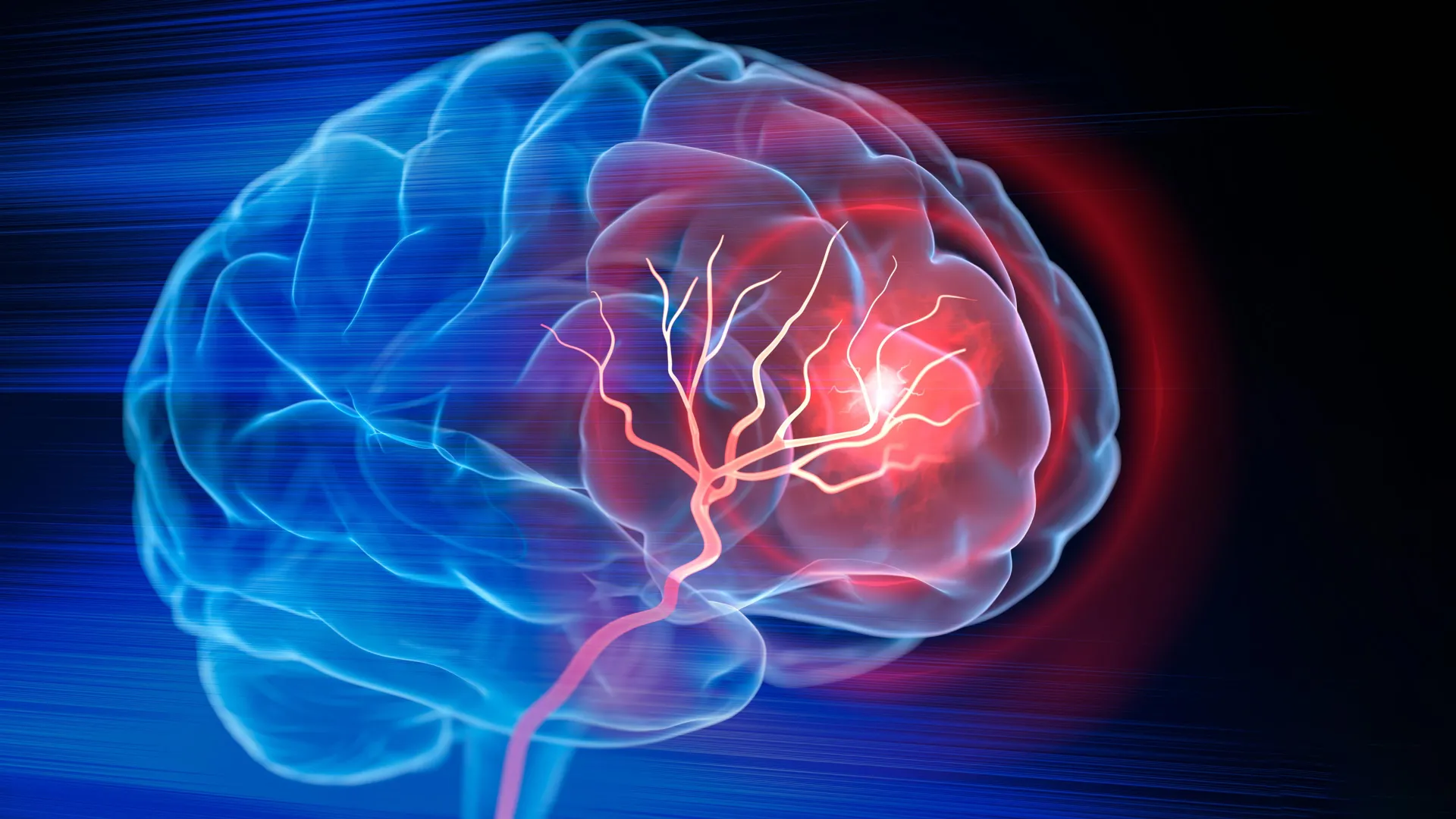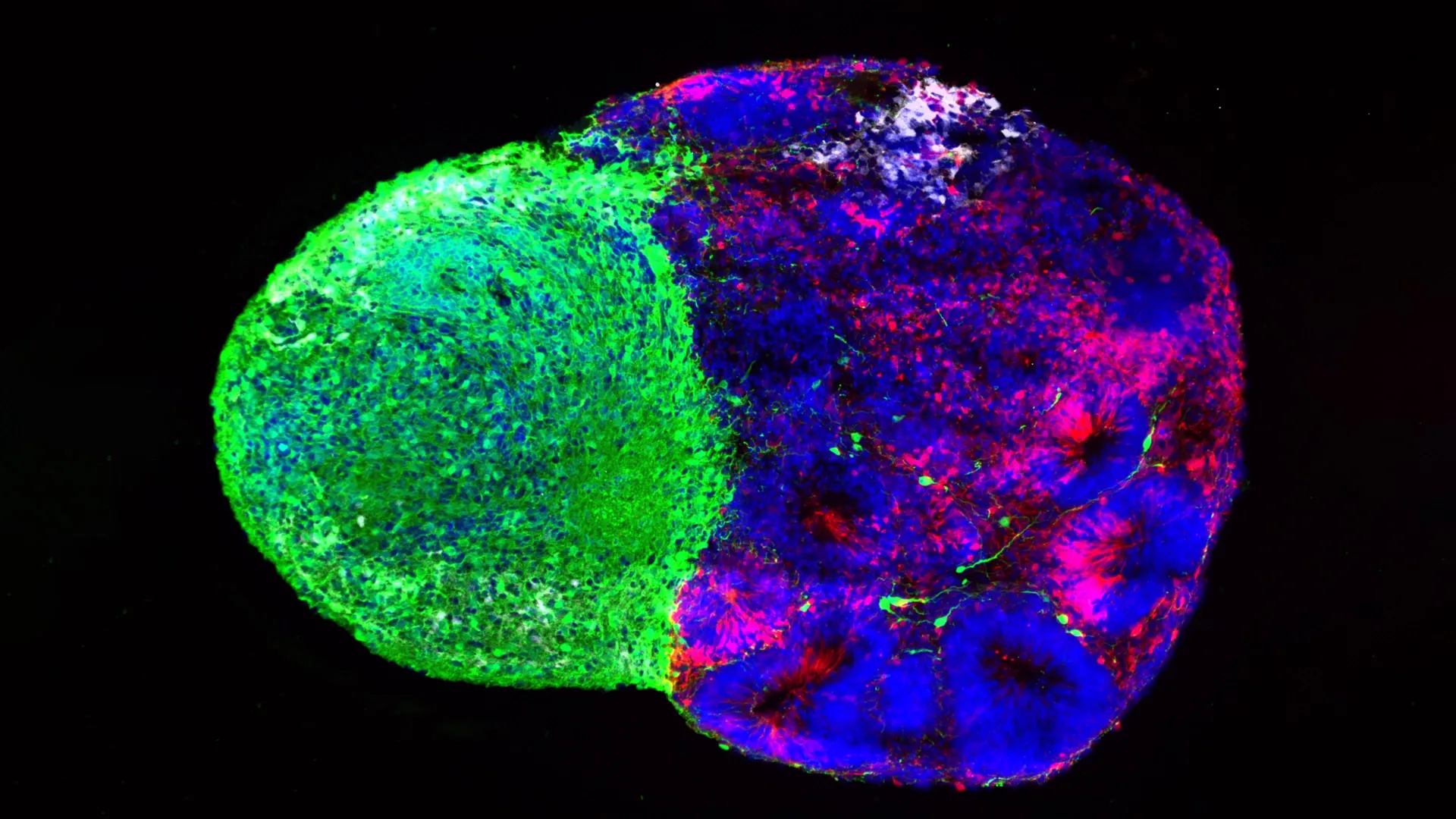
Researchers at the Mark and Mary Stevens Neuroimaging and Informatics Institute (Stevens INI) at the Keck School of Medicine of USC have identified a critical, previously under-explored mechanism that may protect cognitive function in older adults. By analyzing the interplay between superficial white matter and gray matter, the team has uncovered evidence suggesting that the structural integrity of the brain’s "local wiring" may dictate how effectively an individual withstands the onset of age-related cognitive impairment.
The findings, published in the peer-reviewed journal Alzheimer’s & Dementia, represent a significant shift in neurological research. Traditionally, studies on cognitive decline have focused primarily on the atrophy of gray matter—the tissue containing the cell bodies of neurons responsible for processing information. However, this study posits that gray matter cannot be viewed in isolation. Instead, the "local roads" of the brain, known as superficial white matter, serve as a vital support system that may mitigate the damage caused when gray matter begins to shrink.
The Anatomy of Local Communication
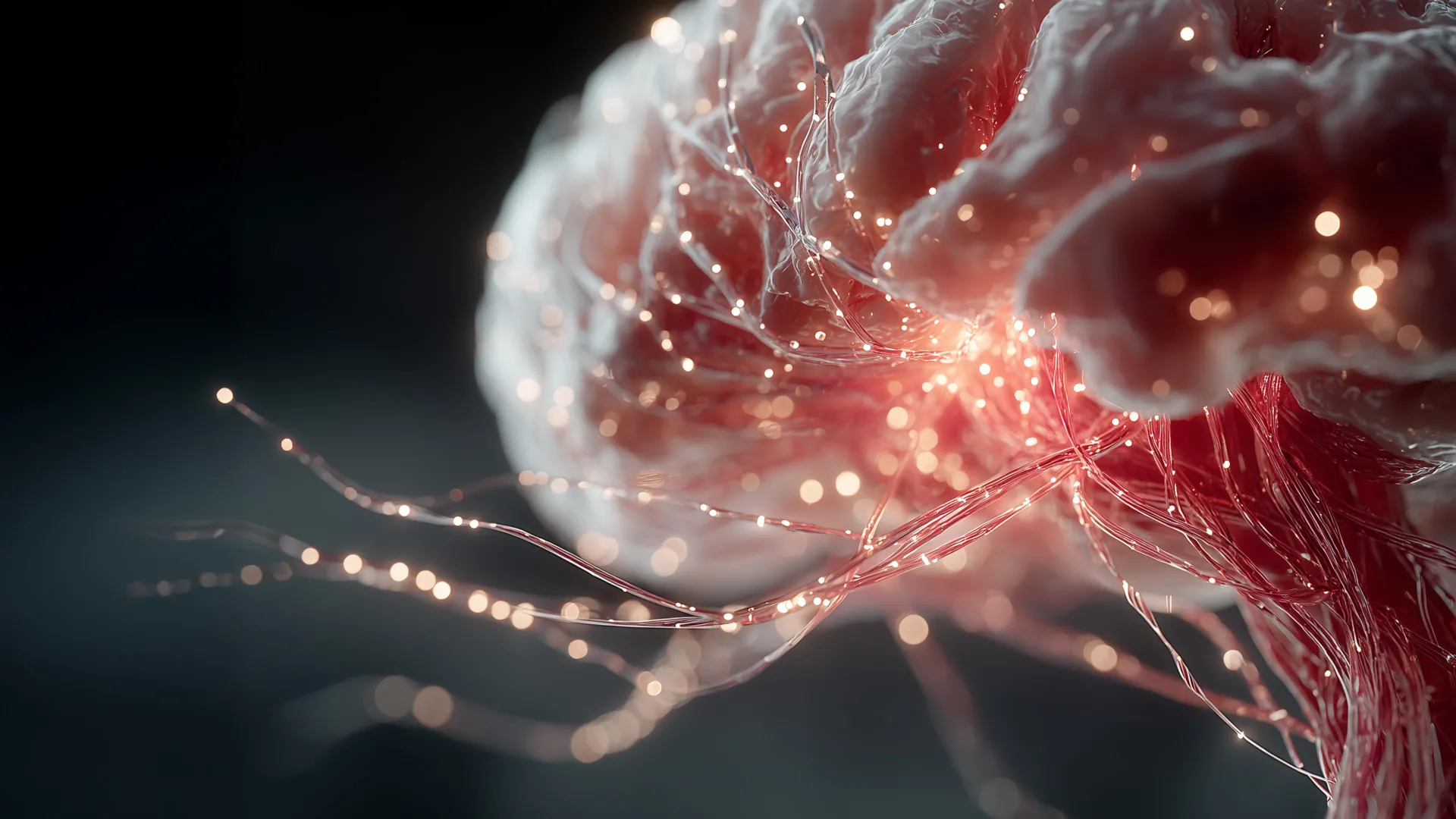
To understand the significance of this discovery, one must look at the brain’s architecture. Superficial white matter is a thin, intricate layer of nerve fibers located immediately beneath the cerebral cortex. Unlike the deep white matter tracts that act as long-range cables connecting distant hemispheres or lobes, superficial white matter functions as a local network, linking adjacent cortical regions.
Dr. Yingxu Liu, a postdoctoral scholar at the Stevens INI and the study’s lead author, emphasizes that the functional health of the brain is a partnership between these two distinct types of tissue. While gray matter processes information, superficial white matter ensures that neighboring brain regions can exchange data seamlessly. When this wiring is compromised, the brain loses its ability to coordinate local tasks, even if the processing centers themselves remain relatively intact.
Methodology and Global Representation
The research utilized data from the Harmonized Diagnostic Assessment of Dementia for the Longitudinal Aging Study in India (LASI-DAD), a robust, population-based cohort study. The sample included 459 adults aged 60 and older. Crucially, this study is among the first of its kind to apply high-resolution neuroimaging to a community-based population in a low- and middle-income country.
Historically, neuroimaging research has suffered from a lack of diversity, often relying on data from high-income, highly educated, and urban populations. By drawing from the LASI-DAD cohort—where more than 50% of participants report low literacy and 60% reside in rural settings—the USC team has provided a more representative look at how the human brain ages across varying educational and socioeconomic landscapes.
To measure the microscopic health of these tissues, the researchers employed advanced diffusion MRI (dMRI). This technology tracks the subtle movement of water molecules through brain tissue, providing a "map" of neurite density. Neurites are the essential projections through which neurons transmit signals; a decrease in their density or an increase in the volume of "free water" surrounding them serves as a biomarker for inflammation, myelin loss, or cellular swelling.
Chronology of Cognitive Resilience
The study’s findings suggest a specific, chronological relationship between tissue health and cognitive performance. While gray matter atrophy remains the most significant predictor of cognitive decline, the researchers discovered that the "cushioning effect" of superficial white matter is most pronounced in the realm of language.
Participants with higher levels of superficial white matter integrity performed better on standardized language assessments. This correlation was particularly strong in the frontotemporal regions of the brain, which govern word recognition, verbal fluency, and the short-term storage of linguistic information.
The data revealed a clear pattern: when superficial white matter was in good health, the correlation between gray matter loss and cognitive impairment was significantly dampened. Conversely, in individuals where this local wiring was already compromised, even moderate levels of gray matter loss resulted in sharper, more noticeable declines in language ability. This leads to a compelling, albeit preliminary, hypothesis: the preservation of local white matter connectivity may provide a form of "cognitive reserve," allowing the brain to maintain functionality even as physical cellular mass decreases.
Clinical and Social Implications
The implications of this research are far-reaching. Dr. Leon Aksman, assistant professor of research neurology at the Stevens INI and the study’s senior author, suggests that this discovery could redefine how clinicians assess the risk of dementia. "Two people with a similar degree of gray matter loss may not experience the same cognitive effects if the local connections surrounding that gray matter differ in health," Aksman noted.
By identifying superficial white matter as a potential source of resilience, researchers may eventually develop targeted interventions to slow cognitive decline. While it remains to be seen whether lifestyle interventions—such as exercise, nutrition, or cognitive training—can specifically preserve these local fibers, the study provides a clear biological target for future clinical trials.
Furthermore, the study highlights the influence of social determinants of health. The association between superficial white matter health and language ability was noticeably stronger among individuals with no formal education or those living in rural environments. While the researchers caution that these social factors are not direct "causes" of tissue change, they argue that brain aging is a cumulative process shaped by a lifetime of environmental, social, and educational exposures. This reinforces the necessity for public health policies that address educational access and environmental quality as potential levers for long-term neurological health.
Scientific Consensus and Future Directions
The medical community has long sought to understand why some individuals remain cognitively sharp despite showing physical signs of brain aging, such as the accumulation of amyloid plaques or neural atrophy. This research adds a vital piece to that puzzle. By moving beyond a "gray-matter-only" perspective, the Stevens INI team has opened a new avenue for exploring how the brain’s connective architecture contributes to functional longevity.
However, the researchers are careful to acknowledge the study’s limitations. Because the data was collected at a single point in time, it cannot definitively establish a causal sequence. It is currently unclear whether superficial white matter deterioration is an early harbinger of disease, a concurrent symptom, or a secondary effect of broader neurological shifts. To resolve these questions, the team plans to conduct longitudinal studies that track these markers over several years.
Future research will also need to account for the interplay between vascular health—which is highly dependent on systemic factors—and the health of superficial white matter. As Dr. Arthur W. Toga, director of the Stevens INI, stated, a comprehensive understanding of aging requires a global perspective that transcends typical laboratory demographics. By bridging the gap between advanced neuroimaging and the realities of life in diverse social environments, this study provides a blueprint for more inclusive and accurate neurological research.
Conclusion
As the global population ages, the challenge of maintaining cognitive health becomes increasingly urgent. The work conducted at the Keck School of Medicine of USC does not offer a cure for neurodegenerative diseases, but it does offer a more sophisticated understanding of the brain’s natural defenses. If superficial white matter is indeed a critical component of the brain’s resilience, then protecting these local pathways could become a cornerstone of preventative neurology.
The study received support from several prestigious institutions, including the National Institute on Aging, the National Institute of Mental Health, the National Institute of Neurological Disorders and Stroke, and the Office of the Director of the National Institutes of Health. With these resources, the research team is well-positioned to continue their investigation into how the brain’s hidden wiring might hold the key to preserving the human mind into the later stages of life. The next phase of this work will be critical: by observing how these connections change over time in a diverse group of aging adults, scientists hope to pinpoint the exact window of opportunity where clinical intervention might be most effective.