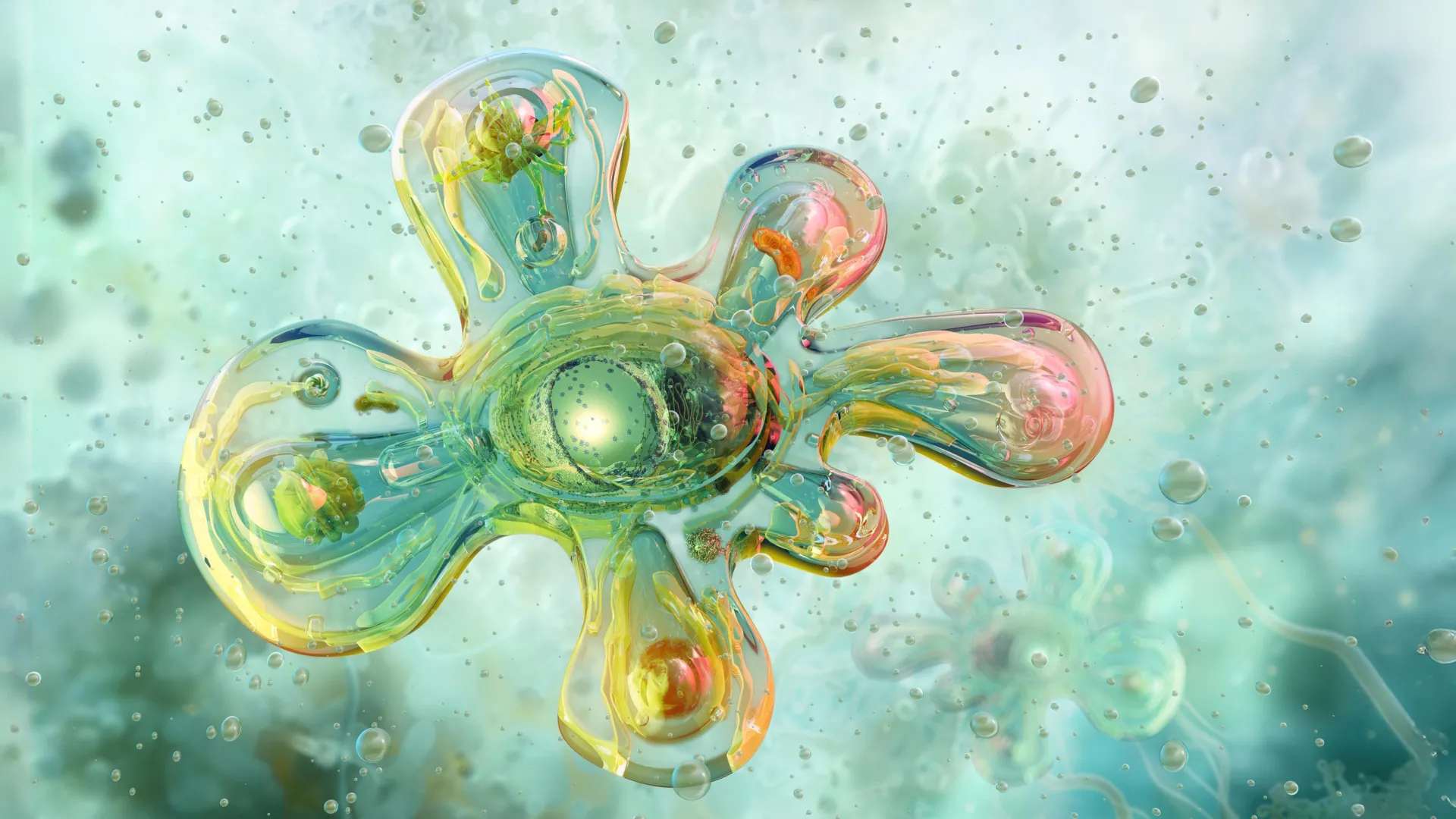
While the high-profile search for extraterrestrial life often focuses on the subsurface oceans of Europa or the methane lakes of Titan, a profound mystery of biological history remains locked within the ancient sedimentary layers of our own planet. Scientists are currently engaged in a rigorous effort to map the emergence of eukaryotes—the complex cells that serve as the foundational building blocks for all plants, animals, and fungi. Understanding the timeline and conditions under which these organisms first appeared is not merely an exercise in historical biology; it is a critical endeavor to determine whether the jump from microbial life to complex multicellularity is an evolutionary inevitability or a rare biological accident.
For roughly 90 percent of Earth’s 4.5-billion-year history, life was defined almost exclusively by simple, single-celled organisms. This vast expanse of time, characterized by the dominance of prokaryotes, represents the majority of our planet’s biological narrative. The transition from a world governed by bacteria to one populated by sophisticated, multicellular life forms remains one of the most significant yet poorly understood chapters in the history of the natural world.
A Chronology of Biological Innovation
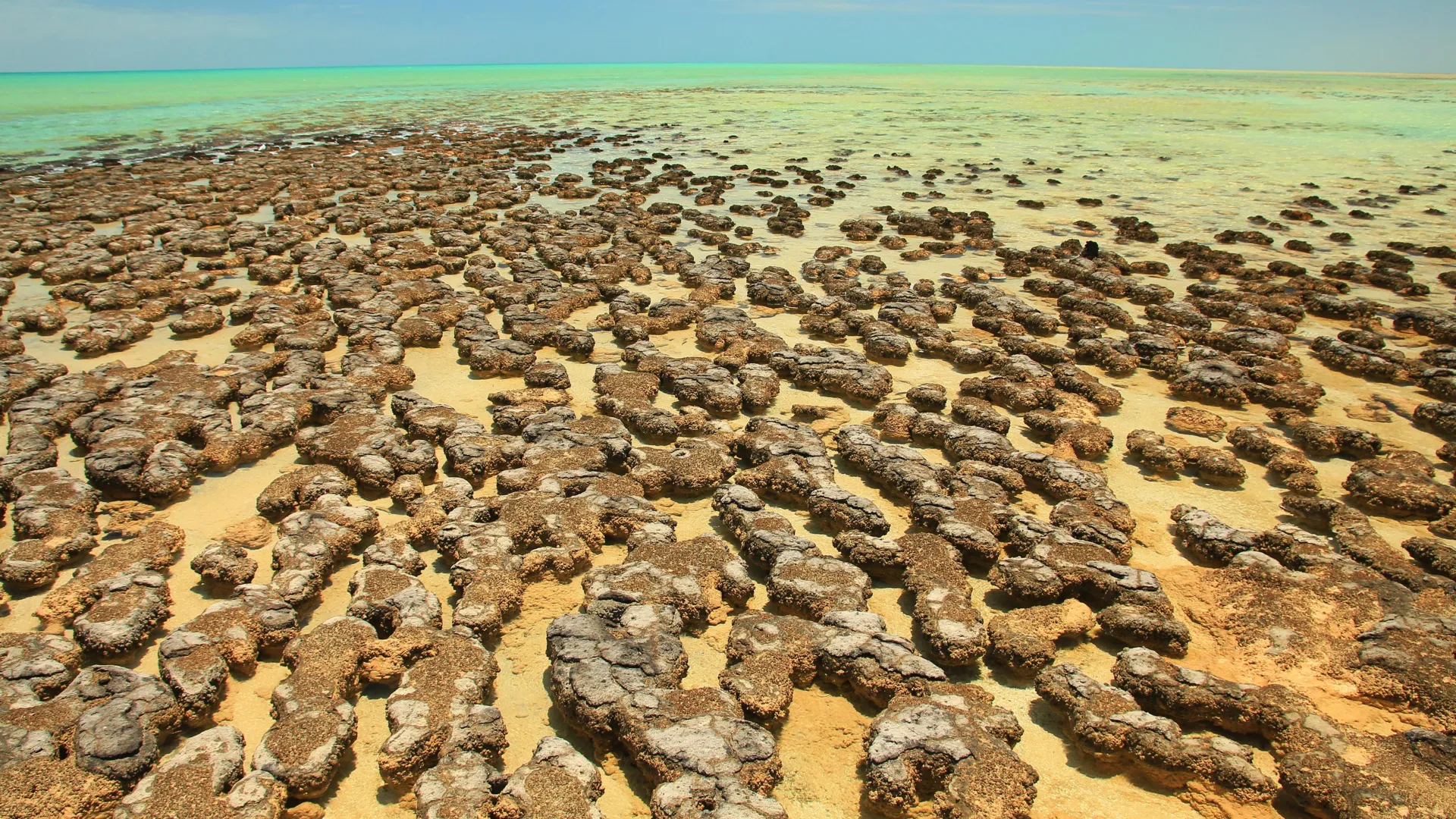
The narrative of life on Earth is segmented by major evolutionary breakthroughs. According to paleontologists like Ross Anderson of the University of Oxford, the timeline of early life is established through the chemical and physical analysis of ancient rock strata. Life began in a primitive state more than 3.5 billion years ago. By 2.3 billion years ago, the "Great Oxidation Event" had occurred, driven by cyanobacteria that produced oxygen through photosynthesis.
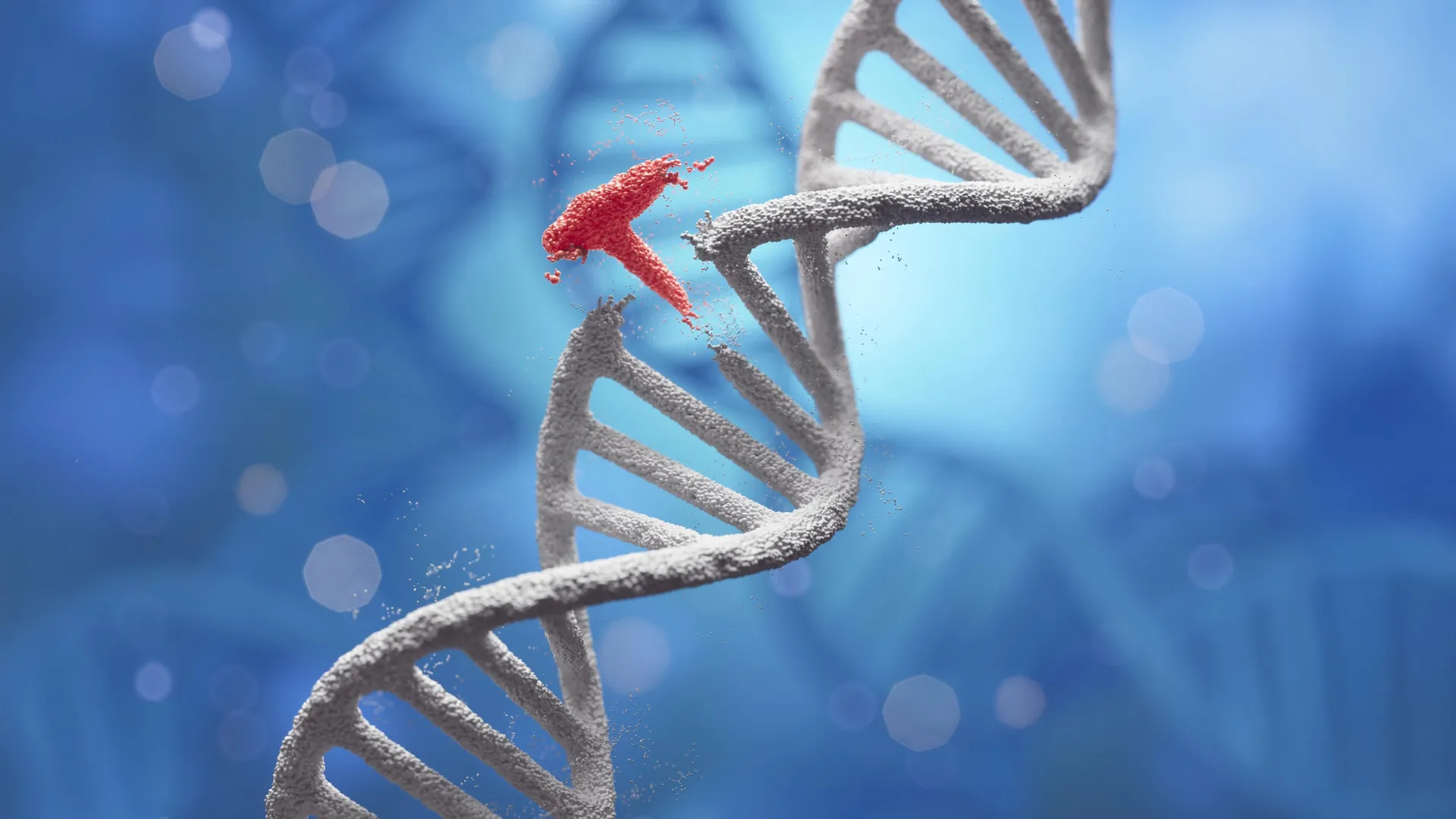
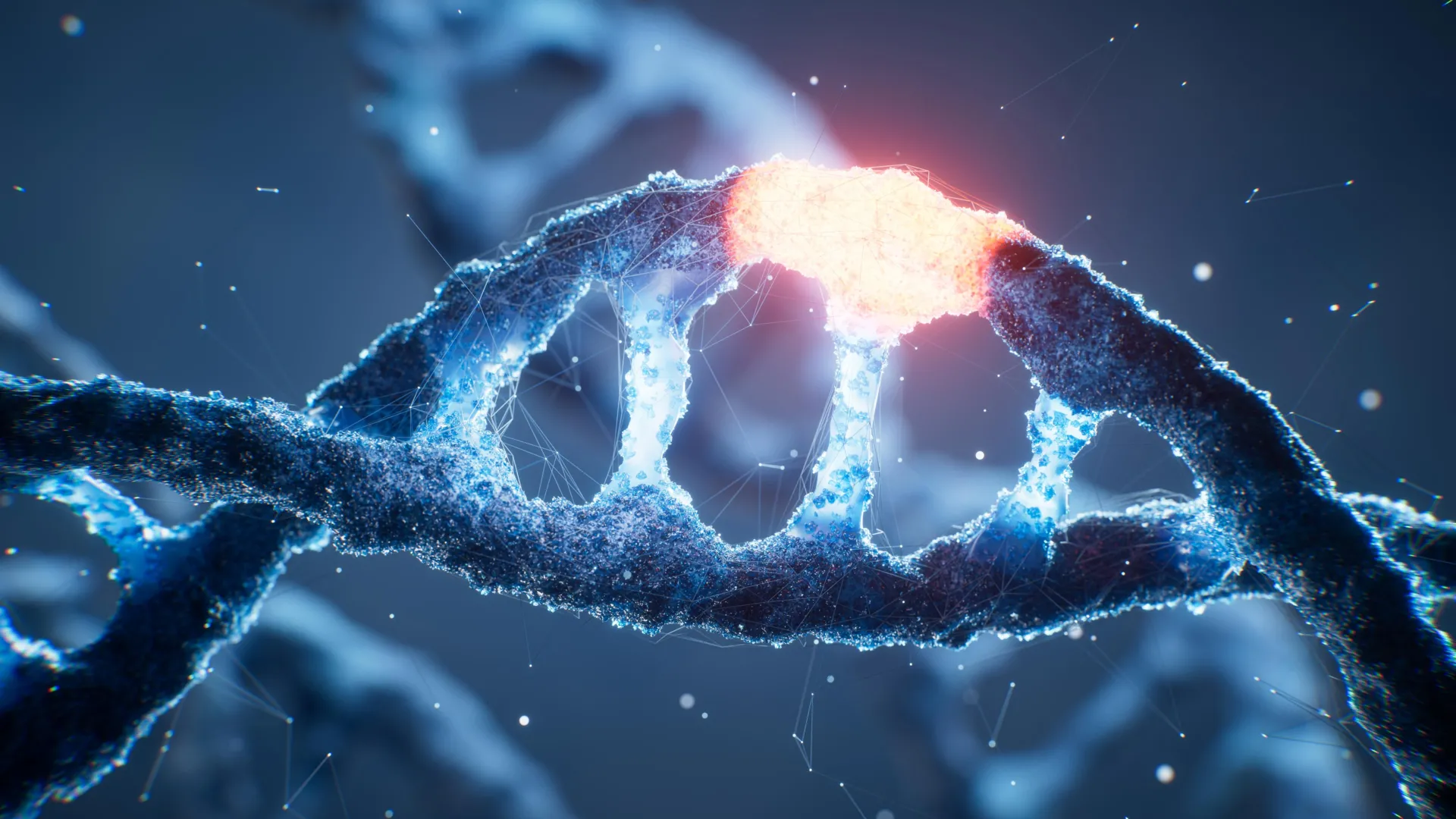
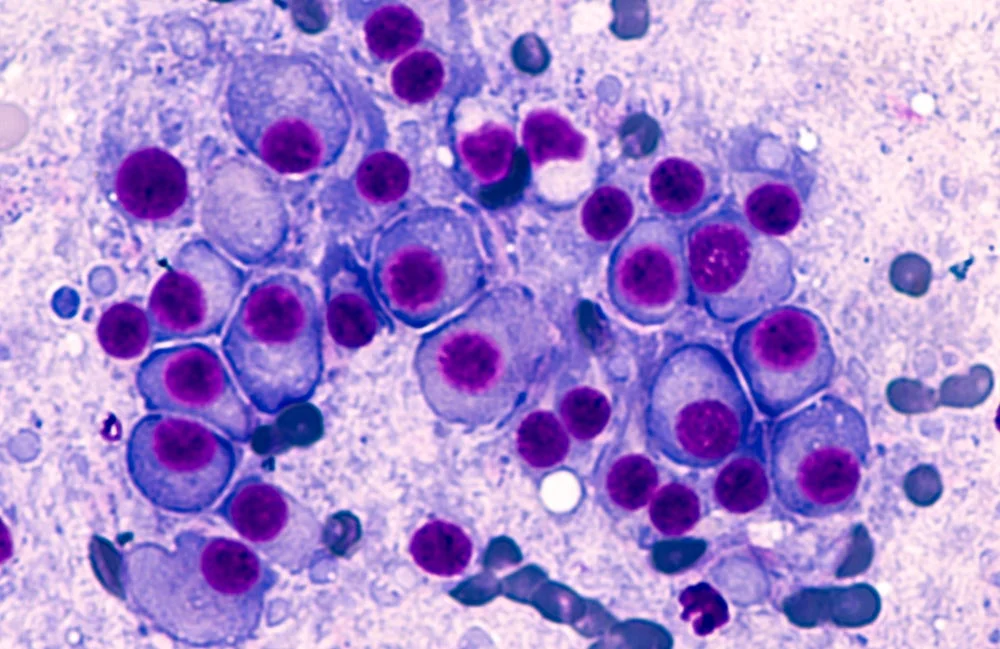
The next major milestone arrived approximately 1.7 billion years ago with the emergence of the first eukaryotes. These cells represented a quantum leap in biological engineering. Unlike their prokaryotic predecessors, eukaryotes possess a defined nucleus—a membrane-bound "command center" that houses the organism’s DNA—and specialized organelles such as mitochondria. These internal structures allow for far more efficient energy production, providing the metabolic "fuel" necessary to sustain larger, more demanding life forms.
Following this development, the evolutionary record shows the emergence of algae at least one billion years ago, eventually leading to the appearance of animals roughly 570 million years ago. Researchers looking to define the common ancestor shared by the plant and animal kingdoms currently point toward a window roughly 1.6 billion years ago, a period that likely served as the crucible for modern cellular complexity.
The Problem of the "Soft" Fossil Record
One of the primary obstacles facing evolutionary biologists is the inherent fragility of the earliest life forms. The organisms that inhabited Earth prior to 500 million years ago lacked the mineralized shells, skeletons, or teeth that characterize the later fossil record. Consequently, the transition from simple cells to complex entities left almost no physical trace in the traditional sense.
Paleontologists must instead turn to "Lagerstätten"—rare, exceptional geological environments that, through unique chemical conditions, allow for the preservation of soft tissues and delicate cellular structures. Because these sites are rare, our current understanding of life’s progression during the Proterozoic Eon is essentially a series of scattered snapshots rather than a continuous film. The degradation of these microfossils over billions of years of tectonic activity, heat, and pressure further complicates the task, often leaving researchers with degraded, microscopic remnants that are notoriously difficult to categorize.
Geographic Frontiers in Paleo-Research
To overcome these hurdles, researchers have targeted specific global locations that act as geological time capsules. A key site of interest is an approximately 100-square-kilometer region near Svalbard, Norway. Located 80 degrees North, this area was once a shallow, nutrient-rich sea that facilitated the preservation of ancient biological material in sedimentary clay.
Similarly, Australian research sites have yielded significant data, including the discovery of microfossils dating back 1.75 billion years. These coastal environments are favored by scientists because they provided high concentrations of organic matter and nutrients, which are essential precursors to the development of multicellularity. By studying pristine, minimally sampled regions—often in harsh, high-latitude or arid desert climates where erosion has stripped away later layers of vegetation—geologists are gaining a clearer view of the ancient seafloor.
The Ediacaran/Cambrian Threshold
The culmination of these early developments is most evident during the transition between the Ediacaran and Cambrian periods, roughly 540 million years ago. This era marks the so-called "Cambrian Explosion," a period of rapid evolutionary diversification. It was during this time that life moved away from the soft-bodied, stationary forms that had characterized the preceding eons and toward organisms with complex body plans, mobility, and mineralized defenses.
This transition was not a single event but a cumulative result of the cellular innovations that had been percolating in the eukaryotic lineage for a billion years. The rise of these organisms fundamentally altered the planet’s ecology, creating complex food webs and niches that would eventually define the modern biosphere.
Implications for Astrobiology and the Search for Life
The relevance of this research extends far beyond the confines of Earth’s history. The primary motivation for many involved in studying ancient clay deposits is to refine the search for life on other planets. If scientists can identify the specific environmental signatures and chemical processes that allowed for the preservation of early life on Earth, they can apply those criteria to planetary exploration missions.
Astrobiologists view the eukaryotic transition as a potential "bottleneck" in the evolution of life. If the jump from prokaryotic to eukaryotic life is an extremely low-probability event, it suggests that complex life in the universe may be exceptionally rare. Conversely, if Earth’s history demonstrates that such a transition is a predictable outcome of specific environmental conditions, then the search for life elsewhere becomes a much more optimistic endeavor.
By reconstructing the path that life took to achieve complexity, scientists are effectively building a template for what "life" might look like in other solar systems. This work highlights that the most important lessons in astrobiology may not come from the stars, but from the microscopic, long-buried remnants of our own planet’s infancy.
The Path Forward
Despite the immense challenges of time and geological degradation, the field of paleobiology is entering a new era of precision. Advanced imaging techniques, chemical analysis of isotopes, and improved modeling of ancient environments are allowing scientists to extract more information from less material than ever before.
The focus remains on mapping the "crown eukaryotes"—those early forms that established the traits seen in all modern multicellular life. While the fossil record is inherently incomplete, the ongoing collaboration between geologists, biologists, and planetary scientists is slowly filling in the gaps. Each discovery of a billion-year-old cell not only rewrites the history of our planet but also calibrates the search for what may exist in the dark, icy depths of distant moons. As we refine our understanding of how Earth transitioned from a microbial desert to a vibrant, complex world, we inch closer to answering the ultimate question: are we a singular anomaly, or is the architecture of life a universal imperative?