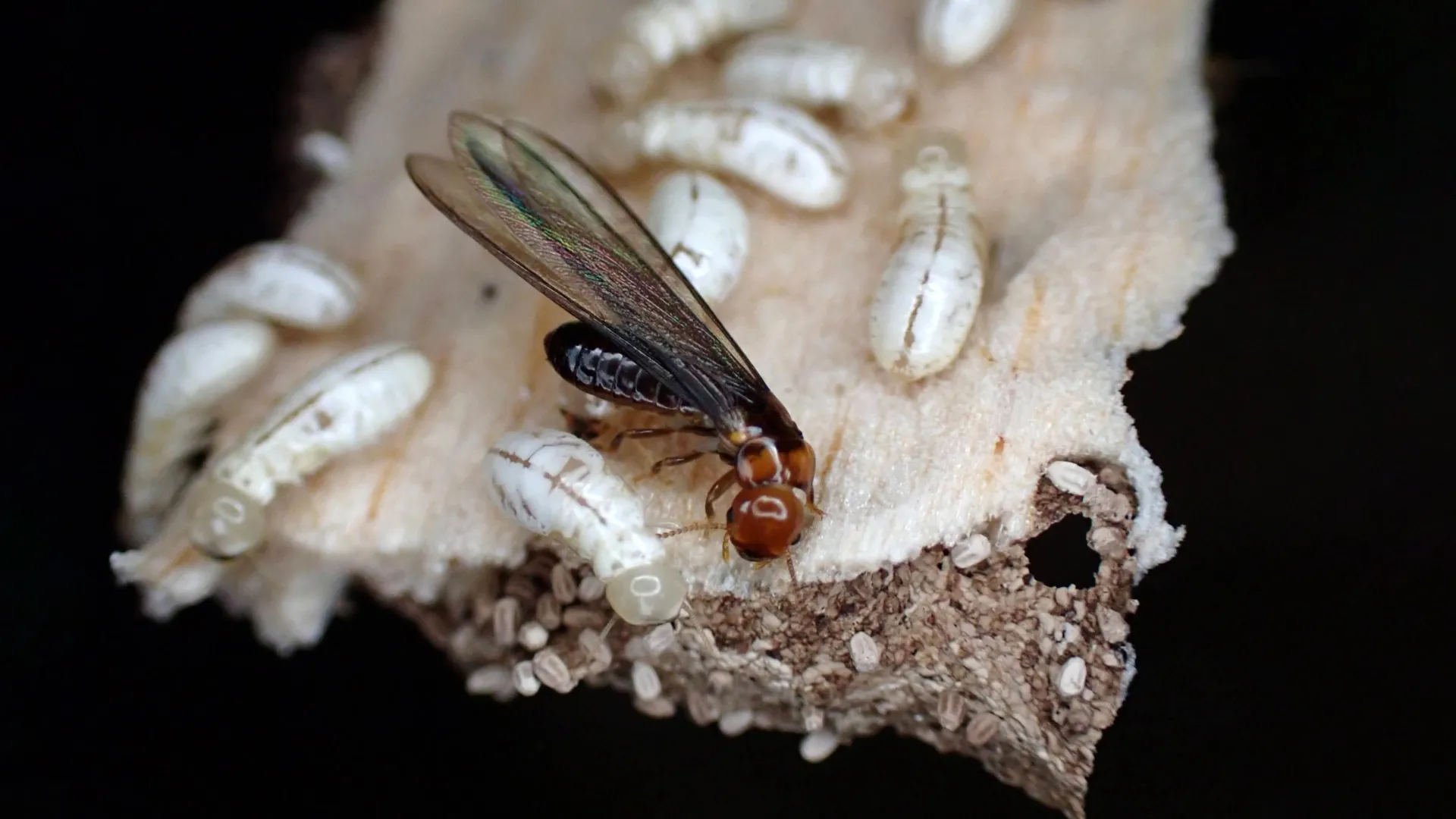
Drywood termites are masters of stealth, capable of spending their entire life cycles concealed within the structural integrity of homes, furniture, and support beams, leaving behind only the most subtle traces of their destructive progress. Unlike their subterranean cousins, which maintain a constant, visible connection to the earth, drywood termites (specifically Incisitermes minor, the western drywood termite) are self-contained ecosystems. They carve complex galleries deep within wood, effectively shielding themselves from traditional pest control methods that rely on soil barriers or surface-level detection. This elusive behavior has long rendered them one of the most difficult and expensive structural pests to eradicate, often necessitating total-structure fumigation—a process that is as disruptive to the homeowner as it is fatal to the insects.
However, recent research conducted at the University of California, Riverside (UCR) is fundamentally shifting the paradigm of termite management. By leveraging the biological vulnerabilities of the insect—specifically their mandatory molting process and their highly social feeding behaviors—entomologists have identified a pathway to localized, highly efficient eradication that could eventually minimize the need for whole-structure fumigation.
The Biological Achilles’ Heel: Exploiting Chitin Synthesis
At the heart of the UCR research, published in the 2025 edition of the Journal of Economic Entomology, is the application of bistrifluron, an insect growth regulator (IGR) that functions as a chitin synthesis inhibitor. Insects, unlike mammals, possess an exoskeleton composed primarily of chitin, a durable polysaccharide that provides structural rigidity. As a termite grows, it must shed this restrictive outer shell—a process known as molting—to expand its body size.
The UCR team, led by Professor Dong-Hwan Choe and doctoral student Nicholas Poulos, identified that bistrifluron interferes with the metabolic pathway responsible for producing chitin. When a termite consumes wood treated with this compound, it does not die immediately. Instead, the chemical acts as a biological "time bomb." As the termite approaches its next molting cycle, it is physiologically unable to manufacture the necessary chitin for a new, larger exoskeleton. Consequently, the insect attempts to shed its old, tight armor but finds itself unable to form a protective replacement, leading to mortality.
Laboratory trials conducted by the team provided striking data on the efficacy of this approach. When termites were given a choice between treated and untreated wood, researchers observed a 95.7 percent mortality rate. In scenarios where the insects had no alternative but to interact with the treated material, mortality climbed to approximately 99 percent. These figures are significant because they demonstrate that the chemical does not merely act as a repellent; it acts as a lethal, systemic control agent.
The Social Vector: Trophallaxis as a Delivery Mechanism
Perhaps the most compelling finding in the 2025 study is the role of termite sociality in spreading the lethal dose. Termites rely on a behavior known as trophallaxis, where they exchange nutrients, fluids, and symbiotic gut microbes with one another. This social cooperation is essential for the health of the colony, particularly for the transmission of gut protozoa that allow the insects to digest cellulose.
The researchers utilized dyed food sources to track the movement of material through a colony. They discovered that within 24 to 48 hours of initial exposure, the chemical had been transmitted to nestmates who had never directly encountered the treated wood. The results were consistent even in low-density scenarios: when only 5 percent of a colony was initially exposed to bistrifluron, the researchers observed 100 percent colony mortality by day 90. This suggests that the chemical is passed efficiently through the population via feeding behaviors, allowing a targeted application to permeate an entire hidden colony structure.
Chronology of Recent Research and Development
The trajectory of this research reflects a multi-year effort to modernize structural pest management:
- May 2024: UCR researchers publish initial findings on the use of pinene—a volatile organic compound found in trees—to attract termites to specific treatment sites, significantly boosting the efficacy of fipronil-based insecticides.
- April 2025: The University of California files a patent application for a specialized injection method that utilizes pinene to draw termites toward localized insecticide deposits, potentially reducing the total volume of chemicals required.
- Late 2025: The Journal of Economic Entomology publishes the foundational study on bistrifluron, confirming its superior performance compared to other chitin synthesis inhibitors like chlorfluazuron and noviflumuron.
- 2026: Further imaging research confirms the mechanisms of proctodeal trophallaxis, providing visual evidence of how colonies share nutrients and toxins, which supports the development of "bait-and-kill" strategies.
Addressing the Detection Gap: The Microbial Clock
One of the greatest challenges in termite control is distinguishing between active and abandoned infestations. Homeowners often discover "frass"—the small, pellet-like fecal matter left behind by drywood termites—and assume an active colony is present. However, frass can remain in a wall cavity long after a colony has died off or relocated.
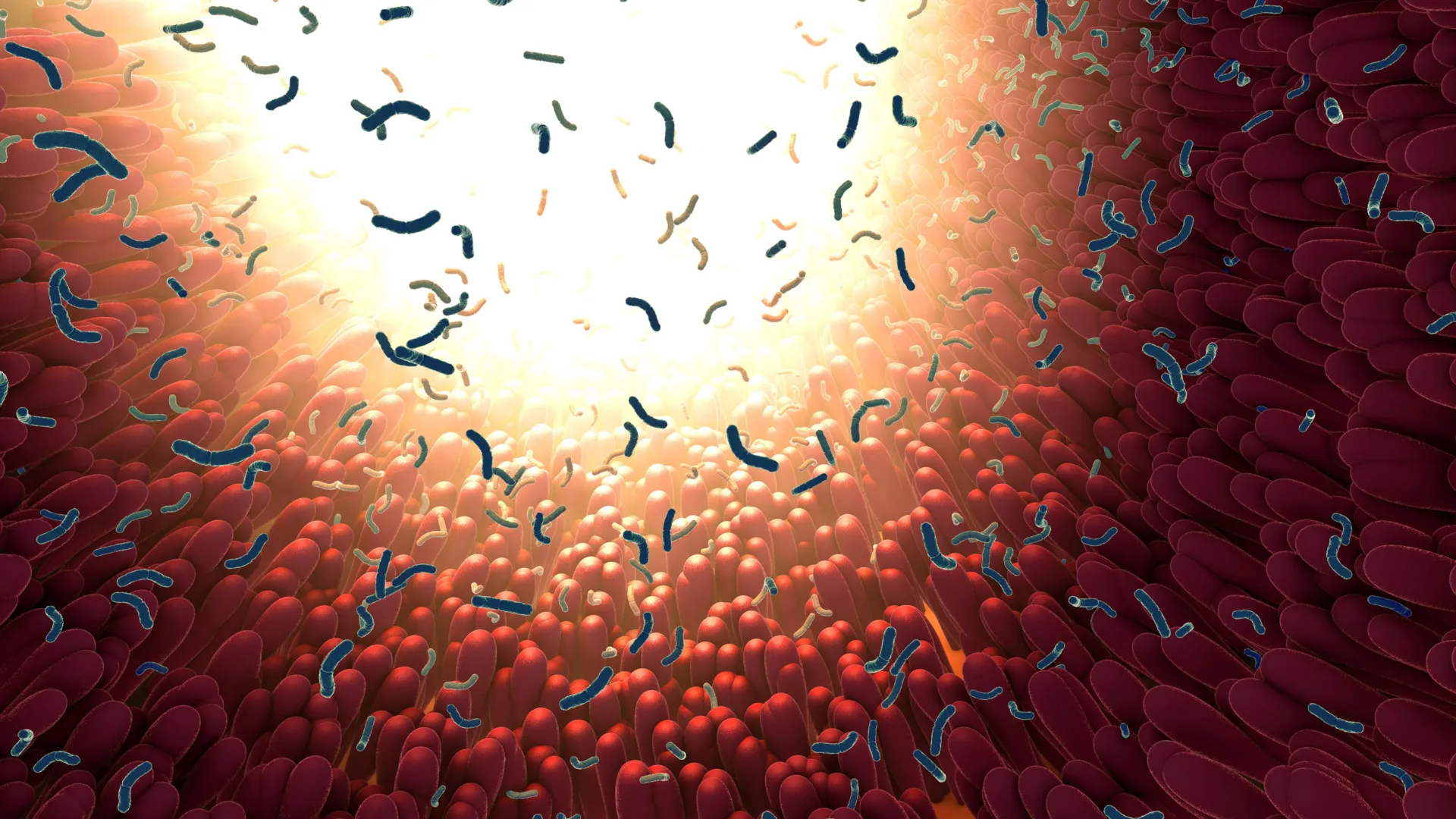
To solve this, the UCR team conducted a longitudinal study on the bacterial composition of termite frass. By analyzing DNA samples from pellets at various stages of aging, they discovered that the bacterial load declines by as much as 190-fold within a single year. Furthermore, specific bacterial families present in fresh pellets vanish as the frass ages. This discovery provides the framework for a "microbial diagnostic tool" that could allow pest control professionals to instantly determine if an infestation is current, thereby preventing unnecessary and expensive treatments.
Implications for the Pest Control Industry
The broader impact of these findings is a shift toward "low-impact" management. Currently, structural fumigation is the gold standard for severe infestations, but it requires the total evacuation of the building, the removal of all food and plants, and the use of large quantities of gaseous chemicals that offer no residual protection against future re-infestations.
The UCR team’s proposed strategy of localized, targeted treatment using bistrifluron and pinene offers several advantages:
- Reduced Environmental Exposure: By targeting the treatment to specific galleries, the amount of chemical released into the living environment is significantly reduced.
- Residual Protection: Unlike fumigants, which dissipate entirely, chitin synthesis inhibitors can remain active within the wood, providing a protective barrier against future termite colonizers.
- Cost-Effectiveness: Targeted spot treatments require less labor and fewer logistical disruptions for the homeowner.
However, researchers emphasize that this is not yet a retail-ready solution. The laboratory experiments relied on acetone as a carrier, which is unsuitable for residential use due to its volatility and odor. The next phase of development involves finding a safe, effective delivery vehicle that can penetrate deep into wood without compromising the structural integrity of the building or the safety of its inhabitants.
Global Challenges of an Invasive Species
The urgency of this research is underscored by the global expansion of the western drywood termite. While native to the southwestern United States and Mexico, the species has been transported globally via international trade. Established populations have been confirmed in Japan, Australia, Hawaii, and across Europe. As climate patterns shift, these insects are increasingly able to thrive in regions previously considered too cold or too humid for their establishment.
For the pest control industry, the goal is to move away from the "all-or-nothing" approach of the past. By exploiting the termites’ own biological needs—their hunger for wood, their dependence on gut microbes, and their social reliance on trophallaxis—scientists are turning the termites’ most effective survival strategies against them. While total eradication remains a complex, site-specific challenge, the integration of microbial detection tools and systemic growth regulators represents a significant step toward more sustainable and precise structural preservation. For homeowners, this may soon mean the difference between a total evacuation of the house and a simple, effective, and minimally invasive treatment.