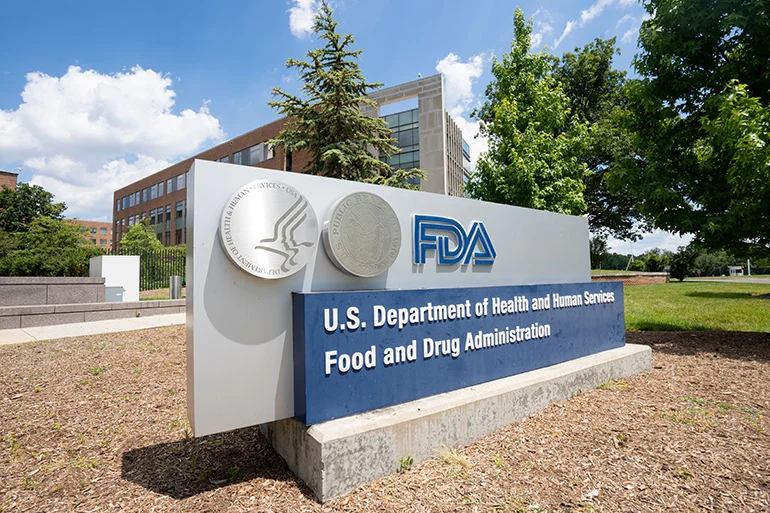
The U.S. Food and Drug Administration (FDA) has officially granted approval for ViiV Healthcare’s Tivicay PD (dolutegravir) for the treatment of HIV-1 in pediatric patients weighing as little as 2 kilograms. This regulatory milestone marks a significant shift in the landscape of neonatal HIV care, removing the previous minimum-age restriction and lowering the weight threshold to allow for the treatment of infants starting from birth. By providing a specifically tailored, dispersible formulation of this potent integrase strand transfer inhibitor (INSTI), the medical community now possesses a critical tool to address a therapeutic gap that has historically left newborns with limited, optimized options for viral suppression.
The Evolution of Pediatric HIV Treatment: A Chronological Overview
The journey toward this approval reflects a decade-long trajectory of clinical innovation in antiretroviral therapy (ART). The original iteration of Tivicay (dolutegravir) first received FDA authorization in August 2013, intended primarily for adults and adolescents aged 12 years or older who weighed at least 40 kilograms. At that time, the scientific community focused heavily on adult populations, with pediatric dosing regimens often relying on extrapolated data rather than dedicated, age-specific clinical trials.
The landscape began to shift in 2020, when the FDA approved the dispersible tablet formulation of Tivicay PD. This version was specifically designed to be dissolved in water, addressing the difficulty infants face in swallowing traditional pills. The 2020 authorization was restricted to infants at least four weeks old and weighing at least 3 kilograms. The new 2026 expansion of the label is the culmination of years of pharmacokinetic research, effectively closing the "neonatal window"—the critical first month of life—where HIV-positive infants previously lacked a specialized, age-appropriate integrase inhibitor.
Addressing the Global Health Imperative
The urgency of this approval is underscored by sobering global health data. According to UNICEF, HIV remains a devastating threat to infants; without timely intervention, approximately 50% of children living with HIV do not survive past their second birthday. Early diagnosis and the immediate initiation of antiretroviral treatment are the only effective ways to mitigate the high mortality rate associated with vertical transmission.
While the United States has made immense progress in preventing perinatal transmission—reducing the rate to 1% or less through rigorous prenatal testing and prophylactic care—the number of infants born with HIV, though small (fewer than 50 annually since 2018), requires the most precise medical care available. Globally, however, the need for neonatal-specific formulations is even more acute. By establishing safety and efficacy in newborns weighing 2 kilograms, ViiV Healthcare has provided a template for treatment protocols that can be exported to resource-limited settings where neonatal HIV infection rates remain significantly higher than in the United States.
The IMPAACT 2023 Study: The Foundation of Approval
The FDA’s decision was largely predicated on the results of the NIH-funded IMPAACT 2023 study, a multicenter, phase 1 clinical trial that investigated the pharmacokinetics, safety, and tolerability of dolutegravir in the first four to six weeks of life. The study design was rigorous, enrolling 48 mother-infant pairs across clinical sites in South Africa, Thailand, and the United States.
The clinical findings demonstrated that newborns weighing at least 2 kilograms who received Tivicay PD from birth, in combination with standard-of-care antiretrovirals, maintained drug levels comparable to those observed in adults. Crucially, the researchers followed these infants for 16 weeks to ensure that the safety profile remained consistent with older pediatric patients. The preliminary results, presented at the 2025 Conference on Retroviruses and Opportunistic Infections (CROI), highlighted a specific cohort of 15 infants who began treatment within five days of birth. These infants, weighing between 2.3 and 3.6 kilograms, followed a regimen of 5-milligram tablets every other day for the first two weeks, transitioning to daily dosing thereafter. The success of this regimen in achieving therapeutic targets without significant adverse events was a decisive factor in the regulatory review.
Expert Perspectives and Clinical Implications
Dr. Diana F. Clarke, a professor at the Boston University School of Medicine and the lead investigator for the IMPAACT 2023 trial, emphasized that the lack of tailored neonatal treatments has been a persistent failure in pediatric HIV medicine. In an official statement, Dr. Clarke noted that newborns have distinct physiological needs that complicate drug metabolism, making the study of these specific patient populations mandatory for safe, effective care.
For clinicians, the availability of Tivicay PD as an option for newborns means that HIV-1 patients can now be treated with a second-generation integrase inhibitor from the very start of life. This is a critical advancement because second-generation INSTIs are generally associated with higher barriers to resistance compared to older classes of antiretrovirals, providing a more robust long-term outlook for infants who will likely require life-long therapy.
Commercial Context and GSK’s HIV Strategy
From a market perspective, the approval of this expanded indication arrives at a time when the broader HIV franchise under GSK and ViiV Healthcare is undergoing a strategic transformation. While the standalone Tivicay brand has seen a plateau in revenue—reporting £1.323 billion in 2025 and a slight decline in early 2026—the company’s overall HIV portfolio has demonstrated resilient growth, reaching £7.687 billion in 2025, an 11% increase at constant exchange rates.
The growth is driven primarily by newer, long-acting, or highly effective regimens such as Dovato, Cabenuva, and Apretude. The approval of Tivicay PD for neonates serves to solidify ViiV’s dominance in the pediatric HIV sector. By securing labeling for the youngest possible patients, the company ensures that its products remain the standard of care across the entire life span, from the day of birth through adulthood. This lifecycle management is essential for maintaining brand equity as older HIV products face increased competition from generics and newer therapeutic modalities.
Future Directions and Public Health Impact
The implications of this FDA approval extend well beyond the immediate clinical application. The regulatory success of the IMPAACT 2023 study provides a roadmap for future pediatric drug development. By utilizing pharmacokinetic modeling alongside traditional clinical trial data, regulators and pharmaceutical companies have established a more efficient pathway for bringing essential medications to vulnerable populations.
Furthermore, the integration of this drug into neonatal guidelines will likely prompt a re-evaluation of current treatment protocols in regions where the burden of pediatric HIV is highest. The ability to administer a stable, dispersible formulation to infants as small as 2 kilograms simplifies the logistics of neonatal HIV care in clinics that may lack sophisticated laboratory or pharmacy infrastructure.
As the medical community moves toward the goal of eliminating mother-to-child transmission of HIV, having a highly effective, well-tolerated, and easy-to-administer medication like Tivicay PD is not merely a commercial achievement; it is a vital component of a global health strategy. The successful, data-driven expansion of this label demonstrates the power of collaborative research between the NIH, academic investigators, and private industry, ultimately ensuring that the smallest patients receive the highest standard of evidence-based care. The path forward will now focus on the widespread implementation of these dosing guidelines, ensuring that infants born to HIV-positive mothers have the best possible start in life, regardless of their weight or gestational maturity.