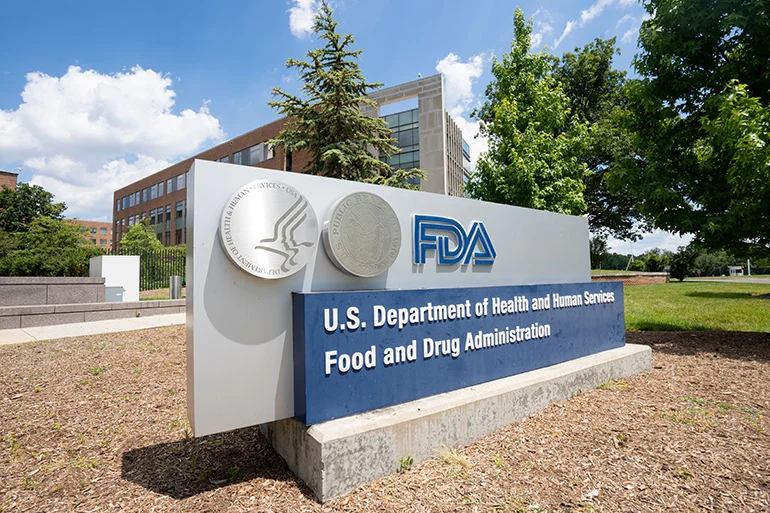
The U.S. Food and Drug Administration (FDA) has officially documented over 1,700 adverse event reports linked to the use of compounded semaglutide and tirzepatide, marking a significant escalation in concerns regarding the safety and oversight of the booming weight-loss drug market. As of May 31, 2026, the agency’s database reflected 990 reports associated with compounded semaglutide and more than 730 reports involving compounded tirzepatide. These figures, while substantial, are widely viewed by health experts and federal regulators as conservative estimates, as many state-licensed pharmacies operate without a federal mandate to report adverse events to the FDA.
The rise in reported complications coincides with a period of unprecedented expansion in the direct-to-consumer (DTC) telehealth market for GLP-1 receptor agonists. What began as a supply-chain necessity during the height of the Ozempic and Wegovy shortages has transformed into a complex, multi-billion-dollar industry often characterized by aggressive marketing, opaque supply chains, and a recurring reliance on a small network of common service providers.
The Evolution of the Compounding Boom
The market for compounded GLP-1s emerged in earnest following the FDA’s inclusion of Wegovy on its drug shortage list in March 2022, followed by Ozempic in August and tirzepatide in December of that same year. Under Section 503A of the Federal Food, Drug, and Cosmetic Act (FDCA), pharmacies are permitted to compound copies of FDA-approved drugs if the original medication is currently in shortage.

This narrow legal window invited a rapid influx of capital and entrepreneurial interest. By early 2026, the scale of the market had reached massive proportions. Financial reports suggest that companies like MEDVi, a gen-AI-driven entity operating within the space, were projected to generate $1.8 billion in sales for 2026, following a reported $401 million in 2025. However, this growth has been shadowed by regulatory scrutiny. In February 2026, the FDA issued a warning letter to MEDVi, alleging that the company’s branding practices—specifically labeling compounded products under its own name—misleadingly obscured the true source of the medications and implied an equivalence to FDA-approved, patent-protected drugs that does not exist in a clinical, regulatory, or manufacturing sense.
Patterns of Convergence: The "Playbook" Model
Investigations into the operational structures of these companies have revealed a recurring pattern. Multiple telehealth storefronts, including VitalSlim, MDRxLabs, and AltRx, appear to share identical infrastructure. This includes overlapping physician networks, shared pharmacy partners such as Triad Rx, and common medical-services providers like OpenLoop Health.
For instance, as of August 2026, several distinct consumer-facing websites displayed the same three physicians—Drs. David Mansour, Ana Lisa Carr, and Kelly Tenbrink—as the primary clinical leads. This level of convergence suggests a centralized model where a few "back-end" entities provide the medical credentialing and pharmacy fulfillment, while various "front-end" brands use different marketing strategies to capture diverse customer segments. Such consolidation has prompted class-action litigation, with plaintiffs alleging that these networks facilitate the sale of products—including purported oral versions of tirzepatide—that lack the proven clinical efficacy or absorption profile of the injectable, FDA-approved medications.
Safety and Dosing Risks
Beyond the regulatory and ethical concerns, the physical safety of patients remains a paramount concern for the FDA and toxicology experts. America’s Poison Centers reported a staggering 1,500% increase in GLP-1 agonist exposure cases between 2019 and 2025, totaling 22,966 cases. While a large portion of these incidents involved accidental therapeutic errors with standard, FDA-approved pens, the compounded market presents a unique, high-risk variable: dosage errors.

Compounded products are often sold as vials accompanied by separate syringes. Patients, many of whom are unfamiliar with clinical measurements, are tasked with drawing their own doses. The FDA has documented numerous 10-fold dosing errors resulting from confusion between milliliters (mL), units, and milligrams (mg). When a patient misinterprets a syringe graduation, they can inadvertently administer a dose significantly higher than what is safe, leading to severe gastrointestinal distress, extreme hypoglycemia, and other metabolic complications.
Regulatory Tightening and Legal Pushback
The window of legal "enforcement discretion" that allowed the rapid proliferation of compounded GLP-1s has largely closed. Following the resolution of the tirzepatide shortage in December 2024 and the semaglutide shortage in February 2025, the FDA officially ended its period of leniency on May 22, 2025.
The agency has since adopted a more aggressive posture. In addition to the warning letter sent to MEDVi, the FDA issued 30 warning letters in early 2026 and another 25 in June, explicitly citing violations of FDCA sections 502(a) and 502(n), which govern misbranding and prescription drug advertising.
The industry, however, has not remained passive. The Outsourcing Facilities Association, representing large-scale compounders, initiated litigation against the FDA in late 2024, challenging the agency’s determination that the shortages had been resolved. Simultaneously, pharmaceutical giants Novo Nordisk and Eli Lilly have launched a coordinated legal campaign to protect their intellectual property. Novo Nordisk has reported filing over 130 lawsuits across 40 states, securing dozens of permanent injunctions against companies selling unauthorized versions of their semaglutide products. Eli Lilly has taken similar steps, targeting both the pharmacies producing the drugs and the telehealth companies facilitating their distribution.

Legislative Intervention: The SAFE Drugs Act
In response to the mounting safety data and reports of predatory marketing, Congress has introduced the bipartisan SAFE Drugs Act of 2025. The legislation seeks to curtail the "essentially a copy" loophole by limiting the number of times a pharmacy can compound a drug that is commercially available to 20 units per month, unless a specific, medically necessary change is documented by the prescriber.
The bill remains under deliberation by the House Energy and Commerce Committee as of August 2026. Trade organizations such as the Alliance for Pharmacy Compounding and the National Community Pharmacists Association have lobbied heavily against the proposed limits, arguing that such restrictions would unduly hinder patient access to medications and disrupt the legitimate practice of pharmacy compounding.
Broader Implications for Healthcare Transparency
The saga of compounded GLP-1s serves as a cautionary tale regarding the intersection of rapid technological adoption in healthcare and regulatory oversight. The reliance on AI-driven platforms to manage massive patient intake volumes, coupled with a supply chain that often hides the identity of the manufacturer, has created an environment where patient safety is increasingly difficult to verify.
Reports of "ghost" pharmacies—facilities that do not exist or were not involved in the creation of the products they are linked to—highlight the extreme risks inherent in the current model. Furthermore, the consumer experience has become a focal point of concern, with many users reporting difficulty in canceling recurring, high-cost subscriptions and experiencing hidden, unauthorized charges.
As the industry faces a potential reckoning, the core issue remains the balance between legitimate, individualized medicine and the mass-production of knock-off pharmaceuticals. With the FDA now firmly focused on enforcing compliance and the legal system increasingly skeptical of the "telehealth-as-a-service" model for prescription drugs, the next twelve months are likely to see a significant contraction in the number of active players in the compounded GLP-1 market. For the patient, the primary takeaway from the current climate is a heightened need for vigilance: the FDA continues to emphasize that only FDA-approved, manufacturer-produced GLP-1 medications offer the clinical assurance of safety, purity, and consistent dosing.