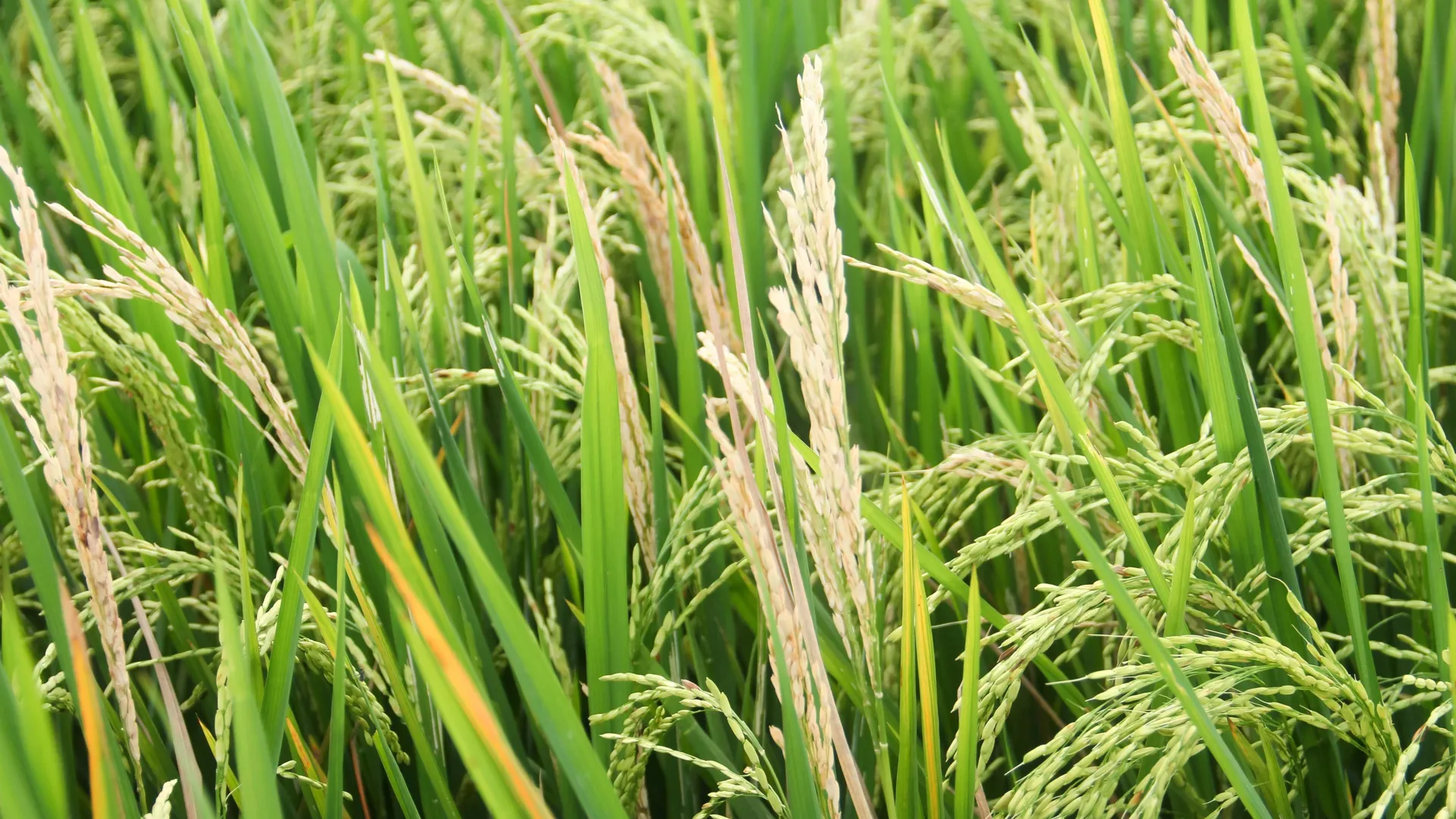
A transformative breakthrough in plant pathology has emerged from an international collaboration, signaling a potential shift in how humanity protects its most vital cereal crops. Researchers led by the John Innes Centre in the United Kingdom, in partnership with Kobe University in Japan, have successfully engineered plant immune receptors to recognize and thwart the devastating fungus Magnaporthe oryzae. This pathogen, the culprit behind blast disease, represents one of the most significant threats to global food security, currently destroying enough rice annually to sustain 60 million people. By unlocking the mechanics of a specialized class of proteins known as tandem kinase proteins (TKPs), scientists have opened a new frontier in the quest to build durable, disease-resistant agriculture.
The Pathogen: A Persistent Threat to Global Stability
Magnaporthe oryzae is a formidable adversary. Known for its rapid spread and ability to evolve, the fungus utilizes a sophisticated "stealth" strategy. It secretes specialized proteins called effectors into the host plant’s cells. These molecules act as biological saboteurs, dismantling the plant’s internal defenses and hijacking cellular machinery to facilitate fungal growth.
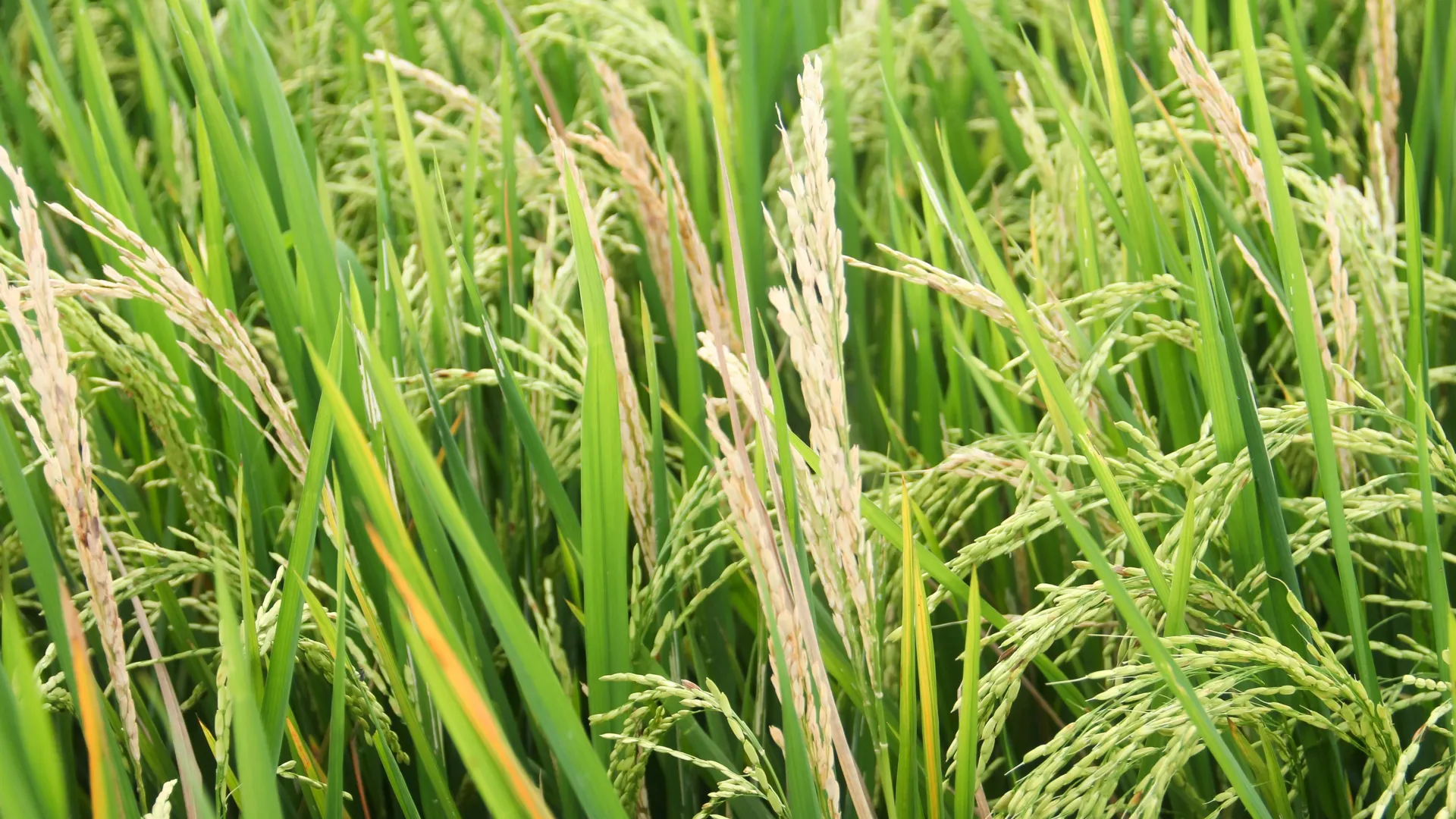
The historical trajectory of blast disease is alarming. While first identified in Brazil in the 1980s, the fungus has demonstrated a remarkable capacity to cross borders and adapt to new climates. It has since migrated across Asia and Africa, devastating wheat, rice, and barley yields. Experts warn that as global temperatures shift, regions previously considered safe—including parts of Northern Europe—may soon face the prospect of fungal infestations. The economic and humanitarian implications are severe; as the global population moves toward a projected 10 billion by 2050, the stability of these core cereal crops is non-negotiable.
Chronology of Immune Discovery
For over three decades, the scientific community’s efforts to combat fungal pathogens were almost exclusively focused on a family of proteins known as Nucleotide-binding and leucine-rich receptors (NLRs). These proteins function as a primary surveillance system, scanning for pathogen presence and triggering a "scorched earth" response—inducing cell death in infected areas to prevent the spread of the fungus.
However, pathogens have become increasingly adept at bypassing these traditional defenses through rapid mutation. This led researchers to pivot toward a secondary, less understood class of receptors: the tandem kinase proteins (TKPs). TKPs represent a distinct evolutionary branch of plant immunity. Recent structural analyses revealed that some TKPs possess a "Heavy Metal Associated" (HMA) domain, a structural motif that acts as a sensor. It was this discovery that galvanized the current research. By identifying how these HMA domains physically bind to fungal effectors, the team at the John Innes Centre hypothesized that these sensors could be "re-wired" to detect a broader array of fungal threats than they were naturally evolved to recognize.
Structural Biology and the Mechanics of Defense
The recent study, published in the journal Science Advances, utilized advanced biophysical techniques, including X-ray crystallography, to map the interaction between plant receptors and fungal effectors at an atomic level. This provided the researchers with a high-resolution "blueprint" of the binding process.
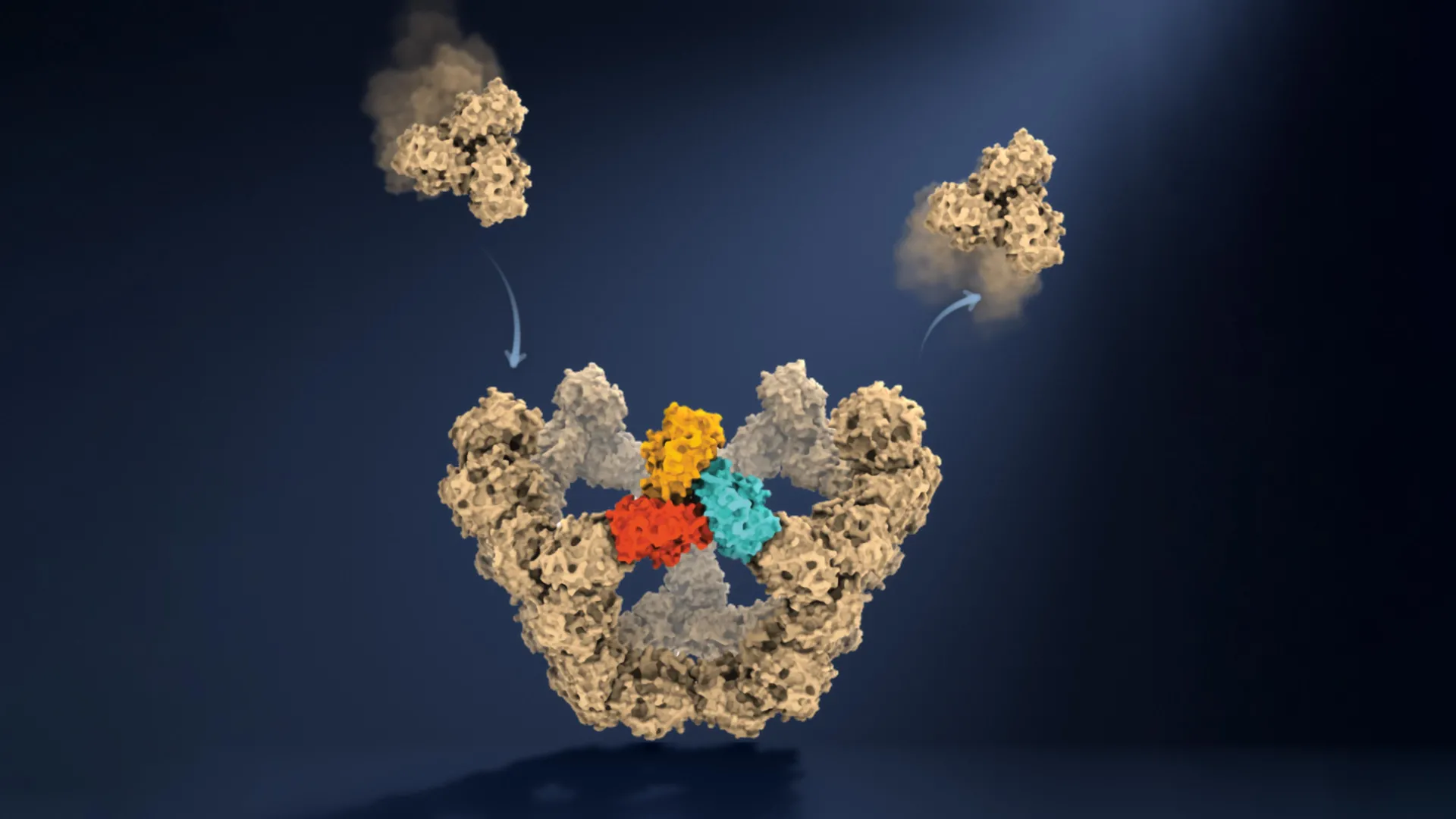
The team discovered that HMA domains function much like biological bait. When a fungal effector interacts with the domain, it triggers a signaling cascade that warns the plant of an invasion. Leveraging this structural insight, the researchers performed protein engineering on the TKP receptors. By making precise amino acid alterations at the binding site, they successfully expanded the receptor’s capability to recognize two distinct fungal effectors simultaneously.
This achievement, known as "dual specificity," is a watershed moment in agricultural biotechnology. In nature, immune receptors are typically tuned to specific, singular threats. The ability to artificially introduce multi-target detection means that a single engineered receptor could theoretically provide a shield against several different strains or species of fungus, significantly increasing the difficulty for the pathogen to overcome the host’s resistance.
Official Perspectives and Scientific Consensus
Professor Mark Banfield, the lead author of the study, emphasized the strategic nature of this research. "We have discovered something that could lead to a potential intervention for the worst fungal disease of cereals," he stated. Dr. Daniel Yu, the study’s first author, noted the implications for future engineering, explaining that the methodologies historically applied to NLRs are proving to be highly effective for this new class of TKP receptors as well.
The research community has received these findings with cautious optimism. Agricultural scientists outside the study note that while the shift from cellular models to field-ready crops is complex, the fundamental mechanism—the modularity of HMA domains—is highly promising. If the success observed in wheat cell protoplasts can be replicated in full-scale greenhouse trials, it could revolutionize the development of "stacked-trait" crops.
The Strategy of Stacking Defenses
The ultimate goal of this research is to create a multi-layered immune system within cereal crops. By "stacking" genes that encode both NLRs and TKPs, scientists could create a plant that defends itself on two different signaling fronts. Because these two protein classes likely activate immunity through different cellular pathways, the pathogen would be forced to overcome two entirely separate, sophisticated defense mechanisms simultaneously.
"If we can use techniques to stack genes encoding TKPs and NLRs together," Professor Banfield added, "we could effectively create a super-resistant crop. They will have different ways of activating immunity, so it is likely to be much more difficult for a pathogen to evolve away from."
Implications for Global Food Security
The implications of this research extend far beyond the laboratory. Current agricultural practices rely heavily on chemical fungicides, which are not only expensive but also subject to environmental regulations and the risk of the fungus developing chemical resistance. Genetic resistance, built directly into the crop, offers a sustainable, cost-effective, and environmentally friendly alternative.
Furthermore, the integration of artificial intelligence and precision breeding into this workflow could accelerate the timeline for bringing these crops to market. As researchers continue to map the structures of various fungal effectors, AI models could predict which amino acid changes to the plant receptors would provide the best defense, effectively turning the plant’s immune system into a dynamic, adaptable tool.
However, the transition from experimental proof-of-concept to global agricultural implementation faces hurdles. Regulatory frameworks for genetically engineered crops vary significantly by region. Additionally, the longevity of these engineered resistances must be rigorously tested under diverse environmental conditions to ensure that they remain effective across different climates and agricultural management styles.
A New Chapter in Crop Protection
As the global climate continues to shift, the pressure on the world’s agricultural infrastructure will only intensify. The emergence of Magnaporthe oryzae in new territories is a stark reminder of the volatility of modern food systems. By moving beyond traditional defensive models and embracing the engineering of tandem kinase proteins, the scientific community is taking a proactive stance.
The work performed at the John Innes Centre and Kobe University provides a roadmap for the next generation of disease-resistant crops. While years of further testing remain—transitioning from protoplasts to controlled greenhouse environments, and eventually to open-field trials—the proof-of-concept is solid. By turning the molecular weapons of the blast fungus against itself, researchers have identified a way to ensure that wheat, rice, and barley remain viable, secure, and productive for the growing global population. The path toward a more resilient food future is now clearer, defined by the ability to engineer the very biological barriers that define the survival of the world’s most critical harvests.