


In a landmark achievement for regenerative medicine and developmental biology, researchers from the Wellcome Sanger Institute, alongside an international consortium of collaborators, have successfully mapped the first comprehensive "blueprint" of the human skeleton’s early development. Published on November 20 in the journal Nature, this study provides an unprecedented view into the cellular pathways and genetic signals that govern how the human frame is constructed from the earliest stages of life. As part of the global Human Cell Atlas (HCA) initiative—a massive collaborative effort to map every cell type in the human body—this research offers a transformative resource for understanding congenital deformities, adult bone diseases, and the potential risks of pharmaceutical interventions during pregnancy.
By employing sophisticated single-cell genomics and spatial transcriptomics, the research team identified the precise location and function of cells involved in the formation of bone and cartilage. This data-rich atlas covers the critical window of the first trimester, specifically from 5 to 11 weeks post-conception. During this period, the foundations of the human skeletal system are laid, moving from primitive clusters of mesenchymal cells to the complex architecture of joints, limbs, and the cranium. The findings not only clarify how the skeleton grows but also provide a molecular explanation for why certain individuals are more prone to degenerative conditions like osteoarthritis later in life.
The Technological Foundation of the Skeletal Atlas
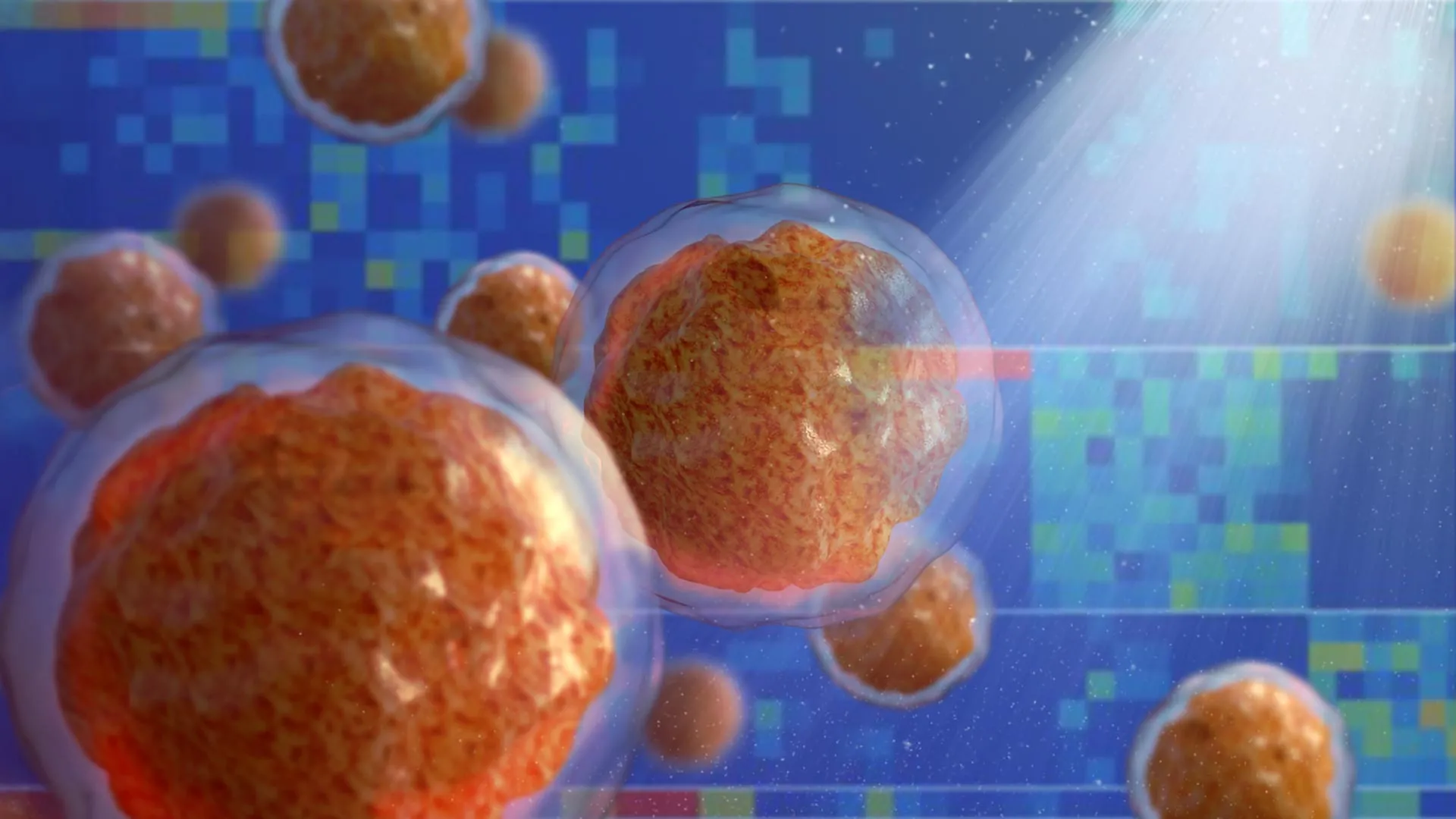
The creation of this atlas was made possible by a suite of cutting-edge genomic technologies that allow scientists to see the human body in higher resolution than ever before. Traditional microscopy can show the shape of developing bones, but it cannot reveal the internal "conversations" happening between cells. To overcome this, the researchers used single-cell RNA sequencing (scRNA-seq), which measures the activity of thousands of genes in individual cells simultaneously.
By combining this with spatial transcriptomics—a method that maps where these gene-active cells are located within a tissue—the team was able to build a three-dimensional map of skeletal development. This "Google Maps" of the human skeleton allows researchers to zoom in on a single cell in a developing finger or zoom out to see how the entire limb is being patterned. This study is part of a broader release of more than 40 HCA publications in the Nature Portfolio, marking a significant milestone in the quest to catalog the 37 trillion cells that make up a human being.
Decoding the Cartilage Scaffold and Bone Mineralization
A primary revelation of the study is the intricate relationship between cartilage and bone. For the majority of the human skeleton, bone does not appear spontaneously. Instead, the body first builds a "scaffold" made of cartilage. As development progresses, this cartilage is systematically replaced by bone tissue through a process known as endochondral ossification.
The atlas provides a step-by-step breakdown of this transition. It identifies the specific precursor cells that transform into chondrocytes (cartilage cells) and subsequently the osteoblasts (bone-forming cells) that follow in their wake. This process is universal across the limbs and spine, but the researchers discovered a notable exception in the skull.
The top of the skull, or the calvarium, develops through a different mechanism called intramembranous ossification, where bone forms directly within mesenchymal tissue without a cartilage precursor. The study mapped these unique cell types in the calvarium for the first time, identifying the specific gene networks that ensure the skull remains flexible enough to accommodate a rapidly growing brain while eventually hardening to provide protection.
Understanding Craniosynostosis and Congenital Conditions
One of the most immediate clinical applications of the skeletal atlas lies in the study of craniosynostosis. In healthy development, a newborn’s skull contains "soft spots" or sutures—fibrous joints that allow the skull to expand as the brain grows. These sutures typically fuse between the ages of one and two. However, in cases of craniosynostosis, these joints fuse prematurely, often before birth.
If left untreated, craniosynostosis can lead to severe complications, including increased intracranial pressure, permanent brain damage, vision impairment, and hearing loss. While physicians have long known that certain genetic mutations cause this condition, they lacked a clear understanding of which specific cells were being affected by those mutations.
The Sanger Institute team used the atlas to pinpoint the exact early bone cells disrupted by these genetic variants. By observing how these cells behave in the "blueprint," they could see how the premature fusion is triggered at a molecular level. This discovery opens the door to new diagnostic tools that could identify the condition earlier and potentially lead to non-surgical therapeutic targets that could slow or regulate the fusion process.
The Developmental Origins of Osteoarthritis
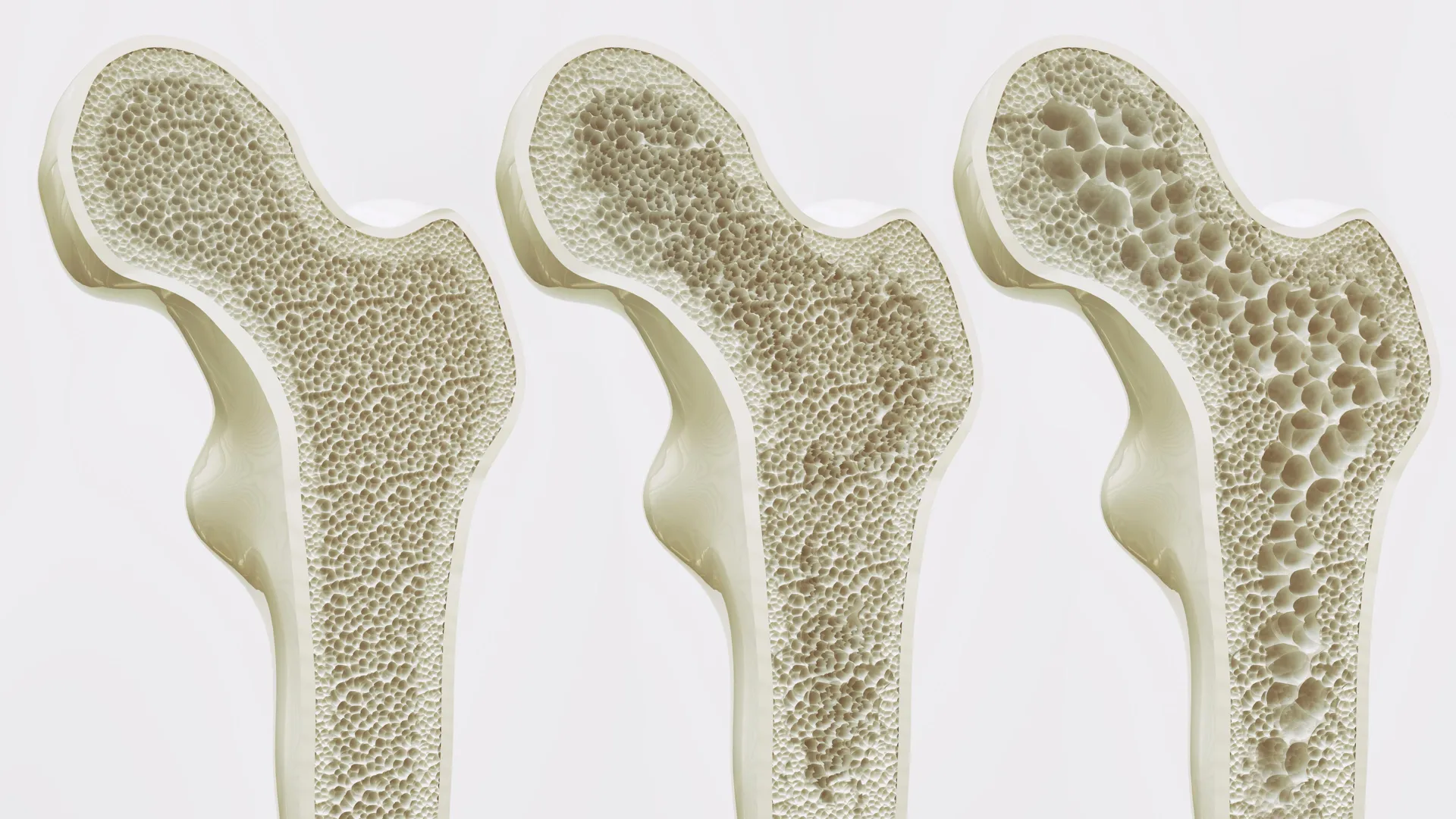
While much of the study focused on the beginning of life, its implications stretch into old age. Osteoarthritis (OA) is the most prevalent joint disorder globally, characterized by the breakdown of protective cartilage, leading to pain, stiffness, and loss of mobility. In the UK alone, millions of people suffer from OA, often requiring total joint replacements because adult cartilage has a very limited capacity for self-repair.
The researchers compared the genetic signatures of early developmental cells with large-scale genetic studies of adult osteoarthritis patients. They found a striking correlation: genetic variants associated with an increased risk of hip osteoarthritis were active in the very early stages of bone cell development. Conversely, genetic variants linked to knee osteoarthritis were more closely tied to the pathways involved in cartilage repair and maintenance.
This suggests that the "seeds" of arthritis may be sown during the first trimester of pregnancy. If a person’s genetic blueprint for cartilage formation is slightly altered during development, their joints may be less resilient to the wear and tear of adult life. Understanding these early pathways could lead to "regenerative" treatments that attempt to re-activate embryonic growth programs in adult tissues to repair damaged joints.
Pharmaceutical Safety and the Developing Skeleton
Beyond disease pathology, the skeletal atlas serves as a vital safety tool for modern medicine. The researchers used the atlas to screen 65 clinically approved drugs that are currently contraindicated or not recommended during pregnancy. By mapping the receptors and pathways these drugs target, the team was able to show exactly where and how these medications might interfere with skeletal growth.
This provides a new framework for "predictive toxicology." Instead of relying solely on animal models—which often fail to replicate human developmental nuances—scientists can now use the human skeletal atlas to predict whether a new drug might cause limb deformities or bone growth issues. This has the potential to make pregnancy safer and help pharmaceutical companies develop drugs that avoid these critical developmental pathways.
Expert Perspectives on the "Blueprint"
The leadership behind the study emphasized the collaborative and open-source nature of the project. Dr. Ken To, co-first author from the Wellcome Sanger Institute, noted the profound potential for tissue engineering. "Having this ‘blueprint’ of bone formation can also help us develop effective ways to grow bone and cartilage cells in a dish, which has enormous therapeutic potential," he stated. He highlighted that by giving context to DNA variants, the research bridges the gap between abstract genetics and physical anatomy.
Dr. Jan Patrick Pett, also a co-first author, focused on the computational achievement of the project. "Our multi-layered, time- and space-resolved atlas enabled novel computational analyses, which we used to create an integrated view of how developmental processes are regulated," Pett explained. He noted that the clarity provided by this atlas could be the key to unlocking treatments for conditions that have remained elusive for decades.
Professor Sarah Teichmann, a co-founder of the Human Cell Atlas and a senior author on the study, underscored the global significance of the work. "This detailed atlas of bone development in space and time is coordinated with other studies which brings the entire Human Cell Atlas initiative one step closer to fully understanding what happens in the human body across development, health, and disease," she said.
Timeline of Skeletal Development (First Trimester)
The study outlines a specific chronology of events that define the formation of the human frame:
- Weeks 5-6: Mesenchymal cells begin to condense in areas where limbs will form. The first signals for cartilage "templates" are initiated.
- Weeks 7-8: Cartilage scaffolds for the long bones (arms and legs) become distinct. The first signs of intramembranous ossification appear in the jaw and parts of the skull.
- Weeks 9-10: Primary ossification centers begin to appear in the cartilage scaffolds. Blood vessels begin to invade the cartilage, bringing in bone-forming cells (osteoblasts).
- Week 11: The basic architecture of the skeleton is established. The joints have begun to form, and the distinction between different cell types in the skull sutures becomes visible.
Broader Implications and Future Research
The release of the human skeletal atlas marks the beginning of a new era in orthopedic and pediatric research. Because the data is freely available to the global scientific community, researchers in every country can now use this "blueprint" to further their own studies into bone cancer, rare skeletal dysplasias, and the mechanics of bone healing.
In the long term, the insights gained from this atlas could lead to the development of bioengineered bone for transplants that perfectly mimics the natural cellular structure of a patient. It also provides a baseline for understanding how environmental factors, such as maternal nutrition or exposure to toxins, might alter the trajectory of a child’s skeletal health before they are even born.
As the Human Cell Atlas continues to expand, the skeletal blueprint will be integrated with maps of the muscular, nervous, and circulatory systems, eventually providing a complete, cell-by-cell understanding of how a single fertilized egg becomes a complex, living human being. This study is not just a map of the past; it is a guide for the future of personalized and regenerative medicine.












Leave a Reply