Researchers at the Federal University of Technology Owerri (FUTO) in Nigeria have identified Water-in-Diesel Emulsion (WiDE) technology as a potentially transformative solution for mitigating harmful emissions from diesel engines, a critical step towards improving air quality and public health globally. Their comprehensive analysis of existing research indicates that incorporating small quantities of water into diesel fuel, stabilized by surfactants, can dramatically reduce pollutants like nitrogen oxides (NOx) and particulate matter (PM) without compromising, and in some cases even enhancing, engine efficiency. This finding is particularly significant given the continued reliance on diesel engines across numerous sectors and the escalating pressure to meet increasingly stringent emissions regulations.
The Persistent Challenge of Diesel Emissions
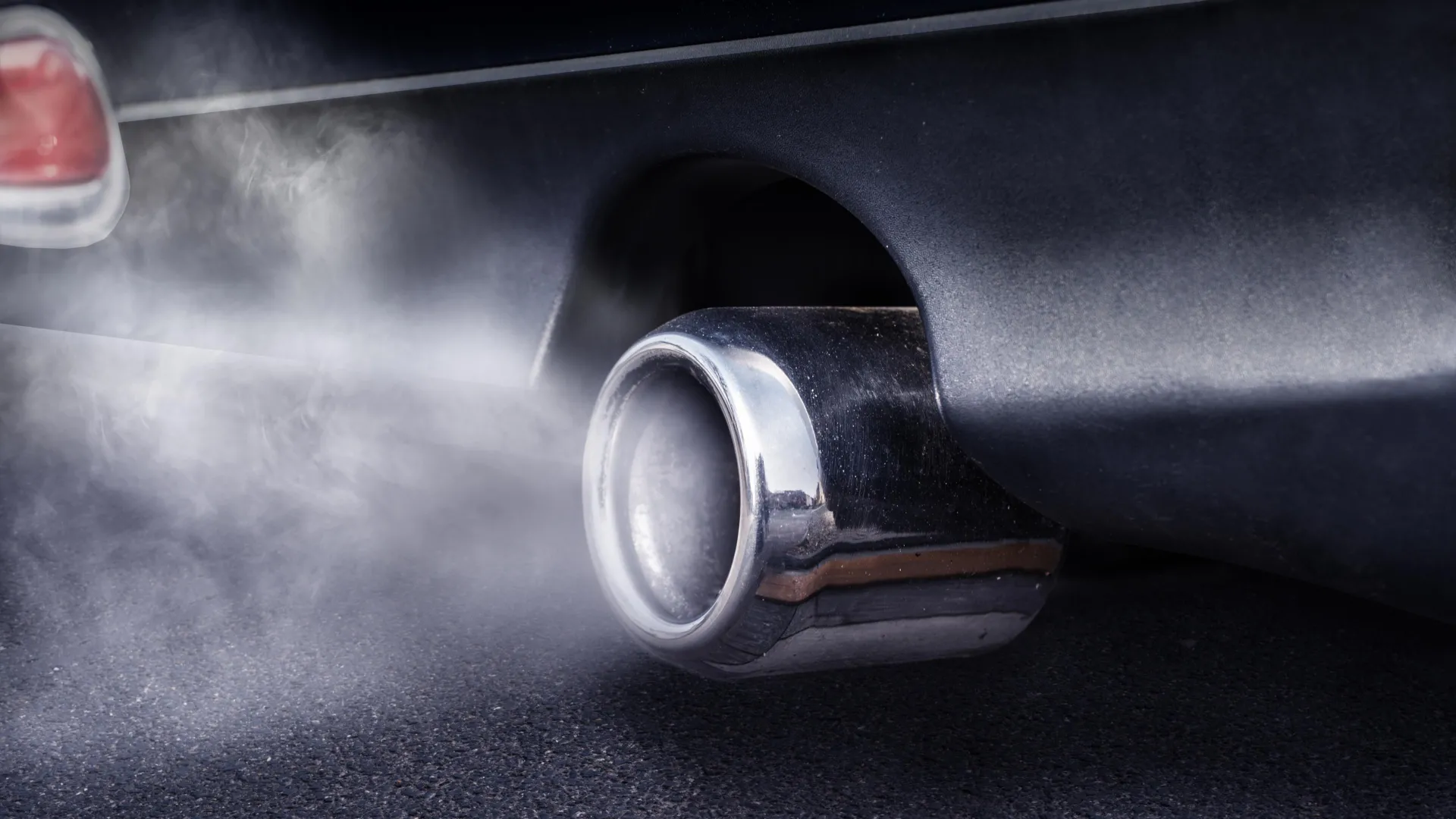
Diesel engines, renowned for their durability, fuel efficiency, and high torque output, remain a cornerstone of global transportation, powering heavy-duty trucks, buses, trains, and marine vessels. They are also vital in agriculture, construction, and industrial applications. However, this widespread utility comes at a significant environmental cost. Diesel combustion inherently produces higher levels of NOx and PM compared to gasoline engines.
NOx contributes to the formation of smog and acid rain, while PM, particularly fine particulate matter (PM2.5), poses severe respiratory and cardiovascular health risks. The International Agency for Research on Cancer (IARC) classifies diesel engine exhaust as a Group 1 carcinogen – meaning there is sufficient evidence to conclude it causes cancer in humans. According to the World Health Organization (WHO), air pollution, largely driven by combustion engines, is responsible for an estimated 7 million premature deaths annually worldwide.
Existing emission control technologies, such as Selective Catalytic Reduction (SCR) systems for NOx and Diesel Particulate Filters (DPF) for PM, are effective but add substantial cost and complexity to engine design and maintenance. These systems also require additional infrastructure for reagent supply (like urea for SCR) and periodic regeneration, creating logistical challenges. The search for simpler, more cost-effective, and readily implementable solutions has been ongoing for decades.
A History of Water-in-Fuel Concepts
The concept of using water as a combustion modifier isn’t new. Early experiments dating back to the 1930s explored water injection into internal combustion engines, primarily to increase power output in aircraft engines during World War II. This was achieved through evaporative cooling, allowing for higher compression ratios and reduced knocking. However, these systems were complex and not easily adaptable to everyday vehicles.
The modern iteration, WiDE technology, differs significantly. It focuses on creating a stable emulsion – a mixture of two immiscible liquids (water and diesel) – using surfactants. This approach allows for a more controlled and consistent introduction of water into the combustion chamber. Research into WiDE gained momentum in the 1980s and 90s, spurred by growing concerns about diesel emissions. However, challenges related to emulsion stability, surfactant cost, and potential corrosion issues hindered widespread adoption. Recent advancements in surfactant chemistry and a renewed focus on sustainable transportation have revitalized interest in the technology.
How WiDE Technology Works: A Micro-Explosion Effect
The core principle behind WiDE’s effectiveness lies in the unique combustion dynamics it creates. When a WiDE fuel mixture is injected into the hot combustion chamber, the water droplets rapidly vaporize due to the intense heat. This rapid phase change causes a “micro-explosion,” a localized disruption of the fuel-air mixture.
This micro-explosion serves several crucial functions:
- Enhanced Fuel Atomization: The explosion breaks down the diesel fuel into significantly smaller droplets, increasing the surface area available for combustion.
- Improved Air-Fuel Mixing: The disruption promotes more thorough mixing of air and fuel, leading to a more homogeneous mixture.
- Reduced Peak Combustion Temperatures: The vaporization of water absorbs heat, lowering the overall combustion temperature.
- Increased Hydroxyl Radical (OH) Formation: Lower temperatures favor the formation of hydroxyl radicals, which accelerate the oxidation of unburned hydrocarbons and reduce soot formation.
These combined effects result in more complete combustion, minimizing the formation of harmful pollutants. The FUTO researchers’ analysis confirms these mechanisms, citing numerous studies demonstrating significant reductions in both NOx and PM emissions.
FUTO’s Comprehensive Analysis: Key Findings
The FUTO team, led by Dr. Chukwuemeka Fortunatus Nnadozie and Professor Emeka Emmanuel Oguzie, conducted a meta-analysis of over 50 peer-reviewed research papers published between 2000 and 2023. Their review focused on the performance of diesel engines operating on WiDE fuel with varying water concentrations (typically 5-20% by volume) and different surfactant formulations.
The analysis revealed the following key findings:
- NOx Reduction: WiDE consistently reduced NOx emissions, with an average reduction of 35%, and in some cases, as high as 67%. The reduction was most pronounced at lower water concentrations.
- Particulate Matter Reduction: PM emissions were also significantly reduced, averaging a 42% decrease, with peak reductions reaching 68%. The reduction in PM was particularly notable for smaller, more harmful particles (PM2.5 and PM10).
- Brake Thermal Efficiency: Surprisingly, several studies reported improvements in brake thermal efficiency – a measure of engine efficiency – when using WiDE fuel. Average improvements ranged from 2-5%, indicating that engines could potentially achieve the same power output with less fuel consumption.
- Surfactant Performance: The choice of surfactant significantly impacted emulsion stability and combustion quality. Mixtures of multiple surfactants generally outperformed single-surfactant formulations, providing better stability and promoting more complete combustion. Non-ionic surfactants were found to be particularly effective.
- Emulsion Stability: Stable emulsions, capable of maintaining their homogeneity for at least 60 days, were crucial for reliable engine performance. Factors affecting stability included water concentration, surfactant type and concentration, fuel temperature, and storage conditions.
Implications and Potential for Widespread Adoption
The FUTO research suggests that WiDE technology offers a viable pathway to reduce diesel emissions without requiring costly engine modifications. This is particularly important for developing countries, where older diesel vehicles are prevalent and the financial resources for upgrading to newer, cleaner technologies are limited.
“Water-in-diesel emulsions are a practical and cost-effective way to make diesel engines cleaner,” stated Dr. Nnadozie. “Because the technology does not require redesigning the engine, it offers an immediate path toward lower emissions in developing and developed countries alike.”
However, several challenges remain before WiDE can be widely adopted.
- Surfactant Cost and Availability: The cost of effective surfactants can be a significant factor, particularly in price-sensitive markets. Research into more affordable and readily available surfactant options is crucial.
- Long-Term Engine Durability: While short-term studies have shown promising results, the long-term effects of WiDE fuel on engine components (e.g., fuel injectors, fuel pumps, corrosion) need further investigation.
- Fuel Storage and Handling: Maintaining emulsion stability during storage and transportation is essential. Optimizing surfactant formulations and storage conditions will be critical.
- Regulatory Approval: WiDE fuel will require regulatory approval from governing bodies like the Environmental Protection Agency (EPA) in the United States and the European Commission before it can be commercially deployed.
Future Research and Synergistic Technologies
The FUTO team emphasizes the need for continued research to address these challenges. Future studies should focus on:
- Optimizing Surfactant Combinations: Identifying the most effective and cost-efficient surfactant blends for different diesel fuel types and operating conditions.
- Evaluating Long-Term Engine Effects: Conducting comprehensive durability testing to assess the impact of WiDE fuel on engine components over extended periods.
- Investigating the Use of Biodiesel: Exploring the potential synergies between WiDE technology and biodiesel, a renewable diesel alternative. Combining WiDE with biodiesel could further reduce emissions and enhance engine performance.
- Integrating with Advanced Emission Control Systems: Investigating the potential benefits of combining WiDE with existing emission control technologies, such as DPFs and SCR systems, to achieve even greater emission reductions.
Professor Oguzie concluded, “This technology can bridge the gap between conventional diesel use and a cleaner energy future. With proper formulation and testing, it could become an important part of sustainable transportation and industrial power systems.” The FUTO research provides a compelling case for further investment in WiDE technology, offering a potentially significant contribution to global efforts to improve air quality and mitigate the environmental impact of diesel engines.