Researchers from the VIB-KU Leuven Center for Brain & Disease Research have published a seminal study in the journal Nature Neuroscience that provides the first comprehensive mechanical explanation for how the Alzheimer’s drug lecanemab—marketed as Leqembi—clears toxic protein deposits from the brain. The study identifies a specific component of the antibody, the Fc fragment, as the indispensable "anchor" required to activate the brain’s resident immune cells, known as microglia. By resolving the long-standing mystery of lecanemab’s mode of action, the findings offer a blueprint for the development of next-generation Alzheimer’s therapies that could be both more effective and safer for patients.
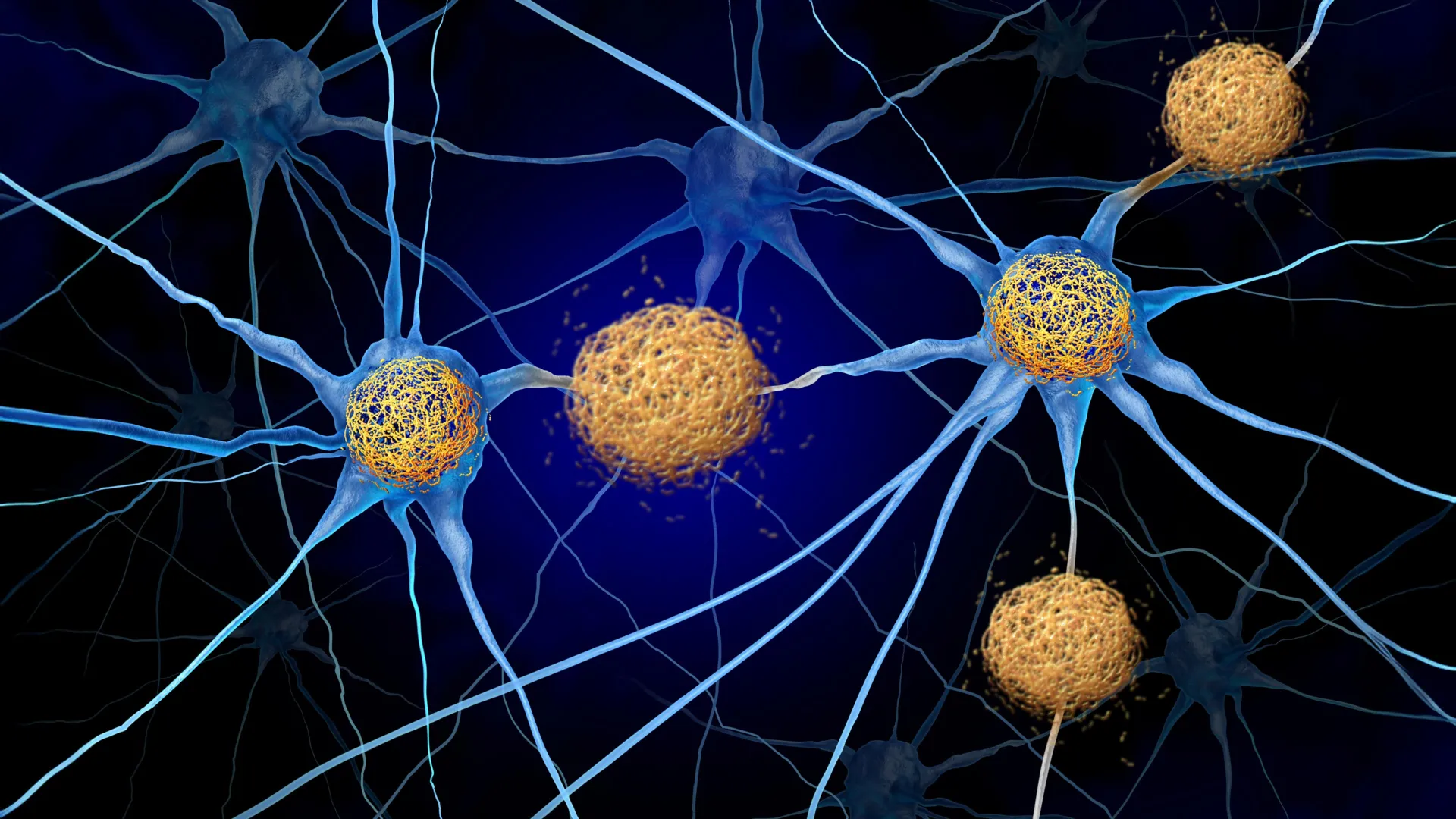
Alzheimer’s disease remains one of the most significant global health challenges of the 21st century. Characterized by the progressive accumulation of amyloid-beta plaques and tau tangles, the condition leads to irreversible cognitive decline and dementia. While the "amyloid hypothesis"—the theory that removing these plaques can slow the disease—has been the cornerstone of drug development for decades, the precise biological processes through which antibodies facilitate this clearance have remained a subject of intense scientific debate. The work led by Professor Bart De Strooper and co-first authors Dr. Giulia Albertini and Magdalena Zielonka provides the definitive evidence that microglial intervention, mediated specifically by the antibody’s Fc region, is the primary driver of therapeutic success.
The Global Burden of Alzheimer’s Disease
The urgency of this research is underscored by the escalating global impact of Alzheimer’s. According to the World Health Organization (WHO), more than 55 million people are currently living with dementia, a figure projected to rise to 139 million by 2050 as populations age. Alzheimer’s accounts for an estimated 60% to 70% of these cases.
For decades, treatment options were limited to managing symptoms rather than altering the course of the disease. The emergence of monoclonal antibodies like lecanemab represents a paradigm shift. However, these treatments have been met with both optimism and caution due to their modest efficacy in some patients and the risk of serious side effects, such as Amyloid-Related Imaging Abnormalities (ARIA), which involve brain swelling or microhemorrhages. Understanding the molecular mechanics of these drugs is essential for maximizing their clinical benefit while minimizing risks.
The Role of Microglia in the Alzheimer’s Brain
Microglia are the primary immune cells of the central nervous system, acting as the brain’s first line of defense. In a healthy brain, they perform essential tasks such as clearing cellular debris and pruning synapses. In the context of Alzheimer’s, microglia naturally migrate toward amyloid-beta plaques, but they often become "exhausted" or dysfunctional, failing to ingest and break down the toxic deposits.
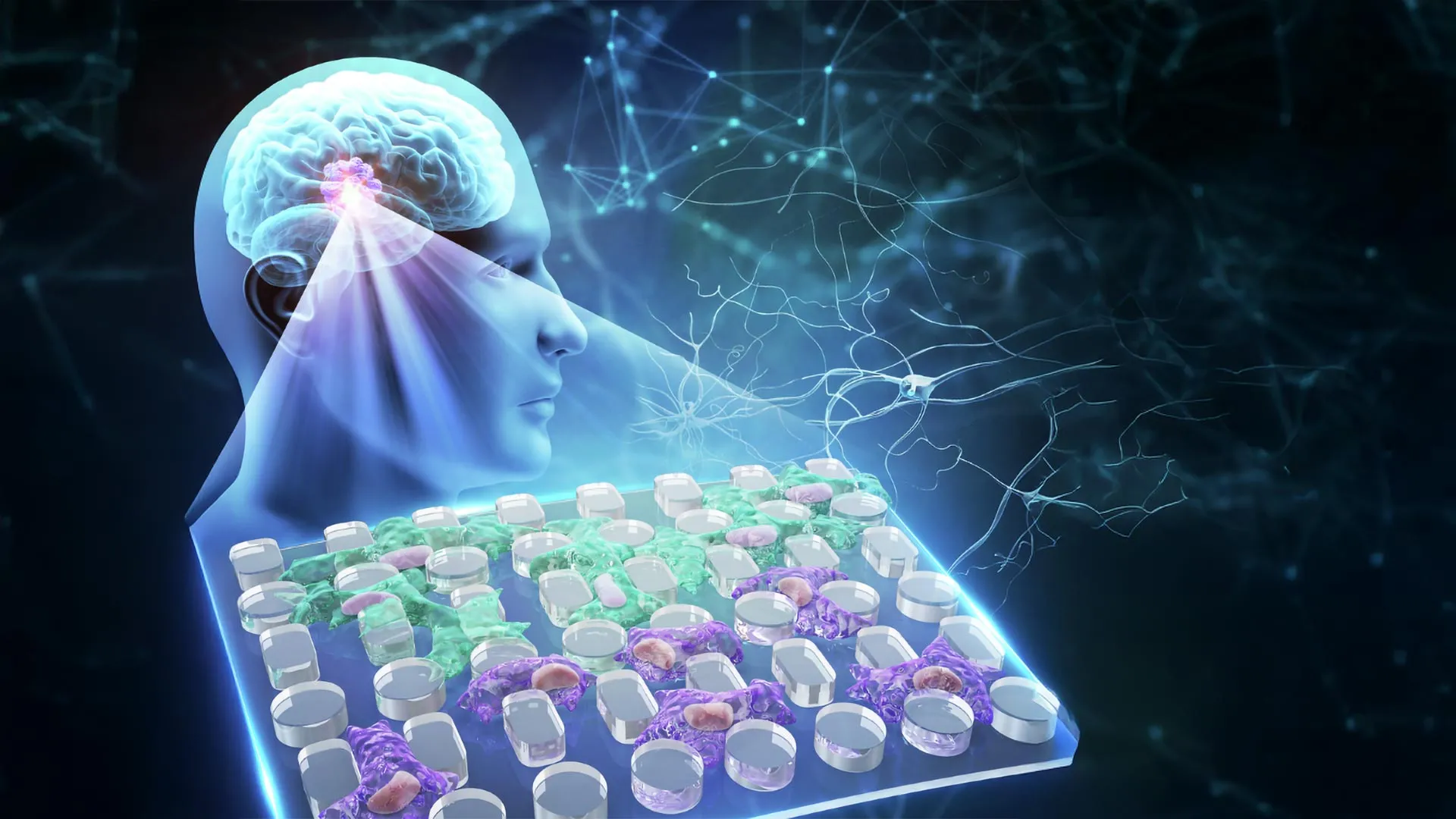
The VIB-KU Leuven study reveals that lecanemab does not simply dissolve plaques on its own. Instead, it acts as a molecular bridge. The antibody consists of two primary regions: the F(ab’)2 fragment, which binds to the amyloid-beta protein, and the Fc fragment, which interacts with receptors on the surface of microglia. The researchers demonstrated that when the Fc fragment is present and functional, it "reprograms" the microglia, shifting them from a passive state to an active, plaque-clearing state.
Breakthrough Methodology: Humanized Models and NOVA-ST
To achieve these insights, the research team employed a sophisticated "chimeric" mouse model. Because mouse microglia differ significantly from human microglia in their response to Alzheimer’s pathology, the scientists transplanted human microglial cells into the brains of Alzheimer’s-modeled mice. This allowed the team to observe the interaction between a human-targeted antibody and human immune cells within a living biological system.
"The fact that we used human microglia within a controlled experimental model was a major strength of our study," noted Magdalena Zielonka. "This allowed us to test the very antibodies used in patients and observe human-specific responses with unprecedented resolution."
The team utilized a cutting-edge technique called NOVA-ST (Niche-Object-Variable Analysis with Spatial Transcriptomics), developed by the Stein Aerts lab at VIB-KU Leuven. This method enabled the researchers to map gene activity within individual cells while maintaining information about their physical location relative to amyloid plaques. The analysis identified a specific gene expression signature in the microglia that successfully cleared plaques, characterized by high levels of the gene SPP1 (which encodes the protein osteopontin). This genetic "program" was only activated when the microglia were able to bind to the Fc fragment of the lecanemab antibody.
Experimental Findings: The Essential Nature of the Fc Fragment
A critical component of the study involved comparing the standard lecanemab antibody with a version that lacked the Fc fragment. In the absence of this fragment, the antibody still bound to the amyloid plaques, but the plaques remained untouched by the microglia. The immune cells did not undergo the necessary reprogramming, and no significant clearance occurred.
This finding settles a long-standing controversy in the field. Some scientists had previously hypothesized that antibodies might work through a "sink effect"—drawing amyloid out of the brain into the blood—or by simply preventing the aggregation of new plaques without requiring immune cell intervention. The VIB-KU Leuven data provides clear proof that microglial phagocytosis (the process of engulfing and digesting particles) and lysosomal activity (cellular waste disposal) are the primary mechanisms of action, and these are strictly dependent on the Fc-microglia connection.
Clinical Implications and the Future of Treatment
The discovery that the Fc fragment is the engine of plaque clearance has profound implications for the pharmaceutical industry. Currently, lecanemab is administered via intravenous infusion, and its use is limited by the risk of ARIA. The side effects are believed to be related to the inflammatory response triggered when antibodies bind to amyloid located in the walls of the brain’s blood vessels.
Professor Bart De Strooper suggests that by understanding the specific microglial pathways involved—such as the activation of the SPP1 gene—researchers may be able to develop drugs that bypass the need for antibodies entirely. "This opens doors to future therapies that may activate microglia without requiring antibodies," De Strooper explained. "Understanding the importance of the Fc fragment helps guide the design of next-generation Alzheimer’s drugs."
Such future treatments could potentially involve small molecules that directly stimulate the microglial "cleanup" program, potentially reducing the risk of ARIA and making treatment more accessible and affordable.
A Chronology of Alzheimer’s Antibody Development
The path to lecanemab has been marked by decades of trial and error:
- 1990s: The amyloid hypothesis is formulated, suggesting that amyloid-beta buildup is the primary driver of Alzheimer’s.
- 2002: The first clinical trials for an amyloid vaccine (AN-1792) are halted due to brain inflammation in participants.
- 2010s: Multiple large-scale trials of antibodies like bapineuzumab and solanezumab fail to meet primary endpoints of cognitive improvement.
- 2021: The FDA grants accelerated approval to aducanumab (Aduhelm), a controversial decision that sparked debate over the drug’s efficacy and cost.
- 2023: Lecanemab (Leqembi) receives full FDA approval following the Clarity AD trial, which showed a 27% reduction in cognitive decline over 18 months.
- 2024: The VIB-KU Leuven study is published, providing the first clear mechanical explanation for how these drugs function at a cellular level.
Industry and Academic Reactions
The research has been met with praise from the international neuroscience community. Experts note that while lecanemab is a significant step forward, it is not a cure, and its benefits are relatively modest. By identifying the "how" behind the drug, the VIB-KU Leuven team has provided a roadmap for increasing that efficacy.
Dr. Giulia Albertini, co-first author, emphasized the transformative potential of the findings: "Our study is the first to clearly demonstrate how this anti-amyloid antibody therapy works… The Fc fragment works as an anchor that microglia latch onto when they are near plaques, as a consequence of which these cells are reprogrammed to clear plaques more efficiently."
Pharmaceutical analysts suggest that this data may encourage companies to refine their antibody designs, perhaps by engineering the Fc region to bind more specifically to microglial receptors that trigger clearance while avoiding those that trigger excessive inflammation.
Conclusion and Funding
The study’s findings represent a major milestone in Alzheimer’s research, shifting the focus from whether amyloid should be targeted to how it can be removed most safely and efficiently. By highlighting the central role of human microglia and the Fc fragment, the VIB-KU Leuven team has bridged the gap between basic laboratory science and clinical application.
The research was a collaborative effort involving several prestigious institutions and was supported by a wide range of funding bodies, including the European Research Council (ERC), the Alzheimer’s Association USA, the Research Foundation Flanders (FWO), and the UK Dementia Research Institute. As the global medical community continues to seek solutions for the millions affected by Alzheimer’s, this study provides a crucial foundation for the next era of neurodegenerative therapy.