In a landmark study that bridges two historically distinct fields of medicine, researchers at the Houston Methodist Research Institute have identified a profound biological link between neurodegenerative diseases and cancer development. The study, published in the peer-reviewed journal Nucleic Acids Research, centers on the protein TDP43 (transactive response DNA-binding protein 43), a molecule long recognized for its pathological role in Amyotrophic Lateral Sclerosis (ALS) and Frontotemporal Dementia (FTD). The new findings reveal that TDP43 is a master regulator of the DNA mismatch repair (MMR) system, a fundamental biological "spellcheck" mechanism that ensures the fidelity of genetic information during cell division and maintenance.
The discovery by the Houston Methodist team suggests that when TDP43 levels fluctuate beyond a narrow physiological range, the resulting dysregulation of DNA repair can lead to catastrophic cellular outcomes. In the context of the brain, this manifests as the death of neurons, while in other tissues, it creates a high-mutation environment conducive to the formation and progression of malignant tumors. This revelation provides a potential unified theory for why certain biological pathways are implicated in both the aging brain and the oncogenic process, potentially paving the way for a new generation of dual-purpose therapeutics.
The Dual Role of TDP43: From RNA Splicing to Genomic Integrity
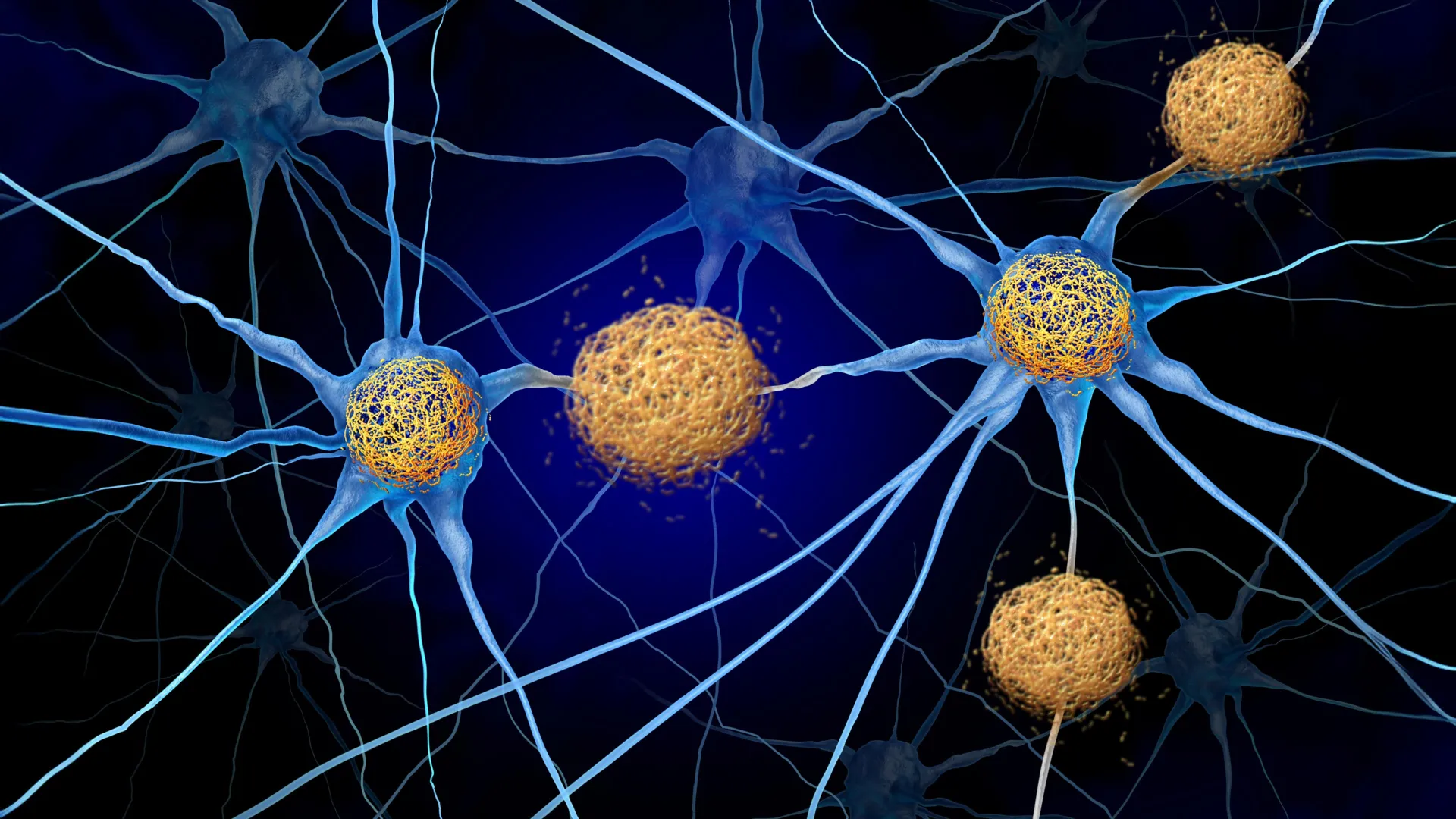
For nearly two decades, the scientific community has focused on TDP43 primarily as an RNA-binding protein. Its known functions included the regulation of RNA splicing, transport, and stability. In patients suffering from ALS—a progressive motor neuron disease—and FTD—the second most common form of early-onset dementia—TDP43 typically leaves the nucleus of the cell and forms toxic clumps, or aggregates, in the cytoplasm. This displacement results in a "loss of function" within the nucleus, where the protein is supposed to perform its vital duties.
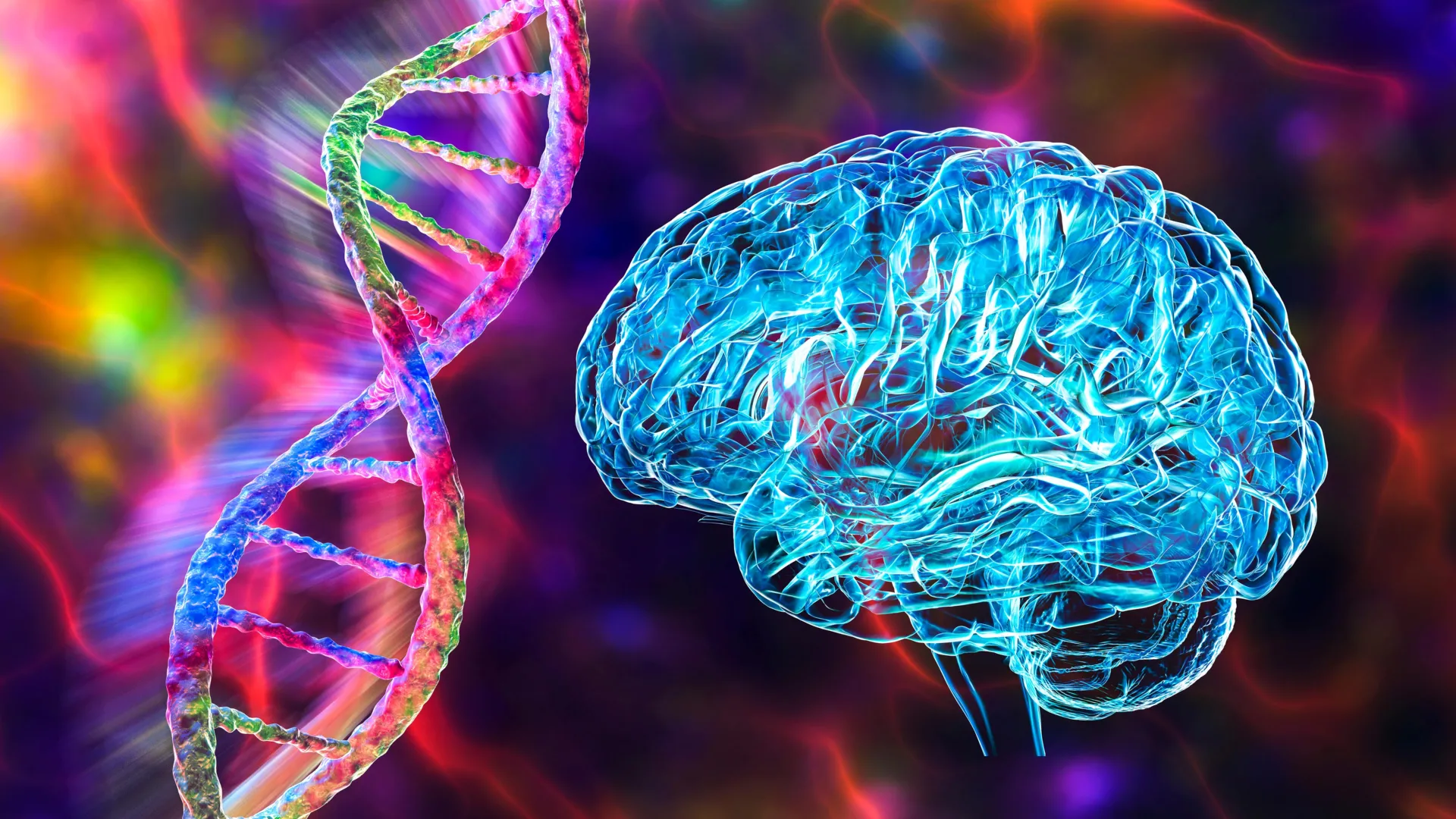
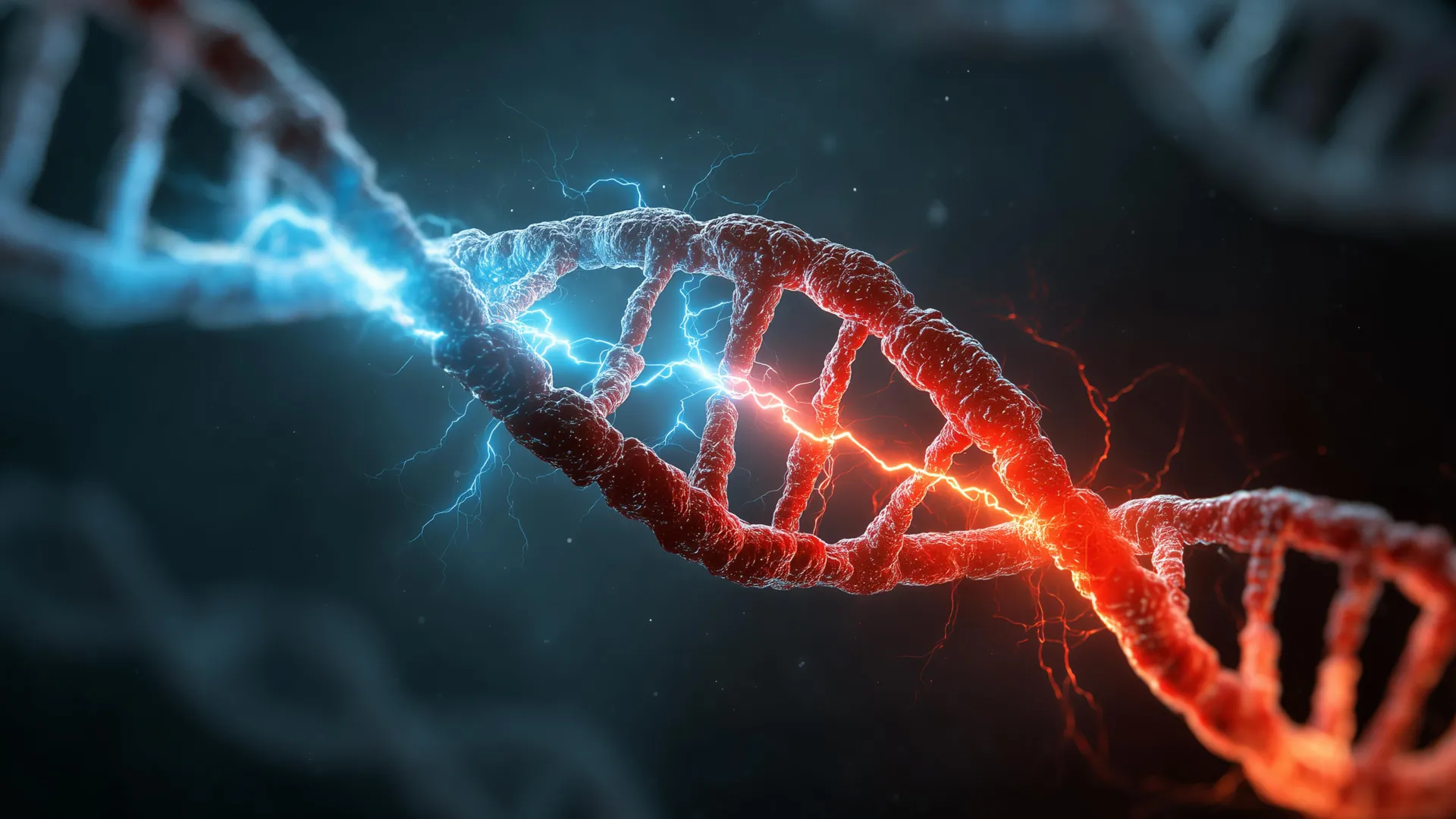
The Houston Methodist study, led by Muralidhar L. Hegde, Ph.D., a professor of neurosurgery and a prominent figure at the Center for Neuroregeneration, expands this narrative significantly. Dr. Hegde’s team demonstrated that TDP43 is not merely an RNA processor but a critical orchestrator of the DNA mismatch repair machinery. DNA mismatch repair is a system that identifies and corrects erroneous insertions, deletions, and mis-incorporations of bases that can arise during DNA replication and recombination.
"DNA repair is one of the most fundamental processes in biology," Dr. Hegde noted during the announcement of the findings. "What we found is that TDP43 is not just another RNA-binding protein involved in splicing, but a critical regulator of mismatch repair machinery. That has major implications for diseases like ALS and frontotemporal dementia where this protein goes awry."
The research indicates that TDP43 maintains the homeostatic balance of genes responsible for this repair. When TDP43 is either depleted or overexpressed, the genes governing mismatch repair become hyperactive. While "more repair" might sound beneficial, in the delicate environment of a cell, excessive or unregulated repair activity can be as damaging as a lack of repair, leading to genomic instability and cellular "exhaustion."
Chronology of Discovery: Tracking TDP43 Through the Decades
The path to this discovery follows a multi-decade timeline of neurological research. Understanding the context of this breakthrough requires a look back at the evolution of our knowledge regarding TDP43:
- 1993: TDP43 is first identified as a protein that binds to the "trans-active response" (TAR) DNA element of HIV-1, though its role in human disease remains unknown.
- 2006: A seminal study identifies TDP43 as the major component of the protein inclusions found in the brains of patients with ALS and FTD. This transforms the field of neurodegeneration, shifting the focus toward "TDP43 proteinopathies."
- 2010–2018: Research intensifies on how TDP43 affects RNA metabolism. Scientists begin to suspect that the protein might also have a role in DNA damage response, as neurons in ALS patients show high levels of DNA breaks.
- 2020–2023: The Houston Methodist team begins utilizing advanced genomic sequencing and proteomics to map the interactome of TDP43. They observe a consistent correlation between TDP43 levels and the expression of mismatch repair proteins like MSH2 and MLH1.
- 2024: The current study is published, providing the first definitive evidence that TDP43 directly regulates the DNA mismatch repair system and linking this mechanism to cancer mutational loads.
This timeline illustrates a shift from viewing TDP43 as a specialized neurological protein to recognizing it as a foundational regulator of genomic health across the entire human body.
Supporting Data: The Quantitative Link to Cancer
To validate the connection between TDP43 and cancer, the Houston Methodist researchers moved beyond the laboratory bench and into the realm of "Big Data." The team performed an extensive analysis of The Cancer Genome Atlas (TCGA), a comprehensive landmark dataset containing genetic mutations and protein expression profiles from thousands of patients across dozens of cancer types.
The data revealed a striking correlation: tumors with high levels of TDP43 expression consistently exhibited a higher "tumor mutational burden" (TMB). TMB is a measurement of the number of mutations carried by cancer cells; a higher TMB often indicates a more aggressive tumor that is more likely to evolve and resist traditional treatments.
"This tells us that the biology of this protein is broader than just ALS or FTD," Dr. Hegde explained. "In cancers, this protein appears to be upregulated and linked to increased mutation load. That puts it at the intersection of two of the most important disease categories of our time: neurodegeneration and cancer."
The researchers found that in various malignancies, including certain types of lung and gastrointestinal cancers, TDP43 appears to drive the over-expression of mismatch repair genes. This creates a "mutator phenotype," where the cell’s own repair machinery, acting under the influence of abnormal TDP43 levels, inadvertently introduces or fails to prevent a cascade of genetic errors. This environment allows cancer cells to adapt rapidly to their surroundings and escape the body’s natural defenses.
Mechanism of Action: Why Overactive Repair Kills Neurons
The study provides a nuanced explanation of why the same protein defect leads to different outcomes in different tissues. In post-mitotic cells—cells like neurons that do not divide—the genomic integrity must be maintained for decades. When TDP43 fails to regulate the DNA mismatch repair system, the overactive repair process can lead to "nicks" and breaks in the DNA strand that the neuron cannot easily fix. Over time, this cumulative damage triggers programmed cell death (apoptosis), leading to the brain atrophy seen in dementia and the loss of muscle control in ALS.
Conversely, in dividing cells (mitotic cells), such as those in the skin, lungs, or gut, these same errors do not necessarily lead to cell death. Instead, they lead to a high rate of mutation. As these cells continue to divide, the mutations are passed down, eventually hitting critical "driver genes" that turn a healthy cell into a cancerous one.
This "Goldilocks" principle—where too much or too little protein activity is equally dangerous—is a recurring theme in molecular biology, but its application to TDP43 provides a specific target for intervention.
Collaborative Efforts and Official Responses
The complexity of this research required a multi-institutional effort. While Houston Methodist served as the primary hub, the study involved high-level collaboration with experts from across the United States. Key contributors included:
- MD Anderson Cancer Center: Albino Bacolla and John Tainer provided expertise in structural biology and cancer genomics.
- University of Massachusetts: Issa Yusuf and Zuoshang Xu contributed insights into the specific pathways of ALS progression.
- UT Southwestern Medical Center: Guo-Min Li, a renowned expert in DNA repair, helped validate the mismatch repair findings.
- Binghamton University: Ralph Garruto assisted in the broader biological implications of the protein’s behavior.
The research was heavily supported by the National Institutes of Health (NIH), specifically the National Institute of Neurological Disorders and Stroke (NINDS) and the National Institute on Aging (NIA). This level of federal backing underscores the perceived importance of the study in addressing the health challenges of an aging population.
While the pharmaceutical industry has not yet released official statements regarding the study, the implications for drug development are significant. Current efforts to treat ALS focus on clearing TDP43 aggregates. However, this new research suggests that simply clearing the protein might not be enough; doctors may also need to monitor and calibrate the DNA repair activity within the cell to ensure that the "cure" does not inadvertently trigger genomic instability.
Broader Implications and the Future of Treatment
The discovery that TDP43 regulates DNA mismatch repair offers a new lens through which to view "comorbidity"—the presence of two or more diseases in one patient. Historically, cancer and neurodegeneration were seen as opposing ends of a spectrum: cancer is characterized by uncontrolled cell growth, while neurodegeneration is characterized by premature cell death. The Houston Methodist study suggests they are two sides of the same coin, minted from the same fundamental failure of genomic maintenance.
From a therapeutic perspective, the study identifies DNA mismatch repair as a potential "druggable" target. In their laboratory models, the researchers found that by using small molecules or genetic tools to reduce the excessive DNA repair activity caused by abnormal TDP43, they could partially reverse cellular damage in neurons.
"Controlling DNA mismatch repair may offer a therapeutic strategy," Hegde stated, suggesting that the goal of future medicine might not be to eliminate TDP43 but to manage the downstream systems it controls.
As the global population ages, the incidence of both dementia and cancer is expected to rise. The identification of TDP43 as a "bridge protein" between these conditions provides a roadmap for precision medicine. If clinicians can develop biomarkers to track TDP43 and mismatch repair activity in real-time, it may become possible to predict a patient’s risk for either neurodegeneration or cancer long before symptoms appear.
The Houston Methodist study stands as a testament to the power of interdisciplinary research. By looking past the traditional boundaries of neurology and oncology, Dr. Hegde and his team have uncovered a fundamental truth about how the body protects—or fails to protect—its most precious blueprint: the human genome. The work now moves toward clinical validation, with the hope that modulating the "spellcheck" of our DNA will one day provide a shield against the most devastating diseases of the modern era.