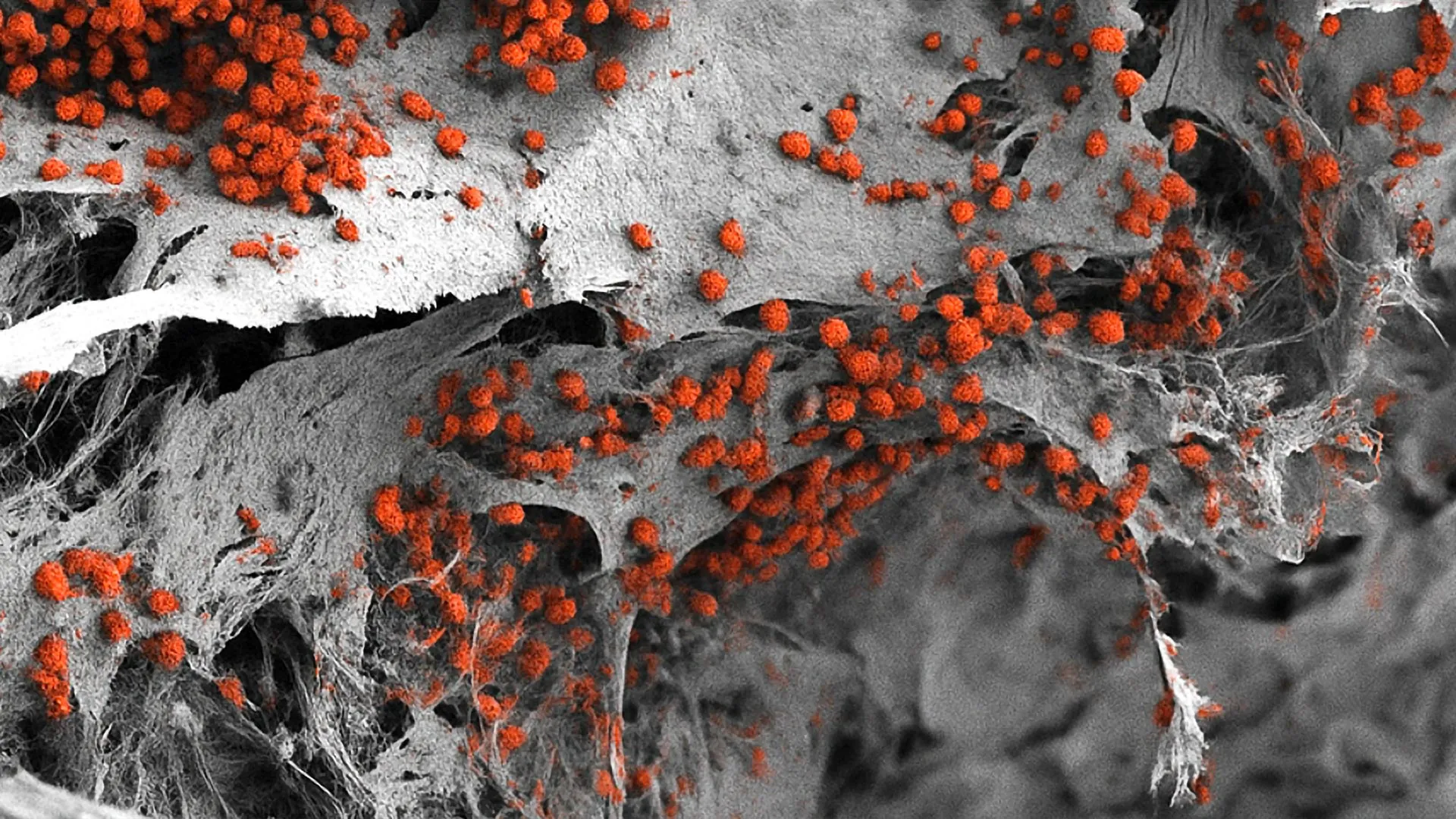
The rise of glucagon-like peptide-1 (GLP-1) receptor agonists has fundamentally transformed the landscape of metabolic medicine, offering unprecedented efficacy in treating type 2 diabetes and obesity. However, as millions of Americans adopt medications like Ozempic, Wegovy, and Mounjaro, a significant clinical concern has emerged: the non-discriminatory nature of rapid weight loss. While these drugs are highly effective at reducing adipose tissue, they frequently lead to a concurrent and substantial loss of skeletal muscle mass. In some clinical observations, muscle loss accounts for as much as 40% of the total weight shed by patients. This phenomenon, often referred to as "sarcopenic obesity" in the context of treatment, poses long-term risks to metabolic health, physical strength, and overall longevity.
In a landmark study published in the Proceedings of the National Academy of Sciences (PNAS) on January 22, 2025, researchers at the Salk Institute have identified a molecular pathway that may solve this "muscle-wasting" paradox. The team, led by Professor Ronald Evans, discovered that a protein known as BCL6 (B-cell lymphoma 6) acts as a primary regulator of muscle maintenance. By manipulating BCL6 levels, the researchers demonstrated that it is possible to preserve and even restore muscle mass and strength, even in states of caloric restriction or illness. This discovery opens the door to a new generation of "adjunct therapies" that could be prescribed alongside GLP-1 medications to ensure that weight loss remains healthy and sustainable.
The GLP-1 Revolution and the Muscle Maintenance Crisis
Current data indicates that approximately one in eight adults in the United States has utilized a GLP-1 medication. While originally engineered to enhance insulin secretion and manage blood glucose in diabetic patients, their secondary effect—slowing gastric emptying and signaling satiety to the brain—has made them the gold standard for weight management. Despite their success, the medical community has grown increasingly concerned about the quality of weight being lost.
Muscle is not merely a tool for locomotion; it is the body’s largest metabolic organ. It serves as the primary site for glucose disposal and plays a critical role in maintaining the basal metabolic rate. When a patient loses 20 pounds, and eight of those pounds are muscle, their resting energy expenditure drops. This metabolic slowdown often leads to a "plateau" in weight loss and increases the likelihood of rapid weight regain—often as pure fat—once the medication is discontinued. Furthermore, for older adults, the loss of muscle mass increases the risk of falls, fractures, and a general decline in the quality of life.
The Salk Institute’s research addresses this specific vulnerability by identifying the genetic "switch" that tells the body to preserve muscle even when energy intake is low.
Deciphering the BCL6 Pathway: How the Body Protects Its Tissue
The biological maintenance of muscle is a high-energy process governed by a complex signaling cascade. To understand how BCL6 functions, the Salk team traced the hormonal journey that begins when the body enters a fasted state.
When the stomach is empty, it releases ghrelin, often called the "hunger hormone." Ghrelin signals the brain to release growth hormone (GH), which circulates through the bloodstream to various tissues. In muscle cells, growth hormone triggers the production of insulin-like growth factor 1 (IGF1), the primary driver of muscle growth and repair. However, this process is not a simple "on/off" switch. It is moderated by a series of "check and balance" proteins.
The Salk researchers focused on a protein called SOCS2 (Suppressor of Cytokine Signaling 2). SOCS2 acts as a biological brake; its role is to prevent IGF1 production from becoming excessive, which could lead to uncontrolled growth or gigantism. However, if SOCS2 levels are too high, IGF1 production is stifled, and the muscle begins to atrophy.
The breakthrough discovery was the identification of BCL6 as the "master regulator" of SOCS2. Under normal, healthy conditions, BCL6 resides in the muscle cell and suppresses the production of SOCS2, thereby allowing IGF1 to maintain muscle mass. The Salk experiments revealed that during periods of fasting—or when growth hormone levels fluctuate—BCL6 levels drop. This drop releases the "brake" (SOCS2), which in turn shuts down muscle-building IGF1.
Experimental Evidence: From Mice to Potential Human Therapies
To validate the role of BCL6, the Salk team conducted a series of sophisticated genetic experiments using murine models. They compared standard healthy mice with a cohort of mice engineered to lack functional BCL6 proteins.
The results were stark. The mice without BCL6 exhibited a 40% reduction in total muscle mass compared to the control group. Beyond mere size, the muscle tissue in BCL6-deficient mice showed significant structural degradation and a marked decrease in functional strength. Essentially, without BCL6 to hold SOCS2 in check, the mice’s bodies were unable to maintain their own muscle tissue.
Conversely, the researchers tested the effects of overexpressing BCL6. When they increased BCL6 levels in the muscles of the deficient mice, the results were almost immediate: the loss of muscle mass was reversed, and the animals regained their physical strength.
"Muscle is the most abundant tissue in the human body, so its maintenance is critical to our health and quality of life," explained Ronald Evans, professor and director of the Gene Expression Laboratory at Salk. "Our study reveals how our bodies coordinate the upkeep of all this muscle with our nutrition and energy levels."
Chronology of the Discovery and Research Methodology
The journey to identifying BCL6 began not in a petri dish, but in a vast digital archive. The Salk team, including first author and postdoctoral researcher Hunter Wang, scoured national databases of human tissue samples to find proteins that were unusually abundant in skeletal muscle but whose functions remained poorly understood.
- Initial Screening: The team identified BCL6 as a high-presence protein in human muscle cells, suggesting a specialized evolutionary purpose.
- Hypothesis Formation: Given BCL6’s known role in other biological systems as a transcriptional repressor, the team hypothesized it might be suppressing a "muscle-wasting" gene.
- Validation via Fasting: Researchers observed that mice subjected to overnight fasting showed a sharp decline in BCL6 levels, coinciding with the body’s transition into a catabolic (tissue-breaking) state.
- Genetic Manipulation: By knocking out and then re-introducing BCL6, the team confirmed its direct causal relationship with muscle volume and SOCS2 regulation.
- Publication: The comprehensive findings were finalized and released in January 2025, providing a blueprint for potential drug development.
Broader Implications: Beyond the Weight Loss Market
While the immediate application of BCL6 research is tied to the booming GLP-1 market, the implications for public health are much broader. Muscle wasting, or cachexia, is a devastating complication of several systemic conditions.
- Aging and Sarcopenia: As humans age, natural growth hormone and IGF1 levels decline, leading to a steady loss of muscle mass. BCL6-boosting therapies could potentially delay the onset of frailty in the elderly.
- Cancer Cachexia: Many cancer patients suffer from extreme weight and muscle loss that is often more life-threatening than the primary tumor. Regulating the BCL6-SOCS2 pathway could provide a way to maintain patient strength during chemotherapy.
- Sepsis and Intensive Care: Patients in the ICU often experience rapid muscle atrophy due to systemic inflammation and prolonged immobility. This research suggests a molecular target to mitigate that damage.
"These were very surprising and special findings that open the door for a lot of new discoveries and potential therapeutic innovations," said Hunter Wang.
Analysis: The Future of Metabolic Medicine
The Salk Institute’s discovery highlights a shift in how the medical community views obesity treatment. The first phase of the "weight loss revolution" focused purely on the scale. The second phase, which this research represents, focuses on "body composition."
Pharmaceutical companies are already exploring "combination therapies." For instance, some firms are testing myostatin inhibitors alongside GLP-1s. The BCL6 discovery provides a more nuanced, upstream target that works with the body’s natural hormonal rhythm rather than simply blocking a single growth factor.
Furthermore, the researchers noted that BCL6 is influenced by circadian rhythms. This suggests that the timing of future BCL6-boosting treatments—or even the timing of meals and exercise—could be optimized to maximize muscle retention.
Conclusion and Next Steps
As the Salk Institute moves forward, the next phase of research will involve investigating the long-term effects of fasting and caloric restriction on BCL6 expression. The team also aims to develop small-molecule drugs or injectable therapies that can safely mimic or boost BCL6 activity in humans.
The work was a massive collaborative effort, supported by the National Institutes of Health, the Department of the Navy Office of Naval Research, and several private foundations including the Waitt Foundation and the Larry Hillblom Foundation.
For the millions of people currently navigating the complexities of weight loss in the 21st century, the discovery of BCL6 offers a promise of a future where losing weight doesn’t have to mean losing the strength that sustains life. By bridging the gap between hormonal signaling and muscle maintenance, the Salk Institute has provided a critical piece of the puzzle in the quest for healthy longevity.