Schizophrenia remains one of the most complex and debilitating neurological conditions, affecting approximately one percent of the global population. While the disorder is often characterized by "positive" symptoms such as hallucinations and delusions, its "cognitive" symptoms—specifically the inability to integrate new information and make adaptive decisions—are frequently the most disruptive to daily life. Researchers at the Massachusetts Institute of Technology (MIT), in collaboration with the Broad Institute and Tufts University, have identified a specific genetic mutation that serves as a cornerstone for these cognitive deficits. By isolating a mutation in the grin2a gene, the team has successfully mapped a dysfunctional brain circuit that hinders the brain’s ability to update beliefs based on sensory reality, providing a potential roadmap for future therapeutic interventions.
The Genetic Architecture of Schizophrenia
The biological roots of schizophrenia have long been understood to be deeply hereditary. Statistical data indicates that while the risk in the general population is roughly 1%, that risk escalates to 10% for individuals with an affected first-degree relative, such as a parent or sibling. For identical twins, who share nearly 100% of their genetic material, the risk of one twin developing the disorder if the other is diagnosed rises to a staggering 50%. Despite this clear genetic signal, identifying the specific genes responsible for the pathology has proven difficult for decades.
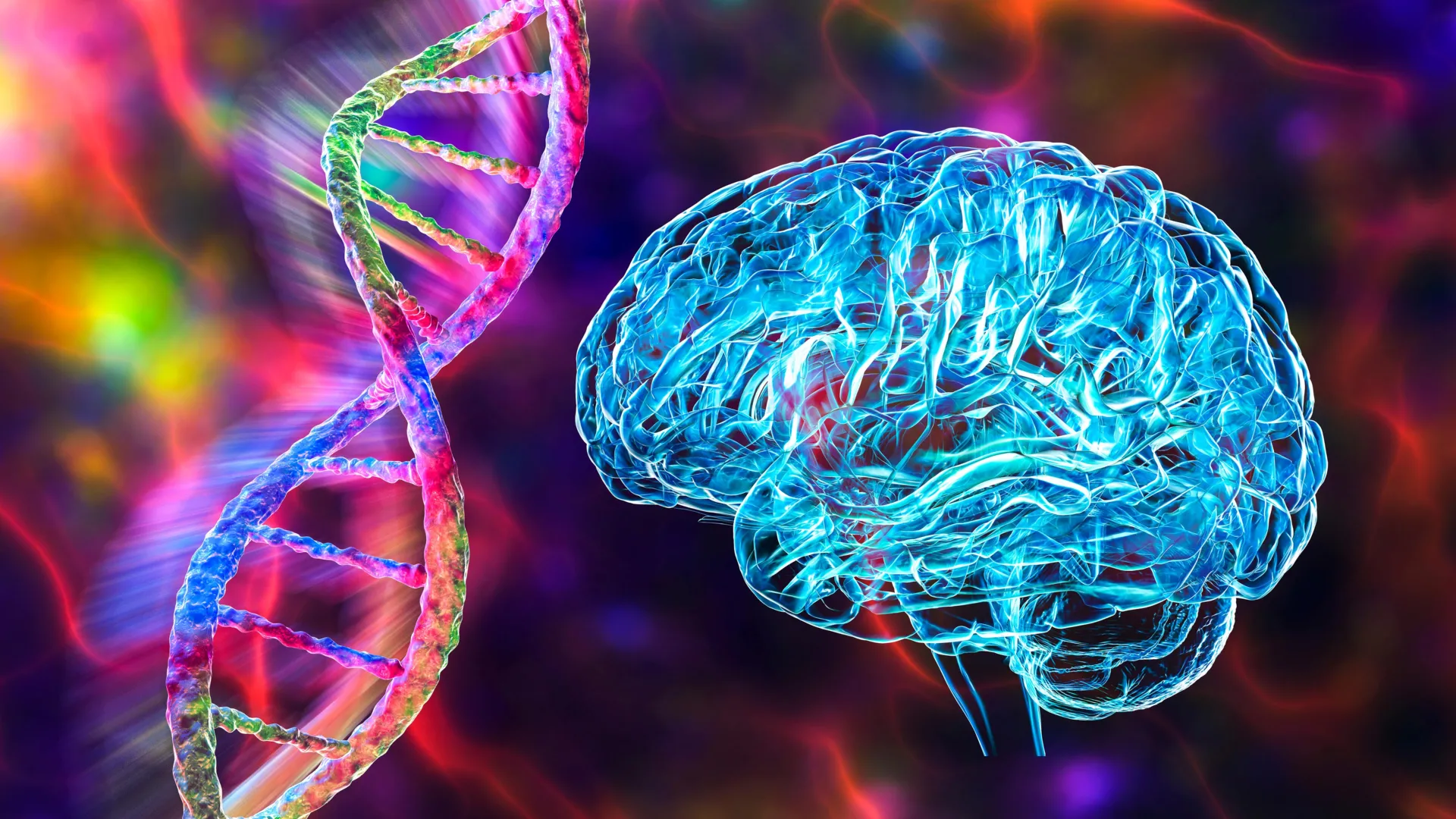
Historically, scientists at the Stanley Center for Psychiatric Research at the Broad Institute utilized genome-wide association studies (GWAS) to scan the entire human genome. These studies successfully identified more than 100 gene variants associated with schizophrenia. However, a significant hurdle remained: the majority of these variants were located in "non-coding" regions of DNA—segments that do not provide instructions for making proteins. This made it nearly impossible to determine how these variants actually altered brain function or structure.
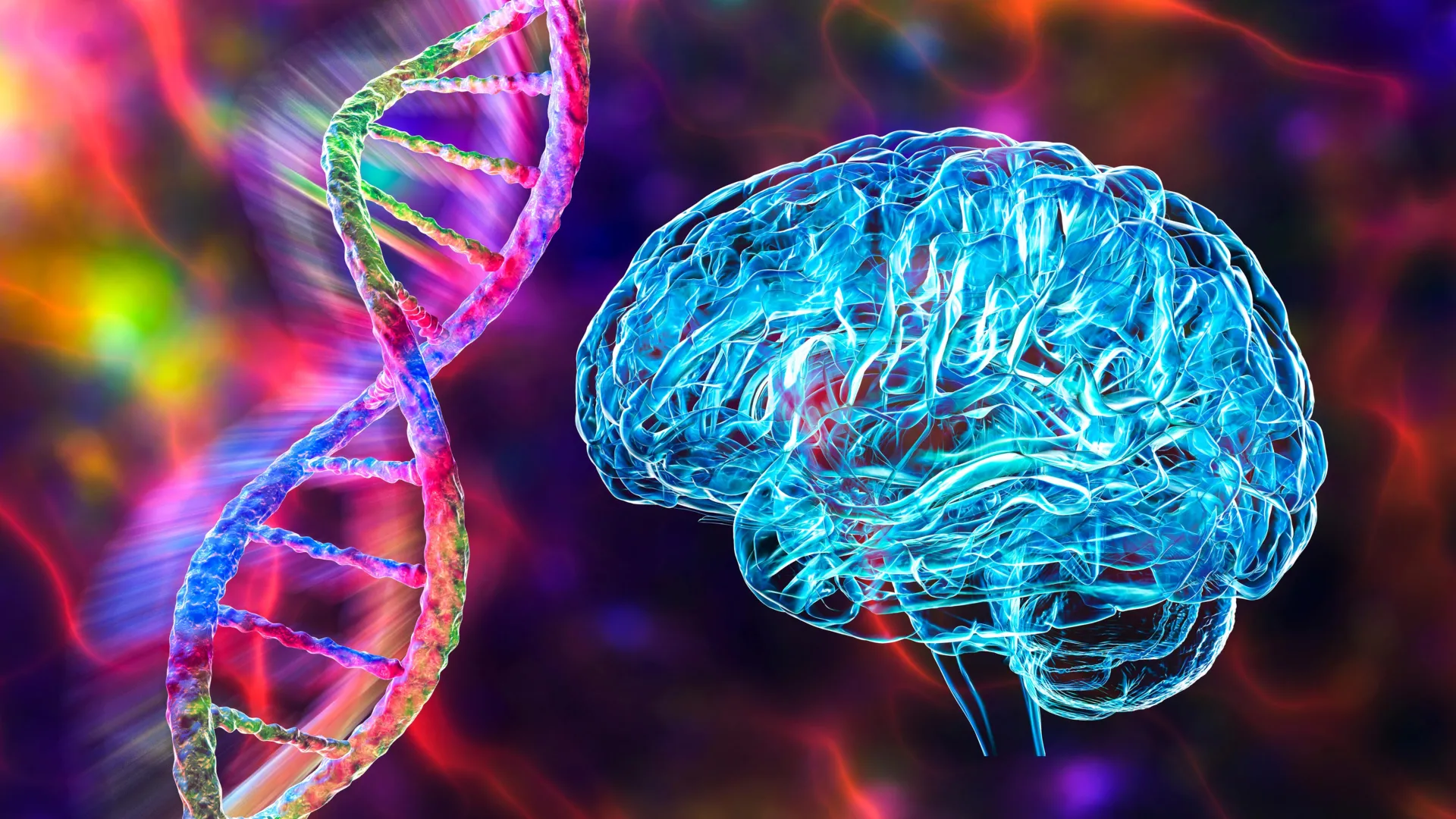
To circumvent this, the MIT-led team turned to whole-exome sequencing. This advanced method focuses exclusively on the protein-coding regions of the genome, which account for about 2% of the total DNA but are the site of the most impactful mutations. By analyzing sequences from a massive cohort of 25,000 individuals diagnosed with schizophrenia and 100,000 control subjects, the researchers narrowed the search to 10 specific genes where mutations significantly increased the risk of the disorder. Among these, the grin2a gene emerged as a primary candidate for deeper investigation.
The Role of the GRIN2A Mutation
The grin2a gene is responsible for encoding a subunit of the NMDA receptor, a critical component of the brain’s communication system. These receptors are activated by glutamate, the primary excitatory neurotransmitter in the mammalian brain. NMDA receptors play a vital role in synaptic plasticity—the process by which connections between neurons strengthen or weaken over time—which is the fundamental basis for learning and memory.
In the study published in Nature Neuroscience, senior authors Guoping Feng and Michael Halassa utilized CRISPR gene-editing technology to create mouse models carrying the grin2a mutation. This allowed the team to observe, for the first time, how a single genetic alteration ripples through the architecture of the brain to produce the cognitive hallmarks of schizophrenia.
"If this circuit doesn’t work well, you cannot quickly integrate information," explained Guoping Feng, the James W. and Patricia T. Poitras Professor in Brain and Cognitive Sciences at MIT. Feng, who also serves as the associate director of the McGovern Institute for Brain Research, noted that the circuit’s failure is a primary mechanism behind the disconnect from reality observed in patients.
Experimental Methodology: Deciphering Decision-Making
To bridge the gap between a genetic mutation and behavioral symptoms, lead author Tingting Zhou designed a sophisticated "reward-choice" task for the mice. This experiment was intended to model the cognitive process of "belief updating," a function that is often impaired in humans with schizophrenia.
In the experiment, mice were presented with two levers. The "low-reward" lever required six presses to deliver a single drop of milk. The "high-reward" lever offered a much better deal: three drops of milk for every press. Initially, both the healthy "wild-type" mice and the grin2a mutant mice correctly identified and preferred the high-reward option.
The researchers then introduced a shift in the environment. They gradually increased the "cost" of the high-reward lever by requiring more and more presses to get the milk, while the low-reward lever remained stable. For a neurotypical brain, this change in environmental data should trigger a shift in belief: the once "good" option is no longer the most efficient choice.
The results were stark. The healthy mice monitored the changes and, as the effort required for the high-reward lever reached a tipping point, they switched their preference to the low-reward lever and remained there. In contrast, the mice with the grin2a mutation struggled to commit. They fluctuated between the two levers, failing to integrate the new "cost-benefit" data effectively. Their decision-making was significantly slower and less adaptive, mirroring the cognitive rigidity often seen in clinical schizophrenia.
The Bayesian Brain and the Disconnect from Reality
The researchers contextualized these findings within the framework of the "Bayesian brain" hypothesis. This theory suggests that the brain functions as an inference engine, constantly weighing "prior beliefs" (what we think we know about the world) against "sensory input" (new information coming in from our eyes, ears, and other senses).
"Our brain can form a prior belief of reality, and when sensory input comes into the brain, a neurotypical brain can use this new input to update the prior belief," Zhou stated. In schizophrenia, this balance is disrupted. Patients—and the mutant mice in this study—tend to weigh their prior beliefs too heavily. Because they do not allow new sensory input to update their internal model of the world, their beliefs become increasingly detached from reality. This mechanism is thought to be a foundational driver of psychosis, where a patient may cling to a delusion despite overwhelming evidence to the contrary.
Mapping the Thalamocortical Circuit
Beyond observing behavior, the MIT team sought to identify the specific physical location of the dysfunction. Using functional ultrasound imaging—a high-resolution technique that tracks blood flow as a proxy for neural activity—and electrical recordings, they pinpointed the mediodorsal thalamus (MD).
The mediodorsal thalamus acts as a relay station, heavily connected to the prefrontal cortex (PFC), the area of the brain responsible for complex planning, decision-making, and executive function. This MD-PFC pathway forms a "thalamocortical circuit" that is essential for higher-order cognition.
In the grin2a mutant mice, the neurons in the mediodorsal thalamus failed to function correctly. Normally, these neurons show distinct patterns of activity when an animal is "exploring" (trying different options) versus "exploiting" (committing to the best choice). In the mutant mice, these neural signals were blurred, preventing the brain from signaling that it was time to stop exploring and start committing to the new, more efficient reality.
Reversing Symptoms via Optogenetics
One of the most promising aspects of the study was the team’s ability to "rescue" the mice from their cognitive deficits. Using a technique called optogenetics—where neurons are genetically modified to respond to light—the researchers were able to manually activate the neurons in the mediodorsal thalamus.
When the researchers used light to stimulate the MD-PFC circuit, the grin2a mutant mice began to behave like their healthy counterparts. Their ability to update their beliefs and switch to the more efficient lever was restored. This success serves as a "proof of concept" that the cognitive symptoms of schizophrenia are not necessarily permanent and could potentially be treated by modulating the activity of specific brain circuits.
Clinical Implications and the Future of Treatment
While the grin2a mutation is found in only a small percentage of the total schizophrenia population, the discovery of the mediodorsal thalamus circuit dysfunction may have much broader implications. The researchers believe that many of the other genetic mutations linked to schizophrenia may ultimately converge on this same circuit.
"We are quite confident this circuit is one of the mechanisms that contributes to the cognitive impairment that is a major part of the pathology of schizophrenia," Feng said.
Currently, most pharmacological treatments for schizophrenia focus on dopamine receptors to manage hallucinations and delusions. However, these drugs often do little to help with cognitive impairments, which are the strongest predictors of long-term functional outcomes for patients, such as the ability to hold a job or maintain social relationships. By identifying a specific circuit and a specific receptor (NMDA) involved in cognitive flexibility, this research opens the door for "precision psychiatry."
The team is now focused on identifying drug-targetable molecules within this circuit. If a medication can be developed to mimic the effects of the optogenetic stimulation—enhancing the activity of the mediodorsal thalamus—it could provide a breakthrough for treating the cognitive "disconnect" that characterizes the disorder.
Research Support and Collaborations
The study represents a massive interdisciplinary effort involving several of the world’s leading research institutions. Funding for the project was provided by a diverse group of organizations, including the National Institutes of Mental Health (NIMH), the Poitras Center for Psychiatric Disorders Research at MIT, and the Stanley Center for Psychiatric Research.
Additional support came from the Yang Tan Collective, the K. Lisa Yang and Hock E. Tan Center for Molecular Therapeutics, and the Stelling Family Research Fund, all based at MIT. The involvement of the Brain and Behavior Research Foundation further underscores the study’s importance to the global psychiatric community.
As the scientific community moves forward, the focus will likely shift to human clinical trials that look for similar circuit-level signatures. By bridging the gap between molecular genetics and systems neuroscience, the MIT researchers have provided a new lens through which to view—and eventually treat—one of humanity’s most misunderstood conditions.