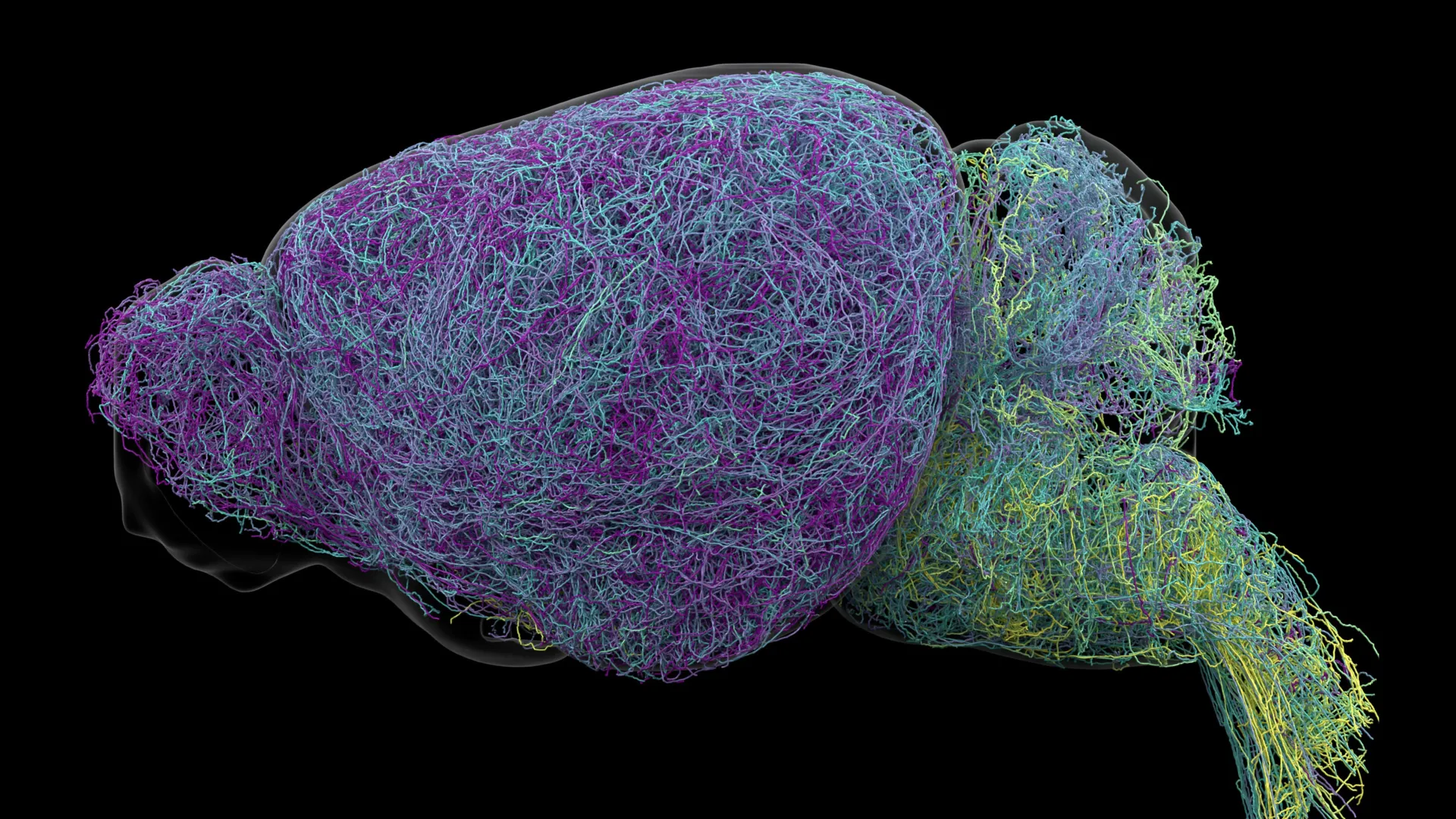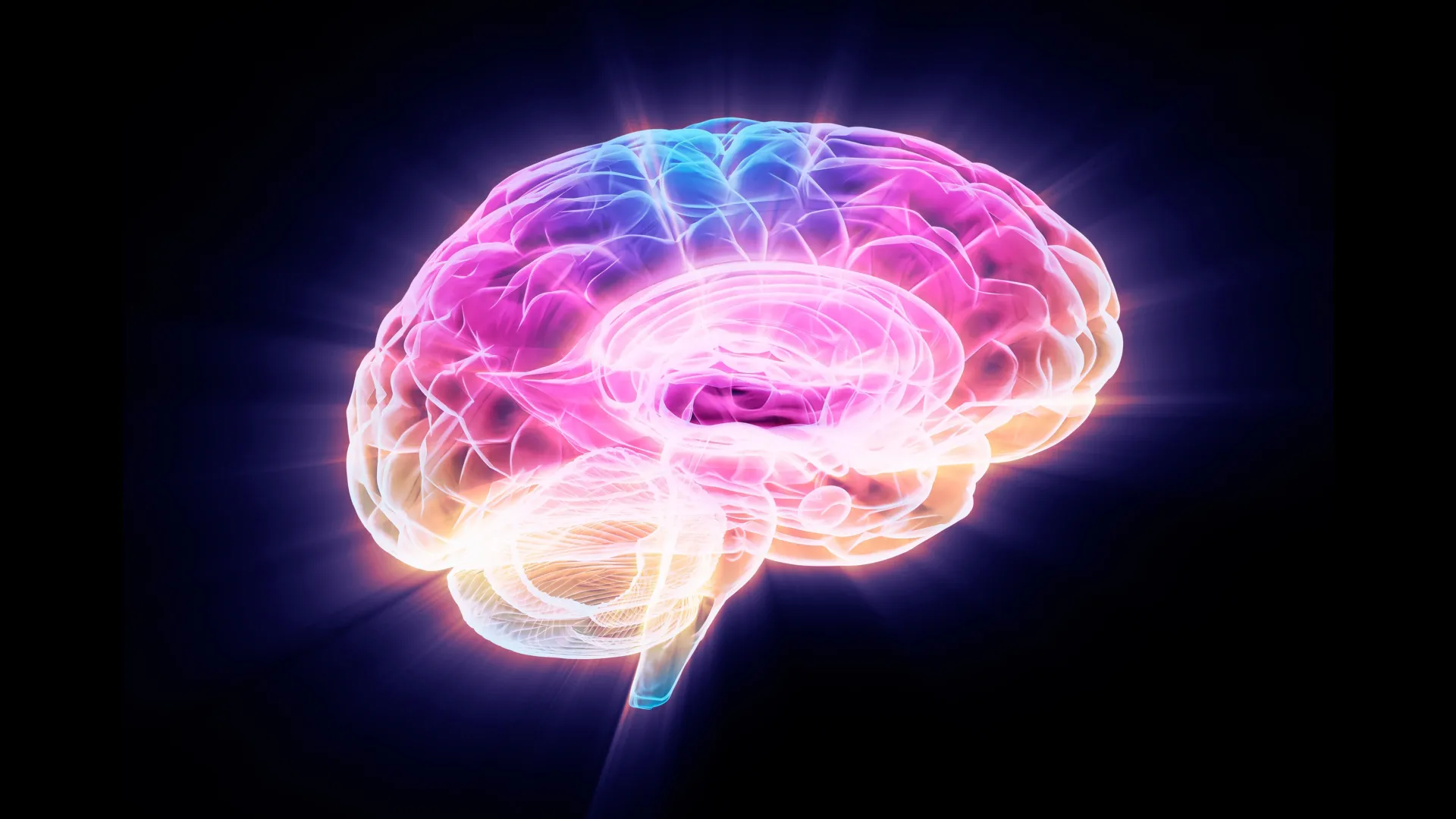
The human brain is an intricate network of billions of neurons, yet its functional integrity is famously fragile, particularly within the hippocampus. As the primary seat of learning, memory formation, and spatial navigation, the hippocampus is one of the first regions to succumb to the deleterious effects of aging. For decades, the biological drivers behind this decline remained elusive, often attributed to a generalized "wear and tear" of cellular machinery. However, a groundbreaking study led by scientists at the University of California, San Francisco (UCSF) has identified a specific molecular culprit: a protein known as FTL1. Published in the journal Nature Aging, the research suggests that FTL1 is not merely a marker of old age but a primary driver of cognitive deterioration. Most significantly, the study demonstrates that by modulating levels of this protein, it is possible to not only stall but actually reverse age-related memory impairments in animal models.
The Discovery of FTL1: A Molecular Needle in a Haystack
The investigation began with an exhaustive search for the molecular differences between young and old brains. Researchers at the UCSF Bakar Aging Research Institute, led by senior author Saul Villeda, PhD, utilized advanced proteomic and genomic tracking to monitor thousands of variables within the hippocampi of mice. Their goal was to find a consistent "signature" of aging—a gene or protein that changed predictably as the animals moved from youth to senescence.
Out of the vast array of biological markers examined, one protein stood out with remarkable consistency across all test subjects: FTL1 (Ferritin Light Chain 1). The researchers observed that as mice aged, FTL1 levels in the hippocampus rose significantly. This increase was inversely correlated with brain health; as FTL1 levels climbed, the number of synaptic connections between neurons plummeted, and the animals’ performance on standardized cognitive and memory tests began to fail.
To confirm that FTL1 was a causative agent rather than a passive byproduct of aging, the team performed a series of "gain-of-function" experiments. They artificially boosted FTL1 levels in the hippocampi of young, healthy mice. The results were immediate and profound. Despite their chronological youth, these mice began to exhibit the neurological hallmarks of old age. Their brains showed reduced synaptic density, and their behavioral profiles shifted toward the forgetfulness and cognitive rigidity typically seen in geriatric specimens.
Cellular Mechanics: How FTL1 Simplifies the Brain
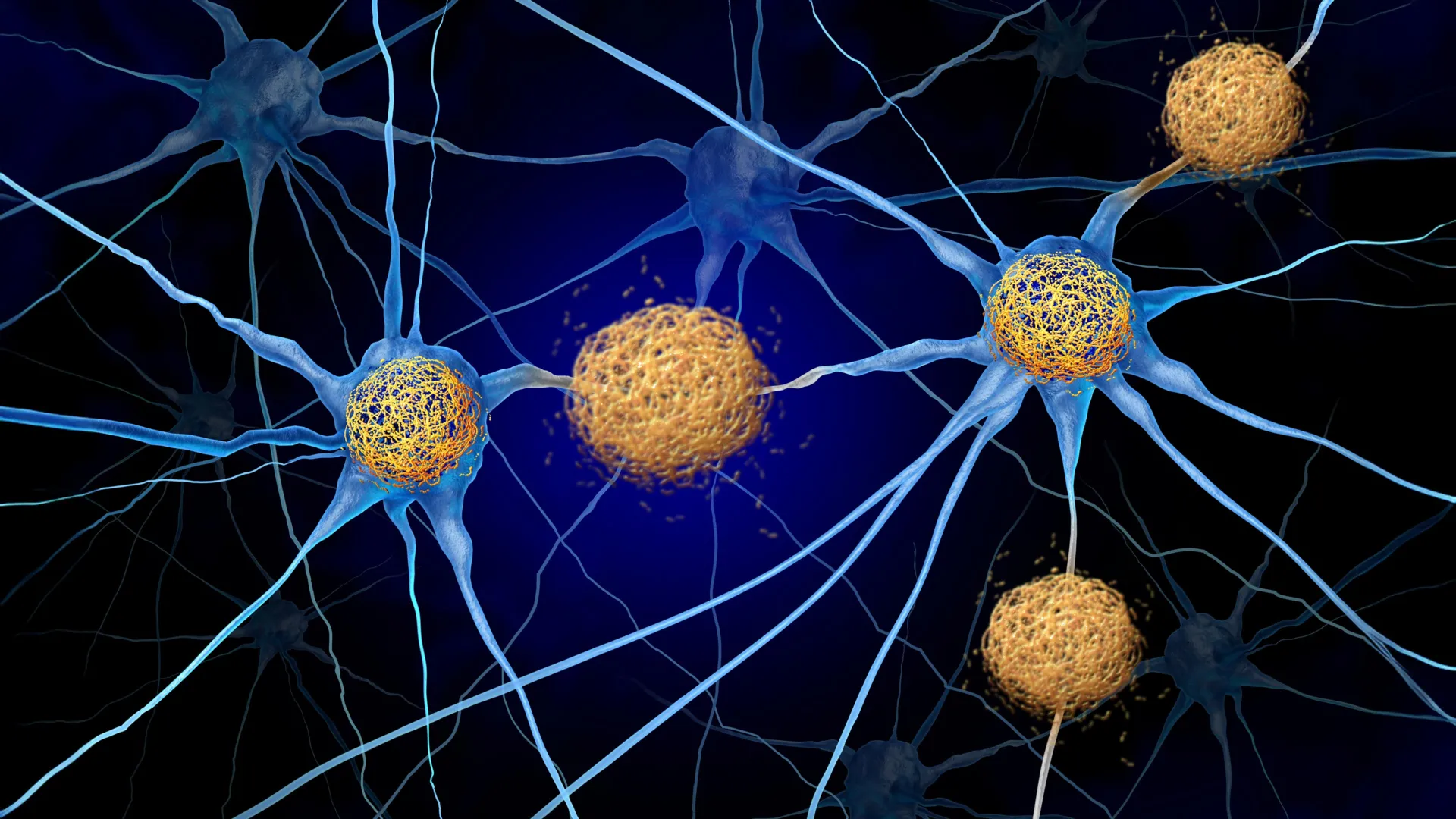
The structural impact of FTL1 on the brain is characterized by a process scientists describe as "morphological simplification." In a healthy, young hippocampus, nerve cells are characterized by complex, branching networks of dendrites and axons. These intricate "arbors" allow for the robust communication necessary for complex thought and memory retention.
Through detailed lab experiments and high-resolution imaging, the UCSF team discovered that high concentrations of FTL1 fundamentally alter the architecture of these cells. Nerve cells engineered to overproduce the protein failed to develop or maintain these complex networks. Instead, they retreated into simplified structures, often forming only short, single extensions. This loss of "branching" directly translates to a loss of connectivity. When neurons cannot reach one another, the brain’s ability to process and store information is severely compromised.
This structural decline is further exacerbated by the protein’s role in iron metabolism. FTL1 is a component of ferritin, the primary protein responsible for storing iron within cells. While iron is essential for cellular function, its dysregulation is a known factor in neurotoxicity and oxidative stress. The UCSF study suggests that the accumulation of FTL1 disrupts the delicate balance of iron in the hippocampus, leading to a cascade of cellular dysfunction that ultimately triggers the loss of synaptic plasticity.
A Chronology of Reversal: Turning Back the Cognitive Clock
The most pivotal phase of the research focused on "loss-of-function" experiments in older mice. Having established that FTL1 causes decline, the researchers sought to determine if removing the protein could restore lost function. Using molecular tools to reduce FTL1 levels in the hippocampi of aged mice, the team observed a startling recovery.
The timeline of this recovery was relatively rapid. Within weeks of lowering FTL1 levels, the older mice showed a measurable increase in the number of connections between brain cells. More importantly, this structural repair manifested as functional improvement. On memory tests—such as navigating mazes and recognizing new objects—the aged mice treated to have lower FTL1 levels performed significantly better than their untreated peers, in some cases rivaling the performance of much younger animals.
"It is truly a reversal of impairments," said Saul Villeda, PhD, who also serves as the associate director of the UCSF Bakar Aging Research Institute. "It’s much more than merely delaying or preventing symptoms. We are seeing the brain’s architecture actually rebuild itself to a more youthful state."
The Metabolic Connection and Potential Interventions
Beyond structural changes, the study delved into the metabolic consequences of FTL1 accumulation. The researchers found that elevated FTL1 levels act as a metabolic brake, slowing down the rate at which hippocampal cells consume and process energy. In older brains, this "sluggish" metabolism prevents neurons from maintaining the high-energy demands of synaptic signaling.
To test this link, the UCSF team treated FTL1-heavy cells with a compound designed to boost cellular metabolism. The results provided a secondary pathway for potential therapy: the metabolic booster effectively neutralized the negative structural effects of the FTL1 protein. This suggests that the damage caused by FTL1 is inextricably linked to energy failure within the cell, and that future treatments might target either the protein itself or the metabolic pathways it disrupts.
This metabolic insight is particularly relevant to the broader field of aging research, which has long sought to understand why the brain’s energy production wanes with time. By identifying FTL1 as a specific regulator of this decline in the hippocampus, the UCSF study provides a concrete target for drug development that was previously missing.
Broader Implications for Neurodegenerative Disease
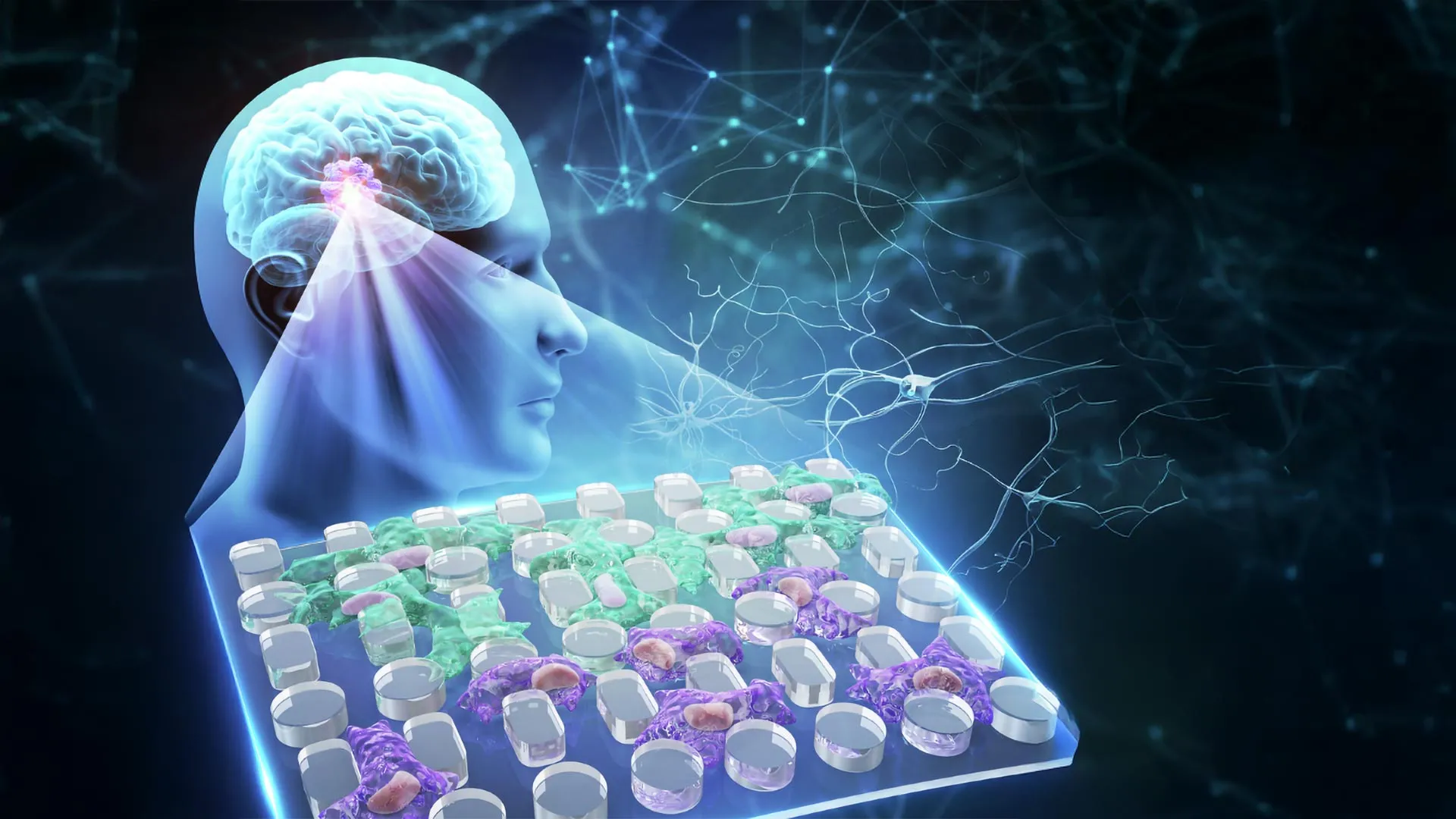
While the study was conducted on mice, the implications for human health are substantial. The hippocampus is one of the primary regions affected by Alzheimer’s disease and other forms of dementia. If FTL1 functions similarly in humans—as many mouse-model proteins do—it could serve as a "master switch" for age-related cognitive decline.
The research community has reacted with cautious optimism. Independent experts note that while mouse models are an essential first step, the transition to human clinical trials involves navigating the complexities of the human blood-brain barrier and the potential side effects of altering iron-storage proteins. However, the fact that FTL1 is a specific, measurable protein makes it an attractive candidate for "precision medicine" approaches to aging.
The UCSF findings also align with a growing body of evidence suggesting that aging is a malleable biological process rather than an inevitable decline. Saul Villeda’s previous work famously demonstrated that "young blood" could rejuvenate old mouse brains; this latest discovery provides a more specific molecular mechanism that could eventually be targeted with a pill or gene therapy, rather than complex plasma transfusions.
Institutional Support and Future Research
The study was a collaborative effort involving a wide array of specialists from UCSF, including Laura Remesal, PhD, Juliana Sucharov-Costa, and several others from the departments of Anatomy, Pharmaceutical Chemistry, and Neurology. The multidisciplinary nature of the team allowed for a comprehensive look at FTL1, from its genetic expression to its impact on animal behavior.
Funding for the research came from a diverse group of philanthropic and governmental organizations, reflecting the high level of interest in anti-aging science. Key supporters included the Simons Foundation, the Bakar Family Foundation, the National Science Foundation, and the National Institutes of Health (NIH). The involvement of the Bakar Aging Research Institute highlights UCSF’s position as a global leader in the "Geroscience" movement—a field dedicated to understanding the biological relationship between aging and chronic disease.
Looking forward, the Villeda lab intends to investigate whether FTL1 levels can be detected in human cerebrospinal fluid or through advanced neuroimaging. If FTL1 can be used as a biomarker, it might allow doctors to identify individuals at high risk for cognitive decline years before symptoms appear.
"We’re seeing more opportunities to alleviate the worst consequences of old age," Villeda concluded. "It’s a hopeful time to be working on the biology of aging. We are moving from simply describing what happens when we get old to understanding the ‘why’ and, more importantly, the ‘how’ of fixing it."
The identification of FTL1 marks a significant milestone in the quest to preserve human cognition. As the global population ages, the social and economic burden of cognitive decline continues to grow. Discoveries like those made at UCSF offer a roadmap toward a future where the "golden years" are defined not by the loss of memory, but by the continued vitality of the mind.