

A groundbreaking study published in Horticulture Research has unveiled a revolutionary approach to enhancing fruit quality, demonstrating that a fundamental cellular gene, previously relegated to basic maintenance tasks, can significantly improve both the nutritional value and sensory appeal of fruit without hindering plant development. This discovery challenges long-held assumptions about the roles of "housekeeping" genes and opens promising new avenues for agricultural innovation, potentially leading to a new generation of nutrient-dense and aromatic produce.
For decades, agricultural science has grappled with the intricate challenge of improving desirable fruit characteristics, such as enhanced flavor, vibrant color, and richer nutritional profiles, while simultaneously preserving robust plant growth, yield, and overall crop health. Traditional methods often involve manipulating metabolic pathways responsible for producing beneficial compounds like anthocyanins and terpenoids. However, these pathways are intricately interwoven with plant hormone signaling, particularly with cytokinins, which are critical regulators of both vegetative growth and the synthesis of secondary metabolites. Consequently, efforts to boost fruit quality through these routes frequently result in unintended consequences, including stunted growth, smaller fruit size, or altered plant architecture, thereby negating the initial gains.
The research, conducted by a collaborative team from Nanjing Agricultural University and the University of Connecticut, focused on a less-understood class of genes associated with cytokinin synthesis: tRNA-type isopentenyl transferases (IPTs). These genes are typically classified as "housekeeping" genes, meaning they are essential for the fundamental, ongoing operation of all cells within an organism. Their presumed role in routine cellular functions led to them being largely overlooked as potential targets for actively regulating specific plant traits like fruit quality. The central question guiding this research was whether these seemingly passive genes could be engineered to exert a positive influence on fruit characteristics without the detrimental effects commonly associated with more direct hormonal interventions.
A "Hidden" Gene’s Remarkable Impact on Woodland Strawberries
The scientists turned their attention to woodland strawberries (Fragaria vesca), a well-established model organism in plant research known for its genetic tractability and relatively short life cycle. Within this species, they identified and meticulously studied a specific housekeeping gene, designated FveIPT2. This gene plays a crucial role in the modification of transfer RNA (tRNA), a fundamental component of protein synthesis, and is intrinsically linked to the production of cis-zeatin, a naturally occurring form of cytokinin.
Through advanced genetic engineering techniques, the research team successfully developed modified woodland strawberry plants engineered to express significantly higher levels of the FveIPT2 gene. The results observed were nothing short of remarkable. The engineered plants exhibited a pronounced enhancement in the biochemical profile of their fruit, with demonstrably elevated levels of key compounds associated with superior fruit quality.
Quantifiable Improvements in Key Fruit Compounds
Detailed chemical analyses of the ripe fruit revealed a substantial increase in both anthocyanins and terpenoids. Anthocyanins are a class of flavonoids responsible for the vibrant red, purple, and blue hues found in many fruits, and they are also potent antioxidants. Terpenoids, on the other hand, are a diverse group of organic compounds that contribute significantly to the aroma and flavor profiles of fruits.
Specifically, the study reported that the modified strawberries showed a significant uptick in nine distinct anthocyanin compounds, including those derived from cyanidin and pelargonidin. These specific compounds are highly regarded for their antioxidant capacity, suggesting an inherent boost in the fruit’s health-promoting properties. Simultaneously, the research documented a nearly 50% increase in the overall levels of detected terpenoids. This surge encompassed various types of terpenoids, including monoterpenoids, sesquiterpenoids, and triterpenoids, all of which play vital roles in defining the sensory experience of the fruit.
Uncoupling Quality Enhancement from Growth Penalties
Crucially, these significant improvements in fruit chemistry were achieved without any detectable negative impact on the plants’ vegetative growth or overall development. The engineered FveIPT2 plants displayed normal growth patterns, exhibiting no visible abnormalities in their leaf structure, stem elongation, or flowering time. They produced fruit at a rate comparable to their wild-type counterparts. Furthermore, objective measurements confirmed that the fruit size, weight, and sugar content remained unchanged. This decoupling of enhanced fruit quality from compromised plant vigor represents a major breakthrough in agricultural biotechnology.
The research team meticulously investigated the underlying mechanisms responsible for this phenomenon. They observed that while FveIPT2 is involved in cytokinin production, its enhanced activity led to only minor fluctuations in the overall endogenous cytokinin levels within the plant. This is a stark contrast to the more pronounced and often growth-disrupting effects observed when manipulating other, more directly regulated cytokinin biosynthesis genes. The implication is that FveIPT2 acts in a more subtle and specific manner, modulating the production of certain beneficial compounds without triggering the broader hormonal cascades that influence plant development.
A Richer Palette of Color, Aroma, and Nutrition
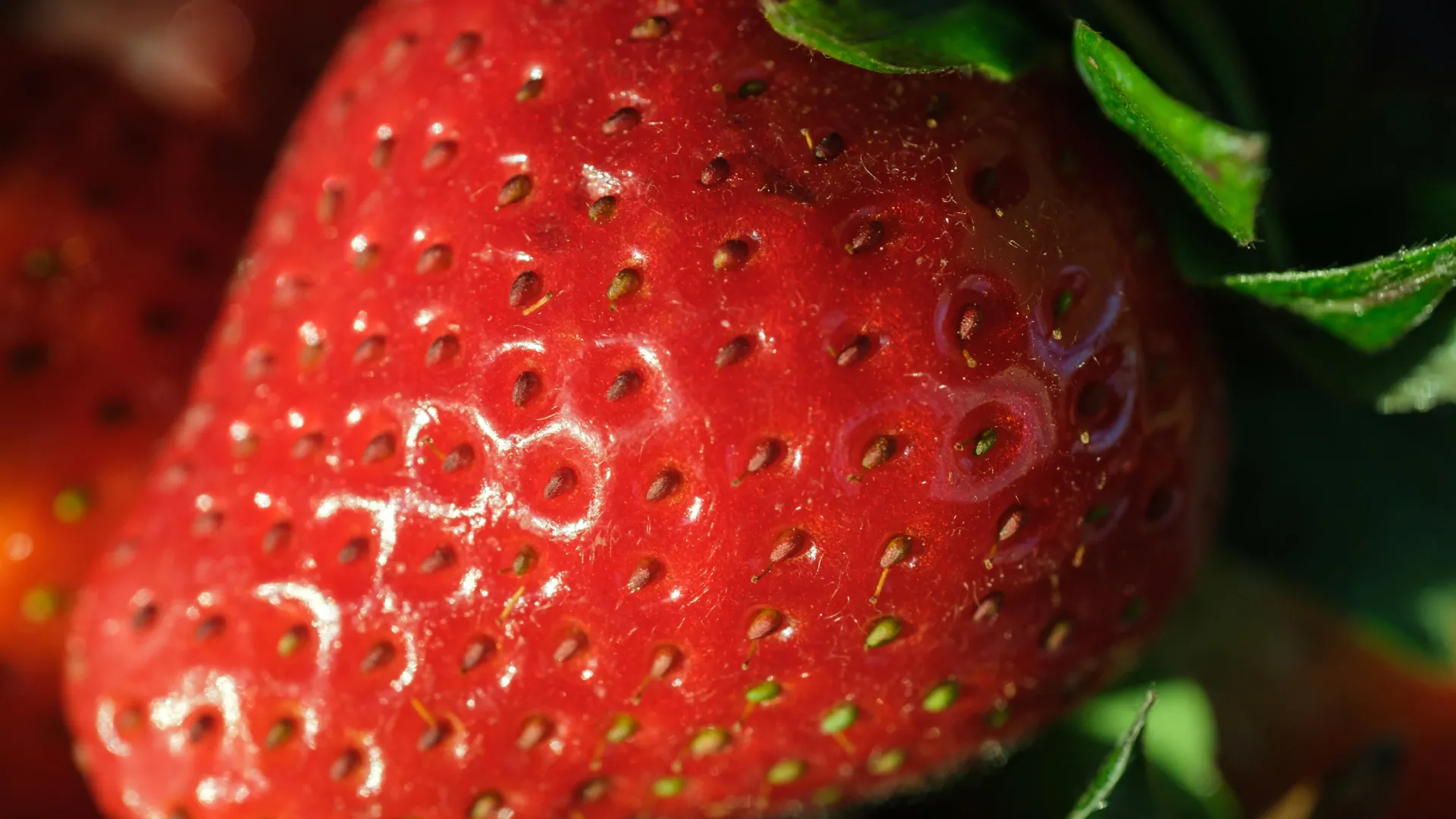
The visual impact of the enhanced anthocyanin production was evident in the fruit’s deeper, more intense red coloration. This richer hue not only enhances visual appeal but also signals a greater concentration of antioxidant compounds. Beyond anthocyanins, other beneficial phytochemicals, including flavonoids and phenolic compounds, also saw a significant increase, further contributing to the fruit’s nutritional density.
The impact on aroma was equally profound. A detailed analysis of volatile organic compounds revealed an increase in pleasant floral notes, with compounds like linalool becoming more abundant. Linalool is a monoterpenoid widely recognized for its characteristic sweet, floral scent, commonly found in lavender and other fragrant plants. Conversely, the concentration of compounds associated with harsher or resinous odors diminished, suggesting a more refined and appealing aroma profile. This sophisticated alteration in the volatile landscape points to a selective enhancement of desirable aroma compounds and a reduction in less pleasant ones, directly contributing to an improved overall sensory experience.
Rethinking the Role of "Housekeeping" Genes in Plant Biology
The findings from this study necessitate a fundamental re-evaluation of the traditional classification of "housekeeping" genes. While these genes are undeniably essential for basic cellular functions, this research powerfully demonstrates their latent capacity to significantly influence complex metabolic traits, particularly in the context of fruit development.
"This study reveals that genes we typically categorize as ‘housekeeping’ can possess remarkably specific and valuable effects," stated Dr. [Insert Hypothetical Lead Researcher Name], lead author of the study and a professor at Nanjing Agricultural University. "By targeting a tRNA-modifying gene instead of the classical hormone regulators, we were able to achieve significant improvements in fruit color, aroma, and nutritional compounds without the growth penalties that so often accompany metabolic engineering efforts. These results suggest that fundamental cellular pathways may quietly but powerfully shape fruit quality, offering plant breeders and biotechnologists novel tools that are both highly effective and biologically gentle."
The researchers’ careful gene expression studies further validated their findings, confirming that the pathways responsible for the synthesis and transport of these beneficial compounds were indeed more active in the engineered plants. This suggests a direct link between the enhanced FveIPT2 activity and the upregulation of these specific metabolic routes.
A New Frontier for Crop Improvement Strategies
The implications of this research extend far beyond woodland strawberries. The identification of FveIPT2 as a key regulator of fruit quality, capable of operating independently of growth regulation, positions it as a highly promising target for the genetic improvement of a wide range of fruit crops. The ability to enhance desirable traits such as antioxidant content, vibrant color, and appealing aroma without compromising yield or plant vigor could revolutionize how high-quality produce is developed and cultivated.
This novel approach offers a distinct advantage over conventional breeding methods, which can be time-consuming and may not always yield the desired combination of traits. Furthermore, it provides a more refined biotechnological strategy compared to broad hormonal manipulations, potentially reducing the risk of off-target effects and offering a more sustainable path to crop enhancement.
The broader scientific community is likely to view this research as a significant paradigm shift. It underscores the vast, untapped potential residing within the core genetic machinery of plants. By uncovering the intricate ways in which genes essential for cellular life can also orchestrate complex traits like fruit quality, this study opens up new avenues for exploring and harnessing the hidden genetic resources within our agricultural staples. The future of crop improvement may lie not only in targeting genes with well-established regulatory roles but also in understanding and leveraging the sophisticated functionalities of genes previously considered merely fundamental to survival. This research marks a pivotal step in that direction, promising a future where superior fruit quality is more attainable and sustainable.


















Leave a Reply