

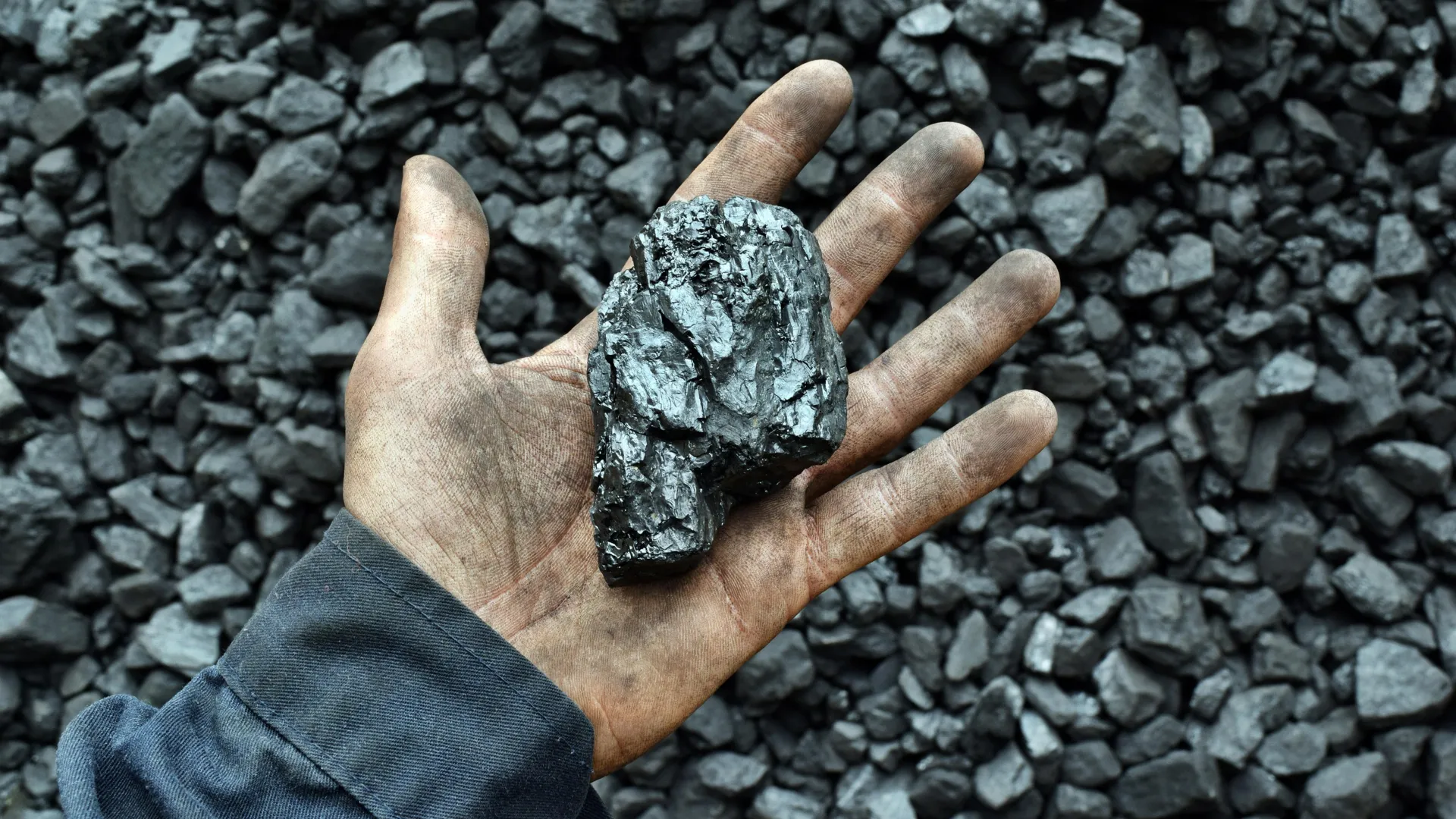
The village of Cumberland, nestled in the Comox Valley on Vancouver Island, British Columbia, is a community defined by its subterranean history. For over eight decades, the town’s identity and economy were inextricably linked to the extraction of coal, a resource that fueled global industry but left a complex legacy of environmental and economic challenges. Today, however, Cumberland is poised to lead a different kind of industrial revolution. Through an innovative partnership with the University of Victoria-led Accelerating Community Energy Transformation (ACET) initiative, the village is exploring a pioneering method to transform its abandoned, flooded mine shafts into a source of clean, renewable geothermal energy. This transition represents a significant shift from an extractive past toward a sustainable future, potentially serving as a global blueprint for former mining towns seeking to revitalize their infrastructure.
The Historical Foundation of Cumberland’s Subsurface Economy
To understand the significance of the Cumberland District Energy project, one must first look at the scale of the industry that preceded it. Coal mining in the region began in earnest in 1888, spearheaded by the Union Colliery Company. Over the next 80 years, the Comox Valley became one of the most productive mining regions in Western Canada. According to historical data provided by local experts including historian Dawn Copeman, approximately 16 million tonnes of coal were extracted from the earth beneath Cumberland and the surrounding areas before operations finally ceased in the late 1960s.
During its peak, the coal from Cumberland was a global commodity. From the docks of Union Bay, ships carried the high-quality bituminous coal to markets as far as Japan and across the British Empire. It powered the steamships of the era, heated homes across the Pacific Northwest, and was essential for the coking processes required in regional metal production. However, the prosperity came at a high cost. The mines were the site of numerous tragedies, including explosions and collapses that claimed the lives of hundreds of workers over the decades. When the mines finally closed, they left a void in the local economy and a labyrinth of tunnels that eventually filled with groundwater. For fifty years, these tunnels were viewed primarily as a liability or a historical relic—until now.
The Science of Mine-Water Geothermal Energy
The Cumberland District Energy project is built upon the principles of geothermal heat exchange, specifically utilizing the thermal mass of water trapped in abandoned mine workings. Unlike deep geothermal projects that require drilling kilometers into the earth’s crust to reach volcanic heat, mine-water systems leverage the relatively shallow, constant temperatures found in flooded tunnels.
Water located deep within these abandoned shafts maintains a consistent temperature regardless of the season, typically hovering between 8 and 12 degrees Celsius in the British Columbia climate. In the winter, this water is significantly warmer than the ambient air; in the summer, it is significantly cooler.
Zachary Gould, the project lead for ACET, explains that this temperature differential is the key to the system’s efficiency. By using industrial-scale heat pumps, the town can extract heat from the water during the winter to warm buildings and dump excess heat back into the water during the summer to provide cooling. Because the system is moving heat rather than generating it through combustion, it is remarkably efficient and produces a fraction of the carbon emissions associated with traditional natural gas or electric resistance heating.
Emily Smejkal of the Cascade Institute, a researcher specializing in geothermal energy, describes the project as a "very large ground-source heat exchanger." Because the network of tunnels extends beneath a significant portion of the town’s footprint, the potential for a district-scale energy system—where a central plant distributes heating and cooling to multiple buildings—is geographically feasible.
A Chronology of Modern Innovation
The path from coal to geothermal energy in Cumberland was not instantaneous. It began with a shift in community values and a series of technical realizations:
- Post-Mining Transition (1970s–2000s): Following the mine closures, Cumberland transitioned into a residential and recreational hub, gaining international fame for its mountain biking trails and forest scenery.
- The 2011 Pivot: A proposal for a new coal mining project near Union Bay, the Raven Underground Coal Project, met with fierce community opposition. This marked a definitive turning point where the community signaled it was no longer interested in traditional extractive industries.
- Geological Re-evaluation (2015–2020): Local geologists, including Cory MacNeill, began discussing the properties of the abandoned mines. Initial conversations focused on managing methane gas and water runoff, but soon evolved into discussions about the thermal potential of the flooded shafts.
- The ACET Partnership (2022–Present): Mayor Vickey Brown, seeking ways to modernize municipal infrastructure, connected with the University of Victoria’s ACET initiative. This partnership provided the academic and engineering "horsepower" that a small village of 4,800 people could not afford on its own.
- Feasibility and Mapping: Current efforts are focused on high-resolution mapping of the mine shafts to estimate the total volume of water and its thermal capacity.
Strategic Implementation and Community Impact
The project is currently focused on a high-priority "civic redevelopment" site. This area includes the village office, council chambers, public works facilities, and the local recreation center—all of which sit directly above documented mine workings. By integrating geothermal energy into the redevelopment of these municipal assets, the town aims to drastically reduce its long-term operational costs and carbon footprint.
Beyond municipal buildings, the project identifies an industrial zone near Comox Lake as a secondary target. This area could potentially host businesses that require high-intensity temperature control. For example, greenhouses or food processing facilities could utilize the low-cost geothermal energy to operate year-round, creating a new "green" industrial sector for the village.
Mayor Vickey Brown emphasizes that this is not just about utility bills; it is about community resilience and identity. "This is something that old Cumberland can be proud of," Brown stated. "We’re using the waste of that old resource to transition to cleaner energy. It’s a way to highlight the history of Cumberland and bring it into a sustainable-future ethos."
Comparative Analysis: Lessons from Nanaimo and Springhill
Cumberland is not the first community to explore this technology, and it draws inspiration from existing success stories. In Nanaimo, British Columbia, similar principles have been applied to use mine water for heating. Perhaps the most famous example in Canada is Springhill, Nova Scotia. Since the late 1980s, Springhill has used water from its abandoned coal mines to provide heating and cooling for a variety of industrial and commercial buildings.
Data from the Springhill project suggests that mine-water geothermal can reduce heating costs by up to 60% compared to traditional fossil fuels. Furthermore, these systems have proven to be exceptionally reliable, providing consistent energy for decades with minimal maintenance compared to complex combustion systems. For Cumberland, these precedents serve as a "proof of concept" that mitigates the perceived risk of the investment.
Economic and Environmental Implications
The implications of the Cumberland District Energy project extend far beyond the village limits. As British Columbia and Canada strive to meet ambitious net-zero targets, the repurposing of "brownfield" industrial sites into clean energy hubs is a critical strategy.
Economic Resilience: For small municipalities, the cost of heating and cooling public infrastructure is a major budgetary line item. By stabilizing energy costs through a local, renewable source, Cumberland can insulate itself from the volatility of global fossil fuel markets. Additionally, the presence of a district energy system can attract developers interested in building "green" affordable housing, as the lower utility costs make such projects more viable for residents.
Environmental Stewardship: The transition from coal—the most carbon-intensive fossil fuel—to a geothermal system represents a poetic closing of the carbon loop. The project turns a legacy of environmental degradation into a tool for climate mitigation.
Resource Extraction Reimagined: Zachary Gould notes that the project challenges the traditional definition of resource extraction. Instead of removing a finite material and leaving behind a void, the community is "harvesting" a renewable thermal flow from the infrastructure left behind. This "circular" approach to industrial ruins is a burgeoning field of study in urban planning and sustainable development.
Challenges and Future Outlook
Despite the optimism, the project faces hurdles typical of innovative infrastructure. Mapping 19th-century mine shafts is a complex task; while historical records exist, they are not always accurate to the meter. There are also regulatory and environmental considerations regarding the movement of groundwater and ensuring that the heat exchange process does not negatively impact local aquifers or surface water bodies like Comox Lake.
However, the collaboration with the University of Victoria provides a robust framework for addressing these technical challenges. The ACET initiative’s role is to build a "business case" that can eventually be used to secure provincial and federal infrastructure grants.
As Cumberland continues its feasibility studies, the eyes of other former mining towns across the Appalachian Mountains in the United States and the industrial heartlands of the United Kingdom and Germany may well be on this small Vancouver Island village. If Cumberland succeeds, it will prove that the "ruins of extraction" are not merely a burden of the past, but are, in fact, the foundations of a clean energy future. The very tunnels that once saw the removal of millions of tonnes of coal may now provide the warmth and cooling necessary to sustain the community for the next hundred years.

















Leave a Reply