

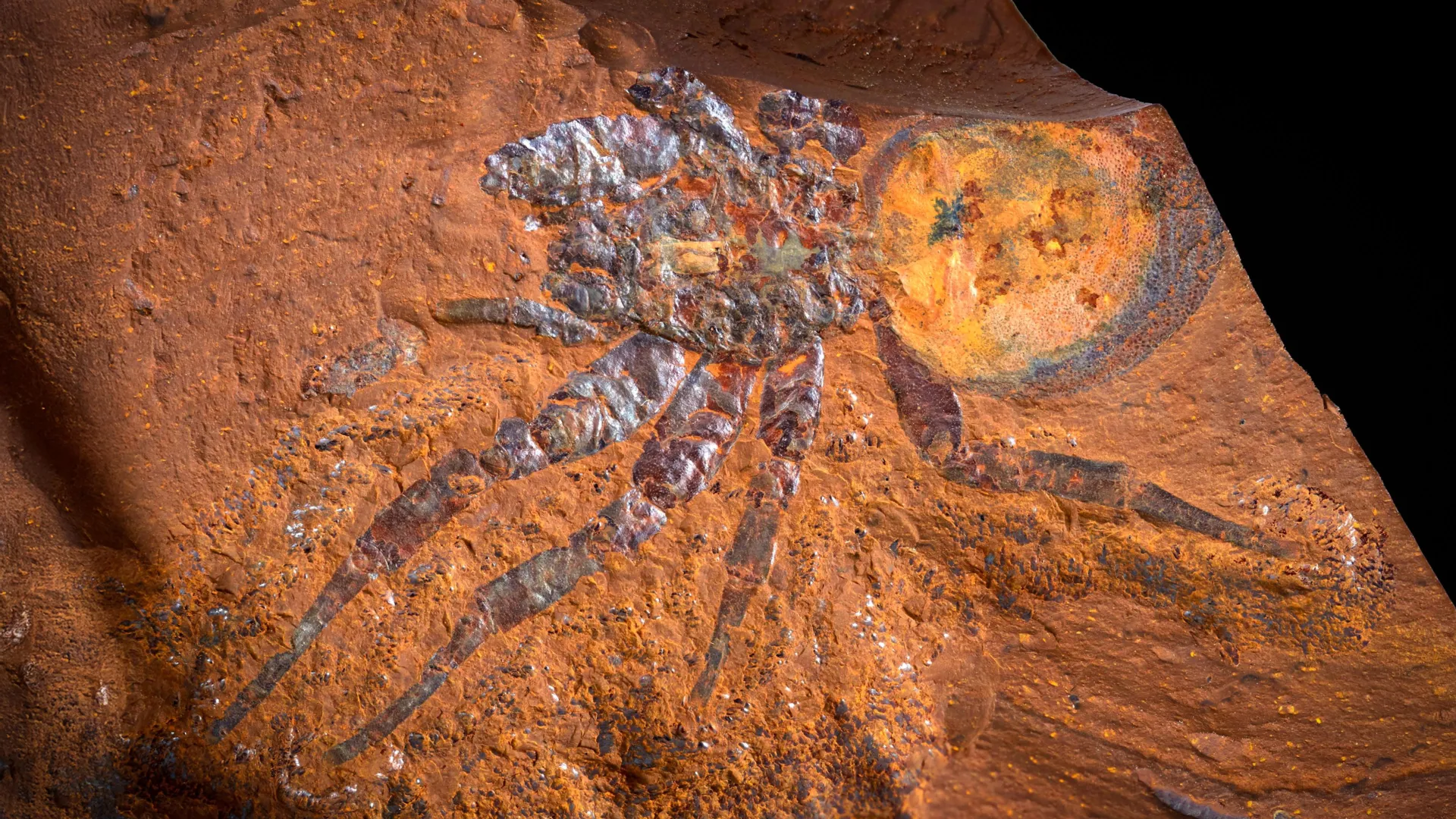
Beneath the rolling farmlands of New South Wales’ central tablelands lies a geological marvel that is fundamentally reshaping our understanding of fossil preservation: McGraths Flat. This extraordinary site, dating back between 11 million and 16 million years to the Miocene epoch, a pivotal period in Earth’s history when many of today’s familiar plants and animals first emerged, is revealing secrets previously thought impossible to capture in such detail. Researchers from the Australian Museum Research Institute have unearthed an exceptionally preserved collection of fossils, offering an unprecedented window into a lost rainforest ecosystem that once thrived in this now arid landscape.
The geological tapestry of McGraths Flat is striking, characterized by deep red rocks composed entirely of goethite, a fine-grained, iron-rich mineral. This pervasive iron has acted as an almost perfect preservative, locking away delicate specimens of plants, insects, spiders, fish, and even the ephemeral traces of feathers with remarkable clarity. A recent groundbreaking study, published in the esteemed journal Gondwana Research, not only showcases these astonishing finds but also challenges deeply entrenched scientific assumptions about the types of geological environments capable of producing exceptionally preserved fossils and the conditions under which such preservation occurs.
Rethinking the Cradle of Exceptional Fossils: Beyond Traditional Sediments
For decades, the scientific community has largely associated the most remarkable fossil sites with specific rock types. Shale, sandstone, limestone, and volcanic ash have historically been the bedrock of paleontological discovery, providing the fine-grained sediments necessary for rapid burial, a crucial factor in preserving not only the hard skeletal elements of organisms but also their more fragile soft tissues.
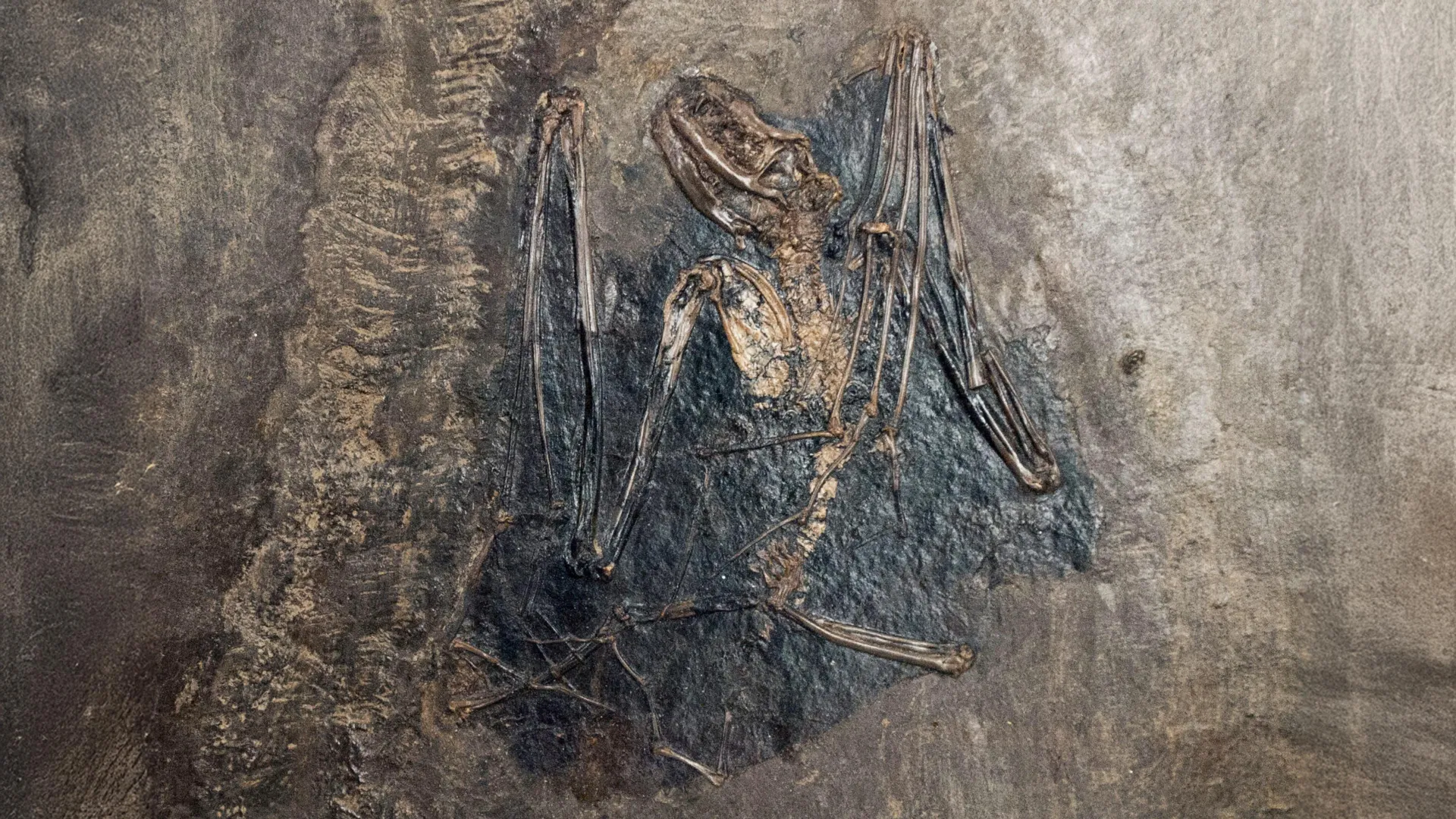
Iconic fossil localities such as Germany’s Messel Pit, approximately 47 million years old, are renowned for their exquisite preservation of soft tissues, including feathers, fur, and skin, offering vivid snapshots of Eocene life. Similarly, Canada’s Burgess Shale, dating back around 500 million years, provides an unparalleled glimpse into the dawn of complex animal life, preserving soft-bodied organisms from the Cambrian explosion. These sites, formed under specific anoxic or rapidly burying conditions, have long been the benchmark for what constitutes exceptional fossil preservation.
In stark contrast, iron-rich rocks have historically been relegated to the sidelines when it comes to the preservation of exquisitely detailed fossils, particularly those originating from terrestrial, land-based environments. This perception is largely rooted in the study of ancient, oxygen-poor oceans where vast deposits of banded iron formations were laid down billions of years ago, long before the evolution of complex life. More recently, iron has been predominantly understood as a product of weathering on land, forming the ubiquitous rust that colors Australia’s iconic red landscapes. While these weathered iron compounds can preserve large-scale geological features over immense timescales, they have not typically been considered conducive to the microscopic fidelity seen in other fossil-rich strata. The discoveries at McGraths Flat, however, are definitively rewriting this narrative.
A Ferricrete Miracle: Unveiling Cellular Detail in Iron-Rich Deposits
The rock matrix at McGraths Flat is a unique form of ferricrete, a naturally cemented iron-rich material. This ferricrete is not merely a passive encasement but an active participant in fossilization. It is composed of microscopic iron-oxyhydroxide particles, each measuring a mere 0.005 millimeters. When organisms perished and were buried within this environment, these incredibly fine particles infiltrated their cellular structures, effectively acting as a microscopic cast. This intricate infilling process is the key to the extraordinary preservation of soft tissues, down to the cellular level.
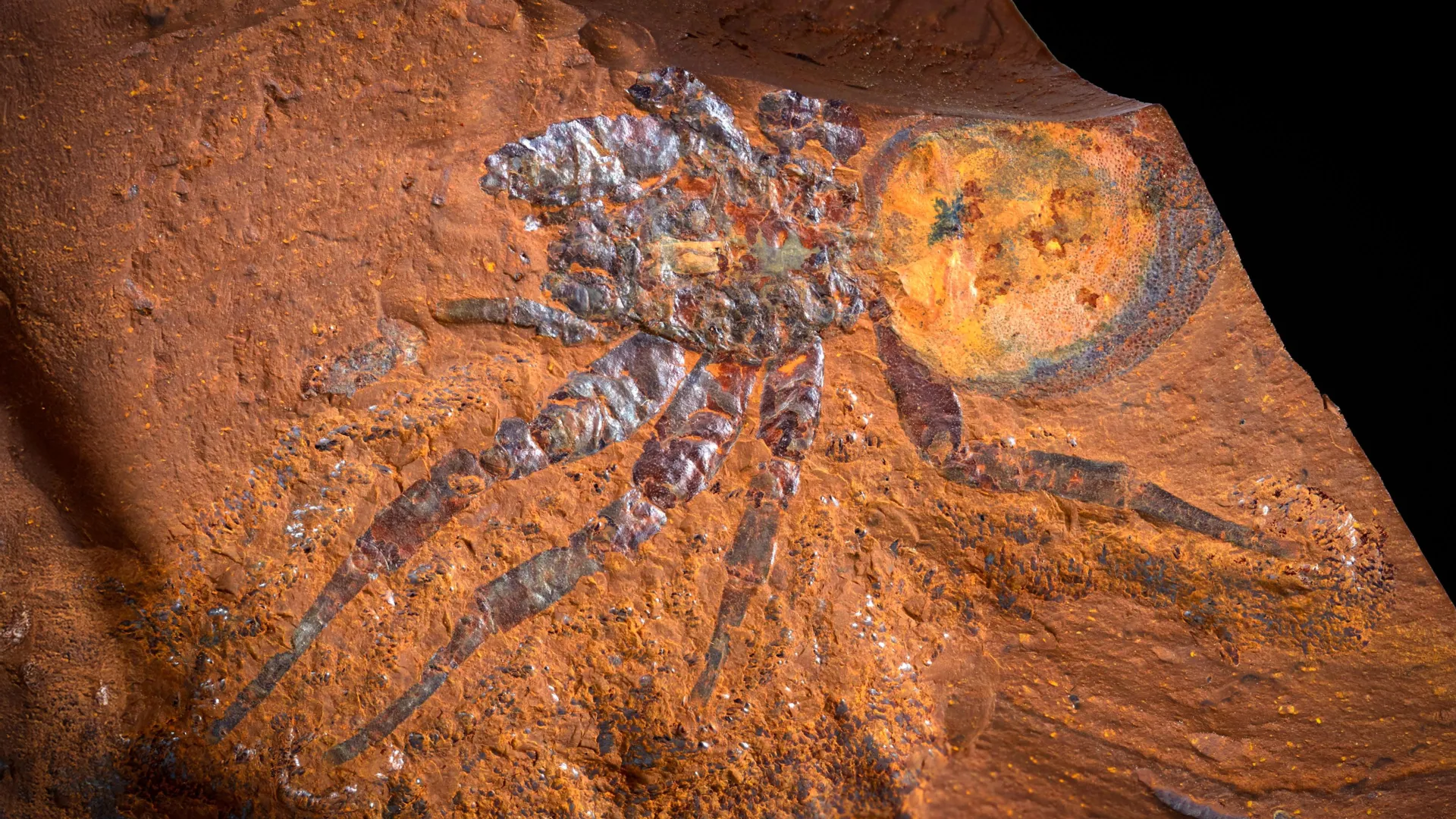
The rarity of fossil sites that preserve terrestrial ecosystems is already a significant challenge for paleontologists. Sites that capture the delicate soft tissues of land-dwelling organisms are even rarer. McGraths Flat distinguishes itself by preserving features that are almost never found preserved, especially in an iron-rich matrix. Scientists have meticulously identified pigment cells within the eyes of ancient fish, revealing the precise coloration of these creatures. Internal organs of insects and fish have been preserved in remarkable detail, providing insights into their physiology. Furthermore, the fine anatomical structures of terrestrial arthropods, such as the delicate hairs and even nerve cells of spiders, have been meticulously captured. This level of detail rivals, and in some cases surpasses, that found at the world’s most celebrated fossil sites formed in shale or sandstone. The profound difference lies in the medium of preservation: iron, rather than more traditionally recognized sedimentary materials.
The Miocene Rainforest: A Chronology of Fossilization at McGraths Flat
The geological narrative of McGraths Flat, as elucidated by the recent study, offers a compelling explanation for its unique formation, providing invaluable clues for the potential discovery of similar sites globally.
The Miocene Epoch (Approximately 23 to 5 million years ago): During this period, the region that is now McGraths Flat was vastly different from its current arid state. It was characterized by a warm and wet climate, supporting a lush and thriving rainforest ecosystem.
Iron Mobilization: The underlying geology of the area at the time included basaltic rocks. The warm, wet conditions facilitated the weathering of these basalts, releasing significant quantities of iron into the environment.
Groundwater Transport: Acidic groundwater, prevalent in the rainforest environment, dissolved and transported this liberated iron underground. This process created a reservoir of iron-rich water circulating beneath the surface.
River System and Oxbow Lake Formation: The iron-rich groundwater eventually intersected a dynamic river system. Within this system, an oxbow lake formed – a crescent-shaped lake created when a meander of a river is cut off from the main channel. These ancient lakes, often rich in organic matter and sediment, provided a tranquil environment.
Sedimentation and Infiltration: The dissolved iron within the groundwater precipitated out to form extremely fine iron-oxyhydroxide sediments within the oxbow lake. As organisms, from microscopic invertebrates to larger fish and terrestrial animals that found their way to the lake’s edge or perished within it, settled on the lake floor, these exceptionally fine iron particles rapidly coated and infiltrated their bodies.
Diagenesis and Fossilization: Over millions of years, these iron-rich sediments underwent diagenesis, a process of physical and chemical changes that occur after deposition. The iron particles effectively cemented the organic material, preserving soft tissues at a microscopic level. This process, occurring within an iron-rich matrix, resulted in the exceptionally detailed fossils discovered today.
Implications for Paleontological Discovery: A New Frontier in the Search for Ancient Life
The comprehensive understanding of McGraths Flat’s formation provides a vital blueprint for paleontologists worldwide. Researchers are now equipped with a refined strategy for identifying other potential iron-rich fossil sites. The study suggests a focused search for very fine-grained, layered ferricrete formations in locations that exhibit specific geological and paleoenvironmental characteristics. These include:
- Evidence of Past Rainforest Environments: Identifying geological strata that indicate a history of warm, wet climates and dense vegetation.
- Presence of Iron-Rich Parent Rocks: Areas with geological formations known to release significant amounts of iron upon weathering, such as basalts or ironstones.
- Indications of Groundwater Systems: Geological evidence pointing to the past presence of active groundwater circulation capable of transporting dissolved minerals.
- Proximity to Ancient River Systems or Lakes: Locating geological formations that were once part of ancient riverine or lacustrine environments, which could have served as depositional basins.
The discoveries at McGraths Flat represent a significant paradigm shift in our understanding of how exceptional fossil sites can form. They demonstrate that the potential for preserving ancient life is not confined to the traditional sedimentary rocks that have dominated paleontological research for so long. Future breakthroughs in understanding ancient terrestrial life may very well emerge not from the familiar shale or sandstone quarries, but from the less expected, yet remarkably potent, iron-rich deposits hidden beneath the Earth’s surface. This opens up vast new avenues for exploration and could lead to the recovery of countless more secrets from our planet’s deep past.
The scientific team behind these remarkable discoveries also extends their sincere gratitude and acknowledges the traditional custodians of the land and waterways on which McGraths Flat is located. They recognize and respect the enduring connection and cultural heritage of the Wiradjuri Nation people to this significant landscape.















Leave a Reply