

In a significant move to bolster its pipeline and solidify its strategic focus on the complex challenges of obesity, global biopharmaceutical giant GSK has acquired exclusive global rights to SiranBio’s early-stage metabolic oligonucleotide therapy, SA030, for up to $1 billion. This landmark deal, announced by the companies, positions GSK to tap into an emerging therapeutic pathway for weight management and associated cardiometabolic risks, while simultaneously strengthening its portfolio in anticipation of key patent expirations. The agreement underscores a growing trend of Western pharmaceutical firms licensing innovative assets from burgeoning Chinese biotechnology companies, reflecting a globalized approach to drug development and market access.
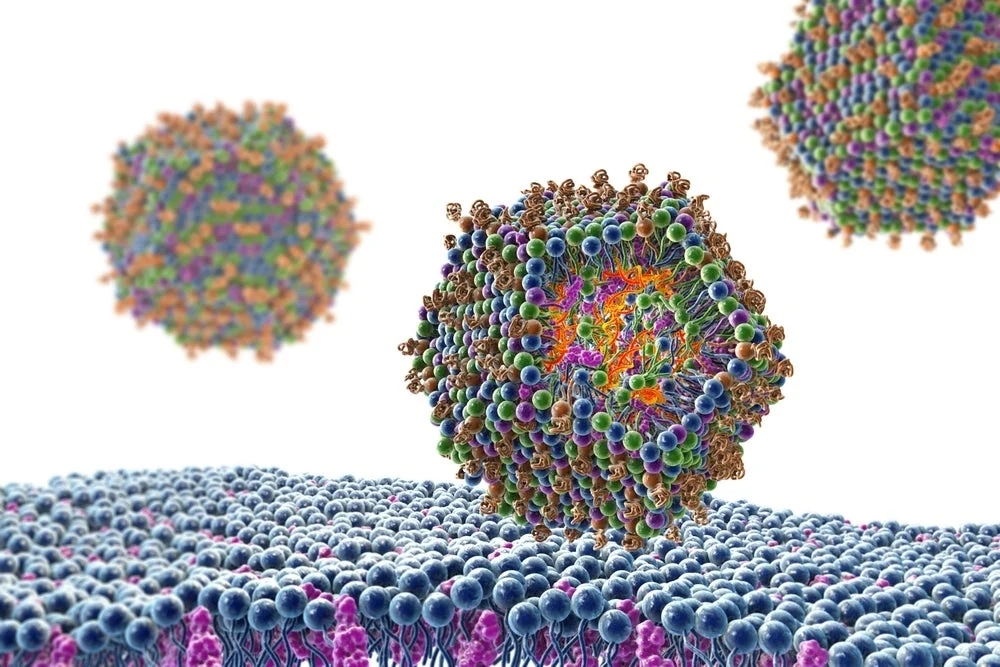
The core of this strategic alliance lies in SA030, a potential first-in-disease small interfering RNA (siRNA) therapy developed by SiranBio, a Shanghai-based biotech firm. Under the terms of the exclusive agreement, GSK gains worldwide rights to SA030 outside of Greater China (including mainland China, Hong Kong, Macau, and Taiwan). The financial framework of the deal involves an upfront payment from GSK to SiranBio, coupled with the commitment of potential milestone payments totaling up to $1.005 billion. Furthermore, should SA030 successfully navigate the regulatory pathway and reach the market, SiranBio is also slated to receive tiered royalties on global net sales, creating a robust incentive structure for both parties.
SA030 is engineered as a long-acting therapy that targets activin receptor-like kinase 7 (ALK7). Its primary therapeutic aim is to reduce cardiometabolic risk in patients by decreasing abdominal fat accumulation. Notably, early indications suggest that SA030 may also help preserve muscle mass, a critical consideration in the evolving landscape of obesity therapeutics. This aspect is particularly relevant given recent discussions and emerging data regarding the potential for muscle loss with some of the current leading weight-loss medications.
SiranBio has highlighted the broad clinical potential of ALK7 inhibition, positing it as a complementary approach to established cardiometabolic treatments. The company suggests that ALK7 inhibition could work synergistically with or offer an alternative to widely prescribed drug classes such as glucagon-like peptide-1 receptor agonists (GLP-1RAs) and sodium-glucose cotransporter-2 (SGLT2) inhibitors, which are routinely used in the management of obesity and type 2 diabetes. This strategic differentiation is significant, as many pharmaceutical companies are currently focused on optimizing combination therapies based on glucagon, GLP-1, and glucose-dependent insulinotropic polypeptide (GIP) pathways. SiranBio’s approach, by targeting ALK7, diverges from this dominant trend, potentially opening up a novel therapeutic niche.
A Competitive Landscape for ALK7 Inhibition
GSK’s interest in ALK7 inhibition is not isolated. Arrowhead Pharmaceuticals, another prominent player in the RNA interference (RNAi) space, is also actively developing a drug targeting this pathway. Arrowhead’s investigational therapy, ARO-ALK7, has shown promising results in preliminary clinical trials. In a Phase I/IIa trial (NCT06937203), ARO-ALK7 demonstrated potential benefits when administered in combination with Eli Lilly’s blockbuster drug Zepbound (tirzepatide), a GLP-1 and GIP receptor agonist. This parallel development underscores the growing recognition of ALK7 as a compelling target for obesity and metabolic disorders, signaling a potentially competitive but also validating environment for GSK’s strategic acquisition.
GSK’s Evolving Obesity Strategy
The acquisition of SA030 from SiranBio represents a pivotal moment in GSK’s intensified efforts to carve out a significant presence in the burgeoning obesity market. This market has seen explosive growth, with major players like Eli Lilly recently achieving a $1 trillion market capitalization, largely driven by the success of their weight-management therapies. While GSK is deliberately avoiding direct competition within the increasingly saturated GLP-1RA class, the company is strategically focusing on alternative mechanisms that address the broader health consequences and downstream complications associated with obesity.
GSK’s pipeline development in this arena is multifaceted. Beyond the SiranBio deal, the company is actively advancing efzofalone alfa, a therapeutic candidate for metabolic dysfunction-associated steatohepatitis (MASH). This therapy is currently undergoing rigorous evaluation in the Phase III ZENITH program (NCT07221227; NCT07221188), with ongoing clinical trials registered on ClinicalTrials.gov. MASH, a progressive liver disease strongly linked to obesity and metabolic syndrome, represents a significant unmet medical need, and GSK’s investment in this area aligns with its broader strategy of addressing complex cardiometabolic conditions.
Further reinforcing its commitment to metabolic health, GSK recently acquired 35Pharma for $950 million. This acquisition brought with it HS235, 35Pharma’s lead pulmonary hypertension (PH) asset. GSK’s Chief Scientific Officer, Tony Wood, has publicly lauded HS235 for its potential to deliver “fat-driven weight loss” and other metabolic health benefits, suggesting that the company views this asset as having broader applications beyond its initial indication. This strategic layering of assets demonstrates GSK’s intention to build a comprehensive portfolio targeting various facets of metabolic health and obesity-related complications.
A Booming Market with Shifting Dynamics
The strategic impetus behind GSK’s moves is firmly rooted in the immense economic potential of the global obesity market. A comprehensive report from GlobalData, the parent company of Pharmaceutical Technology, projects that sales in the obesity sector are set to reach a staggering $206 billion by 2031 alone. This exponential growth trajectory highlights the substantial unmet need and the significant commercial opportunities that pharmaceutical companies are striving to capture.
As the obesity market continues its rapid expansion, analysts are closely observing the evolving therapeutic landscape. GlobalData analysts predict a notable shift in market share away from solely GLP-1RA-centric treatments. Their research indicates that emerging therapeutic modalities, such as drugs targeting the calcitonin receptor, are poised to gain significant traction in the coming years. This forecast suggests that diversification of therapeutic approaches, beyond the current dominant mechanisms, will be key to long-term success in the obesity arena. GSK’s investment in ALK7 inhibition and its broader focus on metabolic complications appear to be well-aligned with these predicted market dynamics, positioning the company to capitalize on future therapeutic advancements and patient needs.
Background and Implications of the Deal
The deal between GSK and SiranBio is not merely a transaction; it is a strategic maneuver that reflects several critical trends in the pharmaceutical industry. Firstly, it underscores GSK’s proactive approach to pipeline replenishment. With several of its key blockbuster drugs facing patent cliffs in the coming years, the company is actively seeking to secure novel assets that can drive future revenue growth. The investment in SA030, an early-stage therapy with significant upside potential, is a testament to this strategy.
Secondly, the agreement highlights the increasing importance of Chinese biotech companies as sources of innovation. SiranBio, a relatively young but ambitious firm, has successfully developed a promising therapeutic candidate that has attracted the attention of a global pharmaceutical leader. This collaboration signifies a maturing ecosystem within China’s biopharmaceutical sector, capable of producing groundbreaking research and development that can compete on a global stage. For GSK, licensing from SiranBio offers a more cost-effective and potentially faster route to market for a novel therapy compared to entirely in-house discovery and development.
Thirdly, the focus on ALK7 inhibition itself represents a shift towards understanding and modulating complex metabolic pathways beyond the well-trodden GLP-1 route. While GLP-1 receptor agonists have revolutionized weight management, their associated side effects and limitations have spurred the search for alternative mechanisms. ALK7, a receptor involved in metabolic regulation and adipogenesis, presents a compelling target for reducing fat mass while potentially preserving lean body mass. This aligns with GSK’s stated intention to address the "complications of obesity," which extend beyond simple weight reduction to encompass a range of metabolic and cardiovascular health issues.
The potential implications of this deal are far-reaching. If SA030 proves successful in clinical trials, it could offer a new therapeutic option for individuals struggling with obesity and its associated health risks. Its differentiated mechanism of action may appeal to patients who do not respond optimally to current treatments or who experience unacceptable side effects. Furthermore, the success of this collaboration could pave the way for more cross-border partnerships between Western pharmaceutical giants and innovative Chinese biotechs, fostering a more collaborative and efficient global drug development landscape.
The financial commitment of up to $1 billion, while substantial, is typical for late-stage preclinical or early-stage clinical assets with significant market potential in the competitive obesity and metabolic disease space. This level of investment reflects the high stakes and the anticipated returns in a market projected to reach hundreds of billions of dollars within the next decade. For SiranBio, this deal provides crucial funding and validation, enabling them to advance SA030 through clinical development and potentially reach patients worldwide, while also offering a significant return on their initial investment and intellectual property.
As GSK navigates the complexities of bringing SA030 to market, the company will undoubtedly leverage its extensive clinical development expertise, regulatory affairs capabilities, and global commercial infrastructure. The journey from early-stage therapy to approved medicine is fraught with challenges, but the strategic rationale behind this acquisition is clear: to position GSK at the forefront of innovative obesity and cardiometabolic disease treatment, diversifying its portfolio and securing its long-term growth in a rapidly evolving healthcare landscape. The successful integration of SiranBio’s asset into GSK’s pipeline will be closely watched as a bellwether for future collaborations and therapeutic advancements in the critical fight against obesity.













Leave a Reply