

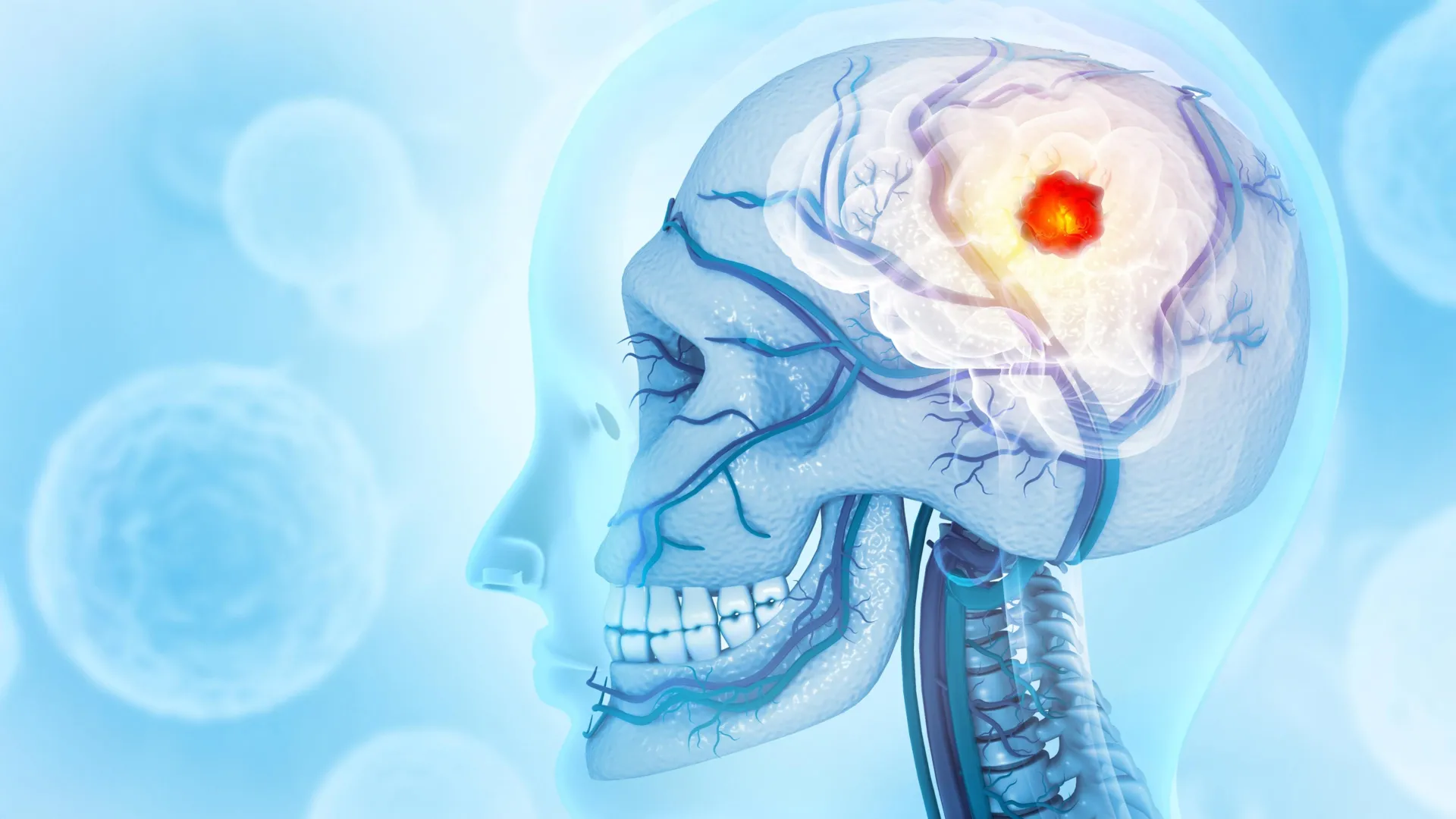
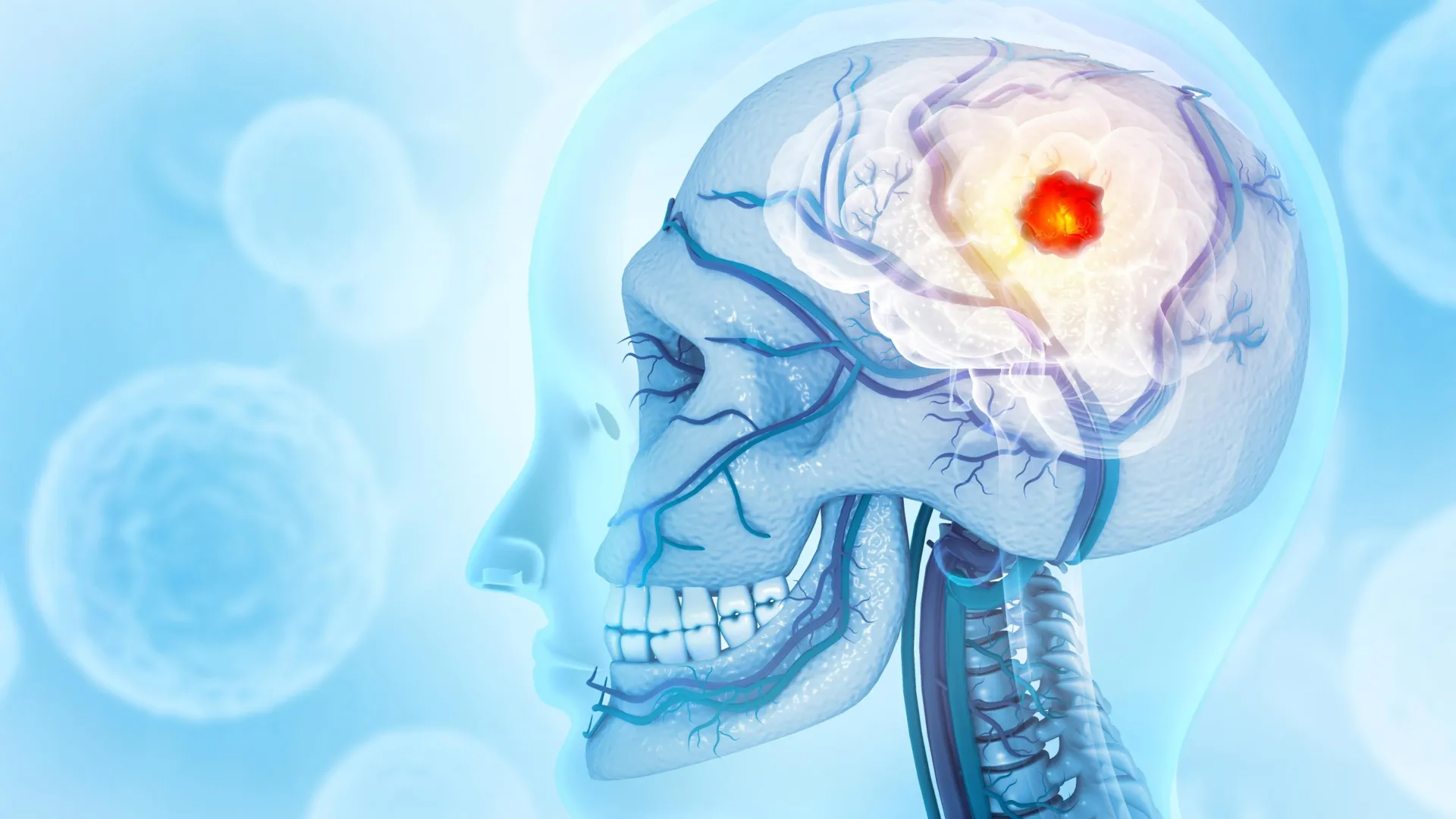
Researchers from the Montefiore Einstein Comprehensive Cancer Center (MECCC) and the Albert Einstein College of Medicine have unveiled a paradigm-shifting discovery regarding glioblastoma, the most aggressive and lethal primary brain malignancy. Their study, published in the journal Nature Neuroscience on October 3, demonstrates that glioblastoma is not merely a localized neurological threat but a systemic disease that actively manipulates the skeletal structure of the skull and the immune reservoirs within the bone marrow. By eroding the calvarial bone—the upper portion of the skull—and altering the production of immune cells, the tumor creates a direct pipeline for pro-inflammatory cells to fuel its own growth. Perhaps most significantly, the study reveals that common medications used to treat bone loss, such as those for osteoporosis, may inadvertently accelerate the progression of certain glioblastomas and interfere with modern immunotherapy.
The Paradigm Shift: From Local to Systemic Malignancy
Glioblastoma multiforme (GBM) has long been characterized by its rapid growth, invasive nature, and the formidable challenge of the blood-brain barrier, which prevents many chemotherapeutic agents from reaching the tumor. Traditionally, clinical approaches have focused almost exclusively on the brain tissue itself, utilizing a combination of surgical resection, localized radiation, and the chemotherapy drug temozolomide. Despite these aggressive interventions, the prognosis for patients remains grim. According to the National Cancer Institute (NCI), approximately 15,000 individuals are diagnosed with glioblastoma annually in the United States, with a median survival rate of only 15 months.
The findings presented by the Einstein and MECCC team suggest that the persistent failure of current therapies may stem from a fundamental misunderstanding of the disease’s scope. "Our discovery that this notoriously hard-to-treat brain cancer interacts with the body’s immune system may help explain why current therapies—all of them dealing with glioblastoma as a local disease—have failed," stated Jinan Behnan, Ph.D., the paper’s corresponding author and assistant professor at Einstein. Dr. Behnan, who is a member of the NCI-designated MECCC, emphasized that the research points toward the necessity of more holistic, systemic treatment strategies.
The Mechanism of Bone Erosion and Communication Channels
At the heart of the study is the discovery of how glioblastoma interacts with the skull’s anatomy. The skull is not a solid, inert shield; like other bones, it contains marrow that serves as a vital nursery for immune and blood cells. Recent anatomical studies have identified microscopic channels that connect the skull marrow directly to the brain’s surface, allowing for the exchange of molecular signals and cellular traffic.
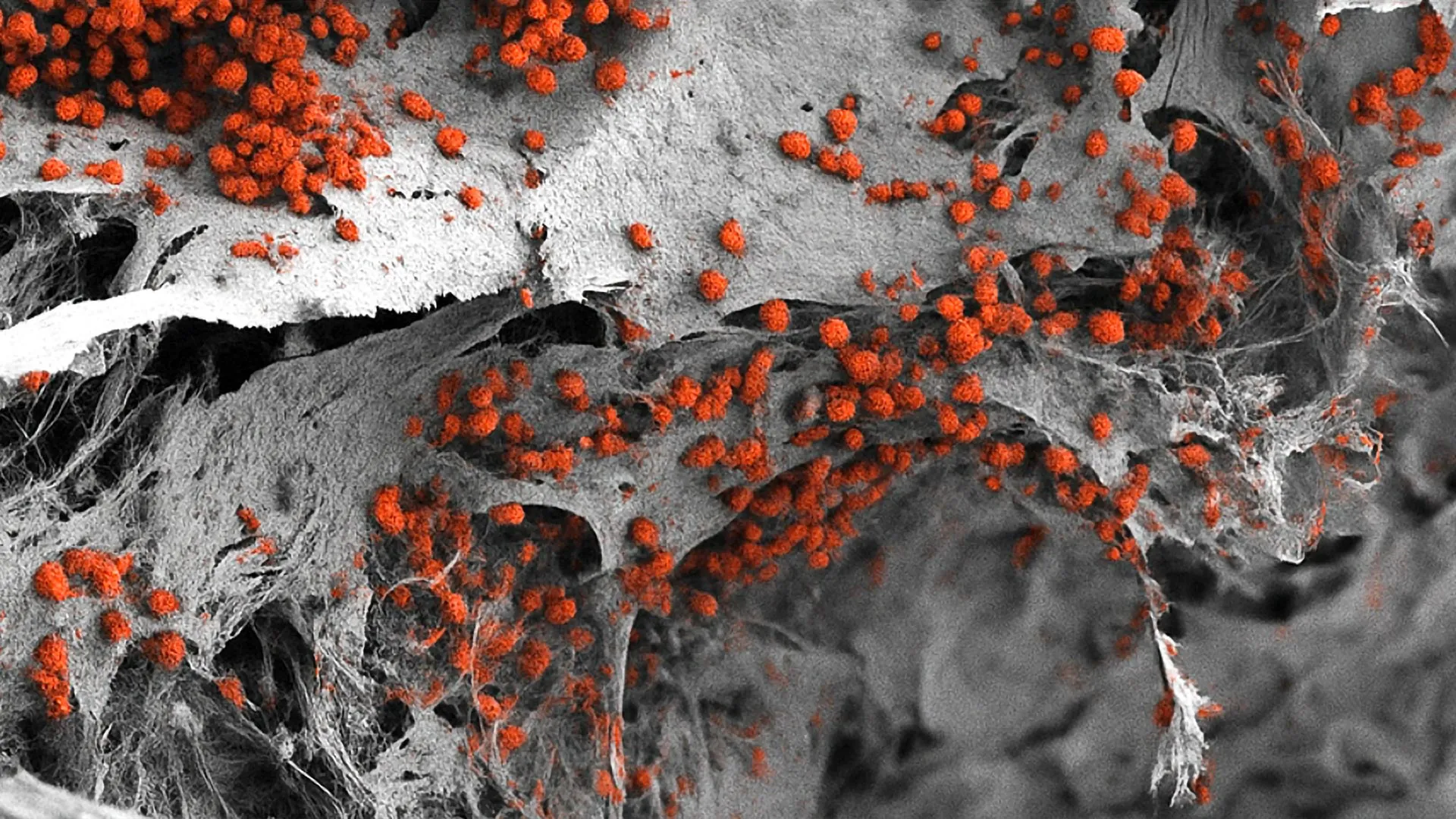
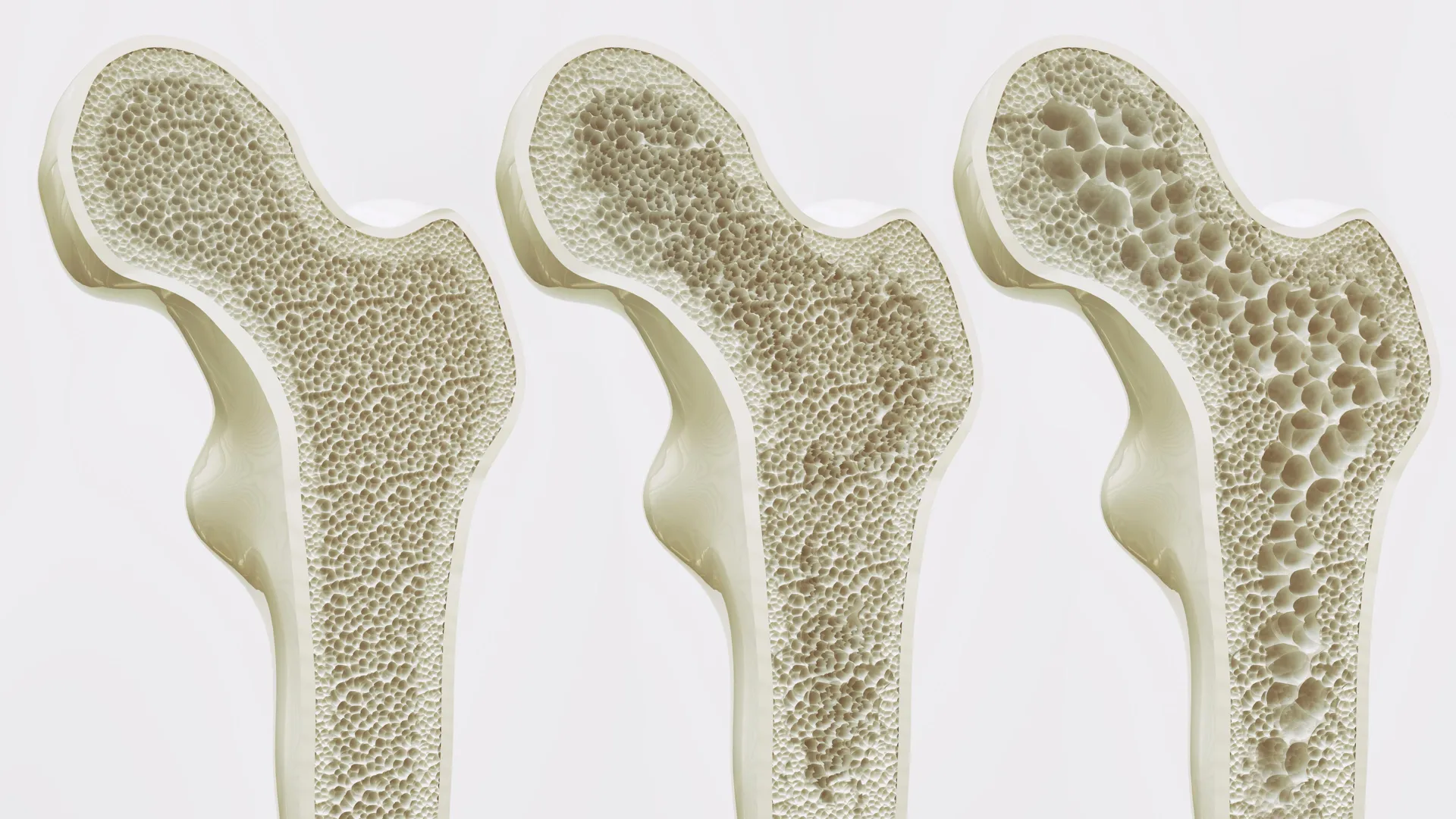
Using high-resolution imaging and mouse models of two distinct types of glioblastoma, the researchers observed a striking phenomenon: the presence of the tumor led to significant erosion of the skull bone. This degradation was most pronounced along the sutures—the fibrous joints where the various bones of the skull fuse. Crucially, this bone loss was not a general response to brain trauma. The researchers compared the glioblastoma models to mice that had suffered strokes or other types of brain injuries, as well as mice with cancers located elsewhere in the body. In those cases, the skull remained intact. This confirmed that the bone erosion was a specific, pathological consequence of aggressive brain tumors.
To validate these findings in humans, the team analyzed CT scans of patients diagnosed with glioblastoma. The results mirrored the animal models, showing a measurable reduction in skull thickness in the regions adjacent to the tumor. In the mice, this erosion led to a significant increase in both the size and number of the channels linking the skull marrow to the brain. These widened conduits essentially serve as a "highway" for the tumor to communicate with the skeletal system.
Hijacking the Immune Landscape
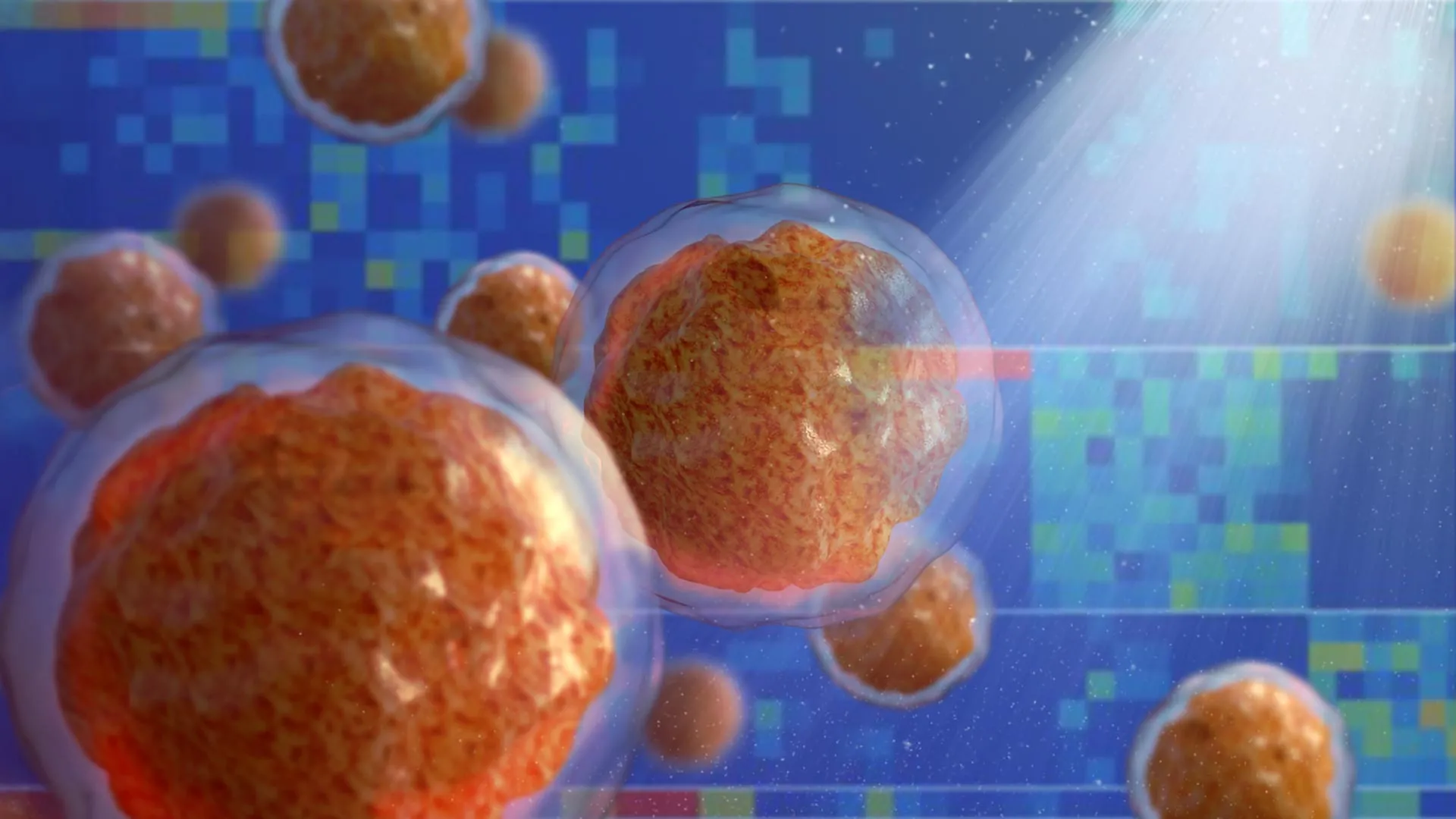
The most profound impact of this skull-brain connection is the alteration of the immune environment within the bone marrow. Using single-cell RNA sequencing, a technology that allows scientists to examine the genetic activity of individual cells, the research team discovered that glioblastoma triggers a massive shift in the types of immune cells produced in the skull.
Under normal conditions, the bone marrow maintains a balance of various immune cells, including B cells (which produce antibodies) and myeloid cells (which respond to infection and inflammation). However, the presence of glioblastoma shifted this balance toward a pro-inflammatory state. The researchers found that the levels of inflammatory neutrophils nearly doubled, while the population of B cells was almost entirely depleted.
"The skull-to-brain channels allow an influx of these numerous pro-inflammatory cells from the skull marrow to the tumor, rendering the glioblastoma increasingly aggressive and, all too often, untreatable," explained study co-author E. Richard Stanley, Ph.D., a professor of developmental and molecular biology at Einstein. These myeloid cells, once they reach the tumor site, create an immunosuppressive microenvironment that protects the cancer from the body’s natural defenses and from certain medical treatments.
A Divergence in Marrow Response
In a surprising twist that further highlights the systemic nature of the disease, the researchers found that the body’s bone marrow does not react uniformly to the presence of a brain tumor. While the skull marrow was activated to produce inflammatory cells, the marrow found in the femur (the thigh bone) showed an opposite reaction. In the femur, the cancer appeared to suppress the genes necessary for producing various immune cells.
This localized "reprogramming" of the skull marrow suggests that the tumor is capable of exerting a specific, regional influence on the skeleton to serve its own survival. It implies that the tumor is not just sending out a general distress signal to the body but is actively engineering its immediate surroundings—including the bone and marrow—to facilitate its growth.
The Pharmaceutical Conflict: Osteoporosis Drugs and Immunotherapy
One of the most clinically significant aspects of the study involves the use of anti-osteoporosis medications. Because glioblastoma caused bone erosion, the researchers tested whether FDA-approved drugs designed to prevent bone loss—zoledronic acid and denosumab—could mitigate the damage.
While both drugs successfully halted the erosion of the skull bone, the results regarding tumor progression were alarming. In one type of glioblastoma model, zoledronic acid actually accelerated the growth of the tumor. Furthermore, both drugs were found to interfere with the efficacy of anti-PD-L1 immunotherapy. Anti-PD-L1 is a class of drug designed to "take the brakes off" the immune system, specifically boosting tumor-fighting T cells. By altering the marrow environment, the bone-preservation drugs effectively blocked the beneficial effects of the immunotherapy.
This finding carries heavy implications for clinical practice. Many cancer patients are prescribed bisphosphonates (like zoledronic acid) or RANK ligand inhibitors (like denosumab) to manage bone density loss caused by aging or other cancer treatments. The discovery that these drugs might worsen glioblastoma or neutralize immunotherapy suggests that oncologists may need to carefully reconsider their use in patients with aggressive brain tumors.
Chronology of Research and Collaborative Effort
The study represents a multi-year effort involving a diverse array of scientific disciplines, from neurosurgery and immunology to molecular biology and advanced radiology. The timeline of the research began with the identification of the skull-brain channels in general physiology, followed by the hypothesis that these channels might be exploited by malignancies.
The publication in Nature Neuroscience is the culmination of extensive laboratory work at Einstein and MECCC, supported by international collaborators. The author list includes experts from Osaka University in Japan, Karolinska Hospital in Sweden, Duke University Medical Center, the University of California, San Francisco, and the German Rheumatism Research Center in Berlin. This global collaboration underscores the importance of the findings to the international medical community.
Implications for Future Treatment Strategies
The realization that glioblastoma is a multi-organ, systemic disease opens new avenues for therapeutic intervention. If the tumor relies on the skull marrow for a steady supply of inflammatory cells, then targeting that supply chain could become a cornerstone of future treatment.
Dr. Stanley suggested that one potential strategy would be to develop treatments that restore the natural immune balance in the skull marrow. This would involve suppressing the production of pro-inflammatory neutrophils and monocytes while simultaneously stimulating the production of B cells and T cells. By "shutting down the highway" between the skull and the brain, or by ensuring that the cells traveling that highway are tumor-fighters rather than tumor-feeders, clinicians might finally be able to make a dent in the high mortality rate associated with the disease.
Conclusion and Outlook
The research conducted by the Montefiore Einstein Comprehensive Cancer Center and Albert Einstein College of Medicine marks a turning point in neuro-oncology. By demonstrating that the skull is an active participant in the progression of glioblastoma, the study provides a new framework for understanding why traditional, localized treatments have fallen short.
The data reveals a complex biological "arms race" where the tumor reshapes the bone and hijacks the immune system to ensure its own survival. As the medical community digests these findings, the focus will likely shift toward systemic therapies that can address the tumor’s influence on the bone marrow and the skeletal system. While the road to a cure for glioblastoma remains long, this study provides a vital map for the next generation of researchers and clinicians seeking to overcome one of medicine’s most daunting challenges. The revelation that current bone-loss treatments may be counterproductive serves as a stark reminder of the complexity of cancer biology and the need for precision in every aspect of patient care.











Leave a Reply