


In a groundbreaking development that blurs the lines between species and aging research, scientists have successfully transferred a key longevity-associated gene from the naked mole rat to laboratory mice, resulting in improved health and a modest extension of lifespan. This pioneering study, published in the prestigious journal Nature in 2023, provides compelling evidence that biological mechanisms evolved in exceptionally long-lived animals can indeed be adapted to enhance the health and longevity of other mammals, opening new avenues for combating age-related diseases in humans.
The research, spearheaded by a team at the University of Rochester, focused on a gene responsible for producing high molecular weight hyaluronic acid (HMW-HA), a substance found in unusually high concentrations in naked mole rats. These small, subterranean rodents, despite their unassuming appearance, possess remarkable biological traits that have made them a focal point in aging research for decades. Their ability to live for up to 41 years, a lifespan nearly ten times that of similarly sized rodents, coupled with their striking resistance to cancer, inflammation, and age-related ailments such as neurodegeneration and cardiovascular disease, presents a compelling biological puzzle.
The University of Rochester team’s work builds upon years of dedicated investigation into the unique biology of naked mole rats. Vera Gorbunova, the Doris Johns Cherry Professor of Biology and Medicine at Rochester, and Andrei Seluanov, a professor of biology, along with their colleagues, have been instrumental in unraveling the secrets behind the naked mole rat’s resilience. Their earlier research established that naked mole rats possess approximately ten times more HMW-HA than humans and mice. Crucially, they also discovered that when HMW-HA was experimentally removed from naked mole rat cells, these cells exhibited a heightened propensity to form tumors. This pivotal finding ignited the central question: could the protective benefits of HMW-HA be transferable to other species?
The Genesis of a Groundbreaking Experiment
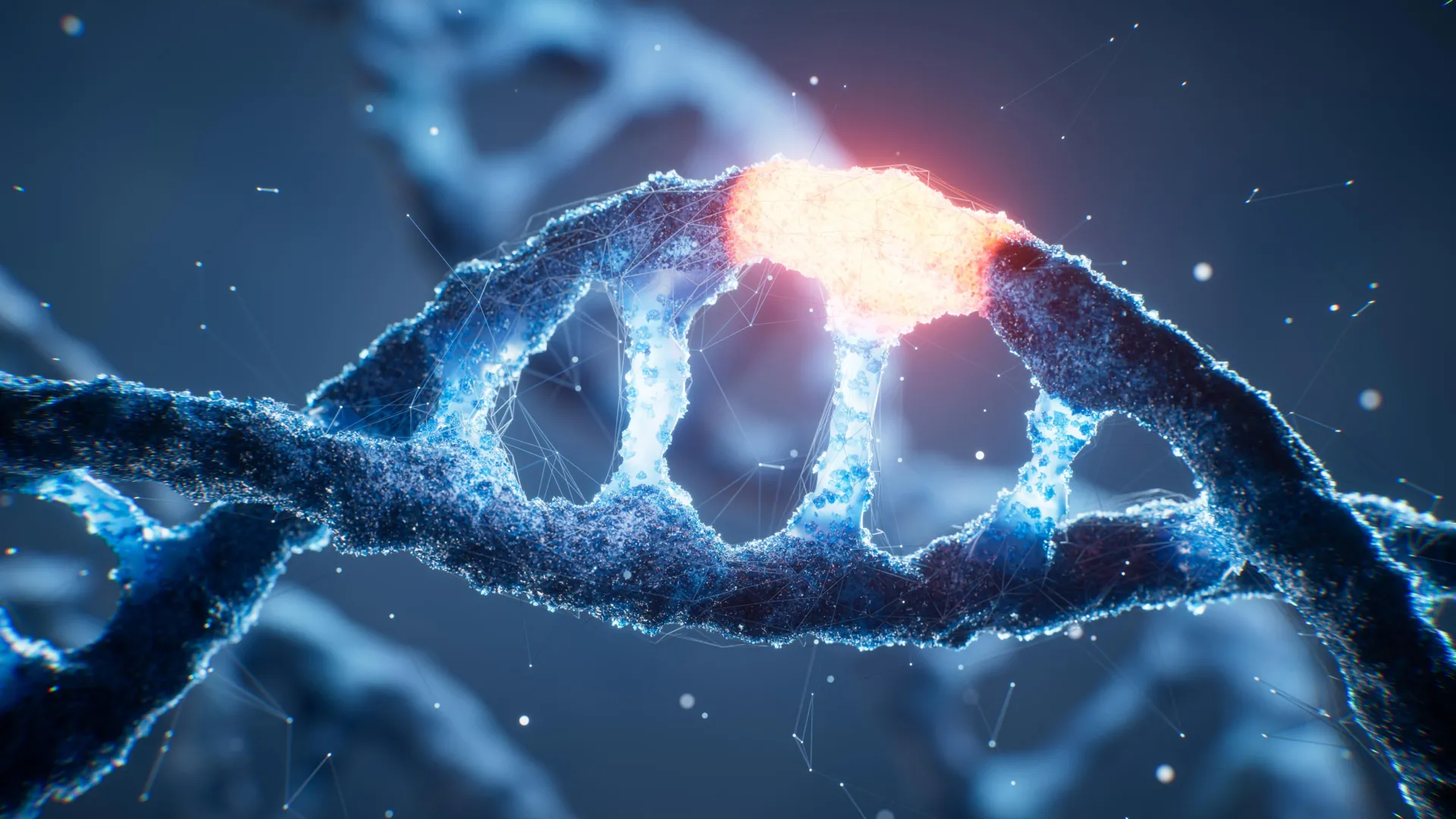
The journey to answering that question began with a meticulous genetic engineering process. The Rochester researchers identified the naked mole rat’s version of the hyaluronan synthase 2 (HAS2) gene, which plays a critical role in synthesizing HMW-HA. While all mammals possess a HAS2 gene, the naked mole rat’s appears to be exceptionally active, driving a more robust gene expression that leads to a significantly higher production of the protective HMW-HA molecule.
By introducing this hyperactive naked mole rat HAS2 gene into laboratory mice, the scientists aimed to replicate the molecular advantage observed in the long-lived rodents. The genetically modified mice were engineered to carry this foreign genetic material, allowing their cells to produce enhanced levels of HMW-HA. This intricate process was the culmination of years of research and technological advancement in gene editing and animal modeling.
Tangible Results: Healthier Mice, Longer Lives
The outcomes of this ambitious experiment were significant and multifaceted. The genetically modified mice consistently demonstrated higher levels of hyaluronan across various tissues compared to their control counterparts. This molecular elevation translated into tangible physiological benefits. The mice engineered with the naked mole rat gene exhibited enhanced protection against both spontaneous tumor formation and chemically induced skin cancer. This finding directly validated the hypothesis that HMW-HA confers a potent anti-cancer effect, mirroring observations in the naked mole rat.
However, the advantages of the naked mole rat gene were not confined to cancer resistance. The modified mice displayed a broader spectrum of improved health. They remained healthier overall as they aged, experienced reduced inflammation in multiple tissues, and maintained better gut health. This systemic improvement is particularly noteworthy, as chronic inflammation is a well-established hallmark of aging and a significant contributor to numerous age-related diseases. The researchers posited that HMW-HA might exert its protective effects, at least in part, by directly modulating the immune system, although further research is necessary to fully elucidate the intricate mechanisms involved.
The impact on lifespan, while modest, was statistically significant. The genetically modified mice experienced an approximate 4.4 percent increase in their median lifespan compared to ordinary mice. While a 4.4 percent increase might seem small in isolation, its implications for aging research are profound. It represents a concrete demonstration that a complex biological mechanism for longevity, evolved in one mammalian species, can be successfully transplanted and confer benefits to another.
A "Proof of Principle" for Inter-Species Longevity Transfer
Vera Gorbunova underscored the monumental significance of these findings, stating, "Our study provides a proof of principle that unique longevity mechanisms that evolved in long-lived mammalian species can be exported to improve the lifespans of other mammals." This statement encapsulates the core achievement: demonstrating the adaptability of evolutionary solutions to aging. It suggests that the natural world, through the diverse adaptations of long-lived species, may hold a treasure trove of biological tools that can be studied, refined, and potentially applied to enhance human healthspan.
The timeline of this research highlights the dedication and perseverance required in the field of aging science. "It took us 10 years from the discovery of HMW-HA in the naked mole rat to showing that HMW-HA improves health in mice," Gorbunova remarked, emphasizing the lengthy but crucial process of scientific discovery and validation.
Future Directions: From Mice to Humans
The success in mice naturally leads to the next ambitious objective: translating these findings to human health. The Rochester team is actively exploring two primary strategies for achieving this goal. One approach involves developing methods to slow down the natural breakdown of HMW-HA in the human body, thereby prolonging its beneficial effects. The other strategy focuses on finding ways to increase the endogenous production of HMW-HA.
Andrei Seluanov elaborated on the progress in this area, stating, "We already have identified molecules that slow down hyaluronan degradation and are testing them in pre-clinical trials." This indicates that the research is not confined to theoretical possibilities but is actively moving towards practical applications. The hope is that this groundbreaking work will serve as a foundational example, paving the way for future endeavors to harness the longevity adaptations of long-lived species for the betterment of human health.
The Naked Mole Rat: A Continuous Source of Aging Insights
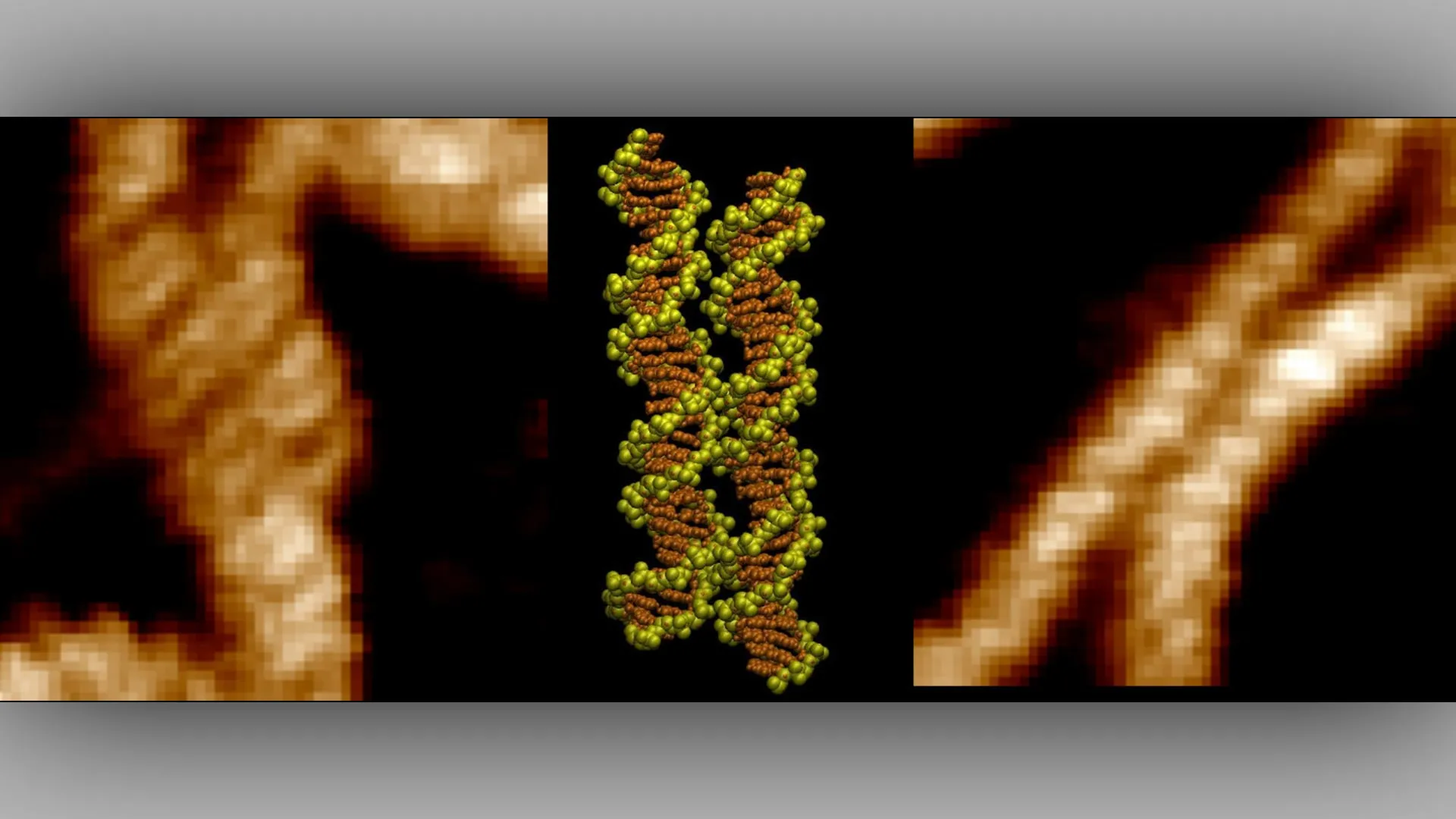
The naked mole rat’s role in aging research continues to expand beyond the HMW-HA discovery. More recent studies have shed further light on its extraordinary resilience. A 2025 study published in Science identified another potential longevity mechanism involving a protein called cGAS. While cGAS is primarily known for its role in immune defense in humans and mice, its specific variant in naked mole rats appears to play a crucial role in enhancing DNA repair. In human and mouse cells, cGAS can sometimes hinder DNA repair processes. However, the naked mole rat version, through specific molecular adaptations, seems to facilitate more effective DNA damage repair, thereby promoting genome stability and delaying the onset of aging symptoms in experimental models.
These subsequent discoveries do not diminish the importance of the HMW-HA research; rather, they reinforce a broader pattern. The naked mole rat’s remarkable longevity and healthspan are likely the result of a complex interplay of multiple overlapping defense mechanisms. These include robust cancer resistance, effective inflammation control, superior DNA repair capabilities, and enhanced tissue protection. This holistic approach to aging resilience in naked mole rats offers a valuable paradigm for understanding and potentially intervening in the aging process in other species, including humans.
Broader Implications for Human Healthspan
The implications of these findings for human aging research are profound. It is highly improbable that a single molecule or a singular genetic tweak will serve as a universal "fountain of youth." However, each scientific discovery, such as the role of HMW-HA and the adaptive functions of cGAS in naked mole rats, provides researchers with another potential target for interventions aimed at mitigating the biological processes that drive age-related diseases.
The 2023 gene transfer study remains a compelling "proof of concept." It has demonstrated that a survival strategy honed over millennia in one of nature’s most peculiar mammals can indeed confer health benefits, disease resistance, and extended lifespan to another species. The ultimate challenge now lies in carefully evaluating whether these sophisticated biological mechanisms can be safely and effectively adapted to improve human healthspan, allowing individuals to not only live longer but also live healthier, more functional lives. The continued study of the naked mole rat promises to be a rich source of inspiration and actionable insights for the future of aging research.














Leave a Reply