

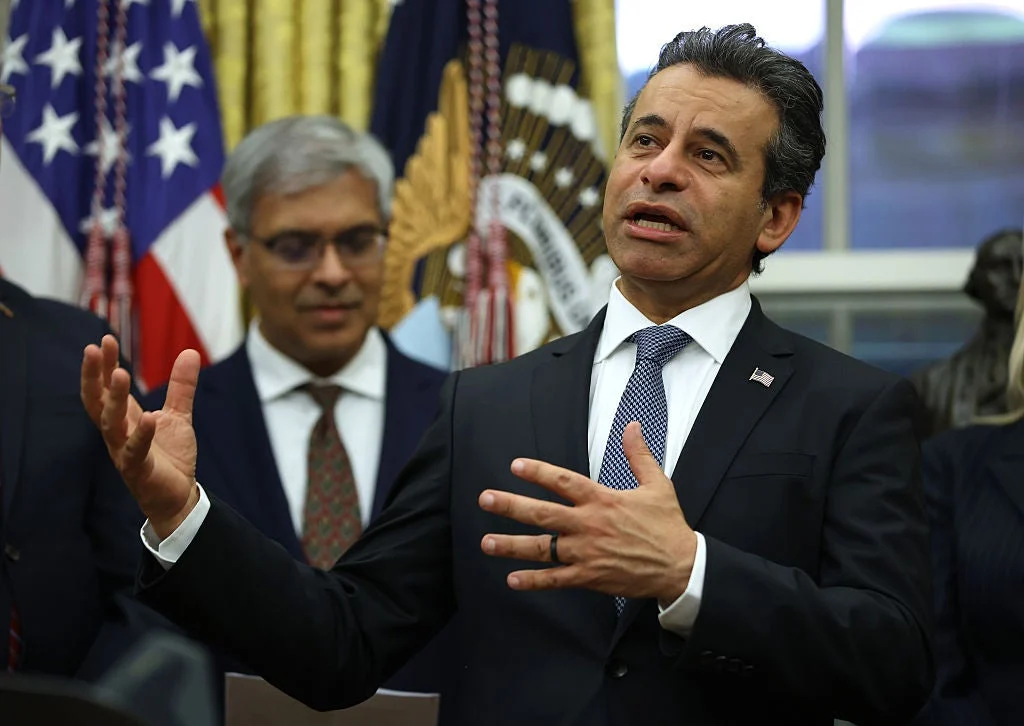
Dr. Marty Makary has formally resigned from his position as Commissioner of the U.S. Food and Drug Administration (FDA), a move that follows a period of intense speculation and reports suggesting President Donald Trump was actively considering his dismissal. Kyle Diamantas, who has been leading the FDA’s Food division, is slated to assume the role of Acting FDA Commissioner. The resignation marks the end of Makary’s tenure, which began in April 2025, making him the 27th individual to hold the top post at the influential regulatory agency. His departure comes after a little over a year at the helm, a period marked by significant policy decisions and internal challenges within the FDA.
The backdrop to Makary’s resignation, as reported by outlets including The Wall Street Journal, centers on President Trump’s reported dissatisfaction with the Commissioner’s performance. Key areas of contention are understood to include the handling of controversial decisions regarding the authorization of fruit-flavored e-cigarettes and the regulatory path for the abortion pill mifepristone. These issues have drawn considerable public and political attention, placing the FDA and its leadership under a microscope. The President’s alleged impatience with the pace and outcomes of these decisions is believed to have precipitated the move towards Makary’s potential termination, ultimately leading to his preemptive resignation.
A Brief Chronology of Dr. Makary’s Tenure and Preceding Events
Dr. Marty Makary’s appointment as FDA Commissioner in April 2025 was met with a mix of anticipation and scrutiny. His background as a surgeon and public health researcher brought a distinct perspective to the agency, one that often emphasized patient advocacy and transparency. However, the complexities of the FDA’s mandate, which spans oversight of pharmaceuticals, medical devices, food safety, tobacco products, and more, presented a formidable challenge.
The period leading up to Makary’s resignation has been characterized by notable shifts and departures within the FDA’s senior leadership, contributing to an atmosphere of instability. This unrest is not a new phenomenon but rather a continuation of trends that have unfolded over the past few years.
One significant departure that preceded Makary’s resignation was that of Dr. Vinay Prasad, former head of the Center for Biologics Evaluation and Research (CBER). Dr. Prasad announced his second departure from the FDA in April 2026. His responsibilities at CBER had included overseeing critical regulatory pathways, such as the incorporation of "plausible mechanism" and the acceptance of single pivotal trial data for drug approvals. These initiatives aimed to streamline the drug development process, particularly for rare diseases, but also sparked debate within the scientific and regulatory communities.
Dr. Prasad’s earlier exit from the FDA in July 2025 had been a consequence of backlash against his perceived conservative approach to cell and gene therapy approvals. His regulatory stance, particularly concerning Sarepta Therapeutics’ Duchenne muscular dystrophy gene therapy, Elevidys (delandistrogene moxeparvovec), was viewed by some as overly cautious. He was subsequently reinstated as CBER head just two weeks later, reportedly at the request of the FDA, underscoring the agency’s struggle to maintain consistent leadership in specialized areas.
The turbulence has extended to other critical leadership roles within the FDA. Dr. Richard Padzur, a seasoned oncology regulator, resigned from his position as head of the Center for Drug Evaluation and Research (CDER) in December 2025, having served for less than a month. His rapid departure was followed by the appointment of Dr. Tracy Beth Hoeg, who became the fifth person to lead CDER in 2025, highlighting a significant lack of stability in this crucial division responsible for approving new drugs.
Prior to Dr. Padzur’s brief tenure, George Tidmarsh had resigned from a leadership position in November 2025 after being placed on administrative leave due to concerns surrounding his personal conduct. These frequent changes at the top echelons of CDER and other centers within the FDA have raised questions about the agency’s operational continuity and its ability to attract and retain experienced leadership.
Further contributing to the narrative of internal discord, Dr. Peter Marks, who previously led CBER, resigned from his role. His departure stemmed from a disagreement with Health and Human Services (HHS) Secretary Robert F. Kennedy Jr. (RFK Jr.) regarding vaccine policy. Dr. Marks publicly stated that RFK Jr. was not seeking "truth and transparency" but rather "subservient confirmation of his misinformation and lies." This exchange underscored the deep ideological divides that have sometimes characterized policy discussions within the broader health apparatus.
Broader Implications and Challenges Facing the FDA
Dr. Makary’s resignation and the preceding leadership churn occur against a backdrop of significant challenges for the FDA. Beyond personnel issues, the agency has been grappling with substantial drug review delays. Industry stakeholders and patient advocacy groups have voiced concerns that these delays could impede access to potentially life-saving treatments. Explanations for these delays have ranged from systemic issues within the review process to external factors, including recent mass layoffs that have impacted the agency’s workforce.
The issue of politicization within the FDA has also been a recurring theme. Former agency officials have publicly accused the FDA leadership of making politically motivated decisions, further eroding public trust and potentially compromising the integrity of its scientific and regulatory processes. Such accusations, if substantiated, could have far-reaching consequences for the agency’s credibility on the global stage.
The authorization of fruit-flavored e-cigarettes, a key point of contention cited in reports about Makary’s potential firing, exemplifies the complex regulatory tightrope the FDA walks. While intended to curb youth vaping, the decision has been met with criticism from some public health advocates who argue it could inadvertently promote nicotine addiction among young people. Conversely, the tobacco industry has expressed concerns about potential restrictions impacting their market. The balancing of public health imperatives with industry interests is a constant challenge for the agency.
Similarly, the regulatory pathway for mifepristone, an abortion pill, has become a highly politicized issue. The FDA’s decisions regarding its availability and prescribing conditions have faced legal challenges and intense debate, reflecting the broader societal divisions surrounding reproductive rights. The agency’s role in navigating these sensitive and contentious policy areas is under constant scrutiny, demanding a delicate balance between scientific evidence, legal requirements, and public opinion.
The FDA’s mandate is to ensure the safety, efficacy, and security of human and veterinary drugs, biological products, and medical devices; to ensure the safety of our nation’s food supply, the safety and security of our tobacco products and cosmetics; and to help reduce the burden of chronic or acute public health problems. The leadership vacuum and internal instability witnessed in recent months can have tangible impacts on the agency’s ability to fulfill these critical functions. Delays in approvals can mean delayed patient access to new therapies, while inconsistent policy implementation can create uncertainty for drug developers and manufacturers.
The appointment of an acting commissioner, Kyle Diamantas, signals an immediate need for continuity. Diamantas’s experience within the Food division suggests a focus on that particular area of the FDA’s purview. However, the broader challenges facing the agency, encompassing pharmaceuticals, medical devices, and other regulated products, will require decisive leadership and a stable operational environment.
The coming months will be crucial for the FDA as it navigates these multifaceted challenges. The agency’s ability to regain public trust, ensure efficient and evidence-based decision-making, and maintain a consistent regulatory framework will be paramount. The succession of leadership, particularly at the Commissioner level, will be closely watched as an indicator of the administration’s priorities and its approach to public health regulation. The ongoing internal dynamics and external pressures on the FDA underscore the vital importance of its mission and the significant consequences of any disruption to its operations.

















Leave a Reply