

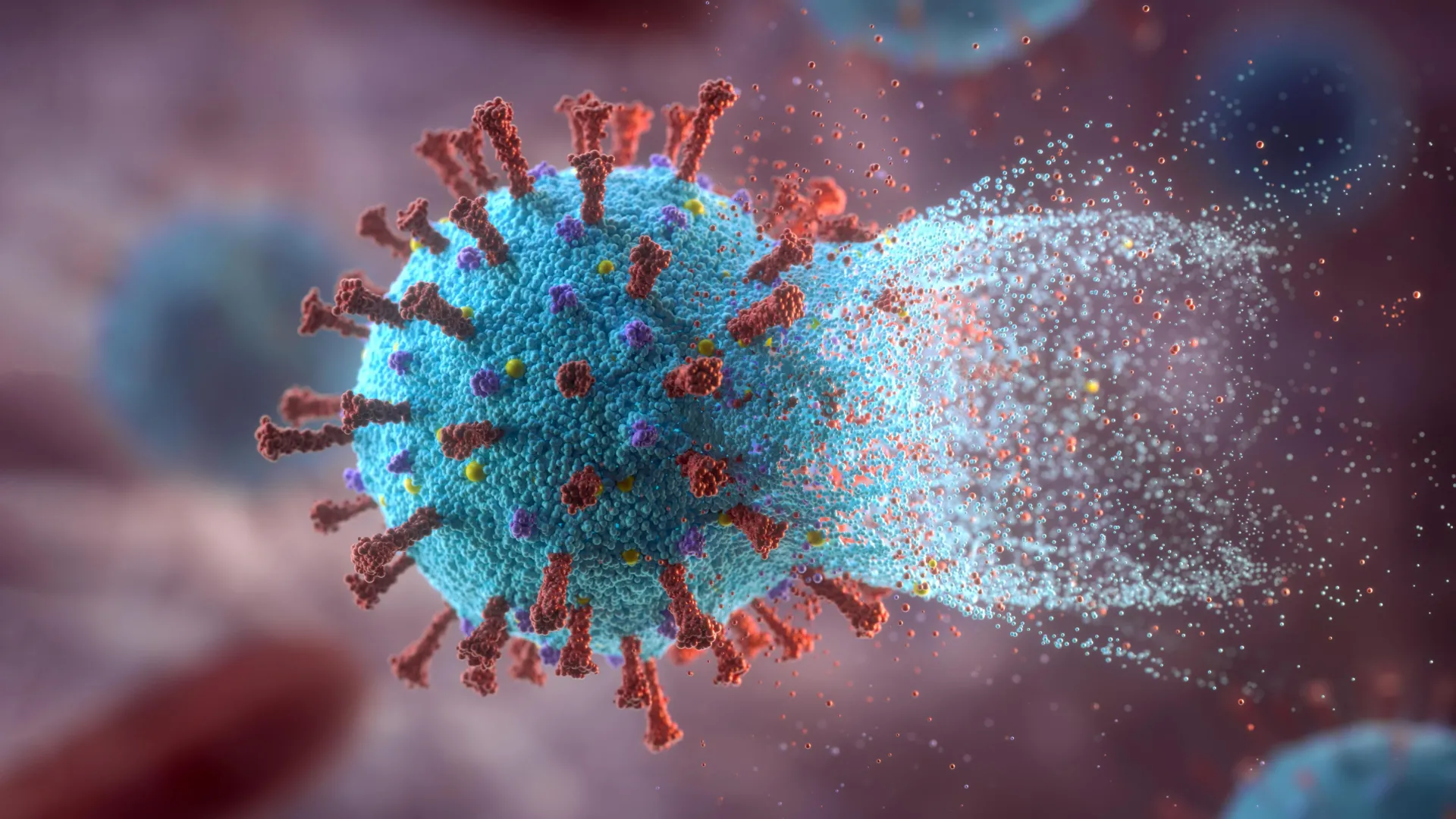
Researchers have identified a group of natural compounds from a Brazilian tree that show promising activity against the virus responsible for COVID-19. The compounds, known as galloylquinic acids, were extracted from the leaves of Copaifera lucens Dwyer, a species native to Brazil’s Atlantic Forest. Laboratory findings suggest these molecules can interfere with the virus in several different ways, offering a broader approach than many existing antiviral strategies. This breakthrough, detailed in a recent publication in Scientific Reports, opens a new avenue in the ongoing global search for effective treatments against SARS-CoV-2, the virus that causes COVID-19. The research, a collaborative effort involving Brazilian and Egyptian scientists, underscores the immense potential of natural biodiversity as a source for novel pharmaceuticals.
Unveiling Nature’s Antiviral Arsenal: The Copaifera Lucens Discovery
The scientific journey leading to this discovery began with a focused investigation into the Copaifera genus, a group of plants renowned for their rich history in traditional medicine. The research team, spearheaded by Jairo Kenupp Bastos, a distinguished figure at the Ribeirão Preto School of Pharmaceutical Sciences at the University of São Paulo (FCFRP-USP), has dedicated years to unraveling the complex chemistry and medicinal properties inherent in these plants. This deep-seated expertise and prior research provided a strong foundation and guided the selection of Copaifera lucens Dwyer, a specific species found predominantly in Brazil’s biodiverse Atlantic Forest, for in-depth analysis. The Atlantic Forest, a UNESCO World Heritage site, is a critical biome facing significant conservation challenges, making the discovery of its potential medicinal contributions particularly poignant.
Galloylquinic acids, the compounds at the heart of this study, are not entirely new to the scientific community. Pre-existing research has already linked them to a spectrum of beneficial biological effects, demonstrating both antifungal and anticancer activities in various experimental settings, including in vitro (laboratory) and in vivo (living organism) studies. Crucially, these compounds have also hinted at broad antiviral potential. In related investigations, similar galloylquinic acid derivatives exhibited a remarkable capacity to inhibit HIV-1, the virus responsible for AIDS, in both laboratory and cell-based experiments. What further elevated their significance was their comparatively lower toxicity profile when juxtaposed with other substances tested, a crucial factor in the development of any therapeutic agent. This history of documented biological activity provided a compelling rationale for their evaluation against the novel coronavirus.
Rigorous Testing: Safety First, Efficacy Follows
With the critical support of FAPESP (São Paulo Research Foundation), a key funding body for scientific research in São Paulo, Brazil, the researchers embarked on a systematic process to isolate and characterize the galloylquinic acid-rich extracts from the leaves of Copaifera lucens. This initial phase was paramount, ensuring the purity and accurate identification of the active compounds.
A non-negotiable step in any drug development pipeline is the assessment of safety. Before evaluating the antiviral efficacy, the team rigorously tested the compounds for potential harm to human cells. This was achieved through sophisticated cytotoxicity tests, which determine the concentration at which a substance becomes toxic to cells. This crucial safety screening ensures that any promising antiviral activity is not overshadowed by unacceptable levels of toxicity, a common hurdle in the development of new medicines.
Following the successful safety assessment, the researchers moved to quantify the compounds’ ability to combat SARS-CoV-2. They employed the highly respected plaque reduction assay, a standard method in virology. This assay measures the effectiveness of a substance in neutralizing viral particles and preventing them from infecting host cells, thereby reducing the formation of viral plaques (clear zones on a cell culture plate). The results from these assays were unambiguous, demonstrating clear and significant antiviral activity against SARS-CoV-2. This indicated that the galloylquinic acids possessed a tangible ability to interfere with the virus’s infectious cycle.
Deconstructing the Mechanism: A Multi-Pronged Attack on SARS-CoV-2
Beyond simply demonstrating that the compounds could inhibit the virus, the scientists delved deeper into understanding precisely how they achieved this. They meticulously examined the interaction of the galloylquinic acids with several critical components of the SARS-CoV-2 virus, each playing a vital role in its pathogenesis.
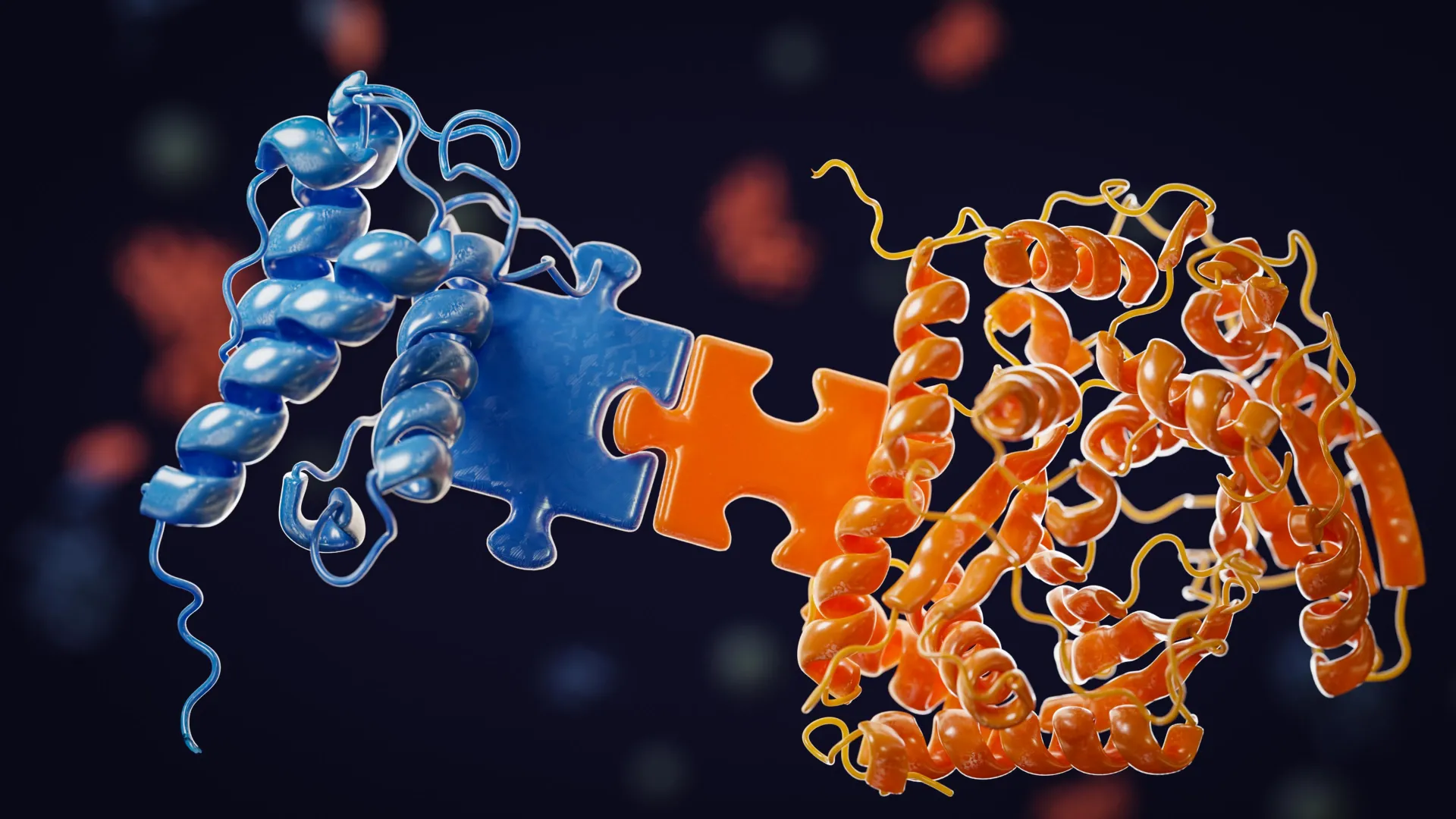
One key target identified was the receptor-binding domain (RBD) of the spike protein. This specific region of the spike protein is the molecular key that SARS-CoV-2 uses to unlock and enter human cells, by binding to the ACE2 receptor on the cell surface. By interfering with the RBD, the galloylquinic acids could potentially block the virus’s entry into host cells, a fundamental step in infection.
Another crucial viral enzyme scrutinized was the papain-like protease (PLpro). This enzyme is essential for the virus’s ability to process its own proteins, a process that is vital for viral maturation and replication. Furthermore, PLpro plays a significant role in the virus’s capacity to evade and suppress the host’s immune defenses, making it a strategic target for antiviral intervention. The galloylquinic acids were found to interfere with the function of PLpro, potentially weakening the virus’s ability to replicate and spread within the body.
The researchers also investigated the impact of the compounds on RNA polymerase, an enzyme that is absolutely indispensable for viral replication. SARS-CoV-2, like other RNA viruses, relies on RNA polymerase to make copies of its genetic material, a process that is critical for generating new virions. Inhibition of RNA polymerase directly cripples the virus’s ability to multiply.
Finally, the study analyzed the effect of the galloylquinic acids on the production of viral proteins. These proteins are the building blocks and functional machinery of new virus particles. By reducing the synthesis of these essential proteins, the compounds could effectively starve the virus of the necessary components for its assembly and release.
Mohamed Abdelsalam, an assistant professor of pharmacognosy and natural product chemistry at the Faculty of Pharmacy at the Delta University of Science and Technology in Egypt, and a key figure in leading the biological study, elaborated on the significance of this multi-target approach. Affiliated also with the School of Health Sciences at the Pompeu Fabra University TecnoCampus in Barcelona, Spain, Abdelsalam highlighted the comprehensive nature of the investigation. "This integrated approach allowed us to understand how the compounds work and how they act at the molecular level," he stated. The biological study was jointly led with Professor Lamiaa A. Al-Madboly, Head of the Department of Microbiology at the Faculty of Pharmacy at Tanta University in Egypt, and Associate Professor Rasha M. El-Morsi from the Department of Microbiology at the Faculty of Pharmacy at the Delta University of Science and Technology in Egypt. The study benefited from a strong collaborative partnership with Egyptian researchers from Alexandria University, underscoring the international reach of this scientific endeavor.
A Multi-Targeted Strategy: The Future of Antiviral Therapy?
The findings, published in the esteemed journal Scientific Reports, paint a compelling picture of galloylquinic acids as potent inhibitors of SARS-CoV-2, operating through a sophisticated multi-target mechanism. The compounds appear to exert their antiviral effects across multiple stages of the viral life cycle. This includes obstructing the initial entry of the virus into host cells, disrupting the critical process of viral replication, and significantly reducing the synthesis of viral proteins.
Furthermore, the research suggests that these natural compounds may possess additional beneficial properties. Preliminary findings indicate potential anti-inflammatory and immunomodulatory effects. These properties could be particularly valuable in managing COVID-19, especially in more severe cases where an overactive or dysregulated immune response can lead to significant tissue damage and complications. By helping to regulate the body’s immune response, galloylquinic acids could potentially mitigate the severity of the disease.
Professor Jairo Kenupp Bastos emphasized the strategic advantage of this multi-target mechanism. "An important aspect revealed by this information is the multi-target mechanism of the compound, which reduces the likelihood of resistance developing. This is because many current antivirals act on only one viral protein, which promotes this effect," he explained. The development of antiviral resistance is a significant concern in infectious disease management. Viruses, due to their rapid mutation rates, can evolve to circumvent the action of drugs that target a single protein or pathway. A compound that attacks the virus on multiple fronts is inherently more robust and less prone to fostering resistance, offering a more sustainable therapeutic solution.
Charting the Course Forward: From Forest to Pharmacy
While the laboratory findings are undeniably encouraging and represent a significant stride in the quest for novel COVID-19 treatments, the journey from promising laboratory results to a clinically approved medication is a long and complex one. The researchers are acutely aware that additional, rigorous research is imperative before these galloylquinic acids can be definitively developed into a viable therapeutic agent.
The immediate next steps will involve a transition to more complex experimental models. This includes extensive testing in living organisms, such as animal models, to further assess the efficacy, safety, and pharmacokinetic properties of the compounds. These preclinical studies are crucial for understanding how the compounds are absorbed, distributed, metabolized, and excreted by the body, and to identify any potential organ-specific toxicities.
Ultimately, the pinnacle of this development process will be the initiation of clinical trials in human subjects. These trials, conducted in carefully controlled phases, are designed to evaluate the safety and effectiveness of the compounds in patients suffering from COVID-19. They are the definitive step in determining whether these natural compounds can translate their laboratory promise into tangible clinical benefits for human health.
Biodiversity as a Biomedical Frontier: Lessons from the Atlantic Forest
This groundbreaking study serves as a powerful testament to the invaluable role of exploring natural sources for new medicines. It reinforces the critical importance of biodiversity conservation, highlighting Brazil’s rich and diverse plant life as a treasure trove of potential therapeutic compounds. The Atlantic Forest, with its unique flora and fauna, represents a vast and largely untapped resource for scientific discovery. Protecting these ecosystems is not merely an environmental imperative but also a strategic investment in future global health security. The discovery of galloylquinic acids from Copaifera lucens Dwyer is a compelling example of how safeguarding these natural wonders can yield profound benefits for humanity, offering hope for innovative solutions to pressing health challenges. The scientific community continues to advocate for increased investment in ethnobotany and natural product research, recognizing that the answers to many of our most complex medical problems may lie hidden within the natural world.









Leave a Reply