

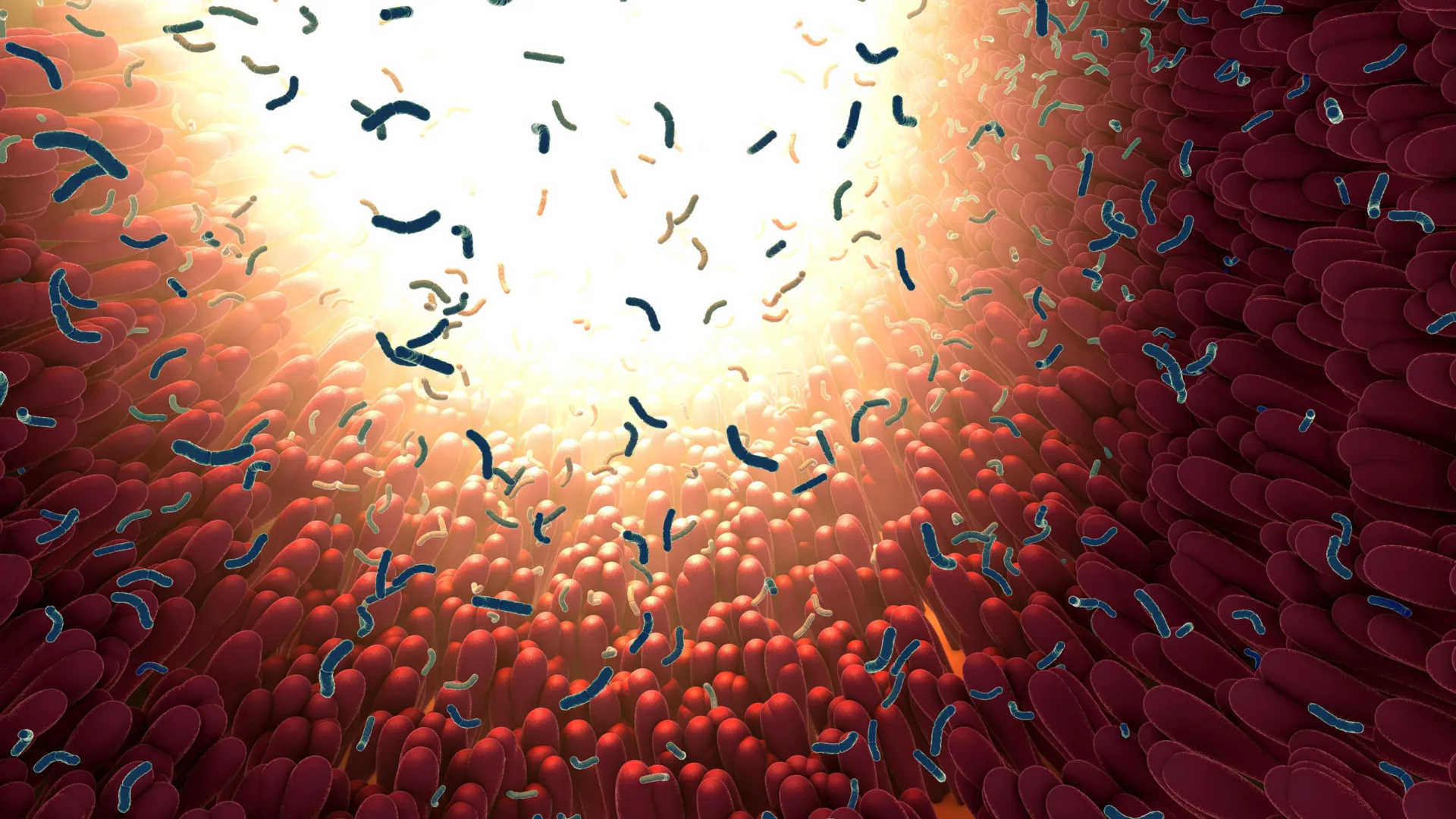
Huntington, WV – Researchers at the Marshall University Joan C. Edwards School of Medicine have identified a critical link between microscopic particles produced in the gut and the progression of inflammation and chronic diseases commonly associated with aging. This groundbreaking discovery sheds new light on the intricate interplay between gut health, metabolic function, immune system regulation, and even the biological stress responses that can impact sleep. The findings, published in the prestigious journal Aging Cell, suggest that these gut-derived exosomes may serve as significant mediators in the aging process, offering potential new avenues for therapeutic intervention.
The Gut-Exosome Axis: A Novel Mechanism in Aging
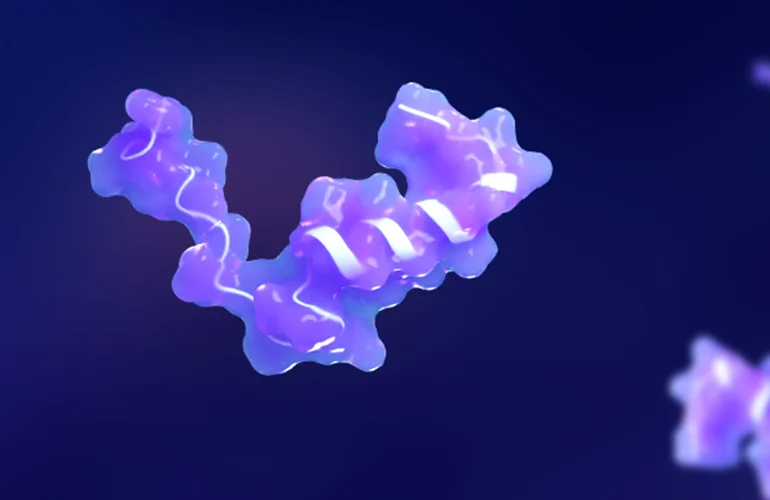
The study centered on gut luminal exosomes, which are exceptionally small vesicles secreted by cells within the gastrointestinal tract. These exosomes act as sophisticated intercellular messengers, encapsulating and transporting crucial molecular cargo, including proteins and genetic material, to various parts of the body. The research team’s analysis revealed a distinct molecular signature within exosomes harvested from older animal models. These signals were intrinsically linked to key markers of aging and disease, such as insulin resistance, systemic inflammation, and compromised integrity of the gut barrier.
A pivotal aspect of the research involved the transfer of these exosomes. When exosomes from older animals were introduced into younger, healthy animals, the recipients exhibited a development of similar metabolic dysfunctions and inflammatory profiles. This direct transfer of molecular signals underscores the potent influence these gut-derived particles can exert on systemic health.
Conversely, the researchers observed a beneficial effect when exosomes from young animals were administered to older counterparts. This intervention led to a significant reduction in several age-related metabolic challenges, suggesting a potential for rejuvenation or mitigation of aging processes through the manipulation of gut exosome composition. Together, these findings strongly indicate that the internal environment of the gut, as reflected by its exosome content, plays a far more central role in the pathogenesis of age-related diseases than previously understood.
Unraveling Gut Barrier Damage and Its Inflammatory Cascade
The implications of this research extend to the critical concept of gut barrier function. A compromised gut barrier, often referred to as "leaky gut," allows harmful substances, including bacterial products and inflammatory molecules, to permeate the intestinal lining and enter the bloodstream. This systemic leakage can then trigger a cascade of chronic, low-grade inflammation throughout the body. Such persistent inflammation is a well-established risk factor for a multitude of chronic conditions, including cardiovascular disease, type 2 diabetes, neurodegenerative disorders, and certain autoimmune diseases.
Dr. Abdelnaby Khalyfa, M.Sc., Ph.D., a professor of biomedical sciences at the Joan C. Edwards School of Medicine and the lead author of the study, emphasized the significance of these findings. "This study helps clarify how the physiological stressors associated with biological aging may accelerate biological processes linked to aging and disease," Dr. Khalyfa stated. "Understanding these mechanisms is essential to identifying new targets for intervention and improving long-term outcomes for patients." He further elaborated that the identified molecular signals within the exosomes represent potential biomarkers for early detection of age-related decline and targets for novel therapeutic strategies.
A Holistic View of Aging: Beyond Isolated Systems
The research from Marshall University further solidifies the growing scientific consensus that aging is not an isolated event affecting a single organ or system, but rather a complex, multifactorial process that impacts the entire organism concurrently. This study highlights how aging concurrently influences metabolism, immune responses, and the sophisticated pathways of cellular communication, with gut exosomes acting as a nexus for these interconnected processes.
The identification of specific molecules residing within these exosomes is particularly promising. These molecular fingerprints could eventually empower scientists to develop more precise diagnostic tools for detecting age-related diseases at their nascent stages, deepen our understanding of their underlying biological mechanisms, and pave the way for the development of targeted treatments.
The researchers also noted that the insights gained from this study may extend beyond typical age-related ailments. Chronic conditions characterized by persistent physiological stress, particularly those that share common biological pathways with the aging process, could also be influenced by the mechanisms described. This broad applicability suggests that interventions targeting gut exosomes might offer a unified approach to managing a spectrum of inflammatory and degenerative diseases.
Supporting Data and Scientific Context
The Aging Cell study builds upon decades of research into the gut microbiome and its profound influence on overall health. While the microbiome itself—the trillions of bacteria, fungi, and viruses residing in the gut—has been a major focus, the role of cellular communication mechanisms like exosomes is a more recent and rapidly evolving area of investigation.
Background on Exosomes: Exosomes, typically ranging from 30 to 150 nanometers in diameter, are released by virtually all cell types. They are formed within multivesicular bodies and are released into the extracellular environment upon fusion of these bodies with the plasma membrane. Their cargo is diverse, including microRNAs, messenger RNAs, proteins, and lipids, all of which can modulate the function of recipient cells. This inherent ability to transfer complex biological information makes them prime candidates for mediating systemic effects from localized cellular activity.
Prevalence of Age-Related Diseases: The global population is aging rapidly. According to the World Health Organization, by 2030, one in six people worldwide will be 65 years or older. This demographic shift places an enormous burden on healthcare systems, with age-related chronic diseases being the leading causes of morbidity and mortality. Conditions such as cardiovascular disease, type 2 diabetes, Alzheimer’s disease, and osteoporosis are all significantly influenced by inflammatory processes and metabolic dysregulation, making the identification of novel therapeutic targets a public health imperative.
Inflammation and Insulin Resistance: Chronic low-grade inflammation is a key driver of insulin resistance, a condition where cells in the body become less responsive to insulin, leading to elevated blood sugar levels. This is a hallmark of type 2 diabetes. The Marshall University study directly links gut exosome cargo to these inflammatory markers, providing a mechanistic bridge between gut health and metabolic disorders.
Timeline and Research Progression
While the current publication represents a significant leap forward, the research likely stems from a progression of scientific inquiry:
- Early 2000s – Present: Growing recognition of the gut microbiome’s impact on systemic health, including immune function and metabolism. Studies begin to explore the concept of "gut-brain axis" and "gut-liver axis."
- Mid-2010s – Present: Advancements in exosome research, including improved isolation and characterization techniques, enable deeper investigation into their biological roles. Studies begin to link exosomes to various physiological and pathological processes.
- Recent Years: Specific focus on gut-derived exosomes and their potential involvement in chronic diseases and aging. This Marshall University study represents a culmination of such focused research efforts.
The publication in Aging Cell indicates a rigorous peer-review process, signifying the scientific community’s recognition of the study’s validity and importance.
Broader Impact and Future Directions
The implications of this research are far-reaching and could reshape our understanding and management of aging and its associated diseases.
Therapeutic Potential: If gut exosomes are indeed central to age-related disease progression, then manipulating their production or composition could offer novel therapeutic strategies. This might involve:
- Dietary Interventions: Modifying diet to influence the types of exosomes produced by gut cells.
- Probiotics and Prebiotics: Using beneficial bacteria or their food sources to alter the gut environment and exosome profiles.
- Exosome-Based Therapies: Developing treatments that deliver specific beneficial exosomes or block the action of detrimental ones.
Diagnostic Tools: The identification of specific molecular signatures within aging exosomes could lead to the development of biomarkers for early disease detection. This would allow for timely interventions and potentially prevent the full onset of debilitating conditions.
Personalized Medicine: Understanding an individual’s exosome profile could enable personalized approaches to aging and disease prevention, tailoring interventions based on their unique biological makeup.
Interdisciplinary Collaboration: This research underscores the interconnectedness of various biological systems. It necessitates continued collaboration between gastroenterologists, immunologists, endocrinologists, and gerontologists to fully harness these discoveries.
Official Statements and Acknowledgements
The research team at Marshall University, including lead author Dr. Abdelnaby Khalyfa, Trupti Joshi, Ph.D., and David Gozal, M.D., M.B.A., Ph.D. (Hon), expressed optimism about the findings. The study also acknowledged the contribution of Lyu Zhen from the University of Missouri.
Funding for this pivotal research was provided through several key avenues:
- Unrestricted start-up support awarded to Dr. Khalyfa by the Joan C. Edwards School of Medicine via the Marshall University Research Corporation (MURC) in Huntington, West Virginia.
- Partial support for Dr. Gozal from NIH grants HL166617 and HL169266.
- Additional support from the National Institute of General Medical Sciences of the National Institutes of Health under Award Number P20GM103434, facilitated by the West Virginia IDeA Network of Biomedical Research Excellence (WV-INBRE).
This diverse funding stream highlights the commitment to advancing biomedical research at Marshall University and its importance on a national level. The collaborative nature of the funding also points to a broader effort within the scientific community to tackle complex health challenges.
In conclusion, the research from Marshall University offers a compelling new perspective on the aging process, identifying gut-derived exosomes as critical mediators of inflammation and metabolic dysfunction. These findings hold significant promise for the development of innovative diagnostic and therapeutic strategies aimed at improving healthspan and mitigating the burden of chronic diseases in an aging global population. Further research is anticipated to delve deeper into the specific molecular pathways involved and to translate these discoveries into tangible clinical applications.















Leave a Reply