BD, a global leader in medical technology, has announced a landmark partnership with Wellstar Health System, one of Georgia’s largest non-profit healthcare providers, to implement a comprehensive, AI-enabled medication management solution across Wellstar’s extensive network of hospitals and care facilities. This collaboration marks a significant step forward in integrating advanced artificial intelligence into critical healthcare workflows, aiming to enhance patient safety, improve operational efficiency, and optimize medication inventory management from the pharmacy to the patient’s bedside.
The Critical Challenge of Medication Management in Healthcare
The administration and management of medications represent one of the most complex and labor-intensive processes within any hospital system. It is a domain fraught with potential for error, which can have severe consequences for patient outcomes and significant financial implications for healthcare providers. According to numerous studies, medication errors remain a leading cause of preventable harm in healthcare. The World Health Organization (WHO) estimates that medication errors contribute to at least one death every day and injure approximately 1.3 million people annually in the United States alone. These errors can range from incorrect dosages and wrong medications to improper administration times and routes.
Beyond direct patient harm, the financial burden associated with medication errors is staggering, estimated to be in the tens of billions of dollars annually in the U.S., encompassing costs related to extended hospital stays, additional treatments, and legal liabilities. Furthermore, hospitals grapple with persistent challenges like drug shortages, which have become increasingly common and costly. A recent survey by Vizient, a healthcare performance improvement company, highlighted that hospital labor costs tied to managing drug shortages nearly tripled between 2019 and 2024, escalating from $359 million to an alarming $894 million annually. This demonstrates the immense human and financial resources diverted to simply track, locate, and substitute unavailable medications.
Wellstar Health System, serving a diverse population across Georgia, recognizes these profound challenges. As a non-profit organization dedicated to providing high-quality, compassionate care, Wellstar continually seeks innovative solutions to bolster its clinical services and operational resilience. Their decision to partner with BD underscores a strategic commitment to leveraging cutting-edge technology to mitigate risks, streamline processes, and ultimately deliver superior patient experiences.
A New Era of Connected Care: The BD-Wellstar Partnership
The core of this transformative partnership lies in the seamless integration of BD’s sophisticated medication dispensing, infusion, and inventory management technologies, supercharged by AI-enabled analytics. The comprehensive solution brings together several key components from BD’s extensive portfolio:
-
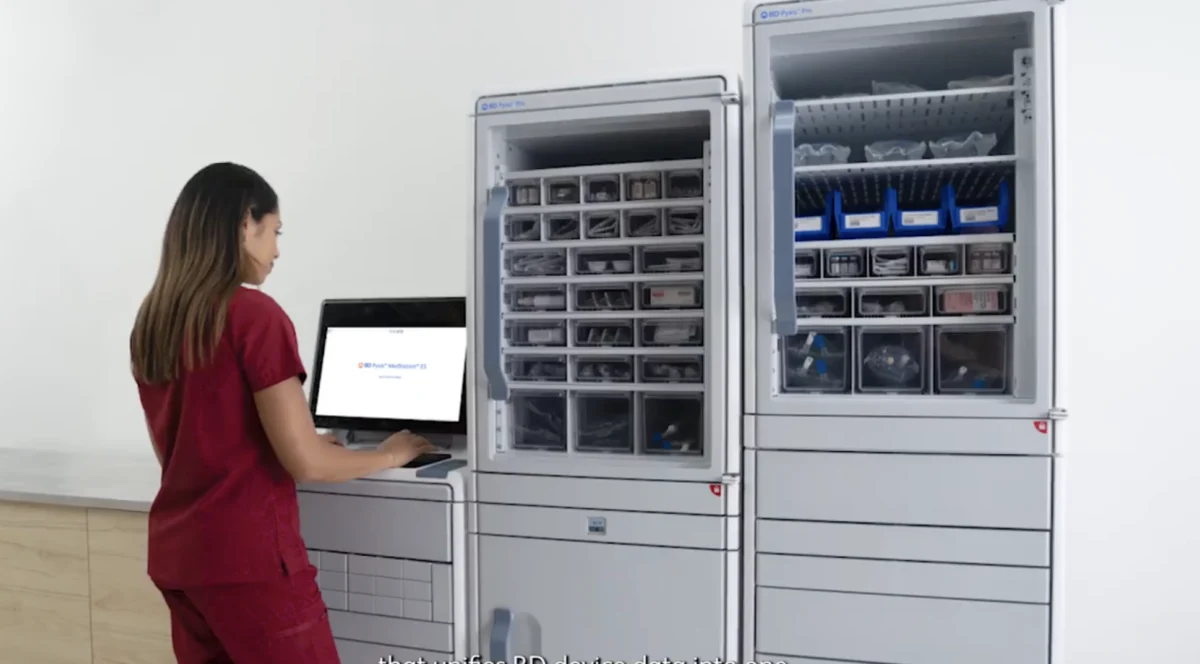
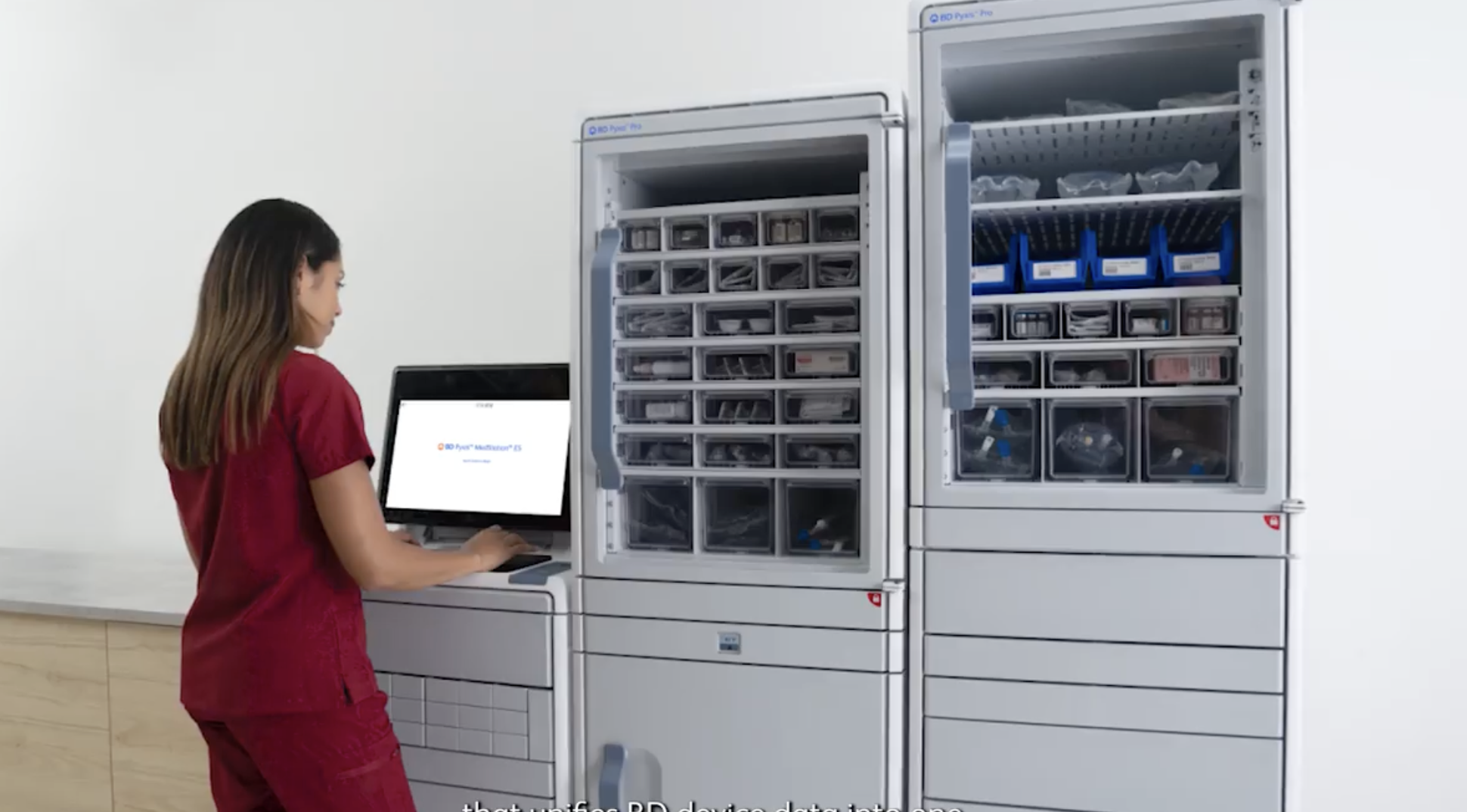
BD Pyxis Pro Medication Dispensing Technologies: These automated dispensing cabinets (ADCs) are designed to provide secure, accurate, and efficient storage and retrieval of medications at the point of care. By automating medication access, Pyxis Pro systems reduce manual handling, minimize dispensing errors, and ensure that the right medication is available to the right patient at the right time. They also offer robust tracking capabilities, contributing to a more precise inventory count.
-
BD Alaris Infusion Systems: Widely recognized as "smart pumps," Alaris Infusion Systems are crucial for safe and accurate intravenous medication delivery. These systems feature advanced safety features, including dose error reduction software (DERS) and barcode scanning capabilities, which help prevent medication errors during infusion. They are designed to integrate with electronic medical records (EMRs), ensuring that prescribed infusion parameters are accurately communicated and executed.
-
BD Incada AI-Enabled Analytics: This is the innovative brain of the integrated system. BD Incada adds a layer of artificial intelligence to enterprise medication inventory management. It provides Wellstar with real-time visibility into medication availability across all its facilities, customizable dashboards, and on-demand insights into inventory levels. This predictive and analytical capability moves beyond simple tracking, allowing for proactive management of stock, identification of potential shortages, and optimization of purchasing decisions.

-
Alaris EMR Interoperability: This critical feature bridges the gap between the electronic medical record and the infusion system. Clinicians can use barcode scanning to send infusion orders directly from the EMR to the Alaris system, significantly reducing manual data entry errors. Crucially, the system also sends infusion status updates back into the EMR, providing a closed-loop system that enhances communication, documentation, and overall patient safety.
By connecting these previously disparate systems – from the pharmacy’s dispensing cabinets to the bedside infusion pumps and the overarching inventory intelligence – BD and Wellstar are establishing a true "pharmacy-to-bedside" medication management continuum. This integrated approach aims to create a highly accurate, efficient, and transparent medication lifecycle within Wellstar’s operations.
AI at the Core: BD Incada’s Innovative Approach to Inventory Intelligence
The introduction of BD Incada represents a significant leap forward in how healthcare systems can manage their medication supplies. Unlike traditional inventory systems, Incada leverages AI-enabled analytics and a natural-language querying interface. This means that authorized users, such as pharmacy staff or hospital administrators, can ask complex questions about medication inventory using plain language, similar to how they might speak to a colleague.
Omar Ahmed, SVP R&D, Connected Care Segment at BD, elaborated on the sophisticated architecture behind Incada’s natural-language interface. "The BD Incada natural language query is a layered system where a large language model translates user questions into structured queries using a governed semantic layer that maps business terms to data," Ahmed explained. This means Incada doesn’t just process keywords; it understands the context and intent behind the user’s question, translating it into a precise query against Wellstar’s specific hospital inventory and operational data.
To ensure the integrity and reliability of the information provided, BD has designed multiple stringent validation layers. Ahmed detailed these safeguards: "The system then validates those queries through schema checks, access controls, and rule-based or statistical guardrails before execution." These checks ensure that the query is structurally sound, that the user has appropriate access to the requested data, and that the results align with established operational parameters. Further training and safety guardrails are employed to guarantee that the plain-language answers delivered to users are not only precise but also highly reliable and actionable. This meticulous approach differentiates Incada from general-purpose large language models, which might be prone to "hallucinations" or providing inaccurate information without such rigorous validation. Incada is specifically engineered for the high-stakes environment of healthcare operations, where accuracy is paramount.
Wellstar’s Vision for Enhanced Patient Care and Safety
Wellstar Health System’s commitment to innovation and patient safety is clearly articulated through this partnership. Susan Wright, Pharm.D., Vice President of Pharmacy Services at Wellstar Health, emphasized the strategic importance of this collaboration. "Wellstar uses advanced technologies, including the AI-powered tools by BD, to supercharge our team members’ ability to deliver the highest levels of clinical care, safety, quality and patient experience," Wright stated via email.
Dr. Wright underscored that while technology is a powerful enabler, it complements, rather than replaces, human expertise. "Accuracy depends on team members’ critical thinking, local oversight and decision-making, supported by validation layers such as medication barcode scanning, EMR cross-checks and other system controls," she added. This highlights Wellstar’s philosophy of combining cutting-edge AI with robust human oversight and established safety protocols. The health system also monitors key metrics related to Incada’s performance, continuously seeking to improve medication safety outcomes across its network.
Wellstar’s involvement extends beyond implementation; the health system actively contributes to BD’s Strategic Development Council for Medication Management Solutions. In this role, Wellstar executives share invaluable expertise across critical domains such as enterprise pharmacy operations, medication safety, nursing practices, and health informatics. This collaborative approach ensures that BD’s solutions are developed with direct input from frontline healthcare providers, aligning technology with real-world clinical and operational needs.
Navigating the Regulatory Landscape: Operational vs. Clinical AI
The deployment of AI in healthcare carries significant regulatory considerations, particularly concerning the distinction between operational support and clinical decision support. BD has carefully positioned Incada to focus primarily on operational data, inventory management, and workflow optimization, deliberately avoiding functionalities that could categorize it as a medical device subject to stringent FDA oversight.
Omar Ahmed elaborated on this strategic boundary. "BD will draw a clear boundary by avoiding patient-level recommendations, requiring human oversight, and limiting early use cases to informational insights rather than prescriptive clinical guidance," he affirmed. This focus on descriptive, rather than prescriptive, insights ensures that Incada empowers healthcare staff with information to make better operational decisions, without directly influencing patient care decisions in a way that would necessitate FDA medical device classification.
The regulatory environment for AI in healthcare is rapidly evolving. Software functions that provide patient-specific recommendations or directly influence diagnostic or treatment decisions typically fall under the purview of the FDA, requiring rigorous validation and approval processes. By concentrating on optimizing internal hospital operations – such as predicting medication demand, managing stock levels, and identifying supply chain inefficiencies – BD can deliver significant value without entering the more tightly controlled domain of clinical decision support. This approach allows for faster innovation and deployment of AI solutions where they can have an immediate, positive impact on efficiency and cost, while still contributing indirectly to patient safety by ensuring medication availability and reducing the burden on clinical staff.
Broader Implications for Healthcare Efficiency and Safety
The partnership between BD and Wellstar holds significant implications that could serve as a blueprint for other healthcare systems grappling with similar challenges:
- Enhanced Patient Safety: By minimizing manual processes, integrating data streams, and providing real-time verification, the risk of medication errors – from dispensing to administration – is substantially reduced. Barcode scanning and EMR interoperability create crucial validation layers.
- Optimized Operational Efficiency: Automating inventory management and leveraging AI for predictive analytics can significantly streamline pharmacy operations. This reduces the time spent on manual inventory counts, order placements, and searching for medications, freeing up pharmacy staff to focus on higher-value tasks, including direct patient care.
- Cost Savings and Resource Allocation: Better inventory visibility and management lead to reduced waste from expired medications, optimized purchasing strategies, and decreased labor costs associated with managing drug shortages. The significant financial burden highlighted by Vizient could be mitigated through such integrated systems.
- Data-Driven Decision Making: Real-time, comprehensive data on medication usage, stock levels, and historical trends empowers hospital administrators and pharmacy leadership to make more informed decisions regarding supply chain management, budgeting, and resource allocation.
- Scalability and Resilience: An integrated, AI-powered system provides a more resilient infrastructure against supply chain disruptions, allowing healthcare providers to adapt quickly to unexpected shortages or increased demand. This is particularly crucial in an era prone to global supply chain volatility.
- Improved Clinician Experience: By simplifying medication workflows and reducing the cognitive load associated with manual checks and balances, clinicians can focus more on patient care and less on administrative tasks, potentially leading to improved job satisfaction and reduced burnout.
The Future of AI in Healthcare Operations
The collaboration between BD and Wellstar is indicative of a broader trend towards the pervasive adoption of AI in non-clinical healthcare functions. As healthcare systems strive for greater efficiency, cost-effectiveness, and safety, AI is proving to be an invaluable tool. While clinical AI for diagnostics and treatment planning garners significant attention, operational AI, like BD Incada, is quietly revolutionizing the foundational processes that enable high-quality care delivery.
However, the path to widespread adoption is not without its challenges. Robust data integration across disparate systems, ensuring cybersecurity and data privacy, and managing the change management process for staff are critical considerations. The success of partnerships like BD and Wellstar will depend on continuous collaboration, iterative development, and a steadfast commitment to leveraging technology responsibly and effectively.
Ultimately, this initiative represents a forward-thinking approach to medication management, where technology acts as an intelligent partner, enabling healthcare professionals to deliver safer, more efficient, and higher-quality care to their communities. As the healthcare landscape continues to evolve, the strategic integration of AI into operational workflows will undoubtedly play an increasingly pivotal role in shaping the future of patient care.